
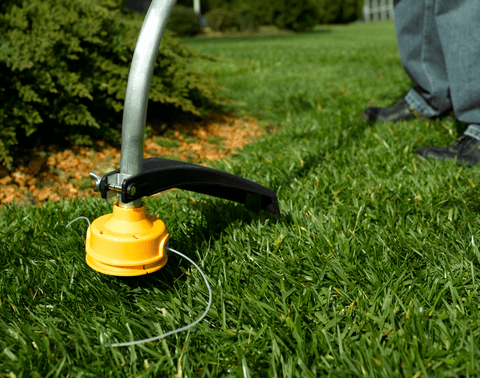
Are you struggling to keep your lawn looking neat and polished? You might have heard about lawn edging and trimming, but do you really know the difference?
Choosing the right method can change the entire look of your yard. You’ll discover how lawn edging and trimming each work, which one suits your needs best, and simple tips to make your lawn the envy of the neighborhood. Keep reading to unlock the secret to a perfectly manicured lawn that speaks volumes about your care and style.
Lawn Edging Basics
Lawn edging helps make your yard look neat and clean. It creates a clear line between grass and other areas.
This guide explains the main ideas about lawn edging. You will learn why it is done and what tools and materials you can use.
Purpose Of Edging
Edging separates grass from flower beds, paths, or driveways. It stops grass from growing into unwanted places.
It also improves the look of the lawn. Clear edges give a tidy and cared-for appearance.
- Defines garden borders
- Prevents grass spread
- Enhances lawn appearance
- Makes mowing easier
Types Of Edging Tools
There are many tools for lawn edging. Some are manual, and some are powered.
Each tool works best for different lawn sizes and shapes. Choose one that fits your yard and effort level.
- Manual Edgers:Handheld tools for small areas and precision.
- String Trimmers:Powered tools that cut grass edges quickly.
- Spade or Half-Moon Edger:Used to cut clean lines in the soil.
- Electric or Gas-Powered Edgers:Best for large lawns and thick grass.
Material Options For Edging
You can choose edging materials based on style and durability. Some look natural, others are more modern.
Materials help hold soil and plants in place. Pick one that matches your garden design and budget.
- Plastic:Affordable and easy to install but less durable.
- Metal:Strong and lasts long with a clean, sharp look.
- Brick or Stone:Heavy and natural-looking for classic gardens.
- Wood:Gives a rustic feel but may need more care.
- Concrete:Very durable and good for formal edging.
Lawn Trimming Essentials
Lawn trimming keeps your yard neat and healthy. It helps grass grow evenly and looks tidy.
Using the right tools and methods makes trimming easier and better for your lawn.
When To Trim Your Lawn
Trim your lawn when the grass grows about 3 inches tall. Cutting too short can hurt the grass.
Spring and early summer are the best times to trim often. Grass grows fast in these seasons.
- Trim after the grass is dry
- Avoid trimming during very hot days
- Trim regularly, about once a week in growing season
Popular Trimming Tools
Choose tools that fit your yard size and trimming needs. Safety is important when using tools.
| Tool | Best For | Notes |
|---|---|---|
| String Trimmer | Edges and tight spots | Lightweight, easy to use |
| Manual Shears | Small areas and detail work | Quiet, no fuel or electricity |
| Lawn Mower with Edger | Large lawns with straight edges | Saves time on big yards |
| Hedge Trimmer | Shrubs and thick grass edges | Good for tough trimming |
Trimming Techniques
Use smooth, even motions to trim grass edges. Avoid cutting too deep into the soil.
- Hold the trimmer at a 45-degree angle
- Trim in the same direction as grass growth
- Keep a steady pace to avoid uneven cuts
- Clear trimmed grass from edges to prevent buildup
Key Differences Between Edging And Trimming
Lawn edging and trimming are two common lawn care tasks. Each has a different role in keeping your yard neat.
Understanding their differences helps you choose the right method for your lawn’s needs.
Function And Appearance
Edging creates a clean boundary between the lawn and other areas. It gives a sharp, defined look to flower beds, driveways, and walkways.
Trimming cuts grass in hard-to-reach places, like around trees and fences. It keeps the grass even but does not create a distinct border.
- Edging shapes the lawn edges clearly.
- Trimming maintains grass height in tight spots.
- Edging improves lawn appearance with sharp lines.
- Trimming prevents overgrown grass in corners.
Tools And Equipment
| Task | Common Tools | Purpose |
| Edging | Lawn edger, spade, or edging knife | Cut clean, straight lines along lawn borders |
| Trimming | String trimmer (weed eater), shears | Trim grass in areas lawn mower cannot reach |
Frequency And Timing
Edging is done less often, usually every few weeks or monthly. It depends on how fast the grass grows and the look you want.
Trimming happens more frequently. Many people trim their lawn edges weekly or after mowing.
- Edge lawn borders every 2-4 weeks.
- Trim grass around obstacles weekly or as needed.
- Do both tasks during growing seasons.
:max_bytes(150000):strip_icc()/spr-beuta-faux-stones-daniela-galvez-15-after-2021475d210340bd9514ce3693a08aa0.jpeg)
Credit: www.thespruce.com
Benefits Of Proper Lawn Edging
Proper lawn edging shapes the look of your yard. It creates clean lines between grass and other areas.
Lawn edging is different from trimming. Edging cuts a defined border. Trimming just cuts grass short.
Enhanced Curb Appeal
Edging makes your lawn look neat and well cared for. It shows clear separation between lawn and paths.
A clean edge improves the overall look of your home. It gives a fresh and inviting feel to visitors.
Preventing Grass Overgrowth
Edging stops grass from spreading into flower beds or walkways. It keeps the lawn controlled and tidy.
Without edging, grass grows wild and messy. It can damage garden plants and create extra work.
Defining Garden Beds
Edging clearly marks garden beds from the lawn. This helps protect plants and soil from grass invasion.
A well-defined bed makes planting and maintenance easier. It shows where to focus watering and care.
Advantages Of Regular Lawn Trimming
Regular lawn trimming keeps your grass healthy and neat. It helps your yard look well cared for all year.
Trimming the lawn often supports better growth and controls weeds. It also keeps the grass height even and tidy.
Healthier Grass Growth
Cutting the grass regularly removes dead and old blades. This lets sunlight and air reach the roots easily. The lawn grows stronger and greener.
Weed Control
Frequent trimming stops weeds from spreading seeds. It keeps the lawn clean and reduces unwanted plants. This helps grass get more nutrients.
- Prevents weed flowers from growing
- Reduces weed seed spread
- Keeps lawn dense and healthy
Maintaining Uniform Height
| Benefit | Explanation |
| Neat Appearance | Even grass height looks tidy and cared for |
| Comfort | Uniform lawn is easier to walk and play on |
| Growth Balance | Same height grass grows evenly without patches |

Credit: www.youtube.com
Common Mistakes To Avoid
Maintaining your lawn can be tricky. Mistakes in edging and trimming can affect its health.
Learn how to keep your lawn looking its best by avoiding these common mistakes.
Over-edging
Over-edging can damage grass roots. This leads to uneven lawn edges.
- Check the depth of your edging tool.
- Avoid cutting too deep.
- Maintain a consistent edge line.
Improper Trimming Height
Trimming grass too short weakens it. This makes it vulnerable to weeds and pests.
| Grass Type | Recommended Height |
| Bermuda | 1-2 inches |
| Fescue | 3-4 inches |
| Bluegrass | 2-3 inches |
Neglecting Tool Maintenance
Unmaintained tools can cause uneven cuts. This affects the appearance of your lawn.
- Sharpen blades regularly.
- Clean tools after each use.
- Check for any damages.
Choosing The Right Approach For Your Yard
Lawn edging and trimming are important for maintaining a neat yard. Choosing the right method depends on several factors. Let’s explore what suits your yard best.
Assessing Yard Size And Shape
The size and shape of your yard can influence your choice. Large yards might benefit from edging to create clear boundaries. Smaller, irregular shapes may need regular trimming.
- Large yards: Edging for clear lines
- Small, irregular yards: Trimming for flexibility
Considering Grass Type
Different grass types have unique growth patterns. Some grasses grow quickly and need frequent trimming. Others stay neat with occasional edging.
- Fast-growing grass: More trimming needed
- Slow-growing grass: Less frequent edging
Budget And Time Constraints
Consider your budget and the time you can spend on yard work. Edging might require special tools and more time. Trimming can be quicker and less expensive.
| Edging | More time, may need tools |
| Trimming | Quicker, less costly |
Maintenance Tips For Long-lasting Results
Lawn edging and trimming keep your yard neat and healthy. Proper maintenance makes tools last longer. It also helps your lawn look its best every season.
Follow simple tips for caring for your tools and yard. Fix common problems early to save time and money.
Tool Care And Storage
Clean your edging and trimming tools after each use. Remove dirt and grass clippings to prevent rust. Sharpen blades regularly for better cuts.
- Wipe blades with a dry cloth
- Use oil to protect metal parts
- Store tools in a dry place
- Keep batteries charged for electric tools
- Check for loose screws or parts
Seasonal Yard Care
Seasonal care helps your lawn recover and stay strong. Adjust edging and trimming based on weather and grass growth.
| Season | Care Tips |
| Spring | Sharpen tools, start trimming weekly |
| Summer | Trim often, water lawn regularly |
| Fall | Edge borders, clear leaves |
| Winter | Store tools properly, avoid lawn damage |
Troubleshooting Common Issues
Fixing small problems keeps your tools working well. Check your tools before and after use.
Common Problems and Solutions:
- Dull blades:Sharpen or replace blades for clean cuts.
- Tool jams:Clear debris and check blade alignment.
- Rust spots:Clean with steel wool and apply oil.
- Battery won’t charge:Check charger and replace battery if needed.
Credit: www.landscapingnetwork.com
Frequently Asked Questions
What Is The Main Difference Between Lawn Edging And Trimming?
Lawn edging creates a clean boundary between lawn and garden beds. Trimming cuts grass around obstacles and edges for a neat look. Edging focuses on defining borders, while trimming maintains lawn shape.
When Should I Use Lawn Edging Instead Of Trimming?
Use lawn edging to create permanent, crisp borders around lawns and pathways. Trimming is better for regular maintenance and hard-to-reach spots near trees or fences. Edging is more about design; trimming is routine care.
Does Lawn Edging Improve Garden Aesthetics And Maintenance?
Yes, lawn edging enhances garden appearance by providing sharp, defined borders. It also prevents grass from spreading into flower beds, reducing maintenance. This keeps your landscape tidy and easier to manage.
What Tools Are Best For Lawn Edging And Trimming?
Lawn edging tools include manual edgers, half-moon edgers, and powered edgers. Trimming tools are string trimmers or weed whackers. Choose tools based on lawn size, border style, and precision needed.
Conclusion
Choosing between lawn edging and trimming depends on your lawn’s needs. Edging creates clear borders and neat lines. Trimming helps maintain grass and hard-to-reach spots. Both keep your yard tidy and fresh. Use edging for structure and trimming for detail.
Together, they make your lawn look well cared for. Simple tools and regular care bring the best results. Your lawn will stay healthy and beautiful all season. Small efforts lead to big improvements. Which method fits your garden best?
