
Looking for a gas grill that lasts and cooks perfectly every time? Choosing a durable gas grill can feel overwhelming with so many options out there.
But what if you knew exactly what to look for to get the best value and performance? In this guide, you’ll discover simple tips to pick a grill built to stand the test of time—and make your outdoor cooking easier and more enjoyable.
Keep reading to find out how to make a smart choice that keeps your backyard gatherings sizzling for years.
Key Features Of Durable Gas Grills
Choosing a durable gas grill means focusing on features that ensure long-lasting use and great cooking results. A strong grill stands up to weather and frequent use. It cooks food evenly and offers control over heat levels. Understanding these key features helps you find the right grill for your needs.
Material And Build Quality
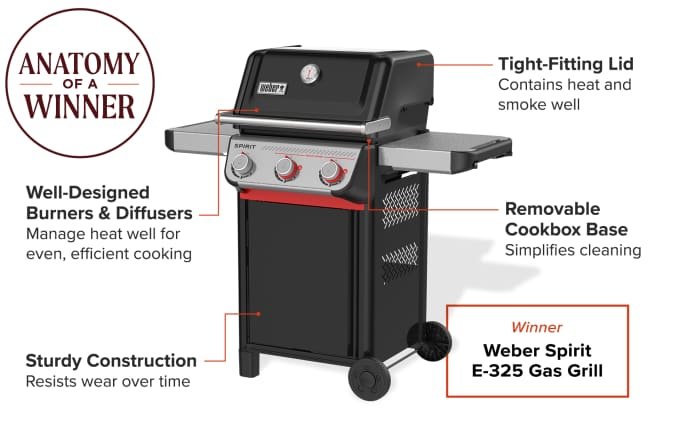
Durable grills use high-quality materials like stainless steel or cast iron. Stainless steel resists rust and lasts long outdoors. Cast iron holds heat well but needs care to avoid rust. Look for thick metal parts and solid welds. A sturdy frame prevents wobbling. Quality wheels and handles add convenience and strength.
Burner Types And Performance
Burners are the heart of a gas grill. Durable grills have stainless steel or brass burners. These materials resist corrosion and heat evenly. Multiple burners allow cooking at different temperatures. Check for easy ignition systems and adjustable flame control. Good burners provide steady heat for better grilling.
Cooking Surface And Size
The cooking surface must fit your needs and space. Larger surfaces let you cook more food at once. Porcelain-coated or stainless steel grates are easy to clean and last longer. Some grills include warming racks for extra space. Choose a size that matches your usual cooking style and storage area.
Heat Distribution And Control
Even heat matters for perfectly cooked food. Look for grills with heat diffusers or flavorizer bars. They spread heat evenly and reduce flare-ups. Adjustable heat controls help manage cooking temperature precisely. This feature prevents burning and undercooking. Good heat control makes grilling easier and more enjoyable.
:max_bytes(150000):strip_icc()/faw-weber-spirit-ep-425-gas-grill-rkilgore-0297-68f5f2a139fc4595a540b4614ace23f9.jpeg)
Credit: www.foodandwine.com
Types Of Gas Grills To Consider
Choosing the right type of gas grill can make a big difference in how often you use it and how long it lasts. Different grills suit different needs, spaces, and cooking styles. Understanding your options helps you pick a grill that fits your lifestyle and delivers consistent performance.
Portable Vs. Built-in Grills
Portable grills are perfect if you like to take your cooking on the road or have limited space. They are lighter, easier to move, and often more affordable. However, built-in grills offer a permanent, sturdy setup that can withstand harsh weather better and add value to your outdoor kitchen.
Think about how often you’ll move your grill. Do you host backyard parties or go camping? Your answer will guide your choice between portability and permanence.
Infrared Vs. Conventional Grills
Infrared grills use intense heat to cook food quickly and seal in juices. They are great for searing steaks and locking in flavor. Conventional grills, on the other hand, use direct flame and provide more control over cooking temperature, which is ideal for slow cooking and smoking.
Consider what type of food you grill most. Do you prefer fast searing or slow, even cooking? This choice affects your grilling experience and meal results.
Propane Vs. Natural Gas Options
Propane grills offer flexibility since you can use them anywhere with a propane tank. They heat up fast and are easy to set up for outdoor events. Natural gas grills connect to your home’s gas line, offering a constant fuel supply and saving money over time.
Ask yourself if you want convenience or long-term cost savings. If your grill stays in one spot, natural gas may be the better choice. For occasional use or mobility, propane works well.
Essential Durability Indicators
Choosing a gas grill that lasts means looking beyond just style and price. You want features that prove your grill can stand up to regular use and varying weather conditions. These essential durability indicators help you spot a grill built to perform season after season without falling apart.
Rust Resistance And Coatings
Rust can ruin your grill quickly, especially if you live in a humid or coastal area. Look for grills made with stainless steel or coated with durable finishes like powder coating or porcelain enamel. These materials protect against corrosion and keep your grill looking new longer.
Ask yourself: How often will I leave my grill outside? If you plan on leaving it exposed, a grill with strong rust resistance is non-negotiable. Avoid bare metal surfaces—they invite rust and shorten your grill’s lifespan.
Quality Of Welding And Assembly
The strength of a grill often lies in how well it’s put together. Check the welds—are they smooth and consistent, or do they look rushed and uneven? Solid welding means the parts won’t wobble or come apart under heavy use.
During assembly, tight fittings and well-aligned parts also indicate quality. A grill that feels sturdy and doesn’t shake when you press on it is a good sign you’re investing in a durable product.
Warranty And Brand Reputation
A strong warranty shows the manufacturer trusts their product to last. Look for grills offering at least a 5-year warranty on key components like burners and cooking grates. Longer warranties often reflect better durability standards.
Your grill’s brand reputation matters too. Brands with positive reviews and a history of reliable products usually back up their grills with solid customer support. Have you checked what current owners say about the grill’s lifespan?

Credit: www.familyhandyman.com
Maintenance Tips For Longevity
Keeping your gas grill in top shape takes more than just occasional use. Regular maintenance extends its life and keeps every cookout flawless. You’ll save money and avoid frustrating breakdowns by caring for your grill properly.
Cleaning And Seasoning Grates
Cleaning your grill grates after each use prevents food buildup and rust. Use a sturdy wire brush to scrape off residue while the grates are still warm. This simple step keeps your grill cooking evenly and tasting great.
Seasoning cast iron grates with a thin layer of vegetable oil creates a protective barrier. Apply oil after cleaning, then heat the grill for about 15 minutes. This practice stops rust and improves the non-stick surface, making your grilling easier.
Protecting Against Weather Damage
Outdoor grills face harsh weather that can cause rust and wear. Cover your grill with a weatherproof grill cover after each use to shield it from rain, snow, and sun. Even a cheap cover is better than none.
If you live in a wet climate, consider moving your grill under a patio or into a garage during winter. Moisture is the biggest enemy of durability, so limiting exposure will save you from costly repairs.
Regular Inspection And Repairs
Check your grill’s parts regularly, including burners, hoses, and ignition systems. Look for cracks, rust spots, or gas leaks. Spotting problems early lets you fix them before they turn into expensive issues.
Replacing a worn-out burner or tightening loose screws can make a big difference in performance. Don’t ignore strange smells or uneven flames—these are signs your grill needs attention. How often have you skipped this step and paid for it later?
Budgeting For Long-lasting Quality
Budgeting for a gas grill that lasts means thinking beyond the sticker price. A durable grill saves you money and hassle over time, but it requires smart choices upfront. Balancing your budget while targeting quality helps you avoid frequent replacements and repairs.
Balancing Cost And Durability
Durability often comes with a higher price tag, but that doesn’t mean you should overspend. Look for grills made from stainless steel or cast iron, as these materials resist rust and wear better than cheaper metals.
Ask yourself: how often will you grill, and in what conditions? A grill used weekly needs stronger construction than one used occasionally. Sometimes spending a bit more now means fewer problems later.
Check warranties carefully. A longer warranty can indicate the manufacturer’s confidence in their product’s durability. It’s like a safety net for your investment.
Value-added Features Worth Investing In
Some features can extend the life and enjoyment of your grill. For example, sealed burners prevent flare-ups and protect internal parts from grease damage.
Features such as removable drip trays make cleaning easier, reducing buildup that can cause corrosion. Also, consider grills with high-quality ignition systems—they avoid the frustration of a grill that won’t start.
Extra accessories like side burners or storage cabinets may seem like added costs but can improve your grilling experience and keep your setup organized. Is having these conveniences worth the extra spend for your lifestyle?

Credit: www.americastestkitchen.com
Top Brands Known For Durability
Choosing a gas grill can be challenging with so many options. Durability is crucial for a grill to last through seasons of use. Some brands are renowned for creating grills that withstand the test of time. Below, we explore top brands known for their durable gas grills.
Premium High-end Options
High-end brands offer exceptional durability and performance. Weber is a popular choice for its sturdy construction and reliable performance. Its grills are made from high-quality materials that resist rust and wear. Another premium brand is Napoleon. Known for innovative designs, Napoleon grills offer both style and longevity. Their stainless steel construction ensures long-lasting use.
Reliable Mid-range Choices
For those seeking a balance between cost and quality, mid-range brands provide excellent options. Dyna-Glo offers durable grills at reasonable prices. These grills feature heavy-duty burners and solid construction. Broil King is another mid-range brand known for quality. Their grills are built to last with robust materials and reliable components.
Affordable Durable Picks
Budget-friendly options don’t always compromise on durability. Char-Griller provides affordable grills that are built to endure. Their designs include sturdy frames and weather-resistant materials. Additionally, Cuisinart offers compact and durable grills that are perfect for small spaces. They focus on practicality and longevity at a lower cost.
Frequently Asked Questions
What Materials Make A Gas Grill More Durable?
Stainless steel and cast iron are top durable materials. They resist rust, corrosion, and heat damage effectively. Choosing grills with these materials ensures longevity and consistent performance for outdoor cooking.
How Important Is Burner Quality In A Gas Grill?
Burner quality is crucial for even heat distribution and durability. High-quality burners made from stainless steel or brass last longer and prevent flare-ups. They ensure efficient grilling and reduce maintenance needs.
Does Grill Size Affect Durability And Performance?
Grill size impacts cooking capacity but not durability directly. Larger grills may have more components to maintain. Choose a size that fits your cooking needs and space without compromising build quality.
How To Maintain A Gas Grill For Longer Life?
Regular cleaning and covering protect your grill from rust and damage. Check burners and connections frequently for wear. Proper maintenance extends durability and keeps your grill performing optimally.
Conclusion
Choosing a durable gas grill means enjoying many great meals outdoors. Focus on quality materials and sturdy design. Check for strong burners and easy cleaning features. Think about size and extra functions you need. A good grill lasts years and cooks well every time.
Take your time to pick one that fits your space and budget. A smart choice brings fun and flavor to your backyard. Now, you are ready to find the perfect grill for your next cookout.
