
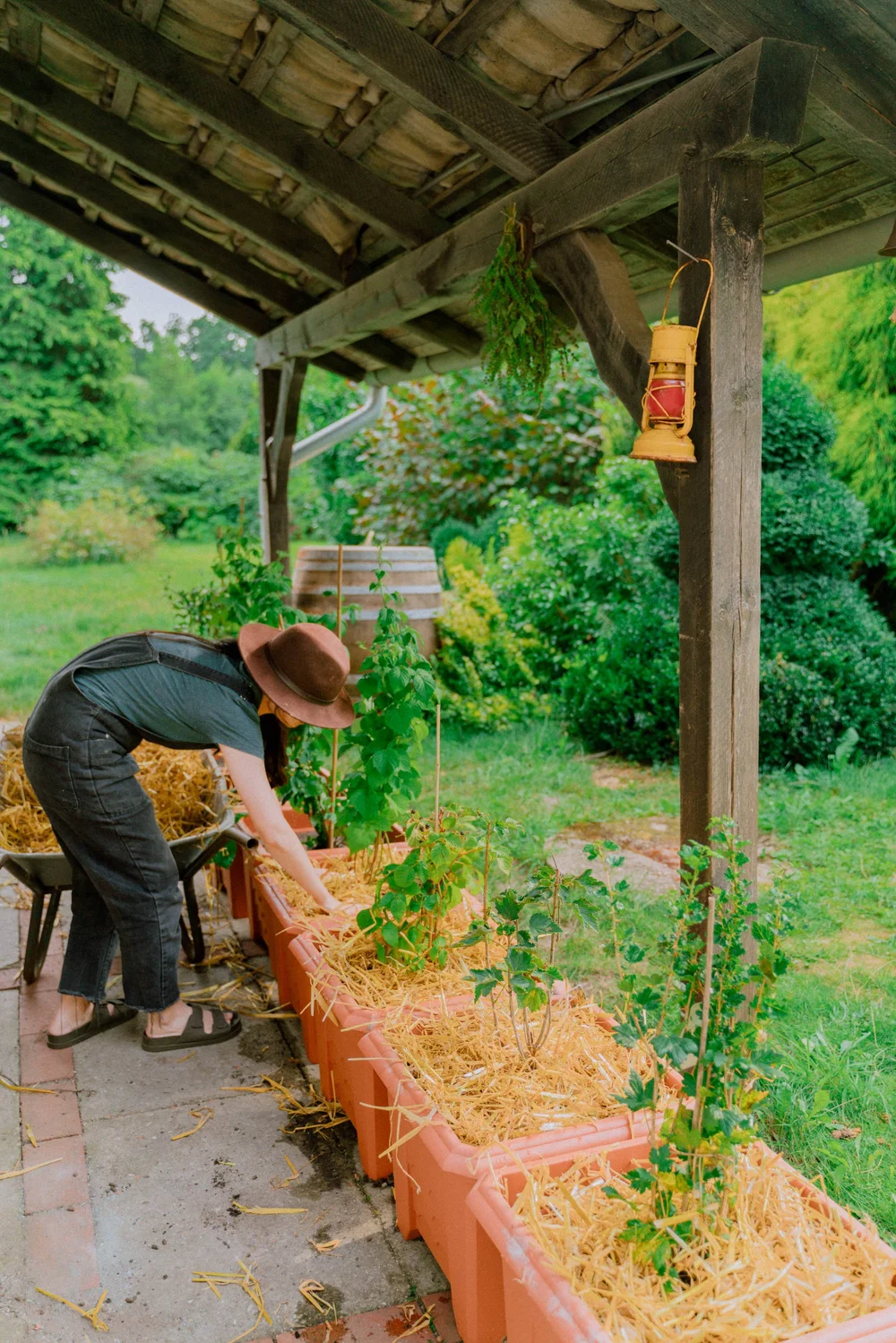
Are you ready to enjoy fresh, juicy berries right from your own garden? Planting berries in raised beds is one of the easiest and most rewarding ways to grow your favorite fruits.
Whether you have limited space or want to improve your soil quality, raised beds give your berries the perfect environment to thrive. In this guide, you’ll discover simple steps to get started, tips to keep your plants healthy, and secrets to harvest more berries than you ever thought possible.
Keep reading, and you’ll soon be biting into sweet, homegrown berries that you grew yourself!
Choosing The Right Berries
Choosing the right berries for raised beds is key to a healthy garden. Different berries need different care and space. Some grow well in small areas. Others need more sunlight or special soil. Picking the right type helps your plants thrive. It also makes harvesting easier and more rewarding.
Best Varieties For Raised Beds
Raised beds suit many berry types. Strawberries are a top pick. They need little space and produce fruit quickly. Raspberries grow well too, but they need support. Blueberries like acidic soil and good drainage. Blackberries can spread fast, so control is important.
- Strawberries: compact, fast fruit, easy to care for
- Raspberries: need stakes, high yield, sweet berries
- Blueberries: require acidic soil, need mulch
- Blackberries: vigorous growth, needs space and pruning
Considering Climate And Soil
Climate affects berry growth strongly. Some berries like cool weather. Others prefer warmth and sun. Soil type also matters. Raised beds often have loose, well-drained soil. Berries need this to avoid root rot. Test soil pH before planting. Blueberries need acidic soil (pH 4.5 to 5.5). Strawberries and raspberries do well in neutral to slightly acidic soil (pH 6.0 to 6.5).
- Know your local climate zone
- Choose berries that match your weather
- Test soil pH and adjust if needed
- Ensure soil drains well to prevent waterlogging

Credit: www.epicgardening.com
Preparing The Raised Bed
Preparing the raised bed correctly sets the stage for a thriving berry garden. This process involves thoughtful decisions about where to place your bed, improving the soil, and making sure water drains well. Each step plays a crucial role in helping your berries grow strong and healthy.
Selecting The Location
Pick a spot that gets at least 6 to 8 hours of sunlight daily. Berries need plenty of light to produce sweet, juicy fruits. Avoid areas near large trees or bushes where roots could compete for nutrients and water.
Think about how easy it will be to access the bed for watering and harvesting. Placing your raised bed near a water source can save you time and effort. Also, consider wind protection—berries don’t like strong winds that can damage their delicate branches.
Soil Preparation And Amendments
Good soil is the foundation of successful berry planting. Start by loosening the soil in your raised bed to a depth of about 12 inches. This helps roots spread easily and access nutrients.
Add organic matter like compost or well-rotted manure to improve soil fertility and texture. Berries prefer slightly acidic soil, so test your soil pH and add sulfur if it’s too alkaline. A pH between 5.5 and 6.5 is ideal for most berry plants.
Ensuring Proper Drainage
Waterlogged soil can kill your berry plants quickly. Make sure your raised bed has drainage holes or gaps at the bottom to allow excess water to escape. If your soil tends to stay wet, mix in coarse sand or small gravel to improve drainage.
Check drainage by watering the bed and observing how quickly water seeps through. If water pools on the surface, adjust the soil mix or raise the bed height. Well-drained soil keeps roots healthy and reduces the risk of diseases.
Planting Techniques
Planting berries in raised beds requires careful techniques to ensure healthy growth. Proper planting helps plants establish roots faster and produce more fruit. Focus on spacing, depth, and choosing the right planting material for best results.
Spacing And Depth Guidelines
Give each berry plant enough space to grow. Crowding causes poor air flow and disease risk. Use this spacing guide:
- Strawberries: 12-18 inches apart
- Raspberries: 18-24 inches apart
- Blueberries: 24-36 inches apart
Plant berries at the right depth. Too deep or shallow can harm roots. Plant crowns just above soil level. For seedlings, cover roots fully but avoid burying stems too deep.
Transplanting Seedlings
Handle seedlings gently to avoid root damage. Water seedlings before transplanting to reduce stress. Dig a hole wide enough for roots to spread naturally. Place seedling in the hole, spread roots, then cover with soil. Firm soil lightly to remove air pockets. Water well right after planting to settle soil.
Starting From Seeds Or Cuttings
Seeds need patience but can be rewarding. Start seeds indoors in seed trays or pots. Keep soil moist and warm until germination. Transplant seedlings after they grow several leaves.
Cuttings root faster than seeds. Take healthy cuttings from mature plants. Remove lower leaves and dip cut end in rooting hormone. Plant cuttings in moist soil or a growth medium. Cover with plastic to keep humidity high. Roots should develop within a few weeks.
Credit: www.gardeningknowhow.com
Watering And Mulching
Watering and mulching keep berry plants healthy in raised beds. Water deeply to reach the roots effectively. Apply mulch to retain moisture and control weeds.
Planting berries in raised beds is a rewarding experience, but to ensure a bountiful harvest, proper watering and mulching are crucial. Both practices play a significant role in maintaining soil health, regulating temperature, and conserving moisture. Without a doubt, these elements can make or break your berry-growing endeavor.Irrigation Best Practices
Watering your berry plants properly is more than just turning on a hose. It requires timing and precision. Early morning is the best time to water, allowing plants to absorb moisture before the midday sun evaporates it. Consider using a drip irrigation system. It delivers water directly to the roots, minimizing waste and ensuring consistent moisture levels. If you’re hand-watering, aim for the base of the plant to avoid wetting the leaves, which can lead to disease. Don’t forget to adjust your watering schedule based on weather conditions. More frequent watering might be necessary during hot, dry spells, while rainy days might mean you can skip a session.Types Of Mulch To Use
Choosing the right mulch for your berry beds can significantly impact their growth. Organic mulches like straw, pine needles, or shredded leaves are excellent options. They decompose over time, enriching the soil with nutrients. Straw is a popular choice for strawberries as it keeps the fruit clean and prevents weed growth. Pine needles work well for blueberries, contributing to the acidic soil conditions they thrive in. Avoid using fresh wood chips directly on the soil. They can rob nitrogen from the soil as they break down. Instead, let wood chips age for a year before applying them as mulch. By focusing on strategic watering and the right mulch, you set the stage for thriving berry plants. What’s your go-to method for keeping your raised beds hydrated and protected?Fertilizing Berries
Fertilizing your berry plants in raised beds is key to getting juicy, flavorful fruit. Proper nutrition helps plants grow strong roots, produce abundant flowers, and resist pests. Knowing what kind of fertilizer to use and when to apply it can make a big difference in your berry harvest.
Choosing Fertilizers
Pick a fertilizer that matches the needs of your berry variety. Most berries prefer a balanced fertilizer with equal parts nitrogen, phosphorus, and potassium, such as a 10-10-10 formula. Organic options like compost, well-rotted manure, or fish emulsion also work well and improve soil health over time.
Pay attention to labels and avoid fertilizers high in nitrogen alone, as they may promote leafy growth at the expense of fruit. If you’re growing blueberries, acidic fertilizers designed for acid-loving plants are a better choice. Have you tested your soil recently? A simple soil test can guide you to the right fertilizer mix.
Timing And Frequency
Apply fertilizer early in the growing season to support new growth. Feeding your berries just as buds begin to swell is ideal. Avoid late-season fertilization since it can encourage soft growth that freezes in colder climates.
For maintenance, a second feeding about six weeks later can boost fruit size and yield. Use a gentle hand—over-fertilizing can harm roots and reduce berry quality. Think about your berry patch’s growth rate and adjust feeding accordingly. How often do you check the plants for signs of nutrient deficiency?
Pest And Disease Control
Protecting your berry plants from pests and diseases is vital for a healthy harvest. Raised beds offer good drainage and soil control but do not prevent pests or diseases entirely. Regular monitoring helps spot problems early. Prompt action stops damage and keeps plants strong.
Use both natural and safe chemical methods carefully. Balanced care supports plant health and reduces pest risks. Understanding common pests and treatments helps maintain your raised bed garden effectively.
Common Pests In Raised Beds
- Aphids: Small insects that suck plant juices, causing leaves to curl.
- Spider Mites: Tiny pests that create webbing and damage leaves.
- Slugs and Snails: Feed on leaves and fruits, leaving holes.
- Japanese Beetles: Eat leaves, flowers, and fruit, damaging plants quickly.
- Fruit Flies: Lay eggs in ripe berries, leading to fruit decay.
- Thrips: Tiny insects that cause silver streaks on leaves and fruits.
Organic And Chemical Treatments
- Neem Oil: A natural spray that repels many insect pests effectively.
- Insecticidal Soap: Safe for plants, kills soft-bodied pests like aphids.
- Handpicking: Removing slugs, beetles, and larger pests manually.
- Companion Planting: Growing herbs like basil or garlic to repel insects.
- Sticky Traps: Catch flying pests such as fruit flies and thrips.
- Chemical Pesticides: Use only as a last resort and follow instructions exactly.
- Fungicides: Apply to prevent fungal diseases common in moist raised beds.
Pruning And Maintenance
Pruning and maintenance keep berry plants healthy and productive. Proper care helps plants grow strong and produce more fruit. It also prevents diseases and controls plant size. Regular attention makes berry bushes easier to manage in raised beds.
When And How To Prune
Prune berry plants during their dormant season, usually late winter or early spring. Remove dead or damaged canes to improve air flow. Cut back old canes that have already fruited to encourage new growth. Use clean, sharp tools to make precise cuts.
- Cut canes close to the soil surface for clear growth.
- Thin crowded branches to avoid shading.
- Keep strong, healthy canes spaced evenly.
- Remove weak or thin shoots to focus energy.
Supporting Growth With Trellises
Trellises help keep berry plants upright and tidy. They improve sun exposure and air circulation. Use strong, sturdy materials like wood or metal. Train canes to grow along the trellis using soft ties or clips.
- Place trellises before plants grow tall.
- Secure canes gently to avoid damage.
- Space ties to allow cane movement.
- Regularly check and adjust ties as plants grow.

Credit: www.her86m2.com
Harvesting Tips
Harvesting your berries at the right time and in the right way can make a huge difference in taste and plant health. Knowing how to spot ripe berries and pick them carefully ensures you enjoy the freshest fruit and keep your raised bed thriving. Let’s dive into key tips that will help you get the most from your berry patch.
Signs Of Ripeness
Ripe berries usually have a deep, rich color that matches their variety—whether it’s bright red, deep purple, or glossy black. They should feel slightly soft but not mushy when you gently squeeze them. A ripe berry often detaches easily from the stem with a light tug.
Look closely for berries that are fully colored all over; partial coloring means they need more time. If you pick too early, the berries may taste sour or lack sweetness. Have you noticed how some berries seem reluctant to come off? That’s a sign they’re not ready yet.
Proper Picking Techniques
Handle berries gently to avoid crushing them. Use your thumb and forefinger to pinch the berry along with its stem, pulling it off with a slight twist. Avoid yanking or pulling hard, which can damage the plant and reduce future harvests.
Pick berries into a shallow container to prevent squishing the fruit at the bottom. Don’t pile them too high. If you’re harvesting multiple times a week, you’ll keep your berries fresh and encourage the plant to keep producing.
Have you tried tasting a berry right after picking? It’s a simple way to check if your timing is spot on. Keeping your picking routine consistent helps you learn your berries’ perfect harvest window.
Extending The Growing Season
Extending the growing season helps you enjoy fresh berries longer. Raised beds warm up faster in spring and hold heat well. This gives plants a head start and more time to grow strong. Protecting berry plants from cold and frost keeps them healthy through early spring and late fall. Small changes create big differences in harvest times.
Using Covers And Greenhouses
Use covers like row cloth or plastic sheets to trap heat. These materials stop frost from damaging tender berry buds. Covers also reduce wind chill and keep soil warm. A simple greenhouse or cold frame around your raised bed adds extra protection. It creates a warm space that extends the growing period.
- Place covers over plants at night or during frost warnings.
- Ventilate greenhouses on warm days to avoid overheating.
- Use clear plastic to let sunlight through while keeping warmth in.
Winter Care For Raised Beds
Winter can be tough on raised beds and berry plants. Mulch helps by insulating roots against freezing temperatures. Use straw, leaves, or wood chips around plants. Remove any dead leaves to prevent disease. Water plants before the ground freezes to keep roots hydrated.
- Apply a thick mulch layer in late fall.
- Protect young plants with burlap or frost blankets.
- Check beds regularly for signs of damage or pests.
Frequently Asked Questions
What Soil Is Best For Planting Berries In Raised Beds?
Well-drained, fertile soil with high organic matter is best. Mix compost and peat moss for optimal growth. Maintain slightly acidic pH around 5. 5 to 6. 5 for most berries.
How Deep Should Raised Beds Be For Berry Plants?
Raised beds should be at least 12 to 18 inches deep. This depth allows roots to spread well and access nutrients. Deeper beds improve drainage and prevent root rot.
How Often Should I Water Berries In Raised Beds?
Water berries consistently, about 1-2 inches per week. Keep soil moist but not soggy to avoid root diseases. Adjust watering based on weather and soil moisture.
Can I Grow Different Berries Together In One Raised Bed?
Yes, but choose compatible varieties with similar soil and water needs. Space them properly to avoid overcrowding. Mixed planting can improve pollination and yield.
Conclusion
Planting berries in raised beds is simple and rewarding. Choose good soil and healthy plants. Water regularly but avoid overwatering. Keep the beds free of weeds. Watch your berries grow and enjoy fresh fruit. Raised beds help plants stay healthy and strong.
Your garden will thank you with sweet, tasty berries. Start small, and learn as you grow. Gardening brings joy and fresh food to your home. Give it a try—your raised bed berries will thrive.

