
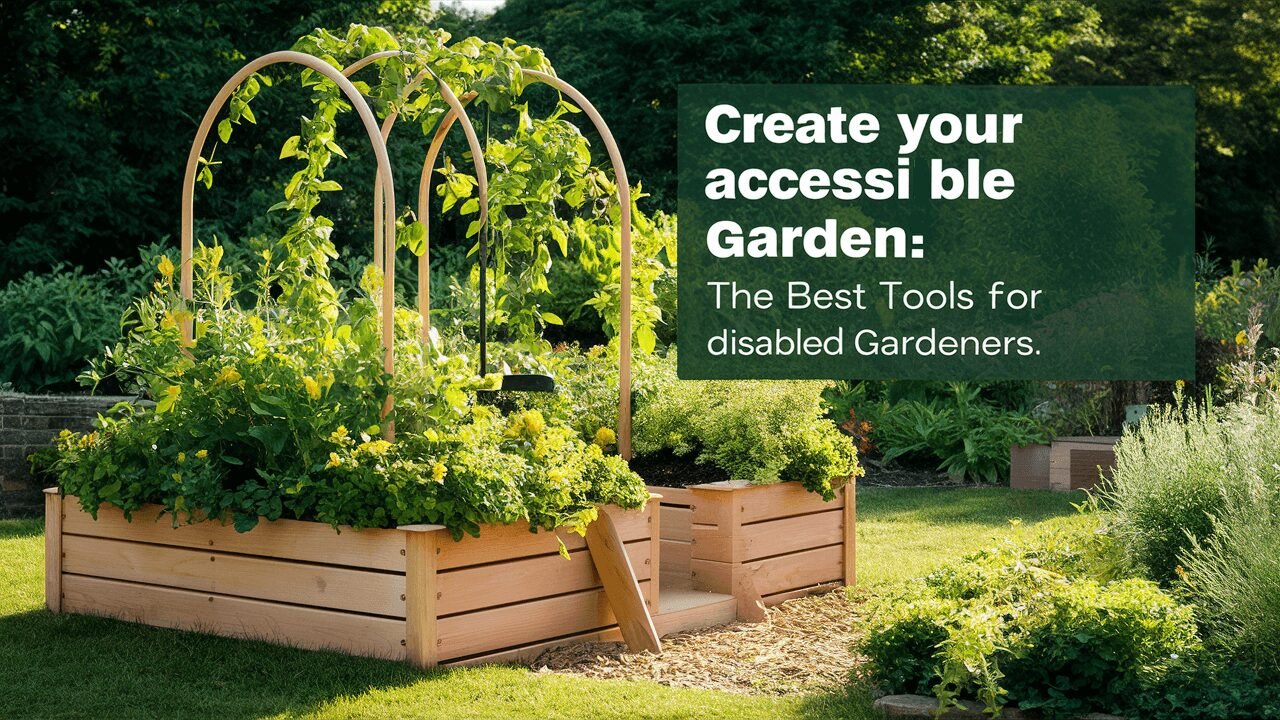
Imagine enjoying the beauty of a garden without bending over or struggling with hard soil. If you love the idea of growing your own plants but worry about pain or limited mobility, raised beds can change everything for you.
They bring the garden up to your level, making planting, watering, and harvesting easier and more comfortable. You’ll discover simple ways to make gardening accessible with raised beds—so you can enjoy the fresh air and greenery without the usual challenges.
Keep reading to find out how to create a garden that works perfectly for your needs.
Benefits Of Raised Beds
Raised beds offer several clear benefits that make gardening easier and more enjoyable. They let you control the growing environment, which can lead to healthier plants and better yields. Plus, raised beds can transform your gardening space into a more accessible area, especially if mobility or soil issues have held you back before.
Improved Soil Quality
With raised beds, you get to start with fresh, high-quality soil that you choose yourself. This means you can avoid poor native soil, rocks, or contaminants that might be in your yard. You can mix in compost and nutrients tailored to the plants you want to grow, giving them the best possible start.
I once helped a friend who struggled with heavy clay soil. After building a raised bed and filling it with well-draining, nutrient-rich soil, her garden flourished in just one season. Imagine what you could grow when you control your soil quality.
Better Drainage
Raised beds naturally improve drainage, preventing water from pooling around your plants’ roots. Excess water can cause root rot and other problems, so good drainage is key for healthy growth. If you’ve ever dealt with soggy soil or waterlogged plants, raised beds can solve that issue.
Even in rainy seasons, raised beds keep your plants happy by allowing water to flow out easily. You might find yourself watering less often because the soil doesn’t stay soaked for long periods.
Ease Of Access
One of the biggest advantages of raised beds is how easy they make gardening physically. You don’t have to bend down as far, which reduces strain on your back and knees. This accessibility makes gardening more enjoyable for everyone, especially older gardeners or those with limited mobility.
Think about how much more time you’d spend tending your plants if you weren’t uncomfortable or in pain. Raised beds bring your garden up to a comfortable height, encouraging you to interact with your plants more often. What could you grow if you had a garden that worked with your body, not against it?

Credit: urbangreenguide.com
Choosing The Right Location
Choosing the right location for raised garden beds is key to a successful gardening experience. The spot influences plant growth, ease of use, and overall enjoyment. This section covers sunlight needs, accessibility, and space planning for raised beds.
Sunlight Requirements
Most vegetables and flowers need at least six hours of sunlight daily. Choose a location that gets plenty of direct sun. Avoid shady spots near large trees or buildings. Morning sun is best for many plants. Observe the sun path in your garden to find the brightest area.
Accessibility Considerations
Raised beds should be easy to reach for all users. Paths around beds must be wide enough for wheelchairs or walkers. Make sure the height of the bed suits the gardener’s comfort. Consider placing beds near entrances or patios for easy access. Clear paths from obstacles and keep the area tidy.
Space Planning
Plan space carefully to fit your garden size and needs. Leave room between beds for walking and tool storage. Think about future expansion when choosing the spot. Use rectangular beds for efficient use of space. Keep beds close to a water source for easy watering.
Selecting Materials For Raised Beds
Choosing sturdy, lightweight materials like cedar or composite wood makes raised beds easy to handle and long-lasting. Smooth edges and safe finishes help prevent injuries, making gardening more comfortable and accessible for everyone.
Selecting materials for raised beds is a crucial step in gardening. The right materials can enhance durability and aesthetics. Different options suit various needs and preferences. From wood to recycled materials, each choice has its benefits.Wood Options
Wood is a popular choice for raised beds. It offers a natural look. Cedar and redwood are rot-resistant. These types of wood last longer outdoors. Pine is cheaper but decays faster. Untreated wood is safer for edible plants.Recycled Materials
Using recycled materials is eco-friendly. Old bricks and stones can form sturdy walls. Recycled plastic lumber is durable and low-maintenance. Pallets can also be repurposed for raised beds. Ensure pallets are safe for gardening use.Metal And Plastic Choices
Metal beds are strong and sleek. They resist pests and rot. Galvanized steel lasts longer than untreated metal. Plastic options are lightweight and easy to move. Choose UV-resistant plastic to prevent sun damage.Designing For Accessibility
Designing raised beds with accessibility in mind transforms your gardening space into a place where everyone can enjoy planting, tending, and harvesting. It’s about creating comfort and ease, so you spend more time connecting with your plants and less time struggling with physical barriers. Thoughtful design choices can make a huge difference in how accessible your garden feels.
Optimal Bed Height
Choosing the right height for your raised beds is crucial. A bed height between 24 and 30 inches works well for most people, allowing you to garden without bending over too much. If you have limited mobility or use a wheelchair, consider beds around 36 inches high to bring the plants within easy reach.
Remember, the goal is to reduce strain on your back and knees. What height feels comfortable for you might be different, so don’t hesitate to test a few options before building. Would you prefer standing or sitting while gardening? That answer guides your bed height choice.
Width For Easy Reach
The width of your raised bed affects how easily you can reach the center from the edges. A width of 3 to 4 feet is ideal for most gardeners—it allows you to access the plants without stepping into the bed. Wider beds can become inaccessible, especially for those with limited arm reach or mobility issues.
Consider your arm length and mobility when deciding the bed width. If you want to grow a variety of plants, you might design narrower beds arranged in parallel rows. How far can you comfortably reach across? This simple question helps prevent frustration down the road.
Incorporating Seating
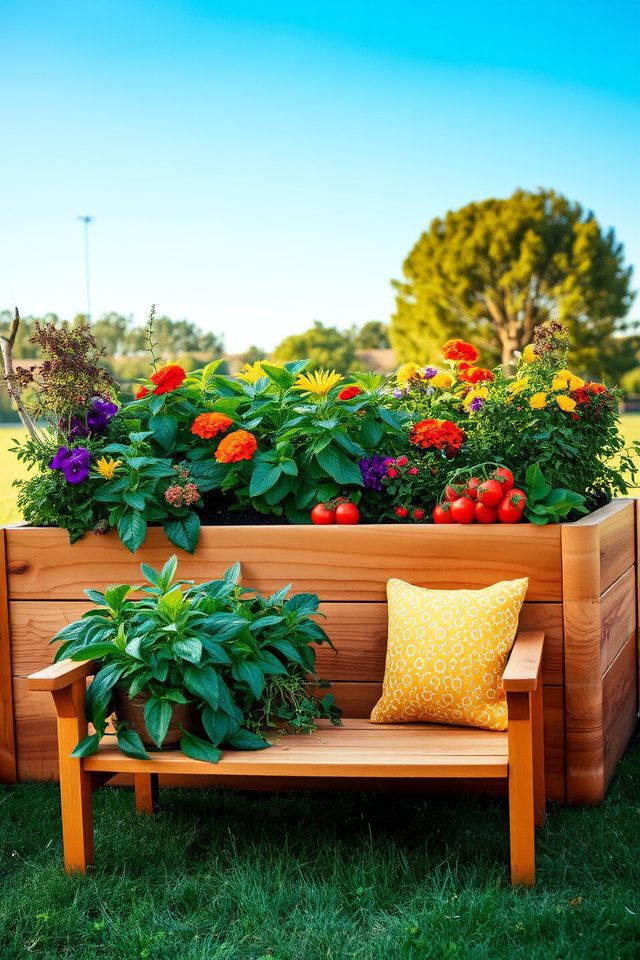
Adding seating near or integrated into your raised beds can be a game-changer. A built-in bench or a sturdy stool gives you a place to rest while gardening or to work at the right height. This reduces fatigue and keeps gardening enjoyable for longer periods.
Seating also encourages social interaction—imagine sharing tips with friends or family while comfortably seated. If space is limited, portable stools or foldable chairs can work just as well. What seating arrangement would make your gardening time more relaxing?
Soil Preparation And Planting Tips
Preparing soil in raised beds is key for a healthy garden. Good soil helps plants grow strong and stay healthy. Proper planting also saves time and effort, especially for those with limited mobility. Follow simple tips to create the best environment for your plants.
Choosing The Right Soil Mix
Use a light, well-draining soil mix for raised beds. Combine these ingredients for best results:
- Garden soil or topsoil
- Compost for nutrients
- Peat moss or coconut coir for moisture retention
- Perlite or vermiculite for aeration
This mix stays loose and allows roots to grow easily. Avoid heavy clay or compacted soil. Check soil pH to match the plants you want to grow.
Companion Planting
Planting certain plants together can improve growth and reduce pests. Try these combinations:
- Tomatoes with basil or marigolds
- Carrots with onions or leeks
- Cucumbers with radishes or beans
Companion plants support each other by improving soil or repelling bugs. This method helps maintain a healthy garden with less effort.
Watering Strategies
Water raised beds carefully to keep soil moist but not soggy. Use these tips:
- Water early in the morning or late in the evening
- Use drip irrigation or soaker hoses to reduce water waste
- Check soil moisture regularly by feeling the top inch
- Mulch around plants to keep moisture in the soil
Proper watering supports plant health and reduces the need for constant care.
Credit: www.greenwashingindex.com
Maintenance Made Simple
Raised beds make gardening easier and more enjoyable. They reduce bending and help keep plants organized. Maintenance becomes less of a chore. Simple steps keep your garden healthy and thriving all year.
Weeding Techniques
Raised beds limit weed growth by using fresh soil. Pull weeds when they are small to stop spreading. Mulch with straw or wood chips to block sunlight. Mulching keeps moisture in and weeds out. Use hand tools designed for raised beds to avoid soil disturbance.
Pest Control
Keep pests away by planting herbs and flowers that insects dislike. Check plants often for signs of bugs or damage. Remove pests by hand or use natural sprays made from soap or garlic. Encourage beneficial insects like ladybugs to live in your garden. Raised beds allow easy access for quick pest removal.
Seasonal Care
Change soil nutrients by adding compost or organic fertilizer each season. Cover beds with cloth or plastic to protect plants from frost. Rotate crops to prevent soil depletion and disease. Clean up dead plants and debris to avoid pests and mold. Raised beds simplify these tasks with clear borders and easy reach.
Additional Accessibility Features
Making gardening accessible goes beyond just raised beds. Adding thoughtful features can transform your garden into a space where everyone feels comfortable and independent. Small changes can make a big difference in how easily you or others can navigate and tend to the garden.
Pathways And Walkways
Wide, smooth pathways help you move around the garden without trouble. Choose materials like compacted gravel or paving stones that provide firm, even surfaces. Avoid loose mulch or uneven ground that can cause trips or slips.
Consider the width of your paths—at least 36 inches allows for wheelchair access or using a garden cart. Raised beds positioned close to these paths reduce the need for bending or stretching.
Tool Storage Solutions
Keep your tools within easy reach by installing wall-mounted racks or pegboards near your raised beds. This saves time and effort searching for what you need.
Opt for storage at a comfortable height so you don’t have to bend or stretch excessively. A small rolling cart can also help you carry tools and supplies as you move through the garden.
Adaptive Gardening Tools
Tools with ergonomic handles reduce strain on your hands and wrists. Look for long-handled tools that let you work while standing or sitting comfortably.
Special grips or lighter materials can make a big difference if you have limited strength. Have you tried using a garden tool with a swivel handle? It can make reaching tricky spots much easier.

Credit: littlesproutslearning.co
Frequently Asked Questions
What Are The Benefits Of Raised Garden Beds?
Raised beds improve soil drainage, reduce weeds, and boost plant growth. They make gardening easier on your back and knees. These beds also extend the growing season by warming the soil faster in spring. They are ideal for small spaces and accessible gardening.
How Do Raised Beds Make Gardening Accessible?
Raised beds bring soil to a comfortable height, reducing bending and kneeling. This design helps people with mobility issues or disabilities. Raised beds can be customized for wheelchair access. They create organized, manageable spaces for planting and harvesting.
What Materials Are Best For Raised Beds?
Cedar and redwood are popular for durability and natural resistance to rot. Composite and recycled plastics offer long-lasting, low-maintenance options. Avoid treated wood that may leach chemicals. Choose lightweight materials if mobility or easy assembly is important.
How High Should Raised Beds Be For Accessibility?
A height of 24 to 36 inches is ideal for most gardeners. This range supports comfortable use while sitting or standing. Adjustable beds or tiered designs can cater to individual needs. Ensure paths around beds are wide enough for wheelchairs or walkers.
Conclusion
Raised beds make gardening easier for many people. They reduce bending and kneeling, helping those with mobility issues. Soil stays loose and drains well in raised beds. This helps plants grow strong and healthy. You can place raised beds anywhere, even on hard surfaces.
They also keep weeds and pests under control. Start small and grow your garden step by step. Gardening becomes more fun and less tiring with raised beds. Give it a try and enjoy fresh plants at home. Accessible gardening is possible for everyone.

