
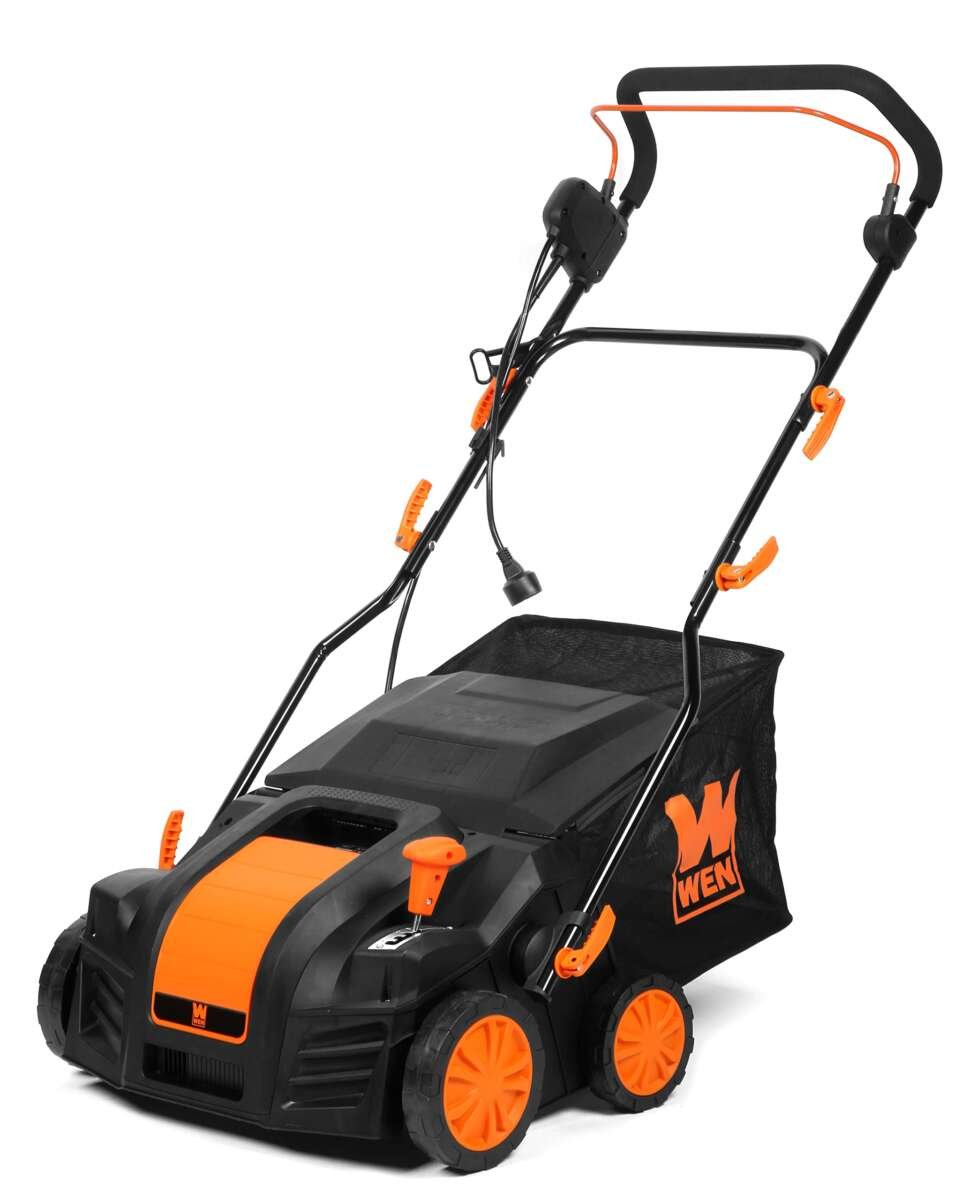
WEN DT1516 16
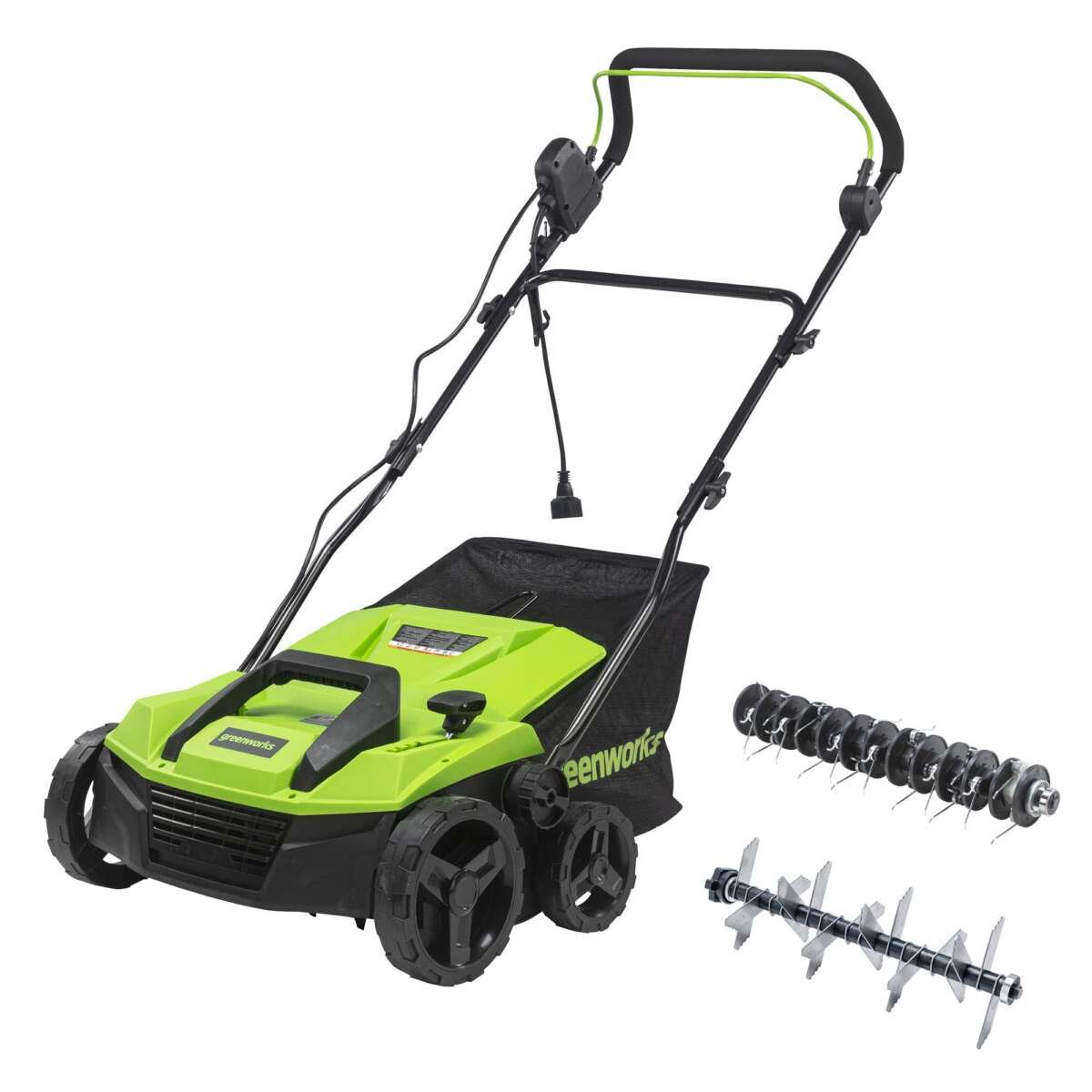
Greenworks 13 Amp 14
If you’ve ever stared at your lawn and thought, “Why does it look so thin and tired?”—you’re not alone. Thatch buildup, compacted soil, and poor grass health are common issues that can turn even the most cared-for yard into a patchy mess. That’s where dethatchers and scarifiers come in. These tools slice through dead grass, roots, and debris to let your lawn breathe, absorb nutrients, and grow thicker and greener.
Two popular electric models dominating the mid-range market are the WEN DT1516 16-Inch 15-Amp 2-in-1 Electric Dethatcher and Scarifier and the Greenworks 13 Amp 14-Inch Corded Dethatcher / Scarifier. Both promise powerful performance, dual functionality, and user-friendly designs—but which one truly delivers? In this head-to-head comparison, we’ll break down every detail: power, build quality, ease of use, value for money, and real-world performance based on customer feedback. Whether you’re maintaining a small suburban lawn or tackling a half-acre yard, this guide will help you pick the right tool for the job—without breaking the bank or your back.
In-Depth Look: WEN DT1516 16
The WEN DT1516 16 stands out as a powerhouse in the electric dethatcher category. With its robust 15-amp motor spinning up to 3,300 RPM, this machine delivers serious cutting force—perfect for lawns with thick thatch layers or compacted soil. The 16-inch working width means fewer passes over your yard, saving you time and effort, especially on larger properties.
One of its biggest strengths is the 5-position depth adjustment, ranging from a gentle +¼ inch (for light raking) all the way down to –½ inch for aggressive scarifying. This precision lets you tailor the intensity based on your lawn’s condition—something many competitors don’t offer. The included 20-blade scarifying head slices into the soil to improve aeration, while the 24-tine dethatching head aggressively pulls up dead grass and debris.
Another standout feature? The detachable thatch collection bag. If you hate raking up piles of clippings afterward, this is a game-changer. It captures most of the debris as you go, reducing cleanup time significantly. Plus, the automatic overload shutdown protects the motor if it gets jammed—a smart safety touch that extends the tool’s lifespan.
Of course, it’s not perfect. At around 48 pounds, the WEN DT1516 16 is noticeably heavier than its competitor, which can make maneuvering tiring over long sessions. And while the build feels solid, some users note that the plastic housing isn’t as rugged as metal alternatives—though for occasional home use, it’s more than sufficient.
Customer feedback highlights its effectiveness: “This thing chewed through years of thatch like it was nothing,” one reviewer wrote. Another praised its versatility: “I used the scarifier in spring and the dethatcher in fall—my lawn has never looked better.”
Best for: Homeowners with medium to large lawns (¼ acre or more), those dealing with heavy thatch buildup, or anyone who values precise depth control and built-in debris collection.
In-Depth Look: Greenworks 13 Amp 14
If ease of use and lightweight design are your top priorities, the Greenworks 13 Amp 14 might be your ideal match. Weighing just 30 pounds, it’s significantly lighter than the WEN model, making it perfect for seniors, smaller-framed users, or anyone who dreads lugging heavy equipment around the yard.
Powered by a 13-amp motor with a no-load speed of 3,200 RPM, it’s slightly less powerful than the WEN but still plenty capable for typical residential lawns. The 14-inch working width is narrower, so you’ll need more passes—but that also makes it more agile in tight spaces like around trees or garden beds.
The Greenworks shines in simplicity. Switching between the dethatcher and scarifier attachments is a breeze thanks to the quick-release system—no tools required. The three-position depth adjustment isn’t as granular as the WEN’s five settings, but it covers the essentials: shallow, medium, and deep. For most homeowners, that’s more than enough.
However, there’s a notable trade-off: no thatch collection bag is included. That means you’ll either need to rake up the debris afterward or let it lie and follow up with a mower/bagger combo. Some users don’t mind this—they appreciate the lower price and lighter weight—but others find the extra cleanup frustrating.
Durability-wise, Greenworks backs this model with a generous 3-year warranty, longer than WEN’s 2-year coverage. Reviews are generally positive, with many praising its value: “For the price, this dethatcher works amazingly well,” said one user. Another noted, “It’s so light, my wife can use it without any strain.”
That said, a few reviewers mentioned occasional motor issues under heavy load—especially during drought-stressed lawn recovery—so it may not be the best choice for extreme conditions.
Best for: Smaller yards, budget-conscious buyers, users who prioritize lightweight handling, or those who already have a lawn mower with bagging capability.
Head-to-Head Comparison
Performance & Power
The WEN DT1516 16 holds a clear edge here. Its 15-amp motor and wider 16-inch path mean faster, deeper work—ideal for tackling stubborn thatch or preparing soil for overseeding. The Greenworks 13 Amp 14 is competent but better suited for maintenance rather than heavy-duty renovation.
Ease of Use
Greenworks wins on weight and maneuverability. At 30 lbs versus 48 lbs, it’s far easier to push, lift, and store. The push-button start and tool-free attachment swap add to its user-friendly design. The WEN requires more physical effort but offers greater control with its finer depth adjustments.
Cleanup & Convenience
This is where the WEN pulls ahead. The included collection bag reduces post-job cleanup dramatically. The Greenworks forces you to manage debris separately—a minor hassle for some, a dealbreaker for others.
Value for Money
Both are competitively priced, but the Greenworks often comes in slightly cheaper—making it a better bargain if you don’t mind the lack of a bag. However, if you factor in the convenience of built-in collection and extra power, the WEN offers better long-term value for serious lawn care enthusiasts.
Durability & Support
Greenworks edges out with a 3-year warranty versus WEN’s 2 years. But the WEN’s overload protection adds a layer of motor safeguarding that may reduce long-term wear. Build materials are comparable—mostly durable plastic with metal cutting components.
Frequently Asked Questions
Q: Can I use these dethatchers on newly seeded lawns?
A: Not immediately. Wait until your grass is established (usually after 2–3 mowings). Using a dethatcher too early can damage young roots. For tips on lawn prep, check out our guide on tilling vs. no-till gardening for backyards.
Q: Do I really need both dethatching and scarifying?
A: Dethatching removes surface debris; scarifying cuts into the soil to improve air and water flow. For healthy lawns, both are beneficial—but if you’re on a budget, the WEN DT1516 16 gives you both in one machine.
Q: Will these work on slopes or uneven terrain?
A: Yes, but the heavier WEN DT1516 16 may be harder to control on steep hills. The lighter Greenworks 13 Amp 14 handles inclines more easily.
Q: How often should I dethatch my lawn?
A: Once a year is usually enough—early spring or fall for cool-season grasses, late spring for warm-season types. Over-dethatching can stress your lawn.
Q: Are replacement parts easy to find?
A: Both brands offer replacement blades and tines online. WEN’s parts are widely available on Amazon, while Greenworks sells through their official site and major retailers.
Q: Can I use a leaf blower instead of a dethatcher?
A: No—leaf blowers move debris but don’t remove thatch or aerate soil. For a true comparison of cleanup tools, see our leaf vacuum vs. leaf blower breakdown.
Final Verdict: Which One Should You Choose?
Choosing between the WEN DT1516 16 and Greenworks 13 Amp 14 ultimately comes down to your lawn size, physical ability, and how much cleanup you’re willing to do.
Go with the WEN DT1516 16 if you have a larger yard, deal with thick thatch, or want maximum control and convenience—including a built-in collection bag and precise depth settings. It’s the better investment for serious lawn care.
Pick the Greenworks 13 Amp 14 if you prioritize affordability, lightweight handling, and simplicity. It’s perfect for smaller yards, occasional use, or anyone who already owns a bagger mower.
Both are excellent tools that outperform hiring a professional—and save you hundreds in the long run. Ready to revive your lawn? Click below to grab yours today:

