
Are you tired of spending hours cleaning up fallen leaves in your yard? Choosing the right tool can make all the difference.
But should you go for a leaf vacuum or a leaf blower? Both promise to make your outdoor chores easier, but which one truly fits your needs? You’ll discover the key differences, pros, and cons of each. By the end, you’ll know exactly which one will save you time and effort, making your yard work feel less like a hassle and more like a breeze.
Keep reading—you’ll want to make the smartest choice for your home this season.
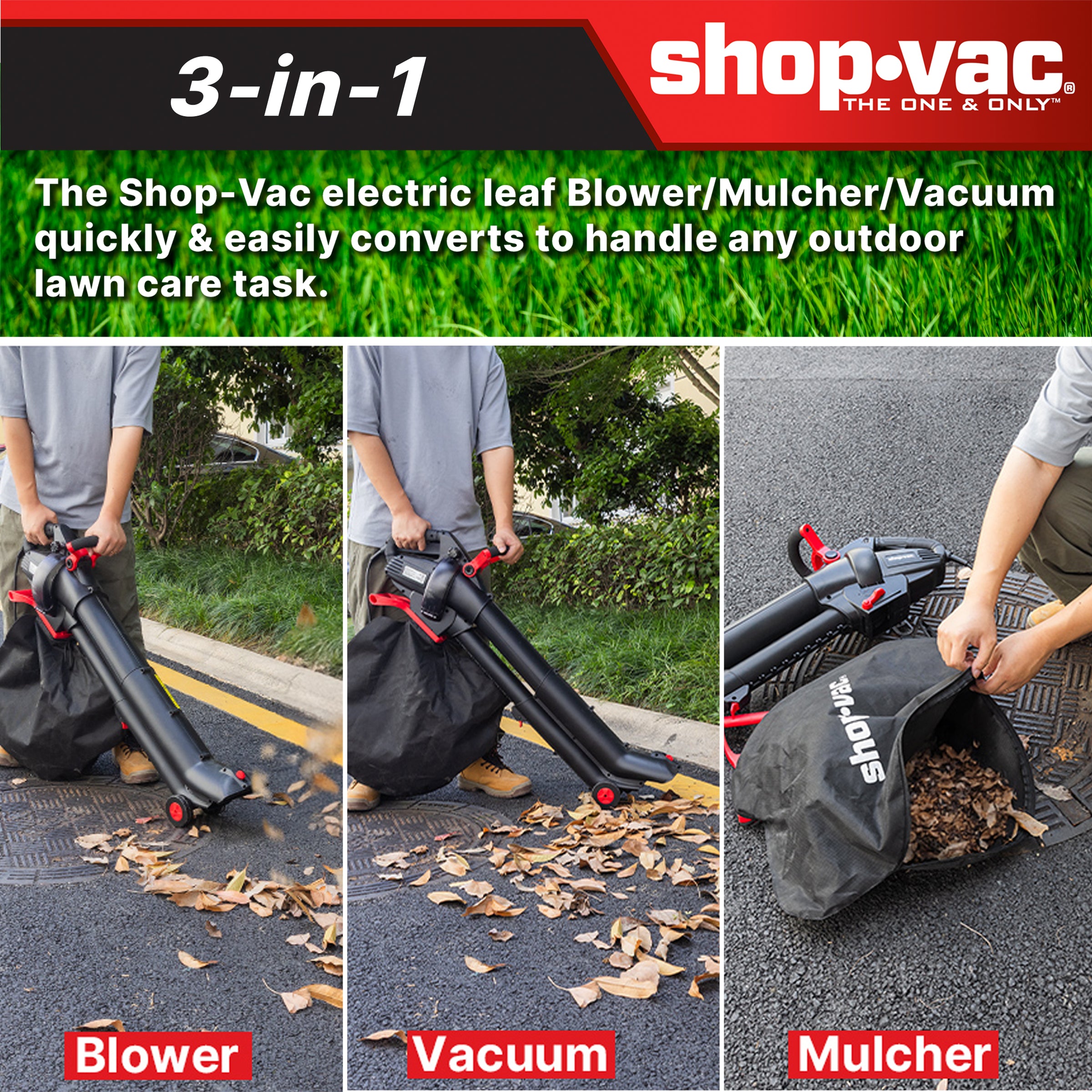
Credit: www.shopvac.com
Leaf Vacuum Basics
Leaf vacuums help clean yards by sucking up leaves. They collect leaves into a bag or container. This tool makes yard work easier and faster.
People use leaf vacuums to keep gardens and lawns tidy. They reduce the need to rake leaves by hand. Understanding how they work helps you choose the right one.
How Leaf Vacuums Work
Leaf vacuums use a motor to create suction. This pulls leaves and small debris into the vacuum. The leaves then go into a collection bag or bin for easy disposal.
Some leaf vacuums shred leaves inside the machine. Shredding reduces the volume, so more leaves fit in the bag. This also helps with composting later.
Types Of Leaf Vacuums
- Handheld leaf vacuums: Lightweight and easy to use for small yards.
- Backpack leaf vacuums: Worn on the back for better mobility and power.
- Walk-behind leaf vacuums: Larger machines for big areas and heavy leaf fall.
Each type fits different yard sizes and user needs. Choosing the right type depends on your yard and how often you clean.
Key Features To Consider
| Feature | Why It Matters |
|---|---|
| Suction Power | Stronger suction picks up leaves faster. |
| Bag Size | Bigger bags need less emptying. |
| Weight | Lighter models are easier to carry and use. |
| Shredding Ability | Shreds leaves to save space and aid composting. |
| Noise Level | Quieter machines are better for neighborhoods. |
Leaf Blower Essentials
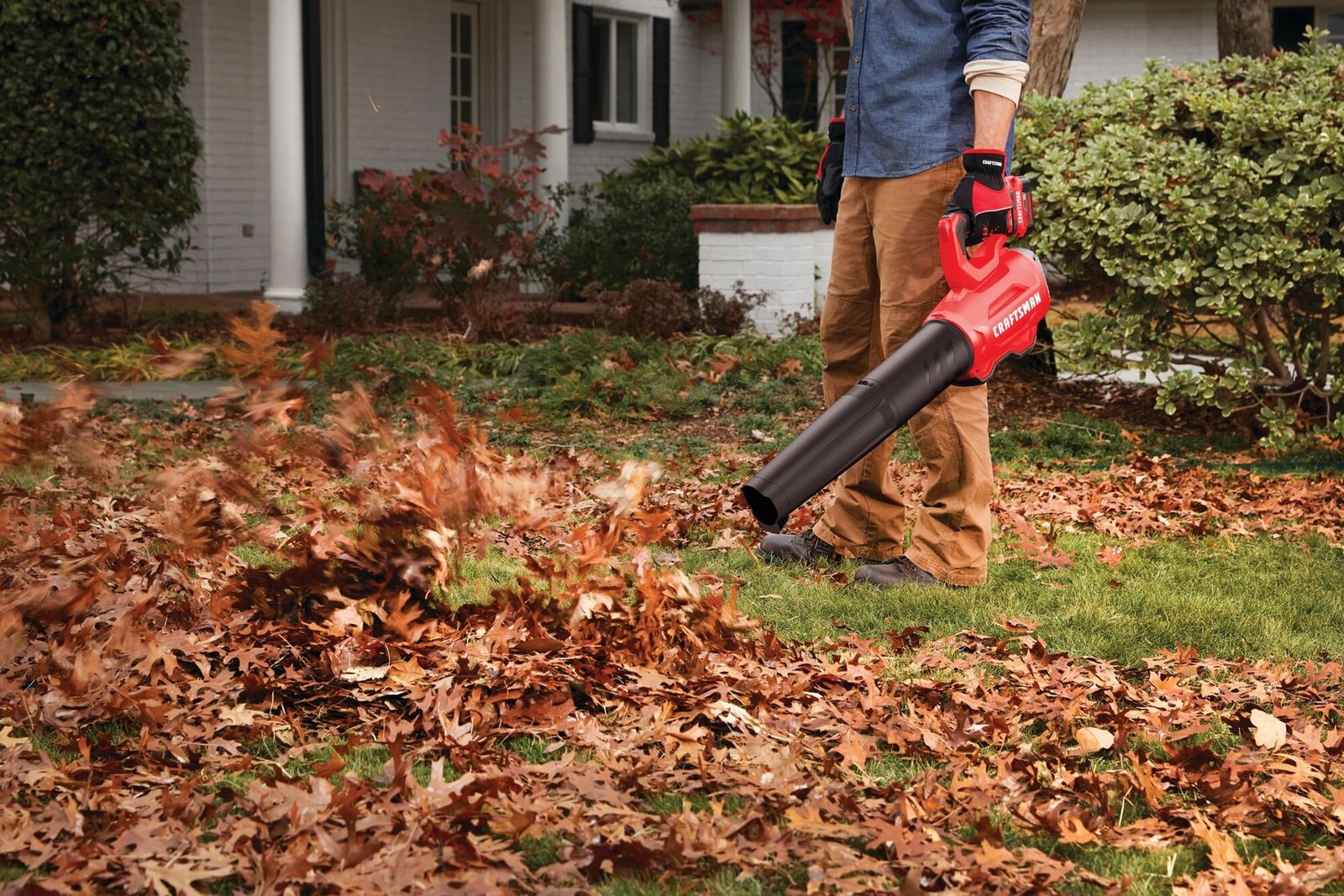
Leaf blowers are handy tools for clearing leaves and debris quickly. They help keep yards clean without much effort.
Understanding how leaf blowers work and their features helps you choose the right one for your needs.
How Leaf Blowers Operate
Leaf blowers use a powerful fan to push air out at high speed. This air moves leaves and light debris easily.
Most leaf blowers have a motor that spins the fan. The faster the fan spins, the stronger the airflow.
Varieties Of Leaf Blowers
There are three main types of leaf blowers: electric, battery-powered, and gas-powered.
- Electric leaf blowersplug into a power outlet. They are quiet and light but need a cord.
- Battery-powered leaf blowersuse rechargeable batteries. They are portable and easy to use.
- Gas-powered leaf blowersrun on fuel. They are powerful but heavier and louder.
Important Features To Look For
Look for features that make a leaf blower easier and safer to use. These improve your experience and results.
- Air speed and volume:Higher speeds clear leaves faster.
- Weight:Lighter blowers are easier to carry and use longer.
- Noise level:Quieter models reduce disturbance.
- Comfort grips:Help prevent hand fatigue during use.
- Variable speed control:Lets you adjust airflow for different tasks.
Performance Comparison
Leaf vacuums and leaf blowers both help clean yards. They have different strengths for different tasks. This guide compares their performance.
We look at how well they collect leaves, their power and noise, and how easy they are to use.
Efficiency In Leaf Collection
Leaf vacuums suck up leaves and mulch them inside a bag. Leaf blowers push leaves into piles for easier collection.
- Leaf vacuums collect leaves directly, reducing cleanup time.
- Leaf blowers work best for large, open areas and dry leaves.
- Vacuums can struggle with wet or heavy leaves.
- Blowers may leave small debris behind after use.
Power And Noise Levels
| Tool | Power Source | Typical Noise Level (dB) | Power Output |
| Leaf Vacuum | Electric or Gas | 65–75 dB | Moderate to High |
| Leaf Blower | Electric or Gas | 70–90 dB | High |
Leaf blowers are often louder and have more power. Leaf vacuums run quieter but may have less force.
Ease Of Use And Maneuverability
Leaf vacuums can be heavier because of bags and motors. Leaf blowers are usually lighter and easier to move.
- Leaf vacuums need emptying, which adds work.
- Leaf blowers allow quick movement over large areas.
- Both require care to avoid fatigue during long use.

Credit: thewoodlandgardener.com
Environmental Impact
Leaf vacuums and leaf blowers are common tools for yard cleaning. Each tool affects the environment in different ways.
Understanding these impacts helps make better choices for cleaner air and quieter neighborhoods.
Emissions And Pollution
Gas-powered leaf blowers release exhaust fumes that pollute the air. Leaf vacuums may also use gas engines, but some are electric and produce no direct emissions.
- Gas blowers emit carbon monoxide and hydrocarbons.
- Electric vacuums produce less air pollution.
- Battery-powered devices reduce fossil fuel use.
Energy Consumption
| Tool Type | Energy Source | Energy Use (per hour) |
| Gas Leaf Blower | Gasoline | 0.5 – 1 gallon |
| Gas Leaf Vacuum | Gasoline | 0.4 – 0.8 gallon |
| Electric Leaf Blower | Electricity | 500 – 1000 watts |
| Electric Leaf Vacuum | Electricity | 400 – 900 watts |
Electric models tend to use energy more efficiently than gas models. They also reduce fuel consumption and pollution.
Noise Pollution
Leaf blowers are usually louder than leaf vacuums. High noise levels can disturb people and wildlife.
Typical noise levels (in decibels):
- Gas Leaf Blower: 90 – 110 dB
- Electric Leaf Blower: 65 – 85 dB
- Gas Leaf Vacuum: 75 – 95 dB
- Electric Leaf Vacuum: 60 – 80 dB
Maintenance And Durability
Leaf vacuums and leaf blowers need care to work well for a long time. Proper maintenance keeps them running smoothly. Durability depends on how you use and care for each tool.
This section covers cleaning tips, common repairs, and how long you can expect each tool to last.
Cleaning And Upkeep
Both leaf vacuums and blowers need regular cleaning. Remove dirt and debris after each use. Check air filters and clean or replace them as needed. Empty leaf vacuum bags or containers often to avoid clogging.
- Wipe down the exterior to remove dust
- Clean fan blades and intake areas
- Check fuel or battery compartments for leaks
- Lubricate moving parts if the manual suggests it
Common Repairs
Leaf vacuums and blowers share some repair needs. Replace worn belts or spark plugs for gas models. Electric models may need new batteries or motor brushes. Blades and impellers can get damaged and need replacement.
| Issue | Leaf Vacuum | Leaf Blower |
| Clogged intake | Clean bag and tubes | Clear air vents |
| Engine won’t start | Check spark plug and fuel | Check spark plug and fuel |
| Battery not charging | Replace battery | Replace battery |
| Damaged fan blades | Replace fan or impeller | Replace fan or impeller |
Lifespan Expectations
Both tools last longer with proper care. Gas models usually last 5 to 7 years. Electric models can last 3 to 5 years depending on battery health. Frequent use and poor upkeep shorten their life.
Tips to extend lifespan:
- Store tools in dry places
- Do scheduled maintenance
- Use the right fuel or batteries
- Avoid overworking the tool
Cost And Value
Deciding between a leaf vacuum and a leaf blower depends on cost and value. Each offers unique benefits for yard maintenance.
Let’s explore the financial aspects to consider when choosing the right tool for your needs.
Initial Purchase Price
The initial cost of leaf vacuums and leaf blowers can vary widely. Understanding the price range is essential for making a smart choice.
| Tool Type | Price Range |
| Leaf Vacuum | $50 – $400 |
| Leaf Blower | $30 – $500 |
Operating Costs
Operating costs include fuel, electricity, and maintenance. These costs affect the overall value of each tool.
- Leaf Vacuums: May require more maintenance and electricity.
- Leaf Blowers: Often need fuel if gas-powered, or electricity if electric.
Long-term Investment
Consider how the tool will serve you over time. Long-term investment involves durability and potential resale value.
Both leaf vacuums and blowers can last for years if well-maintained. Compare warranties and customer reviews for long-term satisfaction.
Best Uses And Scenarios
Leaf vacuums and leaf blowers are essential tools for garden maintenance. Each tool serves specific needs and conditions.
Understanding the best uses of each will help you choose the right tool for your yard work.
Ideal Conditions For Leaf Vacuums
Leaf vacuums work best in dry conditions where leaves are light and easy to collect.
- Perfect for small yards with limited space.
- Effective in removing leaves from tight corners.
- Reduces leaf volume by shredding them.
When To Choose Leaf Blowers
Leaf blowers are powerful and ideal for larger areas. They efficiently move large piles of leaves.
Combining Both Tools
Using both leaf vacuums and blowers can maximize efficiency in yard cleanup.
| Scenario | Recommended Tool |
| Small, dry yard | Leaf Vacuum |
| Large, leafy area | Leaf Blower |
| Mixed conditions | Both Tools |
Credit: tendsupplies.com
Frequently Asked Questions
What Is The Main Difference Between Leaf Vacuum And Blower?
A leaf vacuum sucks up leaves for easy disposal. A leaf blower pushes leaves away to clear areas quickly. Both help in yard cleanup but serve different functions.
Which Is Better For Large Leaf Piles, Vacuum Or Blower?
A leaf blower is better for large piles as it moves leaves faster. Leaf vacuums are slower but collect leaves directly, ideal for smaller areas.
Can Leaf Vacuums Mulch Leaves Effectively?
Yes, many leaf vacuums mulch leaves while collecting them. Mulching reduces leaf volume, making disposal easier and providing nutrient-rich mulch for gardens.
Are Leaf Blowers Noisier Than Leaf Vacuums?
Generally, leaf blowers are louder than leaf vacuums. Vacuum motors often run at lower noise levels, making them better for noise-sensitive areas.
Conclusion
Choosing between a leaf vacuum and a leaf blower depends on your needs. Leaf vacuums collect leaves, making cleanup easier. Leaf blowers move leaves quickly from large areas. Both tools save time and effort outdoors. Think about your yard size and leaf volume.
Each tool offers a different way to keep your space clean. Use the one that fits your routine best. Clean yards make outdoor time more enjoyable. Simple tools, simple results.

