
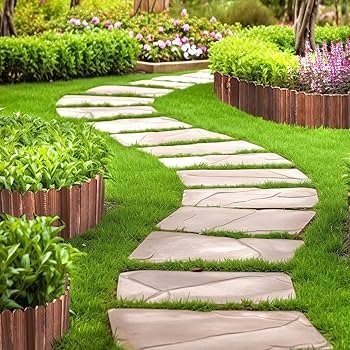
Are you looking to give your garden a neat and polished look? Wood edging might be exactly what you need.
It’s a simple way to create clear boundaries between your lawn, flower beds, and pathways. Imagine stepping into your garden and seeing perfectly defined spaces that make your plants stand out even more. Wood edging not only adds beauty but also helps keep weeds and grass from creeping into your garden beds.
If you want your outdoor space to look organized and inviting, keep reading to discover how wood edging can transform your garden with ease.

Credit: www.amazon.ca
Benefits Of Wood Edging
Wood edging is a popular choice for garden borders. It offers many benefits that help keep gardens neat and healthy.
This simple addition improves the look and function of garden spaces. It is easy to install and fits well with natural surroundings.
Enhancing Garden Aesthetics
Wood edging gives gardens a clean and polished look. It adds a natural charm that blends with plants and flowers.
The warm tones of wood create a cozy and inviting atmosphere. It also helps highlight different garden areas clearly.
Defining Garden Boundaries
Wood edging sets clear lines between lawn, flower beds, and paths. This helps keep garden parts organized and easy to manage.
It stops grass and weeds from spreading into flower beds. This makes garden care simpler and reduces the need for extra weeding.
Preventing Soil Erosion
Wood edging acts as a barrier to hold soil in place. It prevents soil from washing away during rain or watering.
This helps plants stay healthy and keeps garden beds intact. It also reduces mud and mess around the garden.
Types Of Wood For Edging
Wood edging adds a natural look to garden beds and paths. Choosing the right wood helps your garden stay neat and lasts longer.
This guide covers popular wood types for garden edging. Learn about cedar and redwood, pressure-treated lumber, and reclaimed wood options.
Cedar And Redwood
Cedar and redwood resist decay and insects. They have a beautiful color that weathers nicely over time. Both woods are light and easy to work with.
- Cedar has a pleasant smell and natural oils that protect it.
- Redwood has a deep red color and is very stable.
- Both woods need little maintenance but may cost more.
Pressure-treated Lumber
Pressure-treated lumber is wood that has chemicals added to resist rot and insects. It is often less expensive than cedar or redwood.
| Feature | Benefit | Consideration |
|---|---|---|
| Durability | Lasts longer in wet soil | Chemicals may leach into soil |
| Cost | Affordable for large projects | May need gloves for handling |
| Appearance | Can be painted or stained | Not as natural looking |
Reclaimed Wood Options
Reclaimed wood comes from old buildings and furniture. It adds character and helps reduce waste.
Benefits of reclaimed wood include:
- Unique textures and colors
- Eco-friendly choice
- Often very durable
Check the wood carefully for nails or damage before use.
Design Styles For Wood Edging
Wood edging is a simple way to improve garden borders. It helps keep soil and plants neat. Different design styles fit various garden looks and needs.
Choosing the right wood edging style can change your garden’s mood. Styles range from straight lines to natural shapes and layered designs.
Straight And Clean Lines
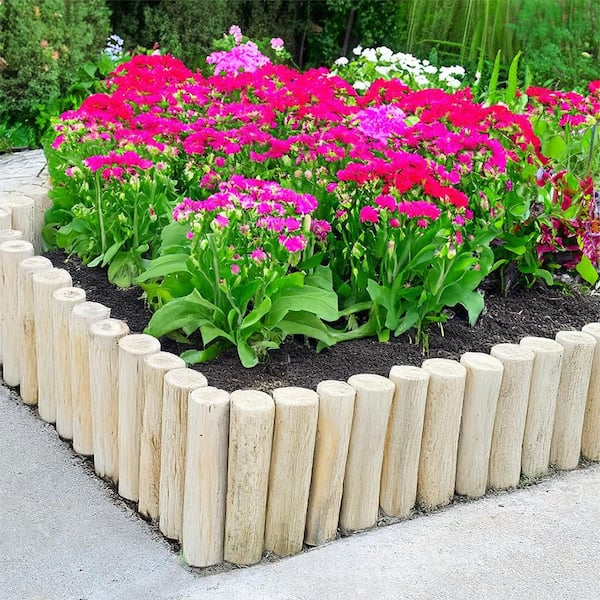
Straight wood edging gives gardens a tidy and modern look. This style works well for rectangular or square garden beds.
It is easy to install and maintain. You can use planks, boards, or timber stakes to create sharp edges.
- Defines garden borders clearly
- Matches formal garden styles
- Prevents soil from spilling out
- Easy to cut and fit along paths
Curved And Natural Shapes
Curved wood edging adds a soft and natural feel to gardens. It blends well with flower beds and informal layouts.
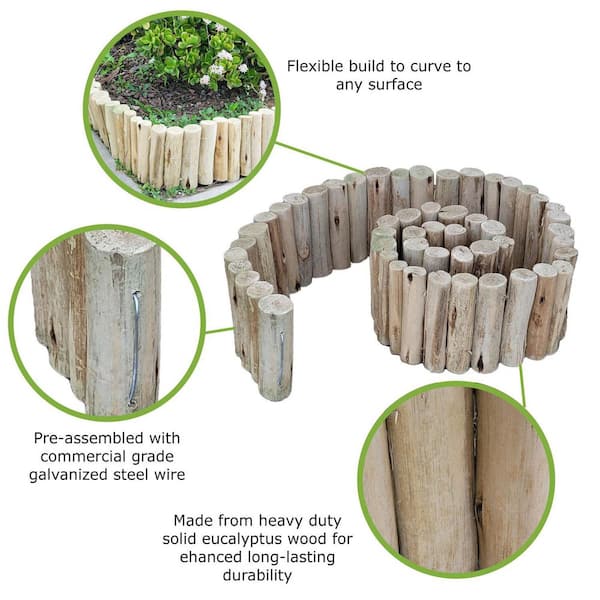
This style uses flexible wood or shaped pieces to follow gentle curves and waves. It helps create flow and movement in your garden design.
- Works with irregular garden shapes
- Creates a relaxed, organic look
- Highlights natural garden features
- Can be paired with stones or plants
Stacked And Layered Edges
Stacked wood edging uses layers of wood pieces to build a raised border. This adds height and texture to garden edges.
It works well for terraced gardens or areas with slopes. The layers can be uniform or varied for a rustic style.
- Creates strong, durable borders
- Helps with soil retention on slopes
- Adds visual interest with depth
- Can be combined with other materials
Credit: www.homedepot.com
Installation Tips
Wood edging adds a natural look to your garden. Proper installation keeps it strong and lasting. Follow these tips to install wood edging correctly.
This guide covers measuring, preparing the ground, and securing the wood edging.
Measuring And Planning Your Layout
Start by measuring the garden area where you want the edging. Use a tape measure to get exact lengths.
- Mark the edges with stakes and string for a straight line.
- Decide if you want curves or straight lines.
- Draw your design on paper for reference.
- Account for overlaps or joints between wood pieces.
Preparing The Ground
Clear the area where the edging will go. Remove grass, rocks, and debris to make a flat surface.
| Task | Why It Matters |
|---|---|
| Remove grass | Prevents weeds from growing under the edging |
| Level the soil | Ensures wood sits evenly and looks neat |
| Compact the soil | Stops edging from shifting over time |
Securing The Wood Edging
Place the wood edging along the marked line. Make sure it fits tightly and looks straight.
- Use landscape stakes or spikes to hold wood in place.
- Drive stakes into the ground every 2 to 3 feet.
- Check the wood height to match garden bed or path.
- Seal or treat wood to protect from moisture and bugs.
Maintenance And Longevity
Wood edging adds a natural look to gardens. To keep it strong and good-looking, proper care is important.
Simple maintenance steps help wood last longer and resist damage from weather and use.
Protecting Wood From Moisture
Moisture causes wood to rot and weaken. Protect wood by sealing it with water-resistant products.
Keep wood off wet soil and avoid water pooling near the edging to reduce damage.
- Apply wood sealant yearly
- Use pressure-treated wood for better resistance
- Install a small gap between wood and soil
- Ensure good drainage around the garden bed
Regular Cleaning And Repairs
Clean wood edging to remove dirt, leaves, and mold. This keeps it looking fresh and stops decay.
Check for cracks or loose pieces. Fix small problems quickly to avoid bigger damage later.
- Use a soft brush and mild soap to clean
- Remove debris weekly
- Fill cracks with wood filler
- Tighten or replace loose boards
Seasonal Care Guidelines
Season changes affect wood differently. Prepare wood edging for winter and summer to keep it strong.
Check edging in spring and fall. Make sure no water or snow stays near the wood.
- In fall, clear leaves and add sealant
- In winter, avoid heavy snow buildup
- In spring, inspect for winter damage
- In summer, water nearby plants carefully to avoid soaking wood
Creative Wood Edging Ideas
Wood edging can transform your garden into a beautiful space. It adds structure and style to your outdoor area.
Explore creative ways to use wood edging in your garden. Get inspired by these ideas to enhance your garden’s look.
Incorporating Plants And Flowers
Adding plants and flowers to wood edging can create a lush border. Use this technique to add color and life to your garden edges.
Choose plants that thrive in your climate. Mix different heights and colors for a vibrant look.
- Use trailing plants to soften edges
- Mix annuals and perennials for variety
- Choose native plants for easy care
Using Decorative Finishes
Decorative finishes can make wood edging stand out. Paint or stain the wood for a personalized touch.
Consider the style of your garden when choosing finishes. A weathered look might suit a rustic garden best.
- Use bright colors for a playful garden
- Stain wood for a natural look
- Experiment with patterns for unique designs
Combining Wood With Other Materials
Combining wood with other materials can add texture. Use stones, metal, or bricks alongside wood for contrast.
Mixing materials can enhance the durability of your edging. It also adds visual interest to your garden.
| Material | Benefit |
| Stone | Natural and durable |
| Metal | Sleek and modern |
| Brick | Classic and sturdy |
Credit: www.homedepot.com
Frequently Asked Questions
What Are The Benefits Of Wood Edging For Gardens?
Wood edging creates a natural, attractive border for garden beds. It helps prevent soil erosion, keeps mulch in place, and defines walkways. It also enhances garden aesthetics and can be easily customized or replaced.
How Long Does Wood Edging Last Outdoors?
Wood edging typically lasts 3 to 7 years outdoors. Its lifespan depends on wood type, treatment, and weather conditions. Regular maintenance and sealing can extend its durability and prevent rot or insect damage.
Which Wood Types Are Best For Garden Edging?
Cedar and redwood are popular for garden edging due to their natural rot resistance. Pressure-treated pine is cost-effective but may contain chemicals. Choose wood that withstands moisture and pests for longer-lasting borders.
How Do You Install Wood Edging In A Garden?
To install wood edging, dig a shallow trench along the garden border. Place the wood pieces tightly together and secure them with stakes or spikes. Fill gaps with soil or mulch for stability and a clean look.
Conclusion
Wood edging gives your garden a neat and tidy look. It keeps soil and plants in place. Wood is easy to cut and shape to fit your space. It also blends well with natural surroundings. Regular care helps wood last longer outside.
Choose the right type of wood for your needs. Simple steps make your garden look cared for and beautiful. Wood edging is a smart way to improve any garden space. Try it and enjoy the clean, organized feel it brings.

