
Are you ready to grow a lush, green lawn that stands out in your neighborhood? Before you plant a single seed, there’s one crucial step you shouldn’t skip: testing your soil.
You might think any dirt will do, but your grass’s health and beauty depend heavily on what’s beneath the surface. By understanding your soil’s condition, you can avoid costly mistakes, save time, and give your grass the best possible start.
Keep reading to discover why testing your soil is the smart move for a thriving lawn you’ll love all year round.
Importance Of Soil Testing
Testing soil before planting grass helps you know what your soil needs. It gives clues about nutrients and pH levels.
This knowledge helps you prepare the soil well for healthy grass growth. It saves time and money on fixes later.
Soil Health And Grass Growth
Good soil health is key to strong grass. Soil testing shows if your soil has enough nutrients like nitrogen, phosphorus, and potassium.
- Correct nutrient levels help grass grow thick and green.
- Proper pH balance ensures grass roots absorb nutrients well.
- Soil texture affects water retention and root development.
- Testing guides you to add fertilizers or lime as needed.
Preventing Common Lawn Problems
Soil testing can stop many lawn problems before they start. It helps you avoid issues like patchy grass or weeds.
| Problem | Cause | Soil Test Solution |
| Yellow Grass | Nutrient Deficiency | Apply the right fertilizer |
| Thin Grass | Low Soil pH | Add lime to raise pH |
| Weeds | Poor Soil Health | Improve soil structure and nutrients |
| Poor Drainage | Soil Compaction | Use aeration or organic matter |
Credit: www.lawnstarter.com
Key Soil Components To Check
Testing soil before planting grass helps you know what your soil needs. This ensures healthy grass growth and saves time.
Three main soil parts to check are soil pH levels, nutrient content, and soil texture with drainage.
Soil Ph Levels
Soil pH shows how acidic or alkaline the soil is. Grass grows best in soil with pH between 6.0 and 7.0.
If pH is too low, the soil is acidic and can harm grass roots. If too high, nutrients may not be available to grass.
Nutrient Content
Grass needs nutrients like nitrogen, phosphorus, and potassium to grow well. Testing soil shows which nutrients are missing or low.
- Nitrogen helps grass grow green and thick.
- Phosphorus supports root growth.
- Potassium improves grass strength and disease resistance.
Soil Texture And Drainage
Soil texture means the mix of sand, silt, and clay. It affects how water moves through soil and how roots grow.
| Soil Type | Water Drainage | Effect on Grass |
| Sandy | Drains fast | Needs frequent watering |
| Loamy | Drains well | Best for grass growth |
| Clay | Drains slowly | Can cause waterlogging |
How To Collect Soil Samples
Testing soil is important before planting grass. It helps determine the soil’s health and nutrient content. Here’s how to collect soil samples effectively.
By following these guidelines, you can ensure that your soil is ready for planting. This will lead to healthier grass growth.
Tools Needed
Gathering the right tools is the first step in soil sampling. Proper tools make the process easier and more accurate.
- Spade or shovel
- Clean bucket
- Soil probe (optional)
- Plastic bags or containers
- Permanent marker
Sampling Techniques
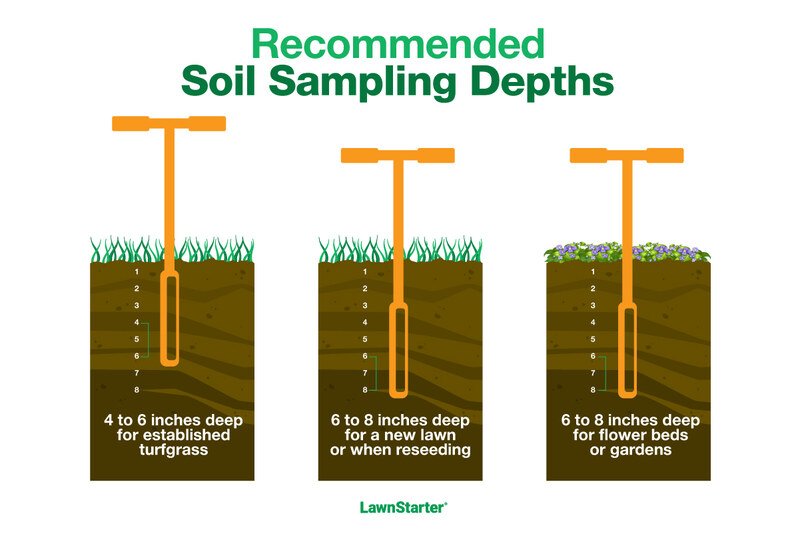
Proper sampling techniques ensure accurate soil tests. Follow these steps to collect your samples correctly.
- Remove surface debris like grass or leaves.
- Dig a small hole about 6 inches deep.
- Take a slice of soil from the side of the hole.
- Place the soil in a clean bucket.
- Repeat in different spots around the area.
When To Test
The timing of soil testing can affect the results. Testing at the right time ensures accurate data for planting grass.
The best time to test soil is in the fall or spring. This is before planting or fertilizing. Avoid testing right after adding new compost or fertilizer.
Credit: www.terra-lawn-care.com
Interpreting Soil Test Results
Soil testing helps you understand your soil’s health before planting grass. It shows what nutrients your soil has and what it lacks.
Knowing the soil test results guides you in improving soil conditions. This makes your grass grow strong and healthy.
Understanding Nutrient Deficiencies
Soil tests show levels of key nutrients like nitrogen, phosphorus, and potassium. Low levels mean your soil needs more of that nutrient.
Each nutrient helps grass in a special way. Deficiencies can cause poor growth, yellow leaves, or weak roots.
- Nitrogen helps grass grow green and lush.
- Phosphorus supports strong root development.
- Potassium improves disease resistance and drought tolerance.
Adjusting Ph For Optimal Growth
Soil pH measures how acidic or alkaline your soil is. Grass grows best in soil with a pH between 6 and 7.
If pH is too low, your soil is acidic. If too high, it is alkaline. Both can block nutrients from reaching grass roots.
- To raise pH, add lime to the soil.
- To lower pH, add sulfur or peat moss.
- Test pH regularly to keep it in the right range.
Amendments To Improve Soil
Testing soil before planting grass helps you know what your soil needs. Soil amendments improve soil health and help grass grow strong.
Amending soil adds nutrients and fixes problems like acidity or poor texture. This makes the soil better for grass roots.
Adding Fertilizers
Fertilizers add nutrients like nitrogen, phosphorus, and potassium. These help grass grow green and healthy.
Use fertilizer based on soil test results. Too much fertilizer can harm grass and the environment.
- Nitrogen helps grass grow leaves
- Phosphorus supports root growth
- Potassium improves disease resistance
Using Lime Or Sulfur
Lime raises soil pH if the soil is too acidic. Grass grows better in neutral to slightly acidic soil.
Sulfur lowers soil pH if it is too alkaline. This helps grass absorb nutrients well.
- Apply lime if pH is below 6.0
- Apply sulfur if pH is above 7.5
- Follow soil test recommendations for amounts
Incorporating Organic Matter
Organic matter improves soil texture and water retention. It also feeds helpful soil microbes.
Add compost, peat moss, or aged manure to your soil. Mix it well before planting grass.
- Compost adds nutrients and improves soil
- Peat moss helps sandy soil hold water
- Aged manure boosts soil fertility safely
Benefits Of Testing Before Planting
Testing soil before planting grass helps you understand its condition. It shows what the soil needs to support healthy growth.
Knowing your soil’s health can guide your choices. It helps you avoid common problems and get better results.
Saving Time And Money
Soil testing lets you apply the right nutrients only. This avoids wasting money on unnecessary fertilizers and treatments.
- Identify nutrient deficiencies to apply correct fertilizers
- Prevent over-fertilizing which can harm grass and waste funds
- Reduce the need for costly soil amendments
- Save time by avoiding trial-and-error planting methods
Achieving Dense, Healthy Lawns
Testing soil helps you create ideal conditions for grass growth. Healthy soil supports thick and green lawns.
| Soil Test Result | Impact on Lawn | Recommended Action |
| Low pH (acidic) | Grass grows slowly | Apply lime to balance pH |
| High pH (alkaline) | Nutrient uptake drops | Use sulfur to lower pH |
| Nitrogen deficiency | Pale, thin grass | Add nitrogen-rich fertilizer |
| Phosphorus deficiency | Weak root growth | Apply phosphorus fertilizer |

Credit: www.familyhandyman.com
Frequently Asked Questions
Why Is Soil Testing Important Before Planting Grass?
Soil testing reveals nutrient levels and pH balance. It helps choose the right grass type and fertilizer. This ensures healthy growth and prevents common lawn problems.
How Does Soil Ph Affect Grass Growth?
Soil pH affects nutrient availability. Grass grows best in slightly acidic to neutral soil (pH 6. 0-7. 0). Testing ensures the soil pH supports optimal grass health.
What Nutrients Does Soil Test Check For Grass Planting?
Soil tests measure nitrogen, phosphorus, potassium, and other micronutrients. These nutrients are essential for grass root development, color, and overall vigor. Proper balance promotes lush lawns.
Can Soil Testing Prevent Lawn Diseases?
Yes, soil testing identifies nutrient deficiencies and imbalances that weaken grass. Healthy soil supports strong grass, reducing vulnerability to diseases and pests.
Conclusion
Testing soil before planting grass saves time and effort. It helps you know what nutrients your soil needs. Healthy soil grows strong, green grass. Avoid common problems like poor growth or weeds. A simple soil test guides your choices for fertilizers and care.
Spend a little time testing to enjoy a lush lawn later. Good soil means happy grass. Start smart, and your lawn will thank you.
