
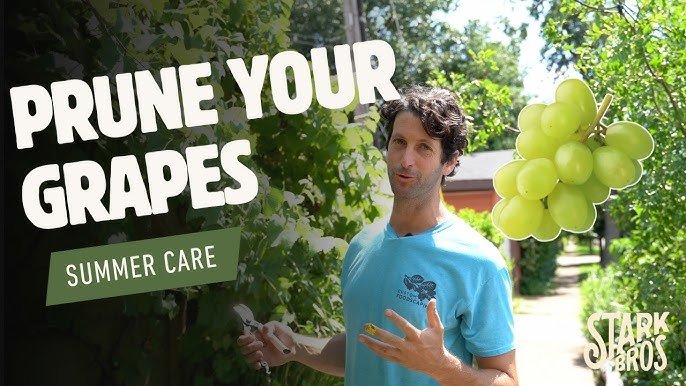
Are you wondering when to prune your grapevines for the best harvest? Pruning at the right time can make a huge difference in the health of your vines and the quality of your grapes.
If you prune too early or too late, you might miss out on a bountiful crop or even harm your plants. You’ll discover exactly when to prune your grapevines to boost growth, improve fruit production, and keep your vineyard thriving year after year.
Keep reading to unlock the secrets to perfect pruning timing that every grape grower should know.
Best Time To Prune
Pruning grapevines at the right time helps keep the plants healthy. It also improves the quality of grapes.
Choosing the best time to prune depends on weather and vine growth cycles. This guide explains key times for pruning.
Dormant Season Pruning
Pruning during the dormant season means cutting back grapevines while they rest. This is usually late fall to early winter.
Removing old wood helps the vine focus energy on new shoots in spring. It also reduces disease risk.
Late Winter Benefits
Late winter is the best time to prune grapevines. The vines are still dormant but ready to grow soon.
Pruning now helps control the size and shape of the vine. It prepares the plant for a strong growing season.
Avoiding Frost Damage
Prune grapevines after the last frost date in your area. Early pruning can cause frost damage to new growth.
Waiting reduces the chance that cold weather will hurt the buds. This helps ensure a good harvest.
Credit: www.starkbros.com
Signs Vines Need Pruning
Pruning grapevines keeps them healthy and productive. Knowing when to prune helps your vines grow well each year.
Look for signs that show your grapevines need pruning. These signs help you decide the best time to cut back the vines.
Overgrown Canes
Overgrown canes are long, thick shoots that grow too much. They take energy from the vine and can block sunlight.
- Canes longer than 6 feet may need trimming.
- Dense growth can cause poor air flow.
- Too many canes make harvesting harder.
Weak Or Dead Wood
Weak or dead wood does not grow leaves or fruit. It can spread disease and lowers the vine’s strength.
| Type of Wood | Signs |
| Dead Wood | Brittle, dry, no buds |
| Weak Wood | Thin, soft, small leaves |
| Healthy Wood | Firm, green buds, strong shoots |
Poor Fruit Production
Low or poor fruit production means the vine is not healthy. Pruning can help improve fruit size and quality.
Signs of poor fruit production include:
- Small or few grape clusters
- Uneven ripening of grapes
- More leaves than fruit
- Old canes producing little fruit
Pruning Techniques
Pruning grapevines helps keep the plants healthy and productive. It controls growth and improves fruit quality. Pruning should be done at the right time and with the right method.
There are two main pruning techniques used for grapevines. Each method suits different vine types and growing goals. Choosing the best technique helps you get the most from your vineyard.
Spur Pruning
Spur pruning cuts back last year’s growth to short spurs with two to three buds. This method works well for grape varieties that produce fruit on last year’s wood. It keeps the vine manageable and encourages strong new shoots.
- Remove old, weak canes
- Cut healthy canes to 2-3 buds
- Space spurs evenly along the cordon
- Keep the vine balanced for sunlight
Cane Pruning
Cane pruning removes most of the old wood, leaving only a few strong canes. Each cane has about 8 to 15 buds. This technique works for varieties that need longer fruiting wood and more space between canes.
| Step | Action |
| 1 | Cut back to 1-4 healthy canes |
| 2 | Each cane has 8-15 buds |
| 3 | Tie canes horizontally to the support |
| 4 | Remove all other growth |
Tools To Use
Using the right tools makes pruning easier and safer. Clean cuts heal faster and reduce disease risk. Keep your tools sharp and clean for best results.
- Pruning shears for small canes and shoots
- Loppers for thicker branches
- Gloves to protect your hands
- Disinfectant to clean tools between cuts
- Sharp knives for detailed trimming
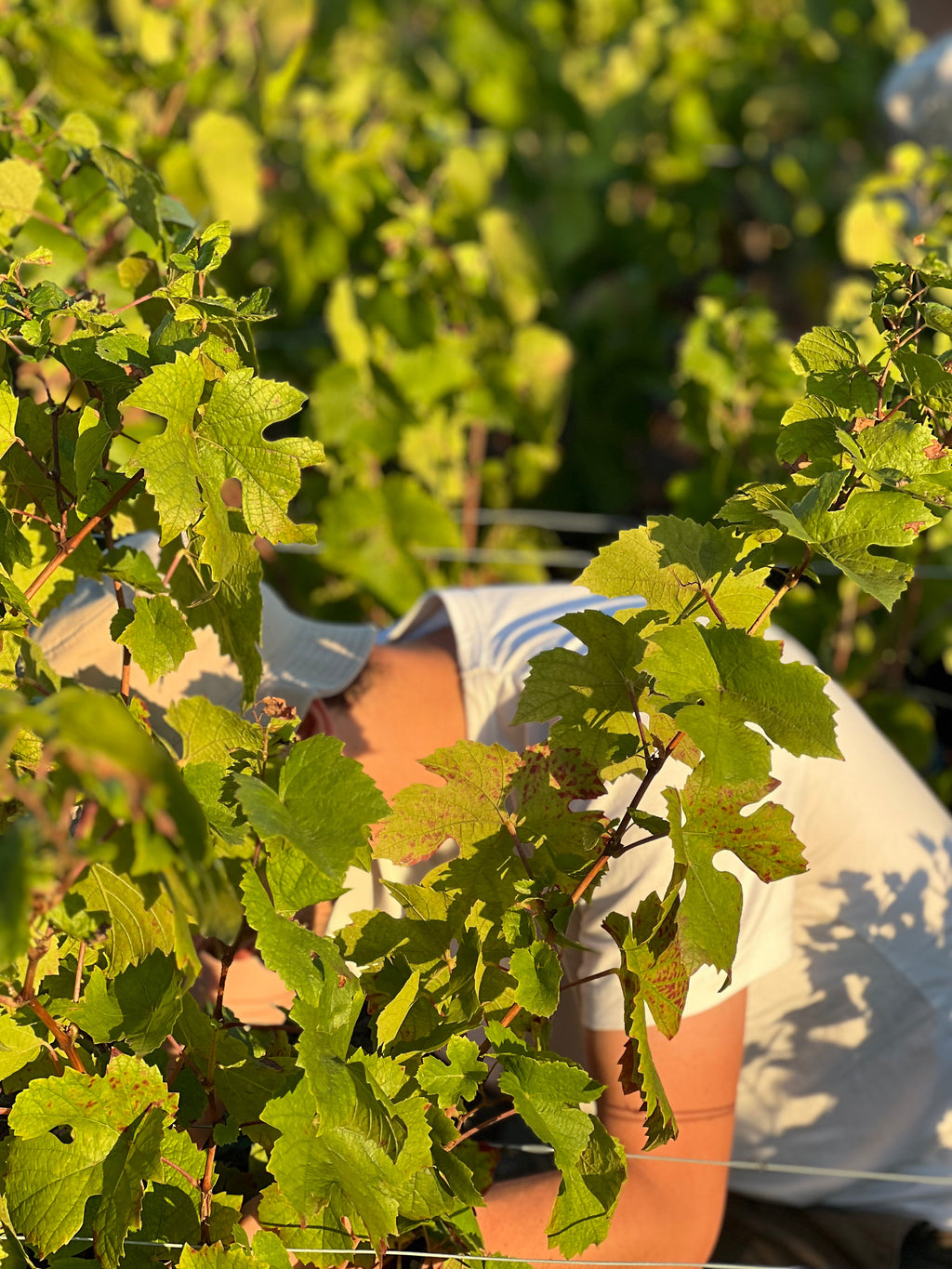
Credit: oeforgood.com
Effects Of Pruning Timing
Pruning grapevines at the right time affects how they grow and produce fruit. It also helps keep the plants healthy. Picking the right moment to prune can lead to better results in your vineyard.
This guide explains how pruning timing impacts growth, yield, and disease prevention in grapevines.
Impact On Growth
Pruning too early can cause grapevines to grow weak shoots. Late pruning may reduce the number of new buds that grow. Proper timing helps the vine balance new growth and energy storage.
- Early pruning promotes strong early shoots.
- Late pruning delays bud break.
- Correct timing supports healthy vine structure.
Influence On Yield
The timing of pruning affects how many grapes the vine produces. Pruning at the right time can increase the size and quality of the grape clusters.
| Pruning Time | Effect on Yield |
| Early Winter | Higher fruit quality, moderate yield |
| Late Winter | Balanced yield and quality |
| Spring | Lower yield, possible fruit damage |
Disease Prevention
Pruning at the right time can reduce the chance of diseases. Cutting during dry weather lowers the risk of infections. Late pruning may expose cuts to moisture and fungus.
- Prune during dry days.
- Remove old and dead wood.
- Disinfect tools before pruning.
- Avoid pruning in rainy weather.
Regional Considerations
Pruning grapevines at the right time depends on where you live. Different regions have unique weather and soil conditions. These factors affect when and how to prune.
Understanding your region helps you keep grapevines healthy and productive. This guide covers climate influence and local vineyard practices.
Climate Influence
Climate is the main factor in deciding pruning time. Cold areas need late pruning to avoid frost damage. Warm regions prune earlier to prepare for growth.
- Cold climates: prune after the risk of frost passes
- Warm climates: prune in winter or early spring
- Regions with wet winters: prune when dry to prevent disease
- Areas with late spring frosts: delay pruning to protect buds
Local Vineyard Practices
Local growers often follow traditions that suit their land and climate. These methods can include specific pruning styles and timing.
| Region | Common Pruning Time | Pruning Style |
| California | Late winter | Cane pruning |
| France (Bordeaux) | Early spring | Spur pruning |
| Australia | Winter | Cane and spur mix |
| Germany | Late winter to early spring | Guyot system |

Credit: www.youtube.com
Post-pruning Care
Pruning grapevines is essential for healthy growth and fruit production. After pruning, it’s important to take care of the vines to ensure they thrive.
Proper post-pruning care involves protecting cuts, fertilizing, and maintaining a consistent watering schedule.
Protecting Cuts
Fresh cuts on grapevines can be vulnerable to disease. It’s important to protect them.
You can apply a pruning sealant to the cuts. This helps prevent infection and aids healing.
- Use a clean tool for pruning
- Apply sealant to larger cuts
- Check cuts regularly for signs of disease
Fertilization Tips
Fertilizing helps grapevines grow strong and produce more fruit. It’s important to use the right type of fertilizer.
Choose a balanced fertilizer and apply it in early spring. This will give your vines the nutrients they need.
- Use a 10-10-10 balanced fertilizer
- Apply in early spring before growth starts
- Follow package instructions for amounts
Watering Schedule
Grapevines need consistent watering to stay healthy. It’s important to water them regularly, especially after pruning.
Water deeply once a week, allowing the soil to dry between waterings. This encourages deep root growth.
- Water deeply, not frequently
- Allow soil to dry between waterings
- Adjust watering in dry or rainy conditions
Frequently Asked Questions
When Is The Best Time To Prune Grapevines?
The best time to prune grapevines is during late winter or early spring. This is before new growth starts. Pruning then encourages healthy growth and better fruit production.
How Often Should Grapevines Be Pruned?
Grapevines should be pruned once a year. Annual pruning helps maintain vine shape and controls fruit quality. It also prevents overgrowth and disease.
Can Grapevines Be Pruned In Summer?
Summer pruning is possible but limited. It involves removing excess leaves and shoots to improve air circulation. Major pruning is best done in winter.
Why Is Pruning Grapevines Important?
Pruning grapevines controls growth and improves fruit size and quality. It also helps manage vine health and reduces disease risk. Proper pruning ensures better sunlight exposure.
Conclusion
Pruning grapevines helps keep them healthy and productive. Cut old or weak branches in late winter or early spring. This allows new growth to thrive and improves fruit quality. Remember to use clean tools and prune carefully. Regular pruning also prevents diseases and keeps vines manageable.
Start pruning early to enjoy better grapes later. Simple care makes a big difference in your vineyard. Keep an eye on your vines and prune each year. Good pruning leads to strong, fruitful grapevines every season.

