
Are you ready to take your turkey cooking to the next level? Using a smoker can give your turkey a rich, smoky flavor that oven roasting simply can’t match.
But if you’ve never used a smoker before, it might feel a bit overwhelming. Don’t worry—this guide will walk you through every step, from prepping your bird to controlling the temperature. By the end, you’ll know exactly how to use your smoker to create a juicy, flavorful turkey that will impress everyone at your table.
Keep reading, and get ready to become the turkey master your friends and family will rave about!

Credit: blackberrybabe.com
Choosing The Right Smoker
Choosing the right smoker is key to cooking a juicy, flavorful turkey. The smoker you pick affects taste, cooking time, and ease of use. Consider different types, sizes, and fuel options before buying.
Types Of Smokers
Smokers come in various styles. Each style offers a unique way to cook your turkey.
- Offset Smokers:Use a separate firebox for heat and smoke. Great for large birds but need constant attention.
- Vertical Water Smokers:Have a water pan to keep meat moist. Easy to control temperature and good for beginners.
- Electric Smokers:Use electricity to heat wood chips. Simple to use and maintain consistent heat.
- Pellet Smokers:Use wood pellets automatically fed into a fire pot. Offer great flavor and easy temperature control.
- Kamado Grills:Ceramic smokers that hold heat well. Versatile for smoking and grilling.
Size And Capacity
Think about how much turkey you want to smoke. Size matters for cooking one bird or feeding a crowd.
- Small smokers fit 1-2 turkeys or smaller cuts.
- Medium smokers handle 2-3 turkeys or larger pieces.
- Large smokers can cook several turkeys at once.
Choose a size that matches your needs and storage space.
Fuel Options
Fuel type affects flavor and cooking style. Different fuels provide different heat and smoke profiles.
- Charcoal:Offers classic smoky taste. Requires more effort to control heat.
- Wood:Adds rich, natural flavor. Needs experience to manage smoke levels.
- Electric:Easy to use and maintain steady temperatures. Less smoky flavor.
- Pellets:Convenient and consistent heat. Produces good smoke flavor with less work.
- Propane:Quick heat and easy control. Minimal smoke flavor.
Preparing The Turkey
Preparing your turkey properly sets the stage for a delicious smoked meal. Every choice you make—from picking the bird to seasoning it—affects the final flavor and texture. Taking time here ensures your turkey smokes evenly and tastes amazing.
Selecting The Turkey
Choose a fresh or fully thawed turkey for the best smoking results. Smaller birds, around 12 to 14 pounds, are easier to handle and cook more evenly in a smoker.
Consider heritage breeds if you want richer flavor, but remember they might need longer cooking times. Ask your butcher about the turkey’s diet and origin; a well-raised bird often smokes better.
Brining Techniques
Brining adds moisture and flavor, preventing dryness during smoking. You can use a simple saltwater brine or add sugar, herbs, and spices for extra taste.
- Use about 1 cup of salt per gallon of water.
- Submerge the turkey completely in the brine.
- Brine it in the fridge for 12 to 24 hours, depending on the size.
Have you ever tried a dry brine? Rubbing salt directly on the skin overnight can be easier and still produce juicy results. Experiment to find what works best for your schedule and taste.
Seasoning And Rubs
Seasoning is your chance to add personality to the turkey. Use a mix of herbs, spices, and aromatics that complement the smoky flavor.
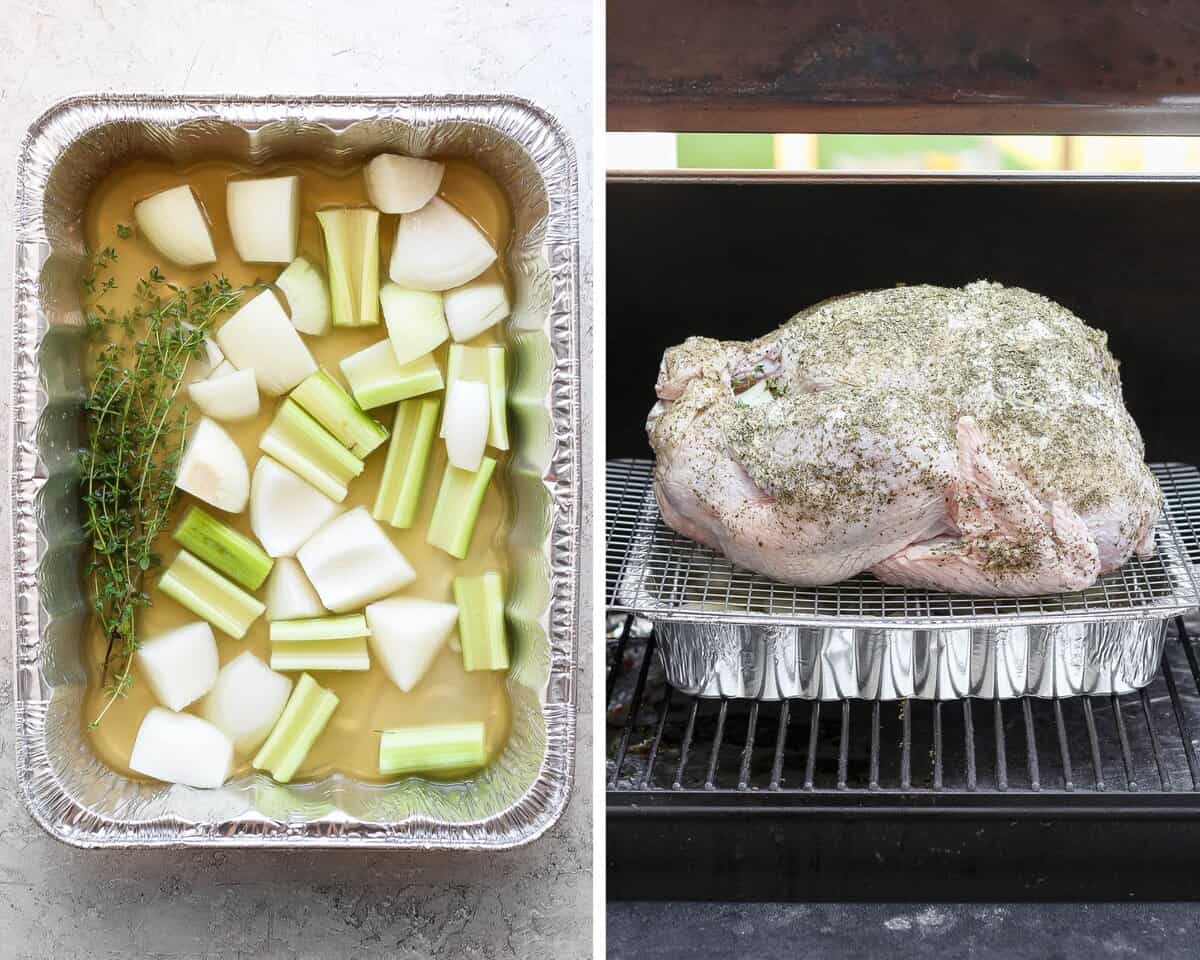
Pat the turkey dry before applying the rub to help it stick better and create a flavorful crust. Don’t forget to season inside the cavity; it enhances every bite.
- Popular rub ingredients: paprika, garlic powder, black pepper, thyme, and brown sugar.
- Apply the rub generously over the skin and under it if possible.
- Let the seasoned turkey rest in the fridge for a few hours to absorb the flavors.
Setting Up The Smoker
Setting up your smoker properly is key to cooking a juicy, flavorful turkey. It’s not just about turning it on and waiting; controlling the environment inside the smoker makes all the difference. You want to create steady heat and add the right smoke flavor without overpowering the meat.
Temperature Control
Keeping the smoker’s temperature steady is crucial. Aim for a range between 225°F and 250°F to cook the turkey slowly and evenly. Fluctuations can dry out the bird or leave it undercooked.
Check the built-in thermometer often, but also use a separate digital probe for accuracy. Adjust vents or fuel to raise or lower heat as needed. Have you noticed how small tweaks in airflow can stabilize temperature quickly?
Wood Selection
Choosing the right wood affects the turkey’s flavor more than you might expect. Mild woods like apple, cherry, or pecan add a subtle sweetness that complements the turkey’s natural taste. Avoid stronger woods like mesquite, which can overpower the meat.
If you want a classic smoky flavor, hickory works well but use it sparingly. Mixing woods can create a complex flavor profile, but keep the balance to avoid bitterness. What flavor notes do you want your turkey to have?
Preheating Tips
Preheating your smoker is a simple step that sets you up for success. Heat it up to your target temperature before placing the turkey inside. This helps maintain consistent cooking from the start.
Use this time to test your airflow and wood smoke. It’s also a good moment to prepare your turkey with rubs or brines. Have you ever skipped preheating and noticed longer cooking times or uneven results?
Smoking Process
Smoking a turkey can create a flavorful and juicy centerpiece for any meal. The smoking process is crucial for achieving that perfect blend of taste and tenderness. Understanding the steps involved ensures your turkey is smoked to perfection.
Placing The Turkey
Begin by ensuring your smoker is clean and ready. Place the turkey on the smoker rack, breast side up. Ensure it is centered for even cooking. You might want to tuck the wings under the body to prevent burning. This helps the turkey cook uniformly.
Maintaining Heat And Smoke
Consistent heat is key. Aim for a smoker temperature of 225°F to 250°F. Monitor it using a reliable thermometer. Add wood chips every 45 minutes for a continuous smoke flavor. Keep the smoker lid closed as much as possible. This retains heat and smoke inside.
Timing And Internal Temperature
Smoking a turkey takes time. Estimate about 30 minutes per pound. Use a meat thermometer to check the internal temperature. The turkey is ready when it reaches 165°F in the thickest part of the breast. Always let it rest for at least 15 minutes before carving.
Finishing Touches
Finishing touches make your smoked turkey truly special. After smoking, the turkey needs time and care before serving. These final steps ensure the meat stays juicy and tastes fantastic. Follow simple tips for resting, carving, and serving. This will impress your guests and highlight your smoking skills.
Resting The Turkey
Let the turkey rest for 20 to 30 minutes after smoking. This helps juices spread evenly inside the meat. Cover the turkey loosely with foil to keep it warm. Avoid cutting too soon to keep the turkey moist. Resting also makes carving easier and neater.
Carving Tips
Use a sharp knife to carve the turkey smoothly. Start by removing the legs and thighs. Then slice the breast meat against the grain for tenderness. Cut even, thin slices for better presentation. Keep the skin on the slices for extra flavor and crispness.
Serving Suggestions
Arrange carved turkey on a large platter. Add fresh herbs like rosemary or thyme for color. Serve with classic sides such as mashed potatoes or green beans. Offer gravy or cranberry sauce on the side. Warm bread rolls or cornbread make a perfect addition.
Troubleshooting Common Issues
Smoking a turkey can be incredibly rewarding, but sometimes things don’t go as planned. Troubleshooting common issues will help you get back on track quickly. Whether it’s dry meat, uneven cooking, or adjusting smoke flavor, understanding these problems can make your next smoked turkey a triumph.
Dry Meat Solutions
If your turkey turns out dry, it usually means it cooked too long or at too high a temperature. Try using a meat thermometer to monitor the internal temperature closely; the ideal is around 165°F (74°C) in the thickest part of the breast.
Brining your turkey before smoking adds moisture and flavor. You can use a simple saltwater brine or add herbs and spices to enhance taste. Don’t skip resting the bird after cooking—letting it sit for 15-20 minutes allows juices to redistribute and keeps the meat juicy.
Uneven Cooking Fixes
Uneven cooking often happens when the heat source isn’t consistent or the turkey isn’t positioned correctly. Make sure your smoker’s temperature stays steady by checking vents and fuel supply regularly.
Position the turkey so the thicker parts face the hottest area, or rotate the bird halfway through cooking. Using a water pan inside the smoker can help stabilize temperature and add humidity, promoting even cooking throughout.
Smoke Flavor Adjustments
Too much smoke can overpower the turkey, while too little can leave it bland. Choose wood chips that complement turkey, like apple, cherry, or hickory, and soak them before use to control the smoke release.
Control the smoke intensity by adding wood chips gradually instead of all at once. If you find the flavor too strong, try smoking the turkey indirectly or for a shorter time next round.
Have you noticed how small tweaks in smoke and heat can transform your turkey? Keep experimenting and adjusting until you find your perfect balance.
Safety Tips
Using a smoker for turkey is rewarding, but safety should be your top priority. Handling raw poultry, managing fire, and using the right equipment correctly can prevent accidents and foodborne illnesses. Let’s dive into some essential safety tips to keep your cooking experience safe and enjoyable.
Handling Raw Turkey
Raw turkey can carry harmful bacteria like Salmonella. Always wash your hands with soap and water before and after touching raw turkey. Use separate cutting boards and utensils for raw meat to avoid cross-contamination.
Keep your turkey refrigerated until you’re ready to smoke it. If you marinate the bird, do so in the fridge, not on the counter. Remember, cooking to the right internal temperature (165°F or 74°C) is crucial to kill bacteria—use a reliable meat thermometer to check.
Fire Safety
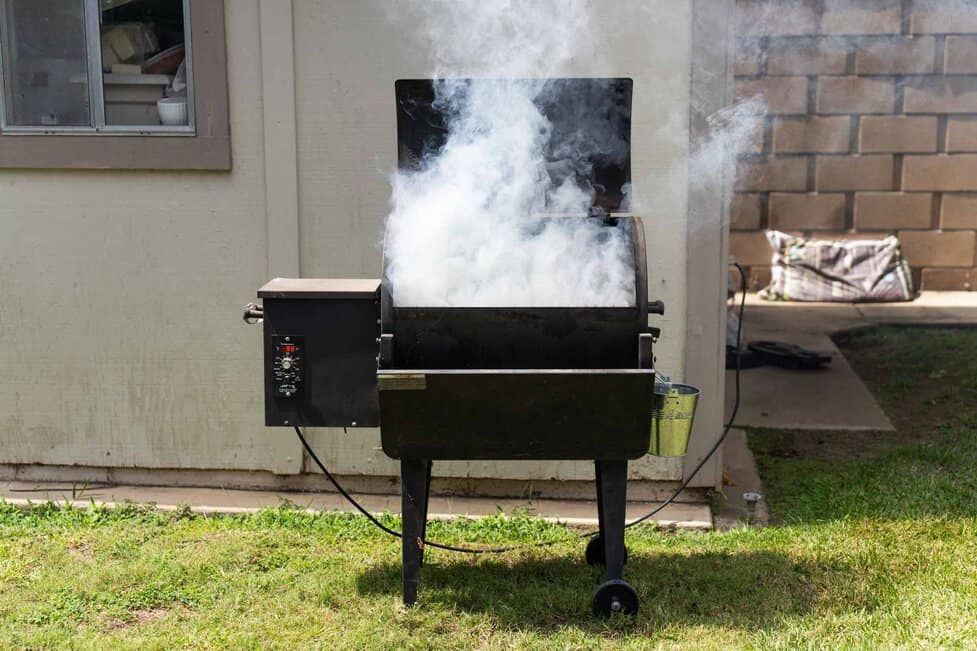
Smoking a turkey means working with an open flame or hot coals, so fire safety is key. Set up your smoker on a flat, non-flammable surface away from any flammable materials like dry leaves, wooden decks, or your house’s siding.
Keep a fire extinguisher or a bucket of water nearby. Never leave your smoker unattended, especially if you have kids or pets around. Ask yourself: Is your smoking area clear of hazards? If not, take a few extra minutes to prepare it safely.
Proper Equipment Use
Using the right tools can make smoking safer and easier. Wear heat-resistant gloves when handling hot parts of the smoker. Use long-handled tongs and spatulas to keep your hands far from the heat source.
Regularly check your smoker for gas leaks or damaged parts if it’s propane-powered. Follow the manufacturer’s instructions carefully. Using equipment incorrectly can lead to dangerous situations, so never skip reading the manual or performing safety checks.
Credit: www.hungryhuy.com
Credit: thewoodenskillet.com
Frequently Asked Questions
How Long To Smoke A Turkey In A Smoker?
Smoking a turkey usually takes 30 to 40 minutes per pound at 225°F. This ensures tender, flavorful meat with a smoky aroma. Always use a meat thermometer to check for an internal temperature of 165°F for safe consumption.
What Type Of Wood Is Best For Smoking Turkey?
Apple, cherry, and hickory wood are popular for smoking turkey. Apple and cherry offer a mild, sweet flavor, while hickory provides a stronger, smoky taste. Choose wood that complements your flavor preference without overpowering the turkey’s natural taste.
Should I Brine A Turkey Before Smoking It?
Yes, brining enhances moisture and flavor in smoked turkey. A simple saltwater brine for 12-24 hours keeps the meat juicy and tender during smoking. It also helps the turkey absorb smoky flavors more effectively.
How To Maintain Smoker Temperature For Turkey?
Keep your smoker steady between 225°F and 250°F for even cooking. Use vents and water pans to control heat and humidity. Regularly check the temperature with a reliable thermometer to avoid overcooking or drying out the turkey.
Conclusion
Smoking a turkey can bring deep, rich flavors to your meal. Start with good preparation and control your smoker’s temperature well. Watch your turkey closely to avoid drying it out. Patience pays off with juicy, tender meat. Try different wood chips for unique tastes.
Practice will help you improve every time. Enjoy the process as much as the tasty results. Smoking turkey can become a fun tradition for your family and friends. Give it a try and see how delicious smoked turkey can be!

