
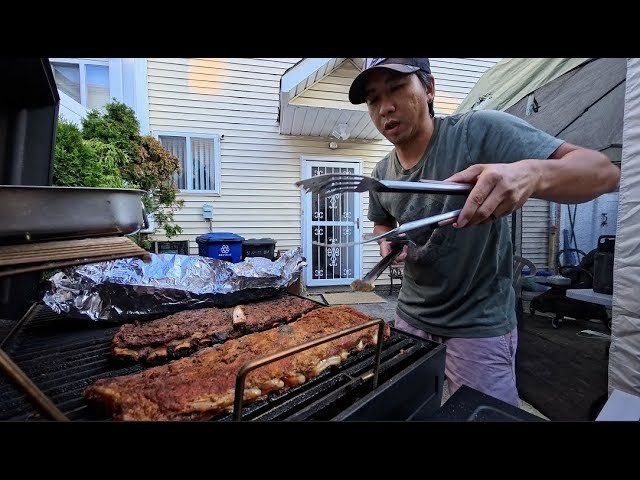
If you want to make ribs that melt in your mouth and burst with flavor, using a smoker is the secret weapon you need. But if you’re new to smoking meat, it can feel a bit overwhelming.
How do you get the perfect smoke? What temperature should you use? Don’t worry—you’re about to discover simple steps that will turn your ribs into a smoky masterpiece. Keep reading, and by the end, you’ll have the confidence to impress everyone at your next cookout with ribs cooked just the way you like them.
Choosing The Right Smoker
Choosing the right smoker is the first step to mastering ribs that fall off the bone. Your smoker sets the tone for flavor, cooking time, and overall satisfaction. Picking one that fits your style and needs can make all the difference.
Types Of Smokers
There are several types of smokers, each with its own pros and cons. Offset smokers offer authentic smoky flavor but require more skill to control temperature. Vertical water smokers are easy to use and keep meat juicy. Pellet smokers automate temperature and smoke control, making them great for beginners.
Think about how much hands-on time you want. Would you enjoy the process of managing charcoal, or do you prefer a set-it-and-forget-it approach? Your choice affects both your cooking experience and the taste of your ribs.
Fuel Options
Fuel type influences flavor and convenience. Charcoal gives a rich, smoky taste but needs more attention to maintain heat. Wood adds unique flavors depending on the type—hickory, apple, or mesquite can each change your ribs’ profile. Propane and electric smokers offer easy temperature control but sometimes lack that deep smoky character.
Consider your environment too. Do you have space to store wood or charcoal? Would you prefer something cleaner and quicker to start? Your fuel choice impacts both your cooking style and final flavor.
Size And Capacity
How many ribs do you plan to smoke at once? Smokers come in various sizes, from small portable models to large backyard setups. A bigger smoker lets you cook for a crowd but takes up more space and fuel.
Think about where you’ll use it. Do you have a large outdoor area or just a small patio? Choosing the right size ensures you won’t waste fuel or struggle with cramped cooking space.
Selecting Quality Ribs
Choosing the right ribs is key to great smoked ribs. Quality ribs make a big difference in taste and texture. Focus on the cut, freshness, and how well the ribs are trimmed. Each factor affects the final flavor and tenderness.
Baby Back Vs. Spare Ribs
Baby back ribs come from the upper part of the rib cage. They are smaller, leaner, and cook faster. Spare ribs are larger and have more fat. They offer richer flavor but need longer cooking times. Pick based on your taste and how much time you have.
Freshness And Marbling
Fresh ribs have a bright pink color and firm texture. Avoid any ribs with a strong odor or slimy feel. Marbling means small streaks of fat inside the meat. Good marbling keeps ribs juicy and tender during smoking. Choose ribs with even marbling for best results.
Trimming Tips
Trim excess fat but keep a thin layer for flavor. Remove the silver skin on the back of the ribs. It blocks smoke and seasoning from soaking in. Use a sharp knife and work carefully. Proper trimming helps the ribs cook evenly and taste better.
Preparing Ribs For Smoking
Preparing ribs for smoking sets the foundation for tender, flavorful results. Each step you take before lighting the smoker directly impacts the texture and taste of your ribs. Let’s focus on key preparations that ensure your ribs come out perfectly smoky and delicious.
Removing The Membrane
The thin, silvery membrane on the back of ribs can block smoke and seasoning from penetrating the meat. Removing it improves flavor absorption and creates a more tender bite.
Use a butter knife to gently lift the membrane at one corner. Then, grab it with a paper towel for a firm grip and peel it off in one smooth motion. If it tears, just repeat until fully removed.
Applying A Dry Rub
Dry rubs add layers of flavor and help form a tasty crust called bark. You can buy pre-made rubs or mix your own with simple ingredients like salt, pepper, paprika, brown sugar, and garlic powder.
Generously coat both sides of the ribs. Press the rub into the meat to help it stick. Letting the ribs rest with the rub for at least an hour—or even overnight—boosts flavor depth.
Marinating Options
Marinating ribs adds moisture and infuses extra flavor before smoking. Use acidic bases like apple cider vinegar, citrus juice, or soy sauce combined with spices and herbs.
Submerge the ribs in your marinade for 2 to 6 hours in the refrigerator. Avoid marinating too long, which can make the meat mushy. Have you tried injecting marinade directly into the ribs? It’s a handy trick to boost juiciness.

Credit: somuchfoodblog.com
Setting Up Your Smoker
Prepare your smoker by cleaning it and adding charcoal or wood chips for smoke. Set the temperature to low and steady, around 225°F, for slow cooking ribs. Arrange the ribs on the grate away from direct heat for even smoking.
Setting up your smoker is crucial for perfect ribs. A well-prepared smoker can make your ribs tender and flavorful. Pay attention to every detail for the best results. Let’s explore the key aspects of setting up your smoker.Temperature Control
Consistent temperature is key for smoking ribs. Set your smoker to 225°F. Use a thermometer for accuracy. Keep the temperature steady throughout the cooking process. Adjust the vents to control airflow. This helps maintain the desired temperature.Wood Selection For Flavor
Choose wood that complements the ribs. Hickory and apple are popular choices. They add a rich, smoky flavor. Use wood chips or chunks for better results. Soak them in water before use. This prevents them from burning too quickly.Water Pan Usage
A water pan adds moisture to the smoker. Fill the pan with water before starting. It helps in maintaining a stable temperature. Place it under the ribs for best results. The steam keeps the ribs juicy and prevents drying out.Smoking Process
Smoking ribs is an art that demands patience and attention to detail. The smoking process transforms simple pork ribs into tender, flavorful delights. To master this, you need to focus on three key areas: keeping the heat steady, positioning the ribs correctly, and managing smoke levels effectively.
Maintaining Consistent Heat
Consistent heat is the backbone of great smoked ribs. Aim to keep your smoker’s temperature steady around 225°F to 250°F. Fluctuations can dry out your ribs or make them tough.
Use a reliable thermometer to monitor the temperature inside the smoker. If you notice sudden spikes or drops, adjust the vents or add small amounts of fuel gradually. I once lost a perfect batch because I let the heat jump to 300°F—trust me, it’s worth the extra attention.
Placement Of Ribs
Where you place your ribs inside the smoker affects how they cook. Place ribs bone-side down and away from direct heat sources. This helps protect the meat from drying out and allows smoke to circulate evenly.
Try to leave some space between each rack. Crowding restricts airflow and can cause uneven cooking. I found that a simple wire rack lets me stack ribs without losing that vital airflow—something that changed my results dramatically.
Monitoring Smoke Levels
Smoke isn’t just about quantity; quality matters too. Use hardwoods like hickory or apple for a clean, balanced smoke flavor. Too much smoke can make ribs bitter, while too little leaves them bland.
Watch the color of the smoke; it should be thin and blue, not thick and white. If you see heavy smoke, open vents slightly to improve airflow. Ask yourself, is your smoke enhancing the ribs or overpowering them?
Cooking Time And Techniques
Cooking ribs in a smoker requires patience and attention. The right cooking time and techniques bring out deep flavors and tender texture. Understanding these key steps helps create ribs that fall off the bone.
Low And Slow Method
Maintain smoker temperature between 225°F and 250°F. Cook ribs slowly for 4 to 6 hours. This slow heat breaks down collagen and fat. The ribs become tender and juicy without drying out. Use indirect heat to avoid burning.
Wrapping With Foil
Wrap ribs in foil after 2 to 3 hours of smoking. This locks in moisture and speeds cooking. Add a splash of apple juice or barbecue sauce inside the foil. Wrap tightly to keep steam inside. Return ribs to smoker for another 1 to 2 hours.
Checking For Doneness
Look for these signs to check ribs doneness:
- Meat pulls back from the bones.
- Bones wiggle easily when you twist them.
- Internal temperature reaches 195°F to 203°F.
- Meat feels tender but not mushy.
Use a meat thermometer for accuracy. Avoid cutting too soon to keep ribs juicy.
Adding Sauce And Finishing Touches
Adding sauce and the final touches to your smoked ribs can make all the difference between good and unforgettable. It’s not just about slathering on sauce; it’s about timing, technique, and patience. Knowing exactly when and how to apply sauce enhances flavor without overpowering the natural smoky richness you’ve worked hard to create.
When To Apply Sauce
Applying sauce too early can cause it to burn and become bitter. Instead, wait until the ribs are nearly done smoking—usually during the last 20 to 30 minutes of cooking. This allows the sauce to set and caramelize without losing its bright, tangy flavor.
If you prefer a thicker glaze, consider brushing on multiple layers of sauce, letting each one cook for a few minutes before adding the next. This builds complexity and a beautiful sticky finish that clings perfectly to the ribs.
Caramelizing Tips
To get that irresistible caramelized crust, raise your smoker’s temperature slightly or finish the ribs on a hot grill for a few minutes. Keep a close eye to avoid charring—sweet sauces can burn quickly. A light sprinkle of brown sugar before saucing can also boost caramelization.
Remember to use a brush with soft bristles to spread the sauce evenly and gently. This prevents pulling off the bark and keeps your ribs looking as good as they taste.
Resting The Ribs
Resting is often overlooked but crucial. After you pull the ribs off the smoker, wrap them loosely in foil and let them rest for 10 to 15 minutes. This step allows juices to redistribute, making the meat tender and juicy.
During this time, the sauce also sets further, intensifying the flavor. Have you noticed how rested ribs feel more satisfying to eat? That’s the magic of giving your ribs a moment to relax before serving.
Serving And Storing Ribs
Serving and storing ribs properly can make a huge difference in your overall experience. After all the time spent smoking, you want to make sure every bite stays juicy and flavorful. How you cut, pair, and store your ribs can either elevate or diminish the quality of your meal.
Cutting Techniques
Cut ribs between the bones to create neat, manageable portions. Use a sharp knife and apply steady pressure to avoid shredding the meat. Cutting ribs while they are warm helps keep the meat tender and less likely to fall apart.
If you want a clean presentation, trim off excess fat or cartilage before serving. Have you noticed how ribs served in larger chunks often look more appetizing? That’s because they hold their shape better and make eating less messy.
Side Dish Pairings
Complement your ribs with sides that balance their smoky richness. Fresh coleslaw adds a crunchy, tangy contrast, while baked beans bring a sweet and savory depth. Roasted vegetables or cornbread can also round out the meal without overpowering the ribs.
Think about texture and flavor contrasts when choosing sides. What sides do you enjoy that cut through the heaviness of ribs? Experimenting with different pairings can keep your rib dinners exciting every time.
Proper Storage Methods
Cool your ribs to room temperature before storing to prevent condensation and sogginess. Wrap them tightly in aluminum foil or place them in an airtight container to lock in moisture. Store ribs in the refrigerator for up to four days or freeze for longer storage.
When reheating, use a low temperature and add a splash of water or broth to keep ribs juicy. Ever had leftovers turn dry and tough? Proper storage and reheating can save your ribs and your next meal.
Troubleshooting Common Issues
Common problems with smoking ribs often include uneven heat and dryness. Adjust airflow and maintain steady temperatures to keep ribs juicy. Check wood type and placement to avoid bitter smoke flavor.
Troubleshooting Common Issues Grilling ribs in a smoker can be tricky. Even seasoned grillers face challenges. Let’s tackle some common issues to perfect your ribs.Dry Or Tough Ribs
Dry ribs are a common issue. First, check your cooking time. Overcooking dries out ribs. Aim for low and slow cooking. Use a meat thermometer. Ribs are done at 190°F to 203°F. Keep ribs moist with a water pan. Baste with apple juice or vinegar. This adds flavor and moisture.Temperature Fluctuations
Temperature changes can ruin ribs. Use a quality smoker thermometer. Monitor it frequently. Wind or cold weather affects temperature. Shield your smoker from wind. Keep the lid closed. Every time you open it, heat escapes. Adjust vents to control airflow. Consistent temperature is key.Smoke Overpowering Flavor
Too much smoke can be overwhelming. Use the right wood for ribs. Fruitwoods like apple or cherry work well. Avoid green or unseasoned wood. They produce bitter smoke. Soak wood chips for milder smoke. Use less wood if needed. Balance is crucial for good flavor.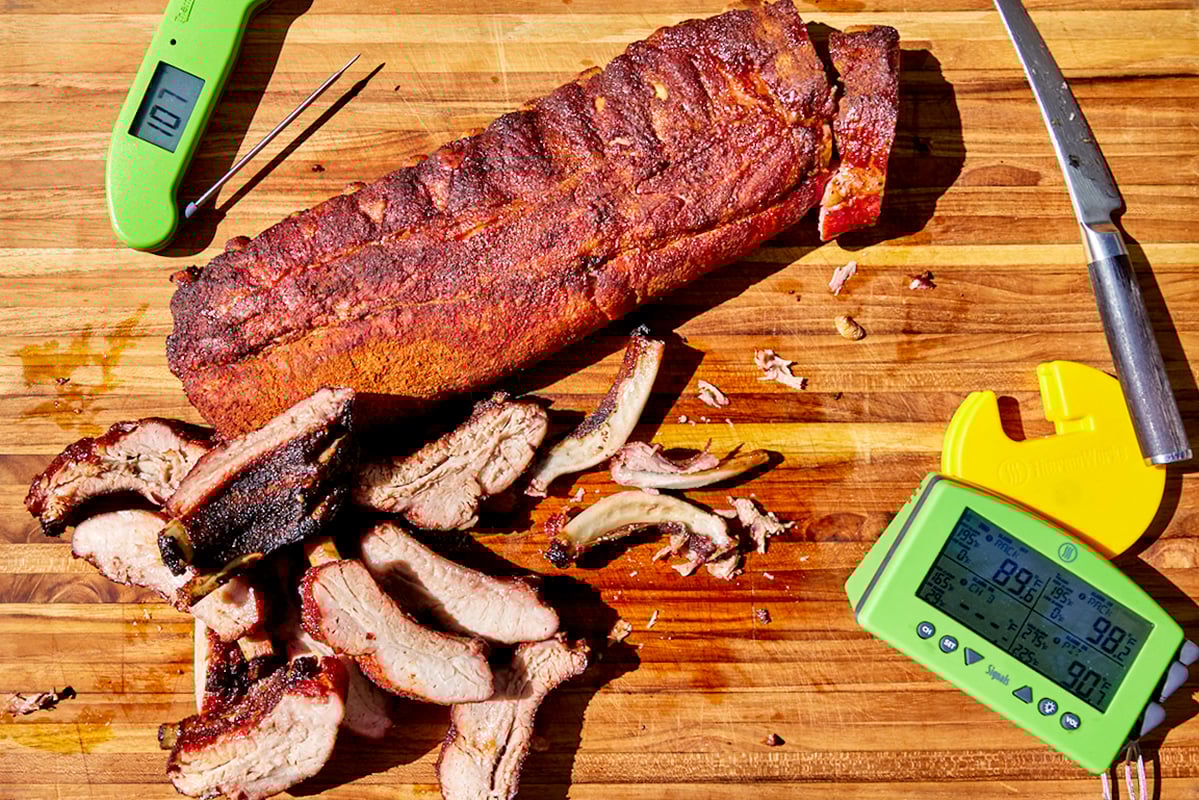
Credit: blog.thermoworks.com

Credit: www.hungryhuy.com
Frequently Asked Questions
How Long Should Ribs Be Smoked?
Ribs typically need 4 to 6 hours of smoking. Maintain a temperature of 225°F to 250°F for tender, flavorful ribs. Check for tenderness by testing meat pullback from the bones.
What Wood Is Best For Smoking Ribs?
Hickory, apple, and cherry wood are popular choices. Hickory offers a strong, smoky flavor. Apple and cherry provide a sweeter, milder taste. Choose based on your preferred flavor profile.
Should Ribs Be Wrapped While Smoking?
Yes, wrapping ribs in foil after 3 hours helps retain moisture. It speeds up cooking and tenderizes the meat. Unwrap for the last 30 minutes to firm the bark.
How Do I Prepare Ribs Before Smoking?
Remove the membrane on the bone side for better smoke absorption. Apply a dry rub with spices and let the ribs rest. This enhances flavor and tenderness during smoking.
Conclusion
Smoking ribs takes patience and care. Keep the temperature steady and use the right wood. Check the ribs often to avoid drying them out. Let them rest before serving for juicy results. Practice makes the process easier and more fun.
Enjoy the smoky flavor you create at home. Try different spices to find your favorite taste. Smoking ribs can bring family and friends together. Give it a try and savor every bite.

