

If you love the rich, smoky flavor of perfectly cooked pork, learning how to use a smoker is a game-changer for your cooking. You might think smoking meat is complicated, but with the right steps, you can easily become the star of your next barbecue.
Imagine biting into tender, juicy pork that melts in your mouth and leaves everyone asking for your secret. In this guide, you’ll discover simple tips and tricks that make smoking pork not just easy but truly delicious. Ready to impress your family and friends with mouthwatering smoked pork?
Keep reading to unlock the full potential of your smoker.
Choosing The Right Smoker
Choosing the right smoker is key to cooking perfect pork. Different smokers offer unique benefits. Picking one that fits your needs makes smoking easier and more enjoyable. Consider the type, fuel, and size before buying.
Types Of Smokers
Smokers come in various styles. Each style changes how heat and smoke move around the meat.
- Offset Smokers:Use a firebox on the side. Heat and smoke flow horizontally.
- Vertical Water Smokers:Stack design with water pan. Keeps meat moist.
- Electric Smokers:Use electricity to control temperature. Easy to use.
- Pellet Smokers:Burn wood pellets automatically. Offer steady heat and smoke.
Fuel Options
Fuel affects flavor and cooking time. Choose fuel that matches your taste and effort level.
- Charcoal:Gives smoky flavor. Needs more attention.
- Wood:Adds strong, natural smoke taste. Requires skill to manage.
- Electric:Simple and steady heat. Less smoky flavor.
- Pellets:Convenient and consistent. Mix of wood flavor and ease.
Size And Capacity
Size matters for how much pork you want to smoke. Think about space and cooking needs.
- Small Smokers:Good for family meals. Easy to move and store.
- Medium Smokers:Handle larger cuts or multiple items at once.
- Large Smokers:Best for parties or big batches. Require more space.
Selecting The Best Pork Cuts
Choosing the right cut of pork can make or break your smoking experience. Each cut offers different textures, flavors, and fat content, which all affect the final taste. Knowing what to select helps you get the perfect balance of tenderness and smoky goodness every time.
Popular Cuts For Smoking
Some pork cuts are naturally better suited for smoking. The most popular include:
- Pork Shoulder (Boston Butt):Known for its rich marbling and tenderness, it’s perfect for pulled pork.
- Pork Ribs (Spare Ribs or Baby Back Ribs):These are favorites for their flavorful meat and smoky crust.
- Pork Belly:High in fat and very flavorful, great for crispy, smoky bites.
- Pork Loin:Leaner than shoulder, good for those who want less fat but still want smoky flavor.
Have you ever wondered why some ribs fall off the bone effortlessly while others don’t? The cut you pick plays a big role.
Fat Content And Flavor
Fat is the secret ingredient that keeps smoked pork juicy and full of flavor. Cuts with higher fat content, like pork shoulder or belly, render slowly and baste the meat internally.
Lean cuts, such as pork loin, can dry out quickly if you’re not careful. You might need to add a marinade or wrap the meat during smoking.
Ask yourself: Do you want rich, melt-in-your-mouth pork or a leaner, firmer bite? Your choice of cut will guide your smoking method and timing.
Preparing The Meat
Before smoking, proper preparation is key. Trim excess fat but leave enough to keep the meat moist. Removing too much fat can dry out your pork during the long smoking process.
Apply a dry rub or marinade to enhance flavor. Let the meat rest with seasoning for at least an hour, or overnight if possible.
Remember to bring the meat to room temperature before smoking to ensure even cooking. This small step can improve texture and help the smoke penetrate better.
Preparing Your Smoker
Preparing your smoker properly sets the foundation for juicy, flavorful pork. Taking time to clean, arrange, and control your smoker can make a noticeable difference in your cooking results. Let’s dive into what you need to do before you even place the pork inside.
Cleaning And Maintenance
Start with a clean smoker. Old grease and ash can cause flare-ups and affect the flavor of your pork.
Remove leftover ashes and wipe down cooking grates with a wire brush. If grease has built up, use a mild detergent and warm water to scrub it off.
Don’t forget to check the smoker’s vents and seals. Any blockages or leaks can make temperature control difficult.
Setting Up For Indirect Heat
Smoking pork requires indirect heat to cook it slowly and evenly. Direct heat will burn the outside while leaving the inside undercooked.
Arrange your charcoal or wood on one side of the smoker. Place a water pan on the opposite side to maintain moisture and stabilize temperature.
Use a drip pan under the pork to catch juices and prevent flare-ups. This setup creates a gentle heat flow around your meat.
Controlling Temperature
Temperature control is key to smoking pork correctly. Too hot, and you risk drying out the meat; too low, and it will take forever to cook.
Use the smoker’s vents to adjust airflow. Opening vents increases temperature, while closing them lowers it.
Keep a reliable thermometer handy to monitor both the smoker’s internal temperature and the pork’s internal temperature.
Ask yourself: Are you ready to adjust vents and add fuel throughout the cook? Smoking demands patience and attention to maintain steady heat.
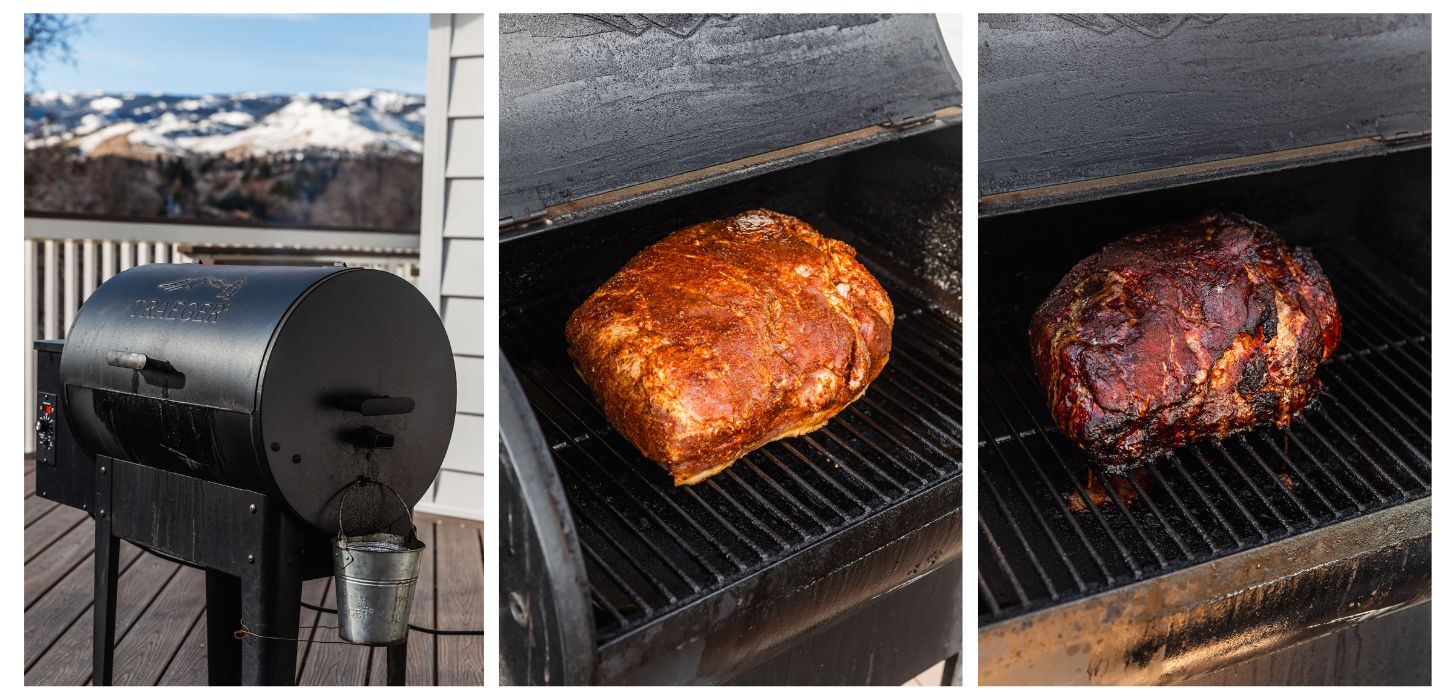
Credit: sundaytable.co
Seasoning And Marinades
Seasoning and marinades bring out the best flavors in smoked pork. Use simple spices and let the meat soak for a few hours. This helps the pork stay juicy and tasty during smoking.
Seasoning and marinades are essential when smoking pork, as they enhance the meat’s natural flavors and create a delicious crust. The right blend of spices or a flavorful marinade can transform your smoked pork from ordinary to extraordinary. Understanding the differences and applications of dry rubs and wet marinades will help you achieve mouthwatering results.Dry Rubs Vs. Wet Marinades
Dry rubs and wet marinades each have their unique benefits and applications. Dry rubs are a blend of spices and herbs applied directly to the meat’s surface, creating a flavorful crust as it smokes. They are quick to apply and can be customized with your favorite spices, like paprika, garlic powder, and brown sugar. Wet marinades, on the other hand, involve soaking the pork in a liquid mixture of oils, acids, and spices. This method infuses the meat with deep flavors and helps tenderize tougher cuts. Consider your time and desired flavor intensity when choosing between these two options.Flavor Combinations
Choosing the right flavor combination can make all the difference. For a classic taste, try a dry rub with a mix of salt, pepper, cumin, and smoked paprika. If you prefer a sweet and spicy profile, add some brown sugar and cayenne pepper to the mix. For wet marinades, a blend of apple cider vinegar, soy sauce, and honey can create a sweet and tangy flavor. Experiment with ingredients like citrus juices or bourbon for a unique twist. What flavors speak to your taste buds?Applying Seasonings
When applying seasonings, ensure that the pork is evenly coated for consistent flavor throughout. With dry rubs, pat the spices onto the meat, pressing gently to ensure they adhere. Allow the rub to sit for at least 30 minutes or even overnight in the fridge for deeper flavor penetration. For wet marinades, submerge the pork in the marinade, ensuring it’s fully covered. Marinate for at least a couple of hours or overnight, depending on the cut’s thickness. Proper seasoning application is key to achieving that perfect smoky taste.Smoking Process
Smoking pork is a slow and careful process that brings out deep flavors. It requires controlling heat and smoke to cook the meat evenly. The smoking process enhances the pork’s taste and texture.
Understanding temperature, smoke types, and monitoring are key steps in smoking pork properly. Each part plays a role in creating tender, juicy meat with a rich smoky aroma.
Temperature Guidelines
Keep the smoker temperature between 225°F and 250°F for best results. Low and slow heat helps break down pork fibers.
Use a reliable thermometer to check the smoker’s internal heat. Avoid sudden temperature changes.
The pork is done when it reaches an internal temperature of 195°F to 205°F. This range makes the meat tender and easy to pull apart.
Smoke Types And Wood Choices
Choose mild woods to avoid overpowering the pork’s natural flavor. Good options include:
- Apple wood
- Cherry wood
- Pecan wood
- Hickory (use sparingly for stronger flavor)
Hardwoods produce cleaner smoke and steady heat. Avoid softwoods like pine, as they create bad-tasting smoke.
Monitoring The Cook
Check the smoker every 30 to 60 minutes. Adjust vents and fuel to keep steady heat.
Use a meat thermometer to track pork temperature inside. Avoid opening the smoker too often to keep heat stable.
Spritz the pork with apple juice or vinegar every hour. This adds moisture and enhances smoke flavor.
Checking Doneness
Checking doneness is a key step in smoking pork. It ensures the meat is safe to eat and tastes great. Pork should be cooked just right—neither underdone nor dry. This step helps you know when the pork is perfectly smoked.
Internal Temperature Targets
Different cuts of pork need different temperatures to be done. For pork shoulder or butt, aim for 195°F to 205°F. This temperature breaks down the fat and makes the meat tender. For pork ribs, target around 190°F to 203°F for juicy, fall-off-the-bone results. Pork loin and tenderloin should reach 145°F for safe and juicy meat.
Using A Meat Thermometer
A meat thermometer is the best tool to check pork doneness. Insert the probe into the thickest part of the meat. Avoid touching bone or fat for an accurate reading. Digital instant-read thermometers work quickly and show precise temperatures. Check the temperature several times during cooking to track progress.
Resting The Pork
Resting pork after smoking lets the juices settle. Wrap the meat in foil and let it sit for 15 to 30 minutes. This step makes the pork juicier and easier to slice. Cutting the meat too soon will cause the juices to run out. Always rest before serving for the best flavor and texture.
Serving And Storing
Serving and storing smoked pork properly can make a big difference in your overall experience. How you slice the meat affects both its texture and flavor perception. Meanwhile, smart serving ideas can enhance your meal, and proper storage keeps your leftovers fresh and tasty for days.
Slicing Techniques
Always slice smoked pork against the grain. This breaks up muscle fibers and makes each bite tender. Use a sharp carving knife to get clean cuts without shredding the meat.
Think about the thickness too. Thin slices work well for sandwiches, while thicker cuts are perfect for plates. If you’re unsure, try a few different thicknesses and see what you like best.
Serving Suggestions
Smoked pork pairs beautifully with simple sides like coleslaw, baked beans, or cornbread. You can also offer a variety of BBQ sauces to let guests customize their flavor.
- Serve with pickles or fresh salads to balance the smoky richness.
- Consider warming tortillas for a tasty pork taco twist.
- Try adding smoked pork to mac and cheese for an indulgent upgrade.
What sides do you find bring out the best in your smoked pork? Experimenting can open up new favorites.
Storing Leftovers
Cool your smoked pork to room temperature before storing it in an airtight container. This helps prevent moisture buildup and sogginess.
Keep leftovers in the fridge for up to four days or freeze for longer storage—up to three months. Label your containers with the date so you don’t lose track.
When reheating, do it slowly in the oven or on low heat to keep the pork juicy. Quick microwave blasts often dry it out.

Credit: www.youtube.com
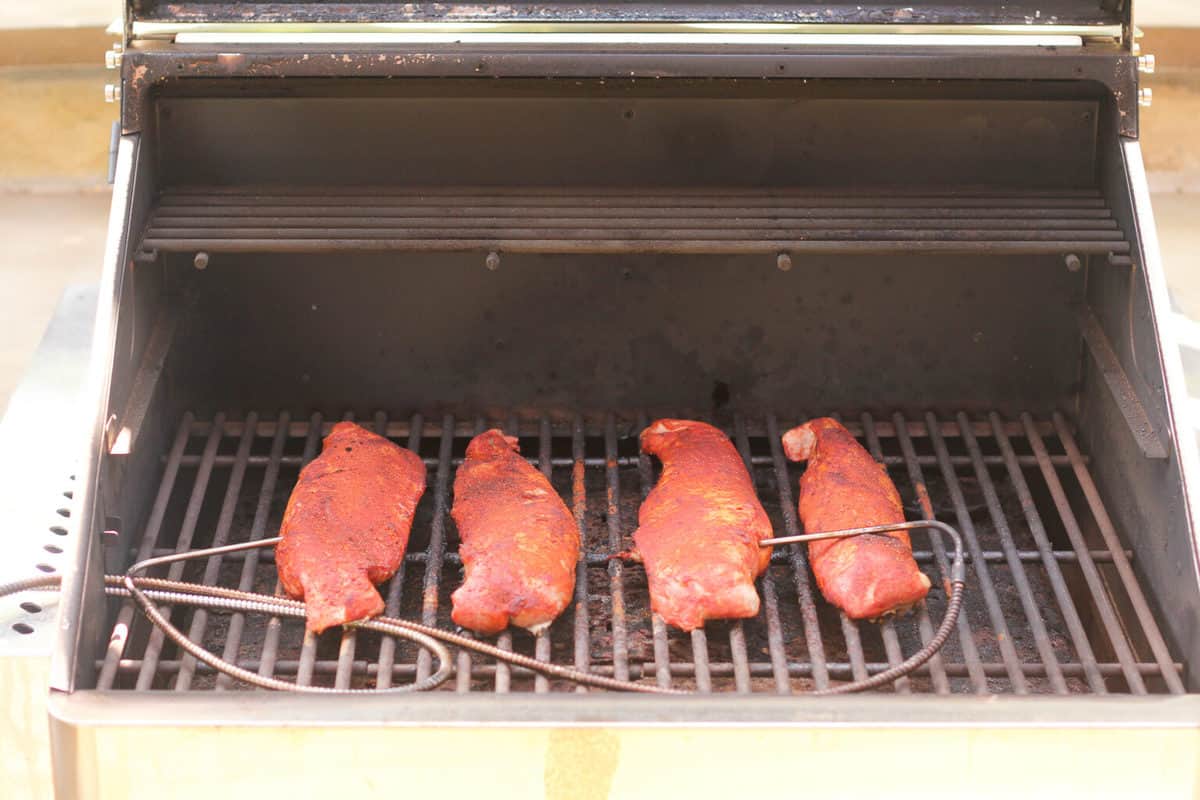
Credit: suebeehomemaker.com
Frequently Asked Questions
What Wood Is Best For Smoking Pork?
Hickory, apple, and cherry woods are popular for smoking pork. They add a rich, smoky flavor without overpowering. Choose mild woods like apple for a sweeter taste. Hickory provides a stronger, classic smoky flavor. Experiment to find your preferred taste profile.
How Long Should I Smoke Pork?
Smoking pork typically takes 4 to 6 hours at 225°F (107°C). Time varies based on pork cut and smoker type. Use a meat thermometer to ensure an internal temperature of 195°F to 205°F for tender pork. Patience is key for perfect smoked pork.
Should I Marinate Pork Before Smoking?
Marinating pork before smoking is recommended. It enhances flavor and keeps the meat moist during smoking. Use a marinade with acids, herbs, and spices for best results. Marinate for at least 2 hours or overnight for deeper flavor penetration.
How Do I Maintain Smoker Temperature For Pork?
Keep smoker temperature steady at 225°F to 250°F. Use a reliable thermometer to monitor heat. Adjust air vents to control airflow and temperature. Add fuel gradually to avoid temperature spikes. Consistency ensures even cooking and tender pork.
Conclusion
Smoking pork takes time and patience, but it is worth it. Use the right wood and keep the temperature steady. Check the meat often to avoid drying it out. Let the pork rest after smoking for better flavor. Enjoy your tasty, juicy pork with friends or family.
Smoking pork is a fun way to cook and share great food. Give it a try and see how delicious smoked pork can be.

