
You’ve invested in a generator to keep your home powered during outages or for your outdoor adventures. But do you know the best way to store it so it stays ready when you need it most?
Improper storage can damage your generator, shorten its lifespan, and leave you stranded without power. This guide will show you simple, effective steps to store your generator safely and keep it running smoothly. Keep reading to protect your investment and ensure your generator is always ready to go.
Preparing The Generator
Use a soft cloth to wipe the generator. Remove all dirt and dust. Check for any damage or loose parts. Make sure all areas are dry. This prevents rust and other problems.
Empty the fuel tank completely. Use a siphon pump for safety. Run the generator until it stops. This removes all fuel from the system. Store the generator in a well-ventilated area.
Drain the old oil into a container. Replace it with fresh oil. Check the oil level with a dipstick. Ensure it reaches the correct mark. This keeps the engine running smoothly.
Disconnect the battery cables carefully. Remove the battery from its compartment. Store the battery in a cool, dry place. Keep it away from children and pets. This prevents any accidental discharge.

Credit: www.amazon.ca
Choosing The Right Storage Location
Choosing the right place to store a generator keeps it safe and ready to use. Indoor storage protects the generator from weather, but it needs good ventilationto avoid harmful fumes. A garage or shed with air flow works well.
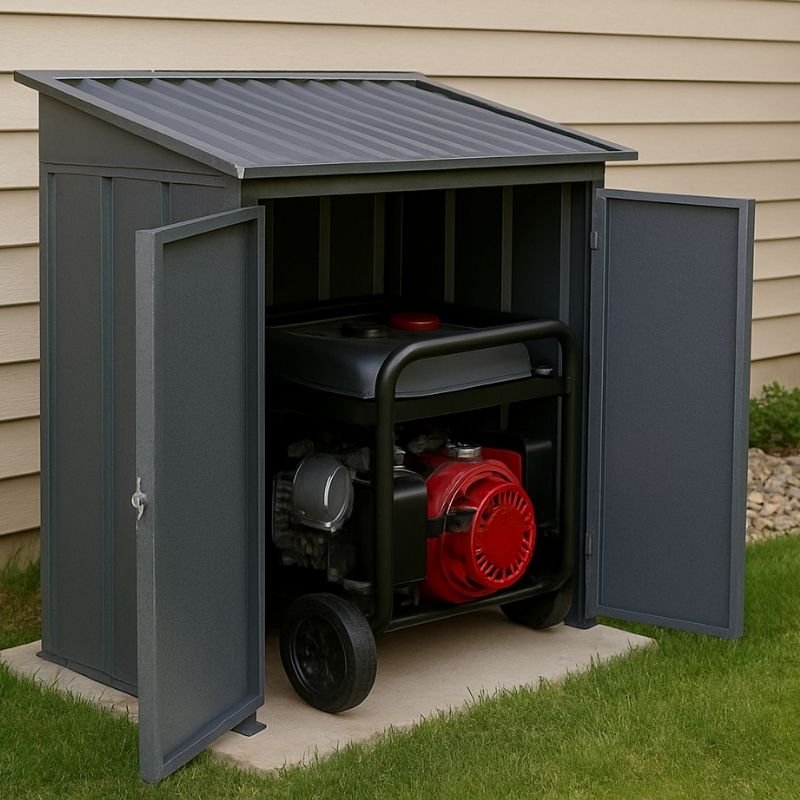
Outdoor storage is easy but needs protection from moisture. Use a waterproof coveror store under a roof. Keep the generator off the ground to stop rust and damage.
| Storage Type | Advantages | Disadvantages |
|---|---|---|
| Indoor | Protects from weather Safe from theft | Needs good ventilation Risk of fumes indoors |
| Outdoor | Easy access No fume risk | Needs waterproof cover Risk of moisture damage |
Using Proper Storage Equipment
Fuel stabilizerskeep gasoline fresh and stop it from breaking down. Add stabilizer to the fuel tank before storing your generator. Run the engine for a few minutes to mix the stabilizer with the fuel system. This helps prevent clogging and ensures the generator starts easily after storage.
Covering the generatorprotects it from dust, dirt, and moisture. Use a breathable cover to avoid trapping moisture inside. A good cover helps keep the generator clean and ready to use when needed.
Elevating the unitstops moisture damage from ground contact. Place the generator on a wooden pallet or a sturdy platform. This keeps it dry and prevents rust or corrosion on metal parts.
Maintaining The Generator During Storage
Regular inspection helps keep your generator ready and safe. Check for fuel leaks, damaged parts, and cleanliness. Clean dirt and debris from the exterior. Make sure all bolts and screws are tight.
Running the generator periodically prevents fuel from getting stale. Turn it on for about 15 minutesevery month. This keeps the engine lubricated and battery charged.
Battery maintenance is key for long storage. Keep the battery clean and fully charged. Remove the battery if storing for a long time. Store it in a cool, dry place and charge it every few weeks.
Preparing The Generator For Use After Storage
Refill the generator with fresh oiland fuelbefore use. Old fluids can cause damage. Check the oil level and top up if needed. Fill the fuel tank with clean, fresh gasoline. Use the right type of oil and fuel for your model.
Inspect the generator’s key parts carefully. Look for cracks, leaks, or corrosion. Make sure the air filter is clean and dry. Check the spark plug for wear or dirt. Tighten any loose screws or bolts.
Run the generator for a few minutes to test it. Listen for unusual soundsor vibrations. Make sure it starts easily and runs smoothly. This helps find any problems before actual use.

Credit: sealiontrailers.com

Credit: solarips.com
Frequently Asked Questions
How Do I Prepare A Generator For Storage?
To prepare a generator for storage, turn off the fuel valve, drain the fuel tank, and run the engine until it stops. Clean the generator, change the oil, and store it in a dry, cool place away from direct sunlight.
How Long Can A Generator Be Stored Safely?
A generator can be stored safely for up to six months with proper maintenance. For longer storage, use fuel stabilizers and periodically run the generator to keep it functional and prevent fuel system issues.
Should I Drain The Fuel Before Storing A Generator?
Yes, draining the fuel before storage is crucial. Old fuel can cause clogging and damage the carburetor. Run the generator until it stops after draining the fuel tank to clear any remaining fuel.
Where Is The Best Place To Store A Generator?
The best place to store a generator is a dry, well-ventilated, and cool area. Avoid damp environments to prevent rust and corrosion. Keep it covered to protect from dust and debris.
Conclusion
Storing your generator properly keeps it ready for use. Clean it well and drain the fuel before storage. Store it in a dry, cool place away from dust. Check it regularly to avoid any damage or rust. Cover the generator with a breathable cloth to protect it.
Following these steps helps your generator last longer. Safe storage means it will work when you need it most. Simple care makes a big difference in generator life. Keep your generator safe and ready for emergencies.
