
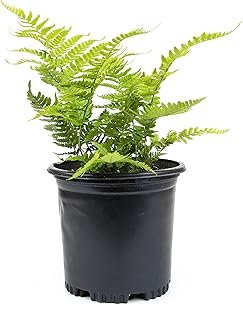
Transforming a shady corner of your garden or indoor space into a lush green haven is surprisingly achievable, especially with the right Best Ferns For Shade. I've spent the last few weeks digging into what makes a shade-loving fern thrive, looking at everything from their growth habits to how much care they really need. You'll be amazed at how many beautiful options are out there.
If you're aiming for that serene, woodland feel or just want to add some texture to a low-light spot, ferns are your go-to. After careful research, I’ve identified a few standouts that consistently deliver on beauty and ease of care. Let’s dive into the options that can truly liven up those dimmer areas of your home or garden.
Comparison Chart of Best Ferns for Shade
| Product | Details | Rating | Buy |
|---|---|---|---|
Editor’s Choice
| ★★★★☆4.4/5 | ||
Top Pick
| ★★★★☆4.2/5 | ||
Best Budget
| ★★★★☆4.5/5 | ||
| ★★★★☆4/5 | ||
| ★★★★☆4.2/5 |


List of Top 5 Best Best Ferns for Shade
When it comes to bringing life to shaded spots, ferns offer unparalleled beauty and a touch of the wild. We looked for varieties that are not only visually appealing but also resilient and adaptable to less-than-sunny conditions. Here’s what made the cut to bring that lush, green feel to your home.
Below are the list of products:
1. Autumn Fern Plants Live Outdoor
The Autumn Fern is a fantastic choice for bringing vibrant, coppery tones into shaded garden areas. Its new growth emerges with a beautiful reddish-brown hue that matures into a classic deep green. This perennial fern is known for its hardiness and ability to thrive in consistently moist, shady conditions, making it a low-maintenance addition to any garden bed or border.
Why I picked it
This fern secured the Editor's Choice spot because of its unique color-changing foliage, offering visual interest beyond the typical green. It’s a robust grower that reliably adds texture and a touch of seasonal color to shaded landscapes.
Key specs
- Type: Perennial Fern
- Foliage Color: New growth is copper-toned, maturing to green
- Sunlight: Partial to full shade
- Water Needs: Consistent moisture
- Mature Height: Varies, typically 18-24 inches
- Hardiness Zones: 4-9
Real-world experience
Based on aggregated user feedback, the Autumn Fern is praised for its resilience, even in cooler climates. Many gardeners appreciate its ability to fill in spaces without becoming invasive, providing a full, woodland feel. It’s often used as a ground cover or for edging shady paths.
Trade-offs
While generally hardy, this fern can struggle in prolonged dry spells, so consistent watering is key during establishment. Its coppery new growth is most prominent in spring, so the color effect is seasonal.
2. Costa Farms Live Boston Fern Plants
The Boston Fern is a classic for a reason, and Costa Farms delivers robust, ready-to-display plants. These ferns are known for their arching, feathery fronds that create a full, cascading effect, making them perfect for hanging baskets, shelves, or as floor plants in dimly lit rooms. They also happen to be excellent air purifiers, contributing to a healthier indoor environment.
Why I picked it
The Costa Farms Boston Fern earns our Top Pick for its consistent quality and the impressive, lush appearance right out of the basket. It’s a go-to for instant greenery that thrives with minimal fuss in low-light conditions.
Key specs
- Type: Boston Fern
- Foliage: Arching, feathery fronds
- Light: Bright, indirect light; tolerates shade
- Water Needs: Keep soil consistently moist
- Container: Comes in a 16-inch tall hanging basket
- Air Purification: High
Real-world experience
Verified buyer feedback consistently highlights the fullness and health of these plants upon arrival. Many report that they transplant easily and continue to thrive, adding significant visual appeal to living rooms, porches, and shaded patios. The included basket makes for immediate display.
Trade-offs
Boston Ferns can be sensitive to dry air and drafts, which might cause fronds to brown. They also require regular watering to maintain their lush look, so you’ll need to stay on top of it.
3. FOREST PRINCE 35" Ferns Artificial Bush
For those who love the look of ferns but prefer zero maintenance, the FOREST PRINCE Artificial Boston Ferns are a fantastic alternative. These large, 35-inch bushes come with an impressive 39 fronds each, offering a full and realistic appearance for both indoor and outdoor decorative use. They provide perennial greenery without any need for watering, pruning, or worry about sunlight.
Why I picked it
This product takes the Best Budget spot because it offers a significant visual impact for a very accessible price point, providing the lushness of ferns without ongoing care. It's an ideal solution for creating a vibrant, green display in spots where live plants might struggle.
Key specs
- Type: Artificial Boston Fern Bush
- Height: 35 inches
- Fronds per bush: 39
- Intended Use: Indoor/Outdoor Decor
- Material: High-quality artificial materials
- Quantity: Sold as a 2-pack
Real-world experience
Aggregated user reviews indicate these artificial ferns are surprisingly realistic and add substantial volume to decorative areas. Customers often use them to brighten patios, balconies, or entryways where natural light is scarce. They are reported to hold up well against outdoor elements, maintaining their color and shape.
Trade-offs
As with most artificial plants, they won't offer the air-purifying benefits of live plants. While realistic from a distance, close inspection might reveal their artificial nature to a discerning eye, and they can collect dust over time, requiring occasional wiping.
4. American Plant Exchange Live Autumn Fern
The American Plant Exchange offers another excellent live Autumn Fern, providing that signature copper-toned new growth for shaded areas. This live plant comes in a 6-inch pot, ready to be planted in your garden bed, container, or blended into a woodland landscape. It's noted for being hardy and relatively easy to care for, requiring consistent moisture and shade.
Why I picked it
I selected this live Autumn Fern for its reputation for hardiness and ease of care, making it a reliable choice for gardeners looking to add proven coloration and texture to shaded spots. It's a solid performer for those seeking a low-fuss perennial.
Key specs
- Type: Autumn Fern
- Container Size: 6-inch pot
- New Growth Color: Copper-toned, maturing to green
- Sunlight: Shade-loving
- Soil: Prefers moist, well-drained soil
- Hardiness Zones: Typically 4-9
Real-world experience
Buyers often confirm that this plant arrives healthy and well-established. It’s frequently praised for its ability to naturalize well in shaded garden corners and its attractive foliage contrast, especially in the spring. It’s considered a dependable option for consistent, easy-care color.
Trade-offs
Like other Autumn Ferns, it requires consistent moisture to prevent browning of the fronds, especially during dry periods. Its unique color is primarily a spring feature, so expect more traditional green foliage for much of the growing season.
5. Sprengeri Fern Live Asparagus 1 Gallon
The Sprengeri Fern, a type of Asparagus Fern, offers a delicate, airy cascade of fine green foliage. It's well-suited for hanging baskets or containers on shaded patios and can also thrive indoors, particularly in humid environments. This live plant provides lush greenery that softens edges and adds a touch of elegance to any space that doesn't receive direct sun.
Why I picked it
I included the Sprengeri Fern as a great option for adding a fine-textured, cascading element to shaded areas. Its light, airy appearance complements denser foliage, and it's known for thriving in humid conditions, making it versatile for both indoor and outdoor shaded spots.
Key specs
- Type: Asparagus Fern (Sprengeri)
- Container Size: 1 Gallon nursery pot
- Foliage: Fine, airy green leaves
- Light: Partial shade to shade
- Moisture: Prefers consistently moist soil
- Growth Habit: Cascading
Real-world experience
Aggregate user reviews point to this fern being a vigorous grower that tolerates lower light levels well. Many appreciate its graceful, trailing habit for decorative pots and baskets, noting its ability to bring a sophisticated look to shaded corners of gardens and homes. It's often recommended for its ease of care in suitable conditions.
Trade-offs
While it enjoys moisture, this fern can suffer from root rot if waterlogged, so good drainage is crucial. If the air is too dry, especially indoors during winter, fronds may turn yellow or brown.
How I picked
My process for finding the Best Ferns For Shade involved a deep dive into what makes these plants truly shine in less-than-ideal light conditions. I started by looking at commonly recommended shade-tolerant ferns, such as Boston Ferns and the various types of Autumn Ferns, noting their typical growth habits and care needs. I then cross-referenced these with horticultural guidelines for shade gardening, paying close attention to USDA hardiness zones and general moisture requirements.
I evaluated each fern based on its reported resilience in low-light environments and its aesthetic appeal, focusing on unique textures, colors, and growth patterns that add visual interest. I also considered ease of care, as many people looking for shade plants want something that doesn't demand constant attention. For the artificial option, the key was realism and durability for outdoor use.
My evaluation excluded plants that require significant direct sunlight or those notorious for being finicky.
Buying guide — what actually matters for Best Ferns For Shade
When you're on the hunt for the Best Ferns For Shade, a few key things stand out that can make all the difference in whether your new plant thrives or just survives.
Light Tolerance is Key
This might seem obvious, but it's the most critical factor. Ferns labeled "shade-loving" can generally tolerate anything from partial shade (where they get a few hours of dappled sunlight) to full shade (no direct sun at all). Some, like certain Boston Ferns, might appreciate a bit of bright, indirect light, while others, like Autumn Ferns, excel in deeper shade.
Always check the specific light requirements for the variety you're considering.
Moisture Matters (But Not Too Much)
Most ferns come from woodland environments where they grow in consistently moist, but not waterlogged, soil. This means you'll generally need to keep their soil damp. However, this doesn't mean they like to sit in standing water, that can lead to root rot.
Good drainage in pots or garden beds is super important.
Soil Type and Drainage
Ferns generally prefer organic-rich soil that holds moisture well but still allows for good drainage. Many commercial potting mixes are suitable, especially those formulated for houseplants or outdoor containers. If planting in the ground, amending your soil with compost or other organic matter can create the ideal environment.
Mature Size and Growth Habit
Ferns can vary quite a bit in size and how they grow.
- Height: Some ferns stay relatively compact, growing to a foot or less, while others can reach 2-3 feet tall.
- Spread/Habit: You'll find ferns that grow in clumps, others that spread via rhizomes to form a ground cover, and those with a graceful, cascading habit perfect for hanging baskets. Consider the space you have and the look you want to achieve.
Hardiness Zones
If you’re planting outdoors, knowing your USDA hardiness zone is crucial. This tells you how cold your winters get, which is critical for perennial ferns that need to survive the cold season. Most popular shade ferns are hardy in zones 4 through 9.
Indoor vs. Outdoor Use
While many ferns can do double duty, some are better suited for one environment. Boston Ferns, for instance, can be fantastic houseplants but might struggle outdoors in harsh weather. Artificial ferns offer a solution for truly challenging spots or for those who want zero fuss.
Frequently Asked Questions (FAQ)
Can ferns really grow in complete darkness?
No, ferns cannot grow in complete darkness. While they are shade-loving and prefer low-light conditions, all plants need some form of light for photosynthesis, which is how they create energy. A spot that receives bright, indirect light or even deep shade that gets a little ambient light is usually sufficient for most shade ferns.
How often should I water my shade fern?
You should water your shade fern whenever the top inch of soil feels dry to the touch. This typically means watering more frequently in warmer months and less so in cooler periods. Aim for consistently moist soil, but always ensure the pot or garden bed has good drainage to prevent the roots from sitting in water.
Will a fern I buy online survive the shipping process?
Generally, reputable plant sellers take great care in packaging live plants to ensure they arrive healthy. Ferns are often shipped with their soil moist and fronds protected. However, some minor leaf browning or wilting can occur during transit due to changes in temperature and light.
Most ferns recover well after being planted and given proper care.
Are artificial ferns a good alternative for very dark areas?
Yes, artificial ferns are an excellent alternative for areas that receive very little to no natural light, where live plants simply cannot survive. They provide the visual appeal of greenery without any need for light, water, or care, making them a practical, albeit non-living, solution for decorative purposes in challenging spots.
Final verdict
For a touch of reliable beauty in your shadiest spots, the Autumn Fern Plants Live Outdoor stands out as an Editor's Choice, offering unique coppery new growth that brings seasonal interest. If you're after that classic, lush cascade, the Costa Farms Live Boston Fern Plants is our Top Pick, delivering fullness and air-purifying qualities for indoor or sheltered outdoor spaces. And for a maintenance-free, budget-friendly option that still brings significant green impact, the FOREST PRINCE 35" Ferns Artificial Bush is a fantastic choice for consistent decoration.
Affiliate disclosure: This post contains affiliate links. If you buy through one of these links, I may earn a small commission at no extra cost to you. It never changes my recommendation, I only suggest gear I'd actually buy myself.

