
If you want a lush, green lawn that stands out in your neighborhood, it all starts with your backyard soil. Healthy soil is the secret foundation for strong grass roots and vibrant growth.
But how do you know if your soil is ready for a new lawn? And what simple steps can you take to improve it before planting? You’ll discover easy, effective ways to transform your soil so your new lawn can thrive.
Keep reading to unlock the key to a beautiful, healthy yard you’ll love to show off.
Credit: mulchpros.com
Assess Soil Condition
Before planting a new lawn, check your backyard soil condition. Good soil helps grass grow healthy and strong.
Assessing soil means looking at its pH, type, and drainage. This helps you know what the soil needs.
Test Soil Ph And Nutrients
Soil pH shows how acidic or alkaline your soil is. Grass grows best in a pH of 6.0 to 7.0.
You can test nutrients like nitrogen, phosphorus, and potassium. These help grass grow green and strong.
- Buy a soil test kit from a garden store
- Collect soil samples from different spots
- Follow kit instructions to test pH and nutrients
- Adjust soil with lime or sulfur to fix pH
- Add fertilizer if nutrients are low
Identify Soil Type
Soil type affects how well grass roots grow and hold water. Common types are sandy, clay, and loam.
Sandy soil drains fast but holds fewer nutrients. Clay soil holds water but drains slowly. Loam is balanced and best for lawns.
- Sandy soil feels gritty and dries quickly
- Clay soil feels sticky and stays wet
- Loam soil feels soft and crumbly
Check Soil Drainage
Good drainage stops water from pooling on your lawn. Poor drainage can kill grass roots.
Test drainage by digging a small hole and filling it with water. See how fast the water drains.
- If water drains within 1-2 hours, drainage is good
- If water stays for more than 4 hours, drainage is poor
- Improve drainage by adding organic matter or sand
Credit: www.housedigest.com
Clear And Prepare The Area
Preparing your backyard soil is important before planting a new lawn. Clear the area well to help grass grow strong and healthy.
Good preparation makes it easier for roots to take hold and soak up water and nutrients.
Remove Debris And Weeds
Start by removing all debris like sticks, rocks, and trash. These can block new grass from growing well.
Pull out weeds by hand or use a garden tool. Weeds compete with grass for water and nutrients.
- Clear away sticks, stones, and trash
- Pull weeds carefully, including roots
- Dispose of debris and weeds properly
Loosen Compacted Soil
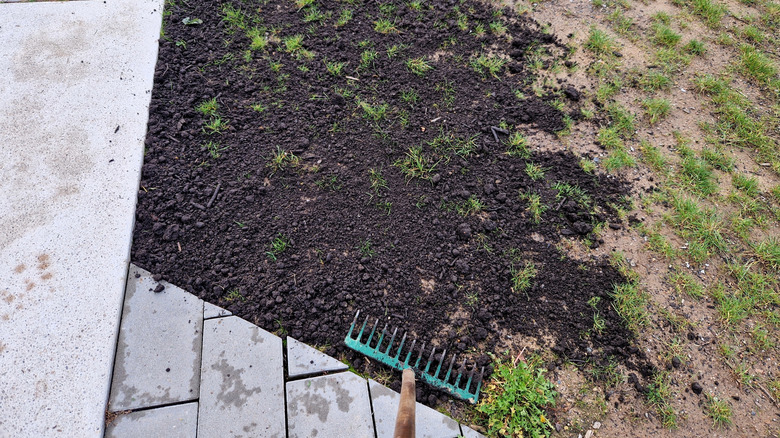
Soil can get hard and compacted, making it hard for grass roots to grow. Loosen the soil with a rake or garden fork.
Break up large clumps and turn the soil to improve air and water flow.
- Use a garden fork or tiller to loosen soil
- Work soil to a depth of 4 to 6 inches
- Remove large clumps and smooth the surface
Enhance Soil Quality
Good soil helps your new lawn grow strong and healthy. Improving soil quality gives roots the nutrients they need.
Soft, rich soil holds water and air well. This makes it easier for grass to grow deep roots.
Add Organic Matter
Organic matter improves soil texture and fertility. It helps soil hold moisture and nutrients better.
Materials like leaves, grass clippings, and straw break down over time. They feed helpful soil organisms.
- Spread a thin layer of organic matter over the soil
- Mix it into the top few inches of soil
- Use materials that are free of chemicals
Incorporate Compost
Compost adds nutrients and beneficial microbes to the soil. It helps improve soil structure and drainage.
Use well-rotted compost to avoid burning the grass roots. Apply compost before planting your new lawn.
- Spread 1 to 2 inches of compost on your soil
- Mix it into the top 4 to 6 inches of soil
- Water the soil to help microbes activate
Use Soil Amendments
Soil amendments improve soil pH and nutrient levels. They fix problems like compacted or sandy soil.
Common amendments include lime to raise pH and gypsum to loosen clay soil. Test your soil before adding them.
- Lime helps if soil is too acidic
- Gypsum breaks up heavy clay soil
- Sand improves drainage in clay soils
- Peat moss adds organic matter to sandy soils
Level And Grade The Soil
Preparing your backyard soil is key to growing a healthy new lawn. Leveling and grading the soil helps create a smooth surface for planting grass seeds or laying sod.
Proper soil preparation prevents water pooling and ensures the lawn grows evenly. Start by removing rocks and debris before working on the soil level.
Smooth Surface
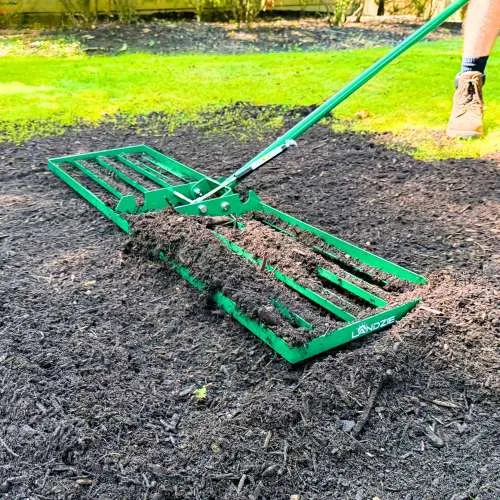
Creating a smooth surface helps grass roots spread evenly. Use a rake or a landscaping tool to spread soil and fill low spots. This makes mowing easier and prevents bare patches.
- Clear large debris and stones from the soil
- Use a garden rake to spread the soil evenly
- Fill any dips or holes with topsoil
- Check the surface by walking to spot uneven areas
- Repeat raking until the surface feels smooth
Ensure Proper Drainage
Good drainage stops water from pooling on your lawn. Standing water can kill grass and cause mud patches. Grading the soil away from buildings helps water flow off the lawn.
| Drainage Tip | How to Do It |
| Check Slope | Make sure soil slopes 1-2% away from structures |
| Remove Low Spots | Fill in areas where water collects |
| Use Soil Amendments | Add sand or organic matter to improve soil texture |
| Install Drainage | Consider French drains if water problems persist |
Choose The Right Lawn Grass
Choosing the right grass is key for a healthy new lawn. The grass type must match your soil and environment. This helps the lawn grow strong and stay green.
Think about your soil and climate before planting. Picking the right grass saves time and effort in lawn care.
Select Grass For Soil Type
Different grasses do best in certain soil types. Some need sandy soil, while others prefer clay or loam. Matching grass to soil helps roots grow deep and strong.
| Soil Type | Recommended Grass Types |
| Sandy | Bermuda, Zoysia |
| Clay | Fescue, Kentucky Bluegrass |
| Loam | Ryegrass, Tall Fescue |
| Acidic | Centipede, St. Augustine |
Consider Climate And Sunlight
Grass grows best in climates that fit its needs. Some grasses like heat and sun. Others do well in cooler or shaded spots.
- Warm-season grasses grow in hot, sunny places.
- Cool-season grasses thrive in cooler weather.
- Shade-tolerant grasses need less sunlight.
Water And Maintain Soil
Improving backyard soil is key for a healthy new lawn. Proper watering helps soil quality and grass growth. Follow simple steps to water and maintain soil effectively.
Establish A Watering Schedule
A consistent watering schedule helps keep soil moist and supports grass roots. Watering early in the morning is best. This reduces evaporation and allows soil to absorb water fully.
| Time of Day | Watering Benefit |
| Early Morning | Reduces evaporation, maximizes absorption |
| Late Afternoon | Possible fungal growth, not ideal |
Avoid Overwatering
Too much water can harm soil and grass. It leads to shallow roots and soil compaction. Check soil moisture before watering. This prevents water waste and keeps lawn healthy.
- Check soil moisture with a stick or finger
- Water only when soil is dry an inch deep
- Use a rain gauge to monitor rainfall
Credit: landzie.com
Frequently Asked Questions
How Do I Test My Backyard Soil Quality?
Test soil by collecting samples from different spots. Use a home test kit or send samples to a lab. Testing reveals pH, nutrient levels, and soil type, helping you choose the right amendments for a healthy new lawn.
What Are The Best Soil Amendments For Lawns?
Add organic compost, peat moss, or aged manure to improve soil structure. Lime adjusts pH if soil is acidic. These amendments boost nutrient content, drainage, and moisture retention, creating ideal conditions for new grass growth.
How Often Should I Aerate My Lawn Soil?
Aerate your soil once or twice a year, ideally in spring or fall. Aeration reduces soil compaction, improves oxygen flow, and enhances water absorption, promoting stronger root development for your new lawn.
Can I Improve Soil Without Chemicals?
Yes, use natural methods like compost, mulch, and cover crops. These enrich soil health without harmful chemicals, supporting sustainable lawn growth and protecting the environment.
Conclusion
Improving your backyard soil takes time and care. Test the soil first to know what it needs. Add organic matter like compost to feed the soil. Keep the soil loose and well-drained for healthy roots. Water the soil gently but regularly.
Avoid heavy chemicals that can harm soil life. Healthy soil helps your new lawn grow strong and green. Small steps now bring big results later. Start today and enjoy a beautiful lawn soon.

