
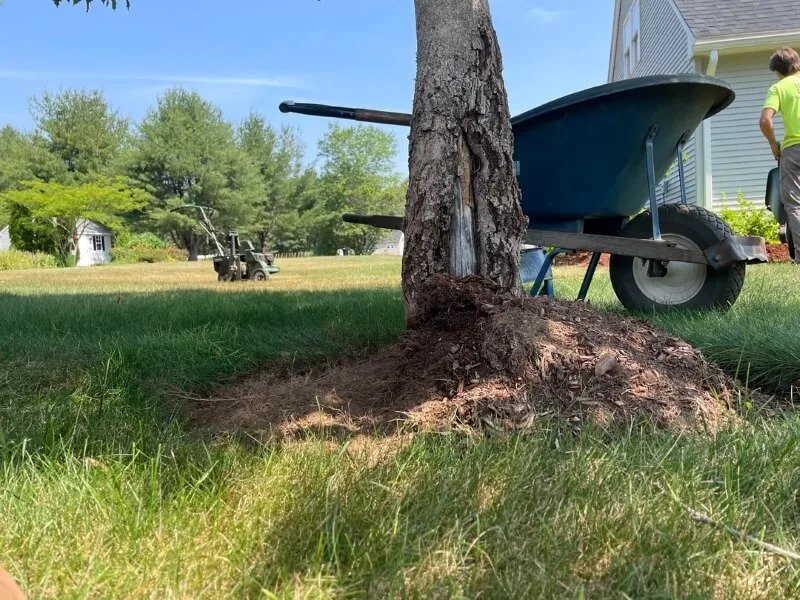
Have you ever noticed patches of damaged grass after using a wheelbarrow in your yard? You might be wondering, can a wheelbarrow actually harm your lawn?
If you care about keeping your grass green and healthy, this is an important question. The truth is, your wheelbarrow could be causing more damage than you realize—but there are simple ways to prevent it. Keep reading to discover how your lawn might be affected and what you can do to protect it while still getting your work done.

Credit: www.express.co.uk
How Wheelbarrows Affect Lawns
Wheelbarrows are useful tools for garden work. They help carry heavy loads easily. But using a wheelbarrow on a lawn can cause problems. The weight and movement can harm the grass and soil.
This article explains how wheelbarrows affect lawns. It looks at pressure, soil compaction, grass damage, and injuries caused by wheelbarrows.
Pressure And Soil Compaction
Wheelbarrows put pressure on the lawn because of their weight. The pressure pushes down the soil. This causes soil compaction, which means the soil becomes hard and dense. Compacted soil stops water and air from reaching the roots.
Soil compaction makes it hard for grass to grow well. The roots cannot spread out and get enough nutrients. Over time, the lawn becomes weak and patchy in places where the wheelbarrow is used a lot.
- Heavy wheelbarrows increase soil compaction
- Compacted soil reduces air and water flow
- Hard soil limits root growth
- Repeated use worsens lawn damage
Grass Damage And Root Stress
Rolling a wheelbarrow over grass can crush the blades. The grass loses its ability to photosynthesize well. Crushed grass looks brown and unhealthy. It may take time to recover or die if damaged often.
The roots also face stress from the pressure. Stressed roots cannot absorb enough water and nutrients. This weakens the grass and makes it more prone to disease and drought.
- Wheelbarrows crush grass blades
- Damaged grass loses green color
- Root stress reduces water uptake
- Weak grass is less healthy
Common Wheelbarrow-related Injuries
Using a wheelbarrow on a lawn can also cause injuries. The user may slip or trip on uneven ground. The wheelbarrow may tip over if overloaded. These accidents can cause strains, sprains, or cuts.
It is important to use the wheelbarrow carefully. Avoid sharp turns and heavy loads on soft grass. Wear proper shoes to prevent slips and keep the lawn safe.
- Slips and trips from uneven lawn
- Wheelbarrow tipping over
- Strains from lifting heavy loads
- Cuts from sharp edges or tools
Choosing The Right Wheelbarrow
Using a wheelbarrow on your lawn can sometimes cause damage. Picking the right wheelbarrow helps protect your grass. The right choice reduces marks and soil compaction.
Consider the wheelbarrow’s wheel type, weight, and design. These features affect how much harm it can do to your lawn.
Wheel Types And Their Impact
Wheelbarrows come with different wheels. The type of wheel changes how the weight spreads on the grass.
Pneumatic wheels have air and can absorb shocks. They cause less damage because they roll smoothly.
- Solid rubber wheels are hard and can leave deep tracks.
- Pneumatic wheels spread weight better and reduce soil compaction.
- Plastic wheels are light but may damage soft grass.
Weight And Load Considerations
A heavy wheelbarrow presses down more on the grass. This can crush the blades and soil underneath.
Loading the wheelbarrow with heavy materials adds to the pressure. Lighter loads help keep your lawn safe.
- Empty wheelbarrows should be light to push easily.
- Do not overload; heavy loads increase ground damage.
- Balance the load to avoid uneven pressure on grass.
Design Features To Protect Grass
Some wheelbarrows have features that reduce lawn damage. Wider wheels and good balance help spread the weight.
Look for designs with cushioned grips and sturdy frames. These help control the wheelbarrow better and avoid sharp turns that hurt grass.
- Wide tires spread weight over a larger area.
- Two-wheel designs give more stability on soft ground.
- Good handles help with smooth steering and less grass damage.
Best Practices For Wheelbarrow Use
Using a wheelbarrow can make yard work easier. But if not used well, it can harm your lawn.
Follow some simple steps to protect your grass while moving soil or tools.
Proper Pathways To Minimize Damage
Choose firm and stable paths for wheelbarrow travel. Avoid driving over soft or uneven grass.
Use existing walkways or create temporary paths with boards or mats to protect the lawn.
- Stick to dry, compacted soil areas
- Use mulch or plywood to cover soft spots
- Plan routes to avoid lawn corners and edges
Techniques For Even Weight Distribution
Load the wheelbarrow evenly to keep balance. This reduces pressure on the grass below.
Keep heavy items close to the wheel and spread weight side to side for better control.
- Place heavy soil or stones near the wheel
- Distribute tools and materials evenly
- Avoid overloading one side of the wheelbarrow
Avoiding Wet Or Fragile Areas
Wet grass is soft and easy to damage. Wait for dry conditions before using a wheelbarrow.
Steer clear of fragile lawn patches or newly seeded areas to prevent ruts or dead spots.
- Check soil moisture before starting work
- Skip areas with visible damage or thin grass
- Give new grass time to grow before heavy use
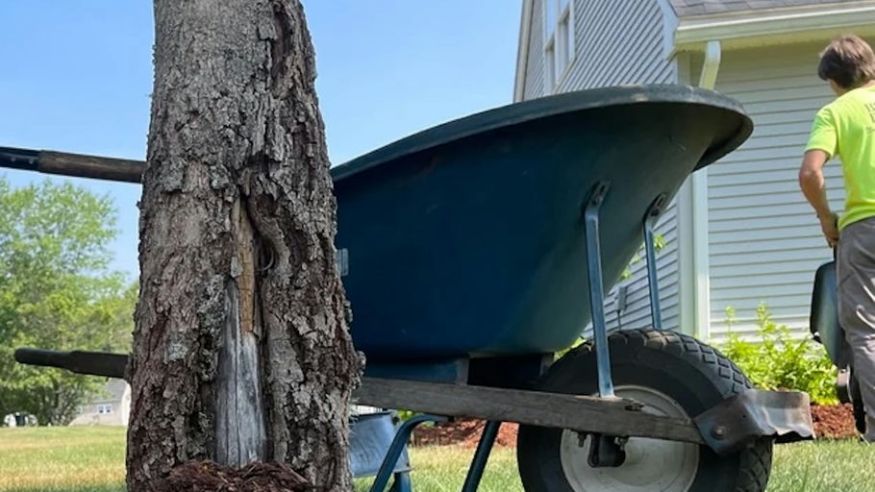
Credit: www.thecooldown.com
Lawn Care After Wheelbarrow Use
Using a wheelbarrow on your lawn can cause soil compaction and grass damage. This makes lawn care important after wheelbarrow use. Taking the right steps helps your lawn recover quickly.
Proper care prevents long-term damage and keeps your lawn healthy and green. Here are some tips to repair and maintain your lawn after wheelbarrow use.
Repairing Compacted Soil
Wheelbarrows can compact soil, making it hard for roots to grow. You need to loosen the soil to help water and air reach the roots.
- Use a garden fork or aerator to poke holes in the soil.
- Water the area lightly after aerating.
- Add a thin layer of compost or topsoil to improve soil quality.
- Avoid heavy foot traffic on the repaired area.
Grass Recovery Tips
Damaged grass needs care to grow back strong. Follow these tips to help your lawn recover.
- Rake the damaged area to remove dead grass and debris.
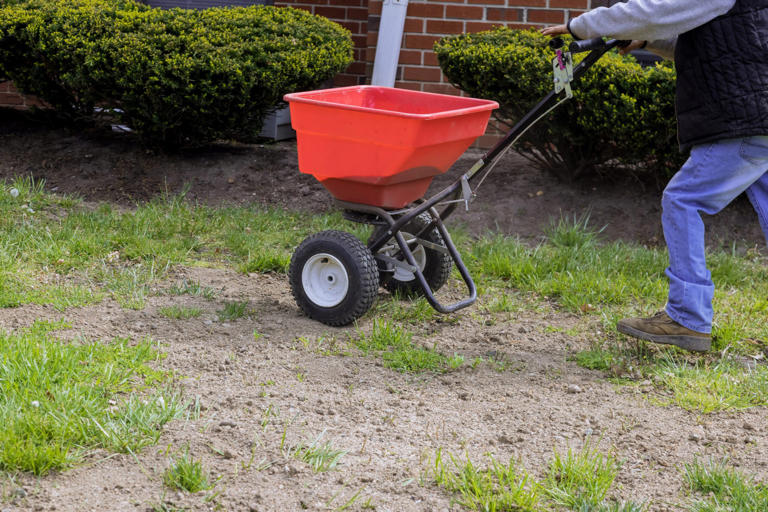
- Reseed bare spots with grass seed that matches your lawn type.
- Keep the soil moist but not soaked until new grass sprouts.
- Mow the grass at a higher setting to reduce stress.
- Apply a balanced fertilizer after the grass grows a few inches tall.
Preventative Lawn Maintenance
Prevent lawn damage from wheelbarrows by planning and care. Use these ideas to protect your grass in the future.
| Preventative Action | Benefit |
| Use wide wheelbarrow tires | Reduces soil compaction |
| Limit wheelbarrow use to dry days | Prevents deep ruts |
| Create paths for wheelbarrow traffic | Protects main grass areas |
| Regularly aerate lawn | Keeps soil loose and healthy |
Alternative Tools And Methods
Using a wheelbarrow on your lawn can cause damage by leaving ruts and crushing grass. Choosing other tools and methods helps protect your lawn. This guide shows safe ways to carry garden loads.
These alternatives reduce pressure on the grass and keep your lawn healthy. Learn about garden carts, manual carrying, and new ideas made for lawn care.
Using Garden Carts And Dollies
Garden carts and dollies spread the weight of loads over larger wheels. They cause less soil compaction and grass damage than wheelbarrows. Carts often have two or four wheels for better balance.
- Choose carts with wide, soft tires for grass
- Use dollies with padded supports for heavy pots
- Move slowly to avoid sudden pressure on the lawn
- Unload carefully to prevent grass crushing
Manual Carrying Techniques
Carrying items by hand avoids wheel marks and soil compaction. Use proper lifting to protect your back and keep the grass safe. This method works best for small or light loads.
- Lift with your legs, not your back
- Hold loads close to your body
- Walk on paths or hard surfaces when possible
- Take frequent breaks to avoid fatigue
- Ask for help with heavy or awkward items
Innovations To Protect Lawns
| Tool | Feature | Benefit |
|---|---|---|
| Lawn-friendly wheelbarrow | Wide, low-pressure tires | Less grass damage |
| Garden cart with tracks | Rubber tracks instead of wheels | Even weight distribution |
| Foldable carrying handles | Adjustable grips | Better control and less lawn impact |
| Protective lawn mats | Temporary ground cover | Prevents tire and foot marks |
Credit: www.msn.com
Frequently Asked Questions
Can A Wheelbarrow Damage My Lawn Surface?
Yes, a wheelbarrow can damage your lawn by compressing grass and soil. Repeated use may cause ruts and bare patches.
How To Prevent Lawn Damage From Wheelbarrows?
Use a wheelbarrow with a wide tire and avoid wet grass. Distribute loads evenly and use pathways to minimize soil compaction.
Does Wheelbarrow Weight Affect Lawn Damage Risk?
Heavier loads increase pressure on the lawn, causing more damage. Lighten the wheelbarrow load to reduce soil and grass stress.
Is Wheelbarrow Damage Repairable On Lawns?
Yes, damaged lawns can recover with proper aeration, reseeding, and watering. Prompt lawn care helps restore grass health and appearance.
Conclusion
Wheelbarrows can cause damage if used carelessly on lawns. Heavy loads and frequent trips may leave ruts or crush grass. Choosing lighter loads and spreading the weight helps protect your lawn. Using wider tires also reduces pressure on the soil.
Regularly changing the path avoids worn spots. Small efforts keep your grass healthy and green. Protect your lawn by handling wheelbarrows with care. Simple habits make a big difference over time. Take care, and your yard will stay beautiful.
