
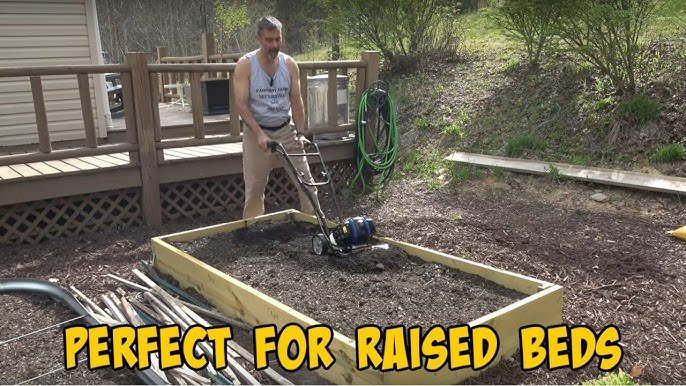
Are you struggling to prepare your small yard for planting? Using a tiller can make this task much easier and faster.
But how do you handle a tiller in a limited space without making a mess or damaging your plants? In this guide, you’ll discover simple, step-by-step tips to use a tiller effectively in your small yard. By the end, you’ll feel confident turning your soil into the perfect garden bed.
Keep reading to unlock the secrets that will save you time and effort while giving your garden the boost it needs.
:strip_icc()/bhg-excavating-tools_EDNclBiqKUXAQ2GOSD4JP5-83b2610bdddf4bb780bec22ba1a10d19.jpg)
Credit: www.bhg.com
Choosing The Right Tiller
Using a tiller helps prepare soil for planting in small yards. Picking the right tiller makes work easier and faster.
This guide explains types of tillers, key features to check, and differences between gas and electric models.
Types Of Tillers For Small Yards
There are different tillers made for small spaces. Some are lightweight and easy to handle. Others are stronger for tough soil.
- Front-tine tillers: Light and good for shallow soil work.
- Rear-tine tillers: Heavier and better for deep tilling.
- Cultivators: Small tillers for light soil mixing and weeding.
- Mini tillers: Compact and easy to store, ideal for very small yards.
Key Features To Consider
| Feature | Why It Matters |
| Weight | Lighter tillers are easier to move and control. |
| Tine Type | Determines how deep and fast soil is broken. |
| Width | Narrow tillers fit better in tight spaces. |
| Handle Design | Comfortable handles reduce fatigue during use. |
| Adjustable Depth | Allows control over how deep the soil is tilled. |
Gas Vs Electric Tillers
Gas tillers offer strong power but need fuel and more upkeep. Electric tillers are quieter and easier to maintain.
- Gas tillers work well for large or tough soil areas.
- Electric tillers suit small yards and light soil tasks.
- Electric models can be corded or battery-powered.
- Gas models produce more noise and fumes.
- Electric tillers start quickly without pull cords.
Preparing Your Yard
Using a tiller in a small yard helps you prepare the soil for planting. Before you start, you need to get your yard ready.
Proper preparation saves time and makes tilling easier. This guide covers three key tasks to prepare your yard well.
Clearing Debris And Obstacles
First, remove all debris like sticks, rocks, and leaves. These can block the tiller or cause damage.
Also, check for any obstacles such as garden tools, wires, or toys. Clear them away before you start tilling.
- Pick up sticks and branches
- Remove rocks and stones
- Clear garden tools and hoses
- Move toys and other small items
Marking The Tilling Area
Next, mark the area you want to till. This helps you work in a clear, defined space.
You can use string, stakes, or spray paint to outline the space. Marking keeps you on track and avoids tilling unwanted areas.
- Use string tied between stakes for a clear boundary
- Spray paint lines on the grass or soil
- Measure the space to fit your garden plan
Checking Soil Conditions
Check the soil before you till. Soil that is too wet or too dry can cause problems.
Soil that is moist but not soggy is best. If soil sticks to your boots, wait for it to dry a little.
- Test soil moisture by squeezing a handful
- Look for hard or compacted soil that needs extra tilling
- Remove any large roots or tough soil clumps
Tilling Techniques For Small Spaces
Tilling a small yard needs careful control of your tools. You want to loosen the soil without damaging plants.
Using a tiller in tight spots can be tricky. The right technique helps save time and keeps the yard neat.
Starting The Tiller Safely
Before using the tiller, check your yard for rocks, sticks, or toys. Clear these to avoid accidents or damage.
- Wear sturdy shoes and gloves to protect yourself.
- Read the tiller’s manual to understand its controls.
- Make sure the tiller is on a flat surface before starting.
- Keep children and pets away while you work.
Controlling Depth And Speed
Set the tiller depth to avoid digging too deep. Shallow tilling works best in small yards to protect roots.
| Depth Setting | Use Case |
| 1-2 inches | Light soil loosening |
| 3-4 inches | Preparing new planting beds |
| 5+ inches | Breaking hard soil |
Adjust the tiller speed to match soil type. Slower speeds give better control in tight spaces.
Working In Rows And Patterns
Plan your tilling path before you start. Working in straight rows saves space and keeps the yard tidy.
- Start at one corner and move in parallel lines.
- Overlap each pass slightly to till all soil evenly.
- Use a back-and-forth pattern for small patches.
- Turn the tiller gently to avoid damaging nearby plants.
Maintaining Your Tiller
Keeping your tiller in good shape helps it work better and last longer. Regular care makes sure it runs smoothly in your small yard.
This guide covers cleaning, maintenance, and storage tips to keep your tiller ready for every gardening task.
Cleaning After Use
Cleaning your tiller after each use stops dirt and debris from causing damage. Remove all soil and plant matter to prevent rust.
- Turn off the tiller and disconnect the spark plug.
- Use a brush or cloth to clear dirt from blades and wheels.
- Wash the tiller with water but avoid soaking the engine.
- Dry all parts completely before storing.
- Check for stuck debris inside the tines and remove it carefully.
Regular Maintenance Tips
Routine checks keep your tiller running well. Look over key parts to catch problems early and avoid costly repairs.
| Maintenance Task | Frequency | Details |
| Engine oil check | Every 5 hours of use | Change oil if dirty or low |
| Air filter cleaning | Every 10 hours | Wash or replace filter |
| Tine inspection | Monthly | Look for wear or damage |
| Bolt and nut tightening | Monthly | Ensure all fasteners are tight |
| Spark plug check | Every season | Clean or replace plug |
Storage Solutions For Small Yards
Storing your tiller correctly saves space and protects it from weather damage. Use compact and safe storage ideas for small yards.
- Keep tiller in a dry shed or garage.
- Use wall hooks or ceiling racks to save floor space.
- Cover tiller with a waterproof tarp if stored outside.
- Drain fuel or add a stabilizer before long storage.
Troubleshooting Common Issues
Using a tiller in a small yard can be tricky. Sometimes, problems can stop your work.
Knowing how to fix common issues helps you keep your yard neat and ready for planting.
Handling Tiller Stuck In Hard Soil
If your tiller gets stuck in hard soil, do not force it. Forcing can damage the machine.
- Stop the tiller and turn it off.
- Check if the blades are clogged with roots or stones.
- Clear any debris from the blades carefully.
- Loosen the soil around the tiller with a garden fork.
- Try tilling again on a lower speed setting.
Dealing With Uneven Tilling
Uneven tilling makes your soil patchy. It can cause poor plant growth.
| Cause | Solution |
| Tiller depth set too shallow | Adjust the depth lever to till deeper |
| Uneven ground surface | Level the yard surface before tilling |
| Unequal pressure on handles | Hold handles firmly and evenly |
| Dull or damaged blades | Sharpen or replace blades |
Fixing Starting Problems
Your tiller might not start because of simple reasons. Check these items before calling for help.
- Make sure there is enough fuel in the tank.
- Check the oil level and add oil if needed.
- Inspect the spark plug for dirt or damage; clean or replace it.
- Ensure the throttle is in the start position.
- Look for a clogged air filter and clean it.
- If the engine is flooded, wait a few minutes before trying again.
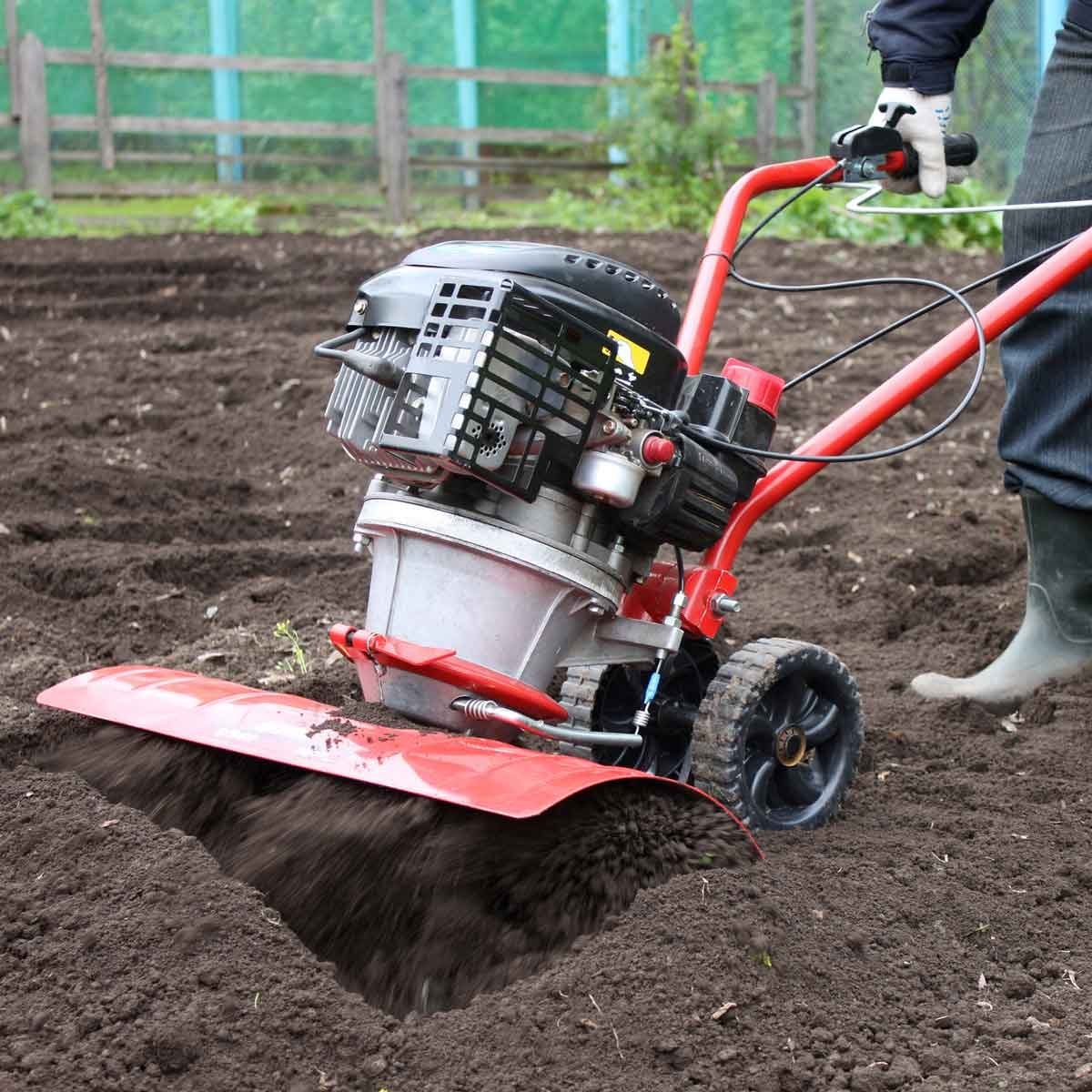
Credit: www.familyhandyman.com
Maximizing Yard Space
Using a tiller in a small yard helps prepare soil efficiently. It makes planting easier and helps plants grow better.
With limited space, you must plan carefully. Good soil and smart planting save room and increase harvest.
Companion Planting And Tilling
Companion planting means growing plants that help each other nearby. Till the soil to mix nutrients and remove weeds before planting.
Use the tiller to create small rows for different companion plants. This keeps soil loose and roots healthy.
- Plant beans near corn to add nitrogen to soil
- Grow marigolds with vegetables to repel pests
- Till gently to avoid disturbing plant roots
Using Raised Beds With Tillers
Raised beds save space and improve soil drainage. Use a tiller to loosen soil inside raised beds before planting.
Tilling raised beds helps mix compost and soil. This creates a nutrient-rich area that fits small yards well.
- Till soil to about 6-8 inches deep in raised beds
- Add compost or organic matter when tilling
- Keep pathways narrow to use more planting area
Seasonal Tilling Strategies
Till your yard at the right times to keep soil healthy. Spring tilling prepares soil for planting.
In fall, till again to mix in plant debris. This helps soil rest and gain nutrients for next year.
- Till lightly in spring to avoid soil damage
- Use fall tilling to break up hard soil layers
- Avoid tilling when soil is too wet or dry

Credit: www.angi.com
Frequently Asked Questions
How Do I Choose The Right Tiller For A Small Yard?
Select a compact, lightweight tiller with adjustable tines. This ensures easy maneuverability and effective soil preparation in limited spaces.
What Safety Tips Should I Follow When Using A Tiller?
Wear protective gear, keep hands clear of blades, and avoid loose clothing. Always start the tiller on flat ground to maintain control.
How Deep Should I Till In A Small Garden?
Till about 6 to 8 inches deep to loosen soil without disturbing roots. This depth promotes healthy plant growth and proper aeration.
Can I Till Around Existing Plants Without Damaging Them?
Yes, use a narrow tine setting and till carefully around plants. Avoid tilling too close to roots to prevent damage.
Conclusion
Using a tiller makes yard work easier. It saves time and effort. This tool helps prepare soil for planting. Even small yards benefit greatly. Remember to follow safety tips. Wear gloves and eye protection. Check the tiller’s condition before starting.
Regular maintenance keeps it running well. Practice makes perfect. Soon, you’ll till like a pro. Your garden will flourish. Healthy plants and fresh produce await. Enjoy the fruits of your labor. Tilling transforms your yard into a beautiful garden. Happy gardening!


