
Have you ever struggled to push or pull a garden cart that feels heavy and wobbly? Balancing your garden cart load is the secret to making your work easier and safer.
When your cart is properly balanced, you save energy, avoid spills, and protect your back from strain. You’ll discover simple, practical tips to help you load your garden cart like a pro. Keep reading to learn how small changes can make a big difference in your gardening tasks.
Credit: www.vevor.com
Choosing The Right Garden Cart
Choosing the right garden cart helps you move heavy loads with ease. It also protects your back and saves time.
Look at the type, weight capacity, and features before buying. These factors affect how well the cart works for you.
Types Of Garden Carts
There are different garden carts for different jobs. Some have two wheels, and others have four.
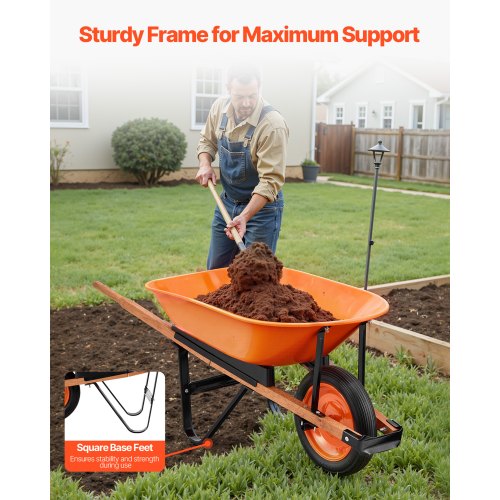
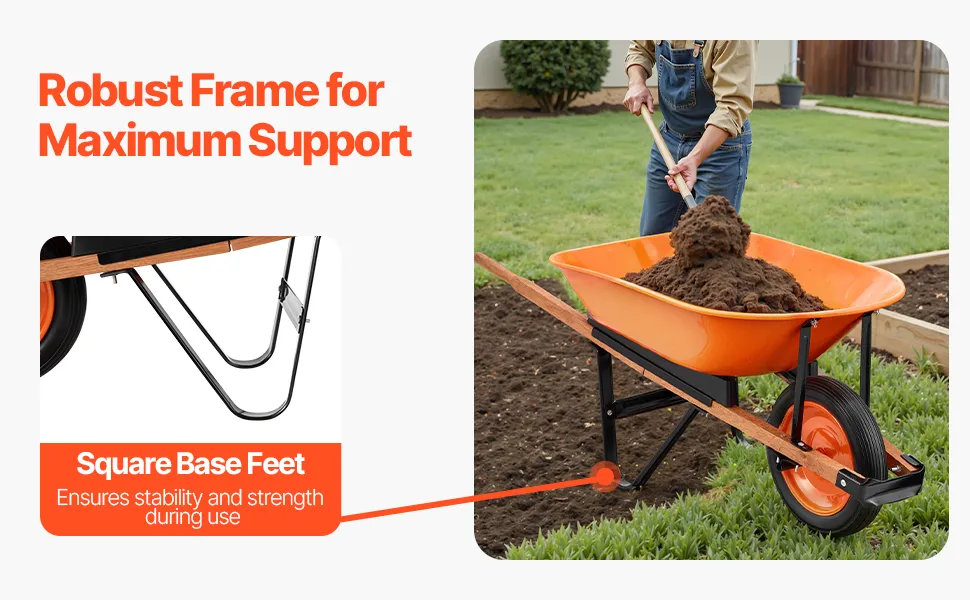
- Wheelbarrows:One wheel, easy to steer, good for rough ground.
- Two-Wheel Carts:More stable than wheelbarrows, better for heavy loads.
- Four-Wheel Carts:Very stable, good for carrying big loads on flat surfaces.
Weight Capacity Matters
Check the cart’s weight limit before buying. Using a cart with too low capacity can cause damage or accidents.
| Weight Capacity | Best Use |
|---|---|
| Up to 200 lbs | Light garden work, small loads |
| 200 to 500 lbs | Medium loads, most garden tasks |
| Over 500 lbs | Heavy loads, construction or big gardens |
Wheel And Handle Features
Wheels and handles affect how easy the cart is to move and control. Look for these features:
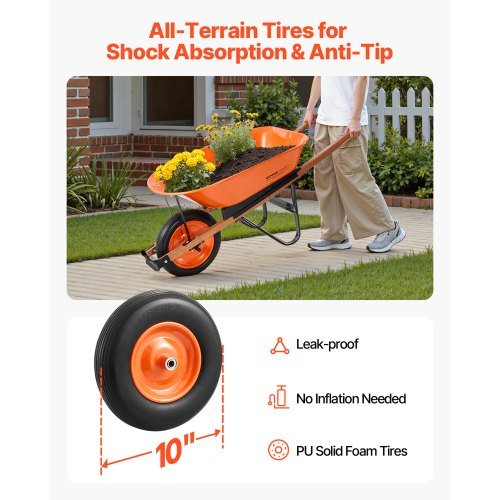
- Wheel Type:Pneumatic wheels absorb bumps, solid wheels need less maintenance.
- Wheel Size:Larger wheels roll over rough ground better.
- Handle Design:Ergonomic handles reduce strain on your hands and wrists.
- Adjustable Handles:Help users of different heights use the cart comfortably.

Credit: www.youtube.com
Preparing The Load
Balancing a garden cart load helps you move materials safely and easily. Preparing the load right makes lifting and pushing simpler.
Start by organizing your items before placing them in the cart. This saves time and reduces the risk of spills or accidents.
Sorting And Grouping Materials
Sort your garden materials by type and size. Group similar items together to keep the load stable.
- Place heavy items like soil bags and stones on the bottom
- Keep tools and smaller items together in one section
- Group soft materials such as plants and mulch separately
- Avoid mixing wet and dry items to prevent damage
Distributing Weight Evenly
Even weight distribution prevents the cart from tipping over. Balance heavy and light items across the cart bed.
| Position | Type of Load | Reason |
| Center | Heavy items | Keeps cart stable and lowers tipping risk |
| Front | Medium weight | Helps with steering and control |
| Sides | Light items | Balances load evenly on both sides |
| Top | Fragile materials | Prevents crushing and damage |
Securing Loose Items
Loose items can fall off during movement. Secure these items to keep everything safe and in place.
- Use bungee cords or ropes to tie down tools and bags
- Cover loose materials with a tarp or netting
- Place smaller items in a container or bucket inside the cart
- Check all fastenings before moving the cart
Loading Techniques
Balancing a garden cart load is key for safe and easy transport. Proper loading helps avoid tipping and makes pushing easier.
Use smart techniques to place items so the cart stays steady on all surfaces.
Placing Heavy Items First
Put heavy items at the bottom of the cart. This lowers the center of gravity, making the cart less likely to tip over.
Keep heavy objects close to the center and near the wheels for better weight support.
Layering For Stability
Build layers with the heaviest items at the bottom and lighter ones on top. This keeps the load firm and balanced.
- Start with a solid base of heavy objects
- Add medium weight items next
- Place light and fragile items on the top layer
- Fill gaps with soft materials like cloth or leaves
Balancing Side To Side
Distribute weight evenly from left to right. Uneven loads cause the cart to tip sideways.
| Side | Weight Placement Tips |
|---|---|
| Left | Place half of the heavy and medium items here |
| Right | Place the other half to balance the load |
| Center | Keep very heavy items near the wheels at the center |
Credit: www.vevor.com
Maintaining Balance While Moving
Balancing a garden cart load is important to avoid spills and accidents. Keeping the load steady helps you move safely and easily.
Good balance also protects the cart and your plants or tools. Use careful techniques while pushing or pulling the cart.
Adjusting Speed And Direction
Move the garden cart slowly to keep the load steady. Quick movements can cause the cart to tip or the load to fall.
Change direction gently and avoid sharp turns. Smooth turns help keep the weight balanced on the cart.
- Push the cart at a steady pace
- Slow down before turning
- Keep hands firm on the handles
Handling Uneven Terrain
Uneven ground can make the cart unstable. Watch the path and steer clear of bumps or holes when possible.
Shift your weight slightly to keep the cart balanced over rough spots. This helps prevent tipping on slopes or uneven soil.
- Choose the smoothest path available
- Walk beside the cart to steady it
- Keep the load low to lower the center of gravity
Using Assistive Tools
Tools like wheel chocks or load straps can help keep the cart balanced. They secure the load and reduce shifting.
Use carts with wide wheels for better stability. These tools make it easier to move heavy or uneven loads safely.
- Use straps to tie down loose items
- Place blocks under wheels on slopes
- Choose carts with sturdy, wide wheels
Safety Tips For Garden Cart Use
Using a garden cart can make yard work easier and faster. It helps carry heavy tools, soil, and plants. Safety is important to prevent injuries.
Balancing the load on your garden cart keeps it stable. This stops accidents and damage to the cart or your plants.
Avoiding Overloading
Do not put too much weight on your garden cart. Overloading makes it hard to push or pull. It can cause the cart to tip over.
Keep heavy items low and centered in the cart. Spread the weight evenly from side to side. This helps keep the cart balanced.
- Check the cart’s weight limit before loading
- Place heavy items near the wheel base
- Distribute weight evenly on both sides
- Avoid stacking items too high
Proper Lifting Methods
Lift items with your legs, not your back. Bend your knees and keep your back straight. This reduces the risk of injury.
Use handles on the garden cart to lift or move it. Avoid sudden movements or twisting your body while lifting.
- Bend knees when lifting heavy items
- Keep the load close to your body
- Use smooth, controlled movements
- Ask for help with very heavy loads
Regular Maintenance Checks
Check your garden cart often to keep it safe. Look at the wheels, handles, and frame for damage. Fix any problems before use.
Clean the cart after use to stop rust and wear. Lubricate moving parts like wheels to keep them working well.
- Inspect wheels for cracks or wear
- Tighten loose screws and bolts
- Clean dirt and debris from the cart
- Oil wheel axles for smooth movement
Frequently Asked Questions
How Do I Evenly Distribute Weight In A Garden Cart?
To evenly distribute weight, place heavier items at the bottom and center of the cart. Balance the load by positioning lighter items around the edges. This prevents tipping and makes the cart easier to maneuver, ensuring safe and efficient transport of garden materials.
What Is The Best Way To Load Heavy Garden Tools?
Load heavy garden tools closest to the cart’s axle. This placement reduces strain on the handles and improves stability. Secure tools to avoid shifting during movement. Proper loading prevents accidents and makes pushing or pulling the cart smoother and safer.
How Can I Prevent A Garden Cart From Tipping Over?
Prevent tipping by keeping the load low and centered. Avoid stacking items too high or unevenly. Distribute weight evenly on both sides. Use straps if necessary to secure the load. This ensures stability and easier control while moving your garden cart.
Why Is Load Balance Important In A Garden Cart?
Balanced loads improve control and reduce the risk of accidents. Proper balance prevents uneven wear on wheels and decreases physical strain. It also enhances the cart’s durability and efficiency, making garden tasks safer and more comfortable.
Conclusion
Balancing your garden cart load makes work easier and safer. Spread the weight evenly on the cart bed. Place heavy items close to the wheels for stability. Avoid overloading one side to prevent tipping. Check the load before moving the cart.
A balanced cart saves effort and avoids spills. Use these simple tips every time you garden. Enjoy smoother, safer trips around your yard. Keep your garden cart steady and under control. Your gardening tasks will feel lighter and more fun.
