
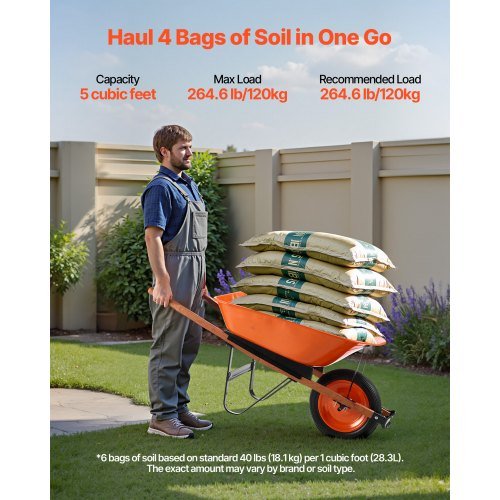
Transporting heavy soil with a wheelbarrow can feel like a tough job. You might worry about spilling soil, straining your back, or taking too many trips.
But what if you could make the process easier, faster, and safer? You’ll discover simple tips and smart techniques to handle heavy soil like a pro. Whether you’re working on your garden or a landscaping project, these tricks will save you time and effort.
Keep reading to learn how to move heavy soil with confidence and ease.
Choosing The Right Wheelbarrow
Moving heavy soil is easier with the right wheelbarrow. Choosing the best one helps you work faster and with less effort.
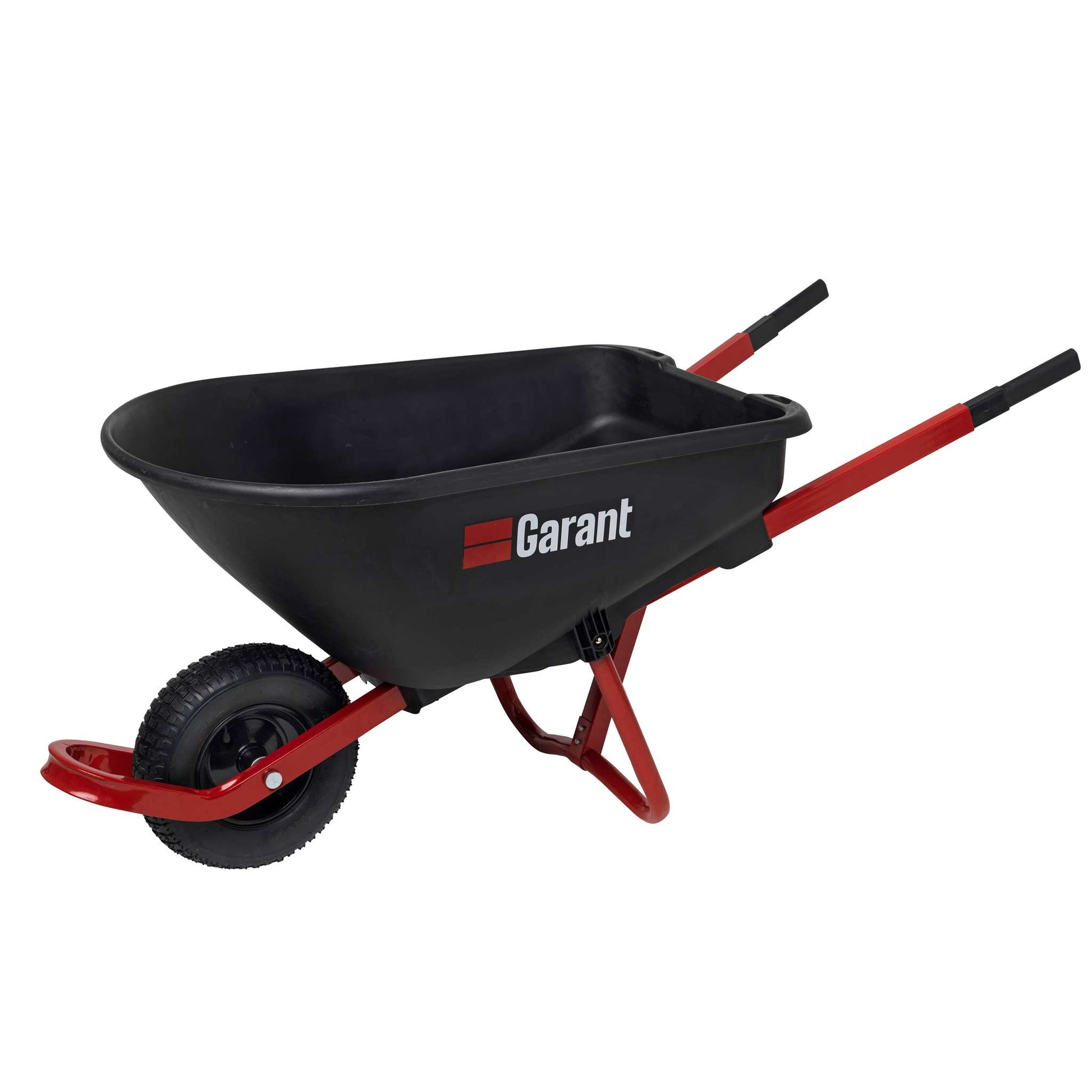
Look at the type, size, and material before buying. These factors affect how much soil you can carry and how long the wheelbarrow lasts.
Types Of Wheelbarrows
There are different types of wheelbarrows to match your needs. Each type works better in certain situations.
- Standard Wheelbarrow:Has one wheel and is easy to steer on flat ground.
- Two-Wheel Wheelbarrow:Offers more balance and is good for uneven surfaces.
- Motorized Wheelbarrow:Uses a motor to carry heavy loads, reducing physical effort.
Wheelbarrow Size And Capacity
Choose a size that fits your soil load and space. Larger wheelbarrows carry more but can be harder to push.
| Size | Capacity (cubic feet) | Best Use |
| Small | 4-6 | Light jobs, small gardens |
| Medium | 6-8 | General gardening and landscaping |
| Large | 8-10+ | Heavy soil and large projects |
Material And Durability
Wheelbarrows come in different materials. Pick one that lasts long and suits your soil type.
- Steel:Very strong and good for heavy soil but can rust.
- Plastic:Lightweight and rust-proof but less strong.
- Wood:Traditional look but needs more care and can break easier.
Credit: www.garant.com
Preparing The Soil For Transport
Transporting heavy soil with a wheelbarrow requires proper preparation. This helps to make the process easier and safer.
Preparing the soil well reduces effort and prevents damage to the wheelbarrow and your back.
Moisture Content And Soil Texture
Check the soil’s moisture before moving it. Soil that is too wet is heavy and sticky. Dry soil may create dust and be hard to move.
- Soil should be moist but not wet for easy transport.
- Loamy soil is easier to move than clay or sandy soil.
- Adjust moisture by watering or letting soil dry in the sun.
Breaking Up Clumps
Large clumps of soil make loading and moving harder. Break clumps into smaller pieces before transport.
| Tool | Purpose | Tip |
|---|---|---|
| Garden fork | Loosens soil and breaks large clumps | Use with gentle twisting motions |
| Rake | Breaks smaller clumps and smooths soil | Drag it lightly over soil surface |
| Hands or gloves | Break stubborn clumps | Wear gloves for safety |
Removing Debris
Clear soil of sticks, rocks, and roots. Debris can damage the wheelbarrow and slow you down.
- Pick out large rocks and sticks by hand.
- Use a garden sieve to remove smaller debris.
- Dispose of debris away from the soil pile.
Loading The Wheelbarrow Safely
Transporting heavy soil with a wheelbarrow requires care. Loading it safely helps prevent injuries and makes moving soil easier. Use good techniques to protect your back and arms.
This guide covers proper shoveling, balancing the load, and avoiding overloading your wheelbarrow. Each step helps you work smarter and stay safe.
Proper Shoveling Techniques
Use your legs, not your back, to lift soil. Keep your back straight and bend your knees. This reduces strain and lowers the chance of injury.
- Place the shovel close to your body
- Bend at your knees, not your waist
- Lift the soil with your legs
- Keep your back straight throughout
- Move the soil into the wheelbarrow carefully
Balancing The Load
Keep the soil balanced to avoid tipping. Place soil evenly in the wheelbarrow. Heavy soil should be centered over the wheel for easier pushing.
| Load Position | Effect |
|---|---|
| Centered over the wheel | Better balance and control |
| Too far forward | Harder to lift and steer |
| Too far back | Less stable, risk of tipping |
| Uneven on sides | Wheelbarrow may tip sideways |
Avoiding Overloading
Do not fill the wheelbarrow beyond its weight limit. Heavy loads can cause strain and accidents. Take smaller loads for safety and easier handling.
- Check the wheelbarrow’s weight capacity
- Fill the wheelbarrow halfway or less with heavy soil
- Push slowly and steadily
- Take breaks if needed
- Ask for help if the load is too heavy
Credit: www.vevor.ca
Efficient Transport Techniques
Moving heavy soil with a wheelbarrow can be tough. Using smart techniques saves effort and time. It also keeps the wheelbarrow safe and steady.
This guide covers how to pick the best path, keep the wheelbarrow balanced, and handle slopes or rough ground.
Choosing The Best Path
Select a smooth and short route for transporting soil. Avoid obstacles and sharp turns. Look for firm ground to reduce the risk of tipping.
- Check the ground for rocks or holes
- Pick a path with gentle curves
- Use paved or compacted surfaces if possible
- Avoid wet or muddy areas
Maintaining Wheelbarrow Stability
Keep the wheelbarrow steady by loading soil evenly. Do not overload it to avoid tipping. Hold the handles firmly and keep the load low.
| Tip | Reason |
|---|---|
| Load soil close to the wheel | Reduces strain on arms and improves balance |
| Distribute soil evenly side to side | Prevents tipping over during movement |
| Do not exceed weight limit | Ensures safe control and less fatigue |
| Use both hands on handles | Gives better control and stability |
Handling Slopes And Uneven Ground
Take extra care on slopes or rough ground. Move slowly and keep the wheelbarrow in front of you. Use your legs to support the weight.
- Push straight up or down slopes
- Keep the wheelbarrow close to your body
- Walk carefully on uneven surfaces
- Rest often if carrying heavy loads uphill
Reducing Physical Strain
Moving heavy soil with a wheelbarrow can be hard on your body. Using the right techniques helps reduce pain and injury.
Focus on how you move, rest, and what gear you use. These steps make the task easier and safer.
Using Proper Body Mechanics
Keep your back straight when lifting soil into the wheelbarrow. Bend your knees instead of your waist. This protects your spine.
Push the wheelbarrow using your legs, not your arms. Keep the load close to your body. This reduces strain on muscles.
- Stand close to the wheelbarrow
- Bend knees, not back
- Push with legs, not arms
- Keep load balanced
- Use smooth, steady movements
Taking Breaks And Hydration
Take short breaks often to rest your muscles. This helps prevent tiredness and injury.
Drink water regularly. Staying hydrated keeps your body working well and lowers fatigue.
- Rest every 20-30 minutes
- Drink water before, during, and after work
- Avoid sugary or caffeinated drinks
- Listen to your body’s signals
Using Supportive Gear
Wear gloves to protect your hands from blisters. Use sturdy shoes with good grip to avoid slips.
Consider using a back brace for extra support. This helps keep your posture correct during heavy lifting.
- Wear gloves to protect hands
- Use closed-toe, sturdy shoes
- Try a back brace if needed
- Choose comfortable, breathable clothes
Maintaining Your Wheelbarrow
Keeping your wheelbarrow in good shape helps it last longer. Regular care makes moving heavy soil easier and safer.
This guide covers simple tips for cleaning, tire care, and storage. Follow these steps to keep your wheelbarrow ready for work.
Regular Cleaning
After each use, remove dirt and debris from the wheelbarrow. Cleaning prevents rust and keeps the wheelbarrow looking good.
- Use a garden hose to wash off soil.
- Scrub tough spots with a brush.
- Dry the wheelbarrow to avoid rust.
- Check for any damage during cleaning.
Tire And Wheel Maintenance
Check the tire pressure regularly. Proper air pressure helps balance the load and makes pushing easier.
| Task | How Often | Details |
|---|---|---|
| Check tire pressure | Weekly | Use a pressure gauge to keep tires firm but not hard. |
| Inspect wheel bolts | Monthly | Tighten loose bolts to avoid wheel wobble. |
| Lubricate wheel axle | Every 3 months | Apply oil to keep wheels turning smoothly. |
Storage Tips
Store your wheelbarrow in a dry, covered place. Proper storage stops rust and damage from weather.
Follow these tips for safe storage:
- Keep wheelbarrow off the ground using hooks or racks.
- Cover with a tarp if stored outside.
- Store with the wheelbarrow upside down to prevent water pooling.
Credit: www.vevor.ca
Frequently Asked Questions
How Do I Load Heavy Soil Into A Wheelbarrow Safely?
Use a shovel to scoop soil evenly into the wheelbarrow. Avoid overloading to maintain balance. Distribute weight evenly to prevent tipping and reduce strain on your back.
What Is The Best Wheelbarrow Type For Heavy Soil?
Choose a wheelbarrow with a sturdy steel tray and a pneumatic tire. This combination supports heavy loads and ensures smooth movement over rough terrain.
How Can I Reduce Strain When Transporting Heavy Soil?
Bend your knees, keep your back straight, and push, not pull. Take short breaks to avoid fatigue and use gloves for a better grip.
How Many Wheelbarrow Loads Can I Carry At Once?
Only carry as much soil as you can handle safely. Overloading increases the risk of accidents and damages the wheelbarrow.
Conclusion
Transporting heavy soil with a wheelbarrow requires patience and technique. Use sturdy wheelbarrows for effective soil movement. Balance is key. Load soil evenly to prevent tipping. Keep your path clear and free from obstacles. Always use proper lifting methods to avoid injury.
Take breaks to prevent fatigue and maintain safety. Practicing these steps ensures smooth soil transportation. Over time, your skills will improve, making tasks easier. Remember, practice makes perfect. With determination and the right tools, you can move heavy soil effectively.
Safe and efficient wheelbarrow use is within your reach. Happy gardening!

