
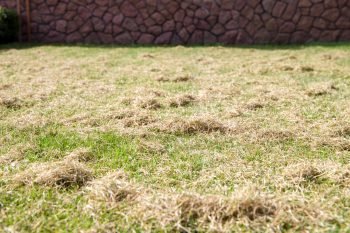
Are you struggling to keep your lawn healthy and green? You’ve probably heard about aeration and dethatching, but which one is truly better for your grass?
Choosing the right lawn care method can make a huge difference in how your yard looks and grows. You’ll discover the key benefits of both aeration and dethatching, and find out which one suits your lawn’s needs best. Keep reading to unlock the secret to a lush, thriving lawn you’ll be proud of.
Aeration Basics
Aeration helps grass roots get more air, water, and nutrients. It improves soil health and lawn growth. This process involves making holes in the soil.
Many people wonder if aeration is better than dethatching. Understanding aeration helps you decide what your lawn needs.
How Aeration Works
Aeration creates small holes in the lawn soil. These holes let air and water reach the roots. This helps grass grow stronger and healthier. It also reduces soil compaction, which can stop roots from spreading.
Types Of Aeration
- Core Aeration: Removes small plugs of soil from the lawn.
- Spike Aeration: Uses a tool to poke holes without removing soil.
- Liquid Aeration: Applies a liquid solution to improve soil condition.
Ideal Conditions For Aeration
| Condition | Reason |
| Soil is dry but not hard | Easier to remove soil plugs |
| Grass is actively growing | Repairs holes quickly |
| After rainfall or watering | Soil is softer for aeration |
| Spring or fall seasons | Best time for lawn recovery |
Credit: www.yourgreenpal.com
Dethatching Essentials
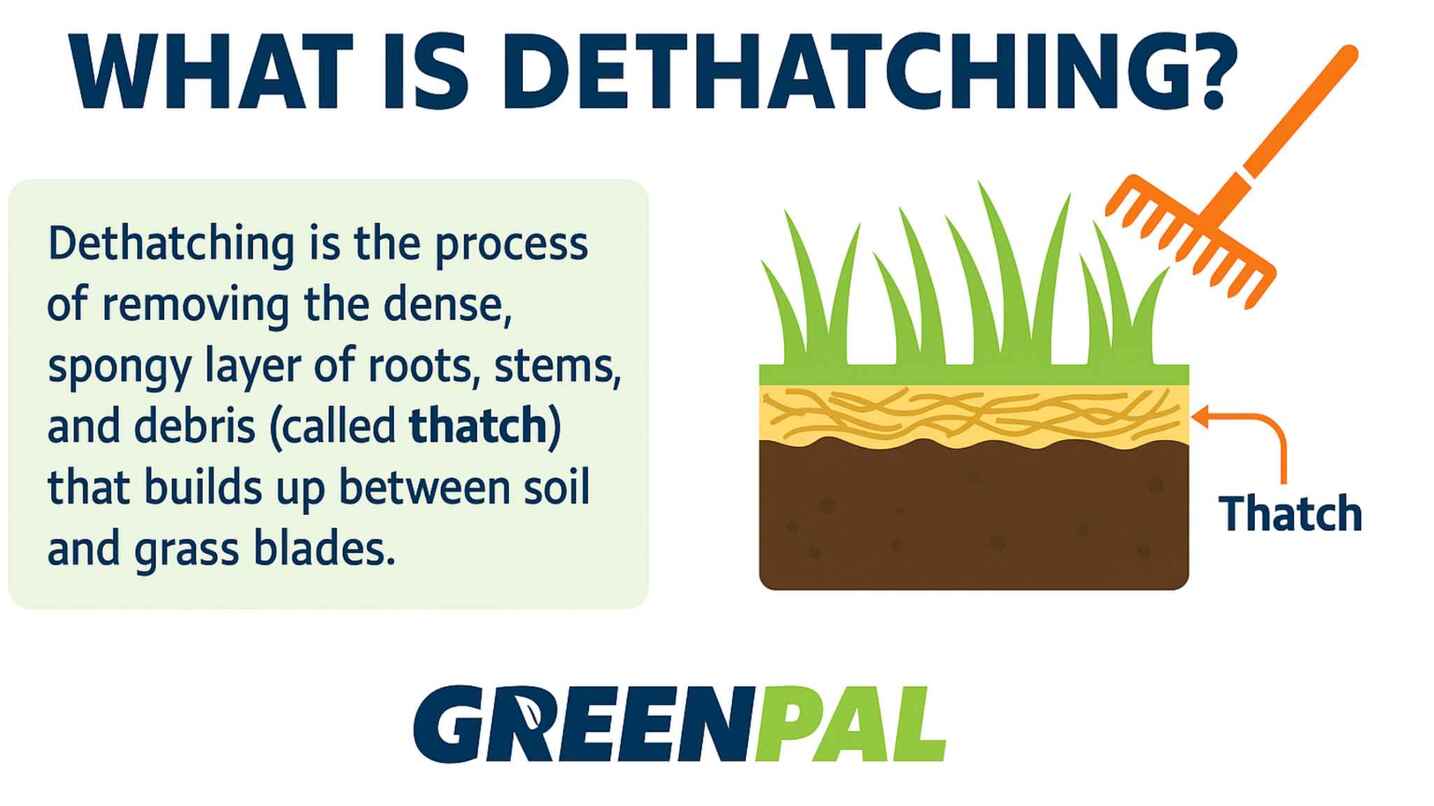
Dethatching is a lawn care process that removes thick layers of dead grass and roots. This layer, called thatch, can block water and nutrients from reaching the soil. Removing it helps your lawn stay healthy and green.
Understanding dethatching helps you decide if it is right for your lawn. It also shows how dethatching compares to aeration, another lawn care method.
Purpose Of Dethatching
Dethatching removes the thick layer of dead grass and roots between soil and green grass. This layer can stop water, air, and nutrients from reaching the soil. Removing it improves lawn health and growth.
- Improves water penetration to roots
- Allows air to reach soil and grass roots
- Helps nutrients reach the soil faster
- Prevents disease and pests from growing
- Encourages stronger root development
Methods Of Dethatching
There are several ways to dethatch a lawn. The right method depends on your lawn size and thatch thickness. Some methods use tools, others use machines.
| Method | How It Works | Best For |
|---|---|---|
| Rake Dethatching | Use a special rake to pull up thatch manually | Small lawns with thin thatch layers |
| Power Raking | Machine with blades pulls thatch out quickly | Medium to large lawns with moderate thatch |
| Vertical Mowing | Machine cuts through thatch and soil surface | Lawns with heavy thatch and compacted soil |
When To Dethatch
Dethatch your lawn at the right time for best results. The best time depends on grass type and climate. Dethatching at the wrong time can harm your lawn.
- Early spring for warm-season grasses
- Early fall for cool-season grasses
- When thatch layer is thicker than half an inch
- If lawn shows poor growth or water pooling
- Avoid dethatching during drought or extreme heat
Benefits Of Aeration
Aeration helps improve lawn health by allowing air to reach the roots. It creates small holes in the soil to reduce compaction.
This process supports stronger grass growth and improves how the soil works. It is often better than dethatching for long-term lawn care.
Improved Soil Health
Aeration loosens the soil and breaks up hard layers. This makes it easier for roots to grow deep and strong.
Better soil health means the lawn can fight off pests and diseases more easily. It also reduces soil erosion.
Enhanced Nutrient Absorption
Holes made by aeration let nutrients reach grass roots faster. This helps grass get the food it needs to grow thick and green.
Fertilizers work better after aeration because they soak into the soil instead of sitting on top.
Better Water Penetration
Aeration allows water to go deeper into the soil. This helps grass survive dry periods and stay healthy.
Water moves through the holes instead of running off the surface. This reduces water waste and helps roots grow stronger.
Advantages Of Dethatching
Dethatching helps remove the layer of dead grass and roots. This layer is called thatch. It can stop water and air from reaching the soil.
Removing thatch keeps your lawn healthy. It is a simple way to improve your grass and soil condition.
Thatch Removal Benefits
Thatch can build up and harm your lawn. It makes the soil hard and stops nutrients from getting in. Dethatching clears this layer.
When you remove thatch, your lawn gets more air and water. This helps grass roots grow stronger and deeper.
Preventing Lawn Diseases
Thatch holds moisture, which can cause fungus and other diseases. Dethatching reduces this risk by letting the lawn dry faster.
A healthy lawn fights off diseases better. Removing thatch stops pests and germs from growing in your grass.
Boosting Grass Growth
Dethatching helps grass get more sunlight, air, and water. This makes grass grow thicker and greener.
It also helps fertilizer reach the soil. Your grass gets better nutrients and grows faster after dethatching.
Comparing Effects On Lawn Health
Aeration and dethatching are two common lawn care methods. Both help improve lawn health but work differently. Understanding their effects can guide you in choosing the right care.
This article compares aeration and dethatching by looking at soil compaction, root development, and lawn appearance.
Impact On Soil Compaction
Aeration reduces soil compaction by creating holes that let air, water, and nutrients reach the roots. It loosens the soil, making it easier for grass to grow.
Dethatching removes the thick layer of dead grass and roots on the surface. It does not directly affect soil compaction but helps prevent buildup that can block water and air.
- Aeration:Loosens compacted soil
- Dethatching:Removes surface debris
- Both:Improve soil conditions indirectly
Influence On Root Development
Aeration creates space for roots to expand and access nutrients. Roots grow deeper and stronger in aerated soil.
Dethatching clears away dead material that can block root growth. It helps roots get light and air but does not change soil structure.
| Method | Effect on Roots |
|---|---|
| Aeration | Promotes deeper, healthier roots by loosening soil |
| Dethatching | Removes barriers but does not change soil |
Effect On Lawn Appearance
Aeration helps lawns look greener and thicker over time. It improves grass health from the roots up.
Dethatching gives a quick improvement by removing unsightly dead grass layers. The lawn looks cleaner and fresher immediately after dethatching.
- Aeration leads to gradual, long-term lawn health
- Dethatching offers quick surface improvement
- Both can be combined for best lawn appearance

Credit: www.jclandscapingllc.com
Timing And Frequency
Aeration and dethatching help keep your lawn healthy. Both have specific times and how often you should do them.
Knowing the right timing and frequency helps your grass grow strong and green.
Best Seasons For Aeration
Aerate your lawn during the growing seasons. This helps the soil breathe and roots grow well.
Early fall and spring are the best times for aeration because grass grows faster then.
- Early fall – grass recovers before winter
- Spring – lawn prepares for summer heat
- Avoid aeration in winter or dry summer
Optimal Times For Dethatching
Dethatching removes dead grass and debris that block water and nutrients. Do this when grass grows fast.
Late spring or early fall work well for dethatching. The lawn can heal quickly after this process.
- Late spring – lawn is active and can repair
- Early fall – prepares lawn for winter
- Avoid dethatching in hot, dry weather
Frequency Recommendations
Aeration is usually done once a year. This keeps soil loose and healthy without stressing the grass.
Dethatching depends on how thick the thatch layer is. Check your lawn before deciding how often to dethatch.
- Aerate once a year, preferably fall or spring
- Dethatch every 1 to 3 years as needed
- Thin thatch may not need dethatching often
Choosing The Right Method
Deciding between aeration and dethatching depends on your lawn’s needs. Both methods improve grass health but target different problems.
Understanding lawn conditions and costs helps you choose the best care for your yard.
Assessing Lawn Conditions
Look at your lawn to see if it needs aeration or dethatching. Aeration suits compacted soil. Dethatching removes thick layers of dead grass.
- Check for soil hardness by pressing a screwdriver into the ground.
- Look for a spongy layer of thatch thicker than half an inch.
- Observe water pooling after rain, which shows poor drainage.
- Identify bare spots or thinning grass areas.
Combining Aeration And Dethatching
You can use both methods to improve lawn health. Dethatching first clears dead material. Aeration follows to loosen soil and help roots grow.
- Improves air and water flow to roots
- Reduces soil compaction
- Removes dead grass and debris
- Boosts lawn thickness and color
Cost And Equipment Considerations
Aeration and dethatching require different tools. Renting or buying depends on lawn size and budget.
| Method | Equipment Needed | Average Cost |
| Aeration | Core aerator machine | $50 – $100 per day (rental) |
| Dethatching | Dethatching rake or power dethatcher | $30 – $60 per day (rental) |
Credit: www.lawnsite.com
Frequently Asked Questions
What Is Aeration And How Does It Benefit Lawns?
Aeration involves perforating soil to improve air, water, and nutrient flow. It reduces soil compaction and promotes healthier grass roots. Aeration enhances lawn growth, drainage, and resilience against drought and stress.
How Does Dethatching Differ From Aeration?
Dethatching removes the layer of dead grass and organic debris from the lawn surface. Aeration focuses on loosening compacted soil by creating holes. Dethatching improves sunlight and nutrient access, while aeration improves soil structure.
When Should I Aerate Instead Of Dethatch My Lawn?
Aerate lawns with compacted soil or poor drainage. Dethatch lawns with excessive thatch buildup over 0. 5 inches. Aeration is ideal in spring or fall; dethatching is best in early growing seasons.
Can Aeration Replace Dethatching For Lawn Care?
Aeration and dethatching serve different purposes and are not interchangeable. Aeration improves soil health, while dethatching removes surface debris. Both may be needed for optimal lawn care depending on conditions.
Conclusion
Choosing between aeration and dethatching depends on your lawn’s needs. Aeration helps improve soil health by allowing more air and water. Dethatching removes the thick layer of dead grass, promoting growth. Both methods have benefits. Consider the condition of your lawn.
Is the soil compacted? Opt for aeration. Is there a thick thatch layer? Go for dethatching. Regular maintenance keeps your lawn healthy. Understand your lawn’s requirements. Make informed decisions for its care. A healthy lawn enhances your outdoor space. Choose wisely for the best results.

