
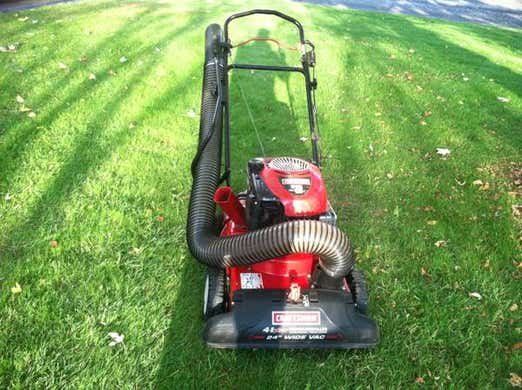
Is your yard vacuum losing suction and leaving leaves and debris behind? It’s frustrating when your trusty machine doesn’t work like it should.
But don’t worry—you can fix this problem yourself. Understanding why your yard vacuum isn’t pulling strong enough is the first step to getting it back to full power. You’ll discover simple, effective solutions to restore your vacuum’s suction so your yard stays clean and tidy with less effort.
Keep reading—you’re just a few easy fixes away from a powerful yard vacuum again.
Common Causes Of Suction Issues
Yard vacuums sometimes lose suction power. This problem makes cleaning leaves and debris hard.
Several common issues cause suction problems. Finding the cause helps you fix the vacuum fast.
Clogged Air Filters
Air filters stop dust and dirt from entering the motor. When filters get clogged, airflow drops.
Dirty filters reduce suction and may cause the engine to overheat. Clean or replace filters often.
Blocked Hose Or Nozzle
Leaves, grass, and debris can block the hose or nozzle. This block stops air from flowing.
Check the hose and nozzle for clogs. Remove any stuck debris to restore full suction power.
- Disconnect the hose from the vacuum
- Look inside for leaves or twigs
- Use a stick or water to clear the blockage
- Check the nozzle for debris buildup
Damaged Fan Blades
The fan blades create suction by spinning fast. Broken or bent blades lower suction power.
Inspect the fan blades for cracks or damage. Replace damaged blades to restore suction strength.
Loose Connections
Loose parts can cause suction leaks. Check all connections between hose, nozzle, and vacuum.
Tighten clamps and screws to stop air leaks. Secure connections improve the vacuum’s suction.

Credit: www.espares.co.uk
Tools And Materials Needed
Fixing a yard vacuum suction problem requires the right tools and materials. Using proper supplies helps you work safely and efficiently.
This guide lists the basic hand tools, replacement parts, and cleaning supplies you need to solve suction issues.
Basic Hand Tools
Basic hand tools help you open and adjust parts of the yard vacuum. Keep these tools ready for quick fixes.
- Screwdrivers (flathead and Phillips)
- Adjustable wrench
- Pliers
- Socket set
- Utility knife
Replacement Parts
Some parts may wear out or get damaged, causing suction problems. Have these common replacements on hand.
| Part | Purpose |
| Vacuum hose | Transports debris to the collection bag |
| Air filter | Keeps dust and dirt from entering the motor |
| Fan blade | Creates suction by spinning inside the vacuum |
| Collection bag | Holds the debris collected by the vacuum |
| Gaskets and seals | Prevent air leaks that reduce suction |
Cleaning Supplies
Clean parts work better and last longer. Use these supplies to keep your yard vacuum free of dirt and blockages.
- Soft brushes for dusting off parts
- Rags or microfiber cloths
- Mild detergent or soap
- Compressed air canister
- Lubricant spray for moving parts
Step-by-step Cleaning Process
Yard vacuum suction problems often happen because of blockages or dirty parts. Cleaning your vacuum regularly helps keep strong suction.
This guide will show you easy steps to clean your yard vacuum. Follow these to fix suction issues and keep your vacuum working well.
Removing Debris From Filters
Filters catch dust and small debris. When clogged, they reduce suction power. Cleaning filters often is important for good vacuum work.
- Turn off and unplug the vacuum.
- Locate the filter compartment.
- Remove the filter carefully.
- Tap the filter gently to remove loose debris.
- Rinse the filter under water if it is washable.
- Let the filter dry completely before reinstalling.
Clearing The Hose And Nozzle
Blockages in the hose or nozzle stop air flow. Checking these parts helps restore suction.
| Part | Cleaning Method | Tip |
|---|---|---|
| Hose | Detach and use a long stick or water to clear debris. | Check both ends for clogs. |
| Nozzle | Remove and clean with a brush or cloth. | Look for stuck leaves or dirt. |
Inspecting And Cleaning Fan Blades
Fan blades move air to create suction. Dirt and debris on blades slow them down. Clean blades keep suction strong.
- Open the vacuum casing to access fan blades.
- Use a soft brush to remove dirt and leaves from blades.
- Check for any damage or bent blades.
- Reassemble the vacuum securely after cleaning.
Fixing Mechanical Problems
A yard vacuum may lose suction due to mechanical issues. Fixing these problems can restore its power. You can handle many repairs yourself with basic tools.
Focus on parts that affect airflow and suction. Tighten connections, check fan blades, and inspect hoses for damage.
Tightening Loose Connections
Loose parts can cause air leaks and reduce suction. Check all nuts, bolts, and clamps. Use a wrench or screwdriver to tighten them securely.
- Inspect clamps on the hose and vacuum body
- Tighten bolts on the fan housing
- Secure screws on the motor cover
- Ensure no gaps exist where parts join
Replacing Worn Fan Blades
Worn or damaged fan blades reduce airflow. Check the blades for cracks, bends, or missing pieces. Replace blades that are not in good shape.
| Blade Condition | Effect on Suction | Action |
| Cracked | Airflow loss | Replace blade |
| Bent | Imbalance and noise | Replace blade |
| Worn edges | Less suction power | Replace blade |
| Intact and clean | Good suction | No action needed |
Repairing Hose Damage
Holes or cracks in the hose reduce suction. Inspect the hose along its entire length. Small holes can be patched; large damage may need a new hose.
Fix small hose damage with these steps:
- Clean the damaged area
- Use duct tape or a hose repair kit
- Wrap tape tightly over the hole
- Check for air leaks after repair
Preventive Maintenance Tips
Yard vacuum suction can weaken if you do not keep the machine well. Simple care helps the vacuum work longer and better.
Follow these tips to avoid common problems with your yard vacuum suction. Regular checks and cleaning prevent damage and save time.
Regular Cleaning Schedule
Clean your yard vacuum after each use. Dirt and leaves can block the suction parts and slow down the machine.
- Empty the collection bag or bin every time you finish.
- Check and clear the suction hose for clogs.
- Clean the fan blades gently with a brush.
- Wipe down the outside to remove dust and sap.
Proper Storage Techniques
Store your yard vacuum in a dry place. Moisture can cause rust and damage the motor parts.
| Storage Tip | Reason |
| Keep off the ground | Prevents moisture and dirt buildup |
| Cover with a cloth or tarp | Protects from dust and sunlight |
| Store indoors if possible | Extends life of electrical parts |
| Disconnect the battery or power source | Prevents accidental starts and saves battery |
Using Correct Yard Debris
Use your yard vacuum only for the right types of debris. Wrong materials can block or break the suction system.
Do not vacuum:
- Large sticks or stones
- Wet leaves or grass clippings
- Heavy soil or mud
- Sharp objects like glass or metal

Credit: www.espares.co.uk
When To Seek Professional Help
If your yard vacuum has weak suction, some fixes are easy to try. You can clean filters or check hoses yourself. But some problems need a skilled technician.
Knowing when to call a professional saves time and stops more damage. This guide helps you spot signs that need expert help.
Signs Of Motor Issues
The motor is the heart of your yard vacuum. If it has trouble, suction drops a lot. Strange noises or smells often mean motor trouble.
Look for these signs that show motor issues:
- The motor stops and starts often.
- There is a burning smell near the motor.
- The motor makes loud grinding or screeching sounds.
- The vacuum runs but has very weak suction.
- The motor overheats quickly during use.
Complex Electrical Problems
Electrical issues can cause the yard vacuum to fail. Some problems are simple to fix, but others need a pro. Faulty wiring or switches are tricky to handle.
Call a professional if you notice:
- The vacuum does not power on at all.
- Switches or buttons feel loose or broken.
- There are sparks or smoke near electrical parts.
- The power cord is damaged or frayed.
- The vacuum trips your circuit breaker repeatedly.

Credit: www.espares.co.uk
Frequently Asked Questions
Why Is My Yard Vacuum Losing Suction Power?
Loss of suction often occurs due to clogged filters, blocked hoses, or a full collection bag. Check and clean these parts regularly to maintain strong suction. Also, inspect the impeller for damage or debris that might reduce airflow efficiency.
How Do I Clean A Yard Vacuum Filter Properly?
Remove the filter and tap it gently to remove loose dirt. Wash it with mild soap and water, then let it dry completely before reinstalling. Regular cleaning prevents clogging, ensuring optimal airflow and suction performance.
Can A Damaged Impeller Cause Suction Issues?
Yes, a damaged or broken impeller reduces the vacuum’s ability to pull debris. Inspect the impeller for cracks or wear. Replace it promptly to restore full suction power and efficient yard cleaning.
How Often Should I Empty The Yard Vacuum Bag?
Empty the bag when it is about two-thirds full to avoid suction loss. Overfilled bags restrict airflow and reduce vacuum efficiency. Regular emptying keeps your yard vacuum working at peak performance.
Conclusion
Fixing yard vacuum suction problems can seem tricky, but it’s doable. Start by checking for clogs or blockages. Remove any debris stuck in the vacuum. Ensure the bag or container isn’t full. Inspect the hose for any damage. A damaged hose can decrease suction power.
Consider replacing worn-out parts. Regular maintenance helps prevent future issues. Clean your vacuum after each use. This ensures it runs smoothly. Keep these tips in mind for a well-functioning yard vacuum. A little care goes a long way. Enjoy a clean yard with less effort.
Keep your vacuum in top shape!

