
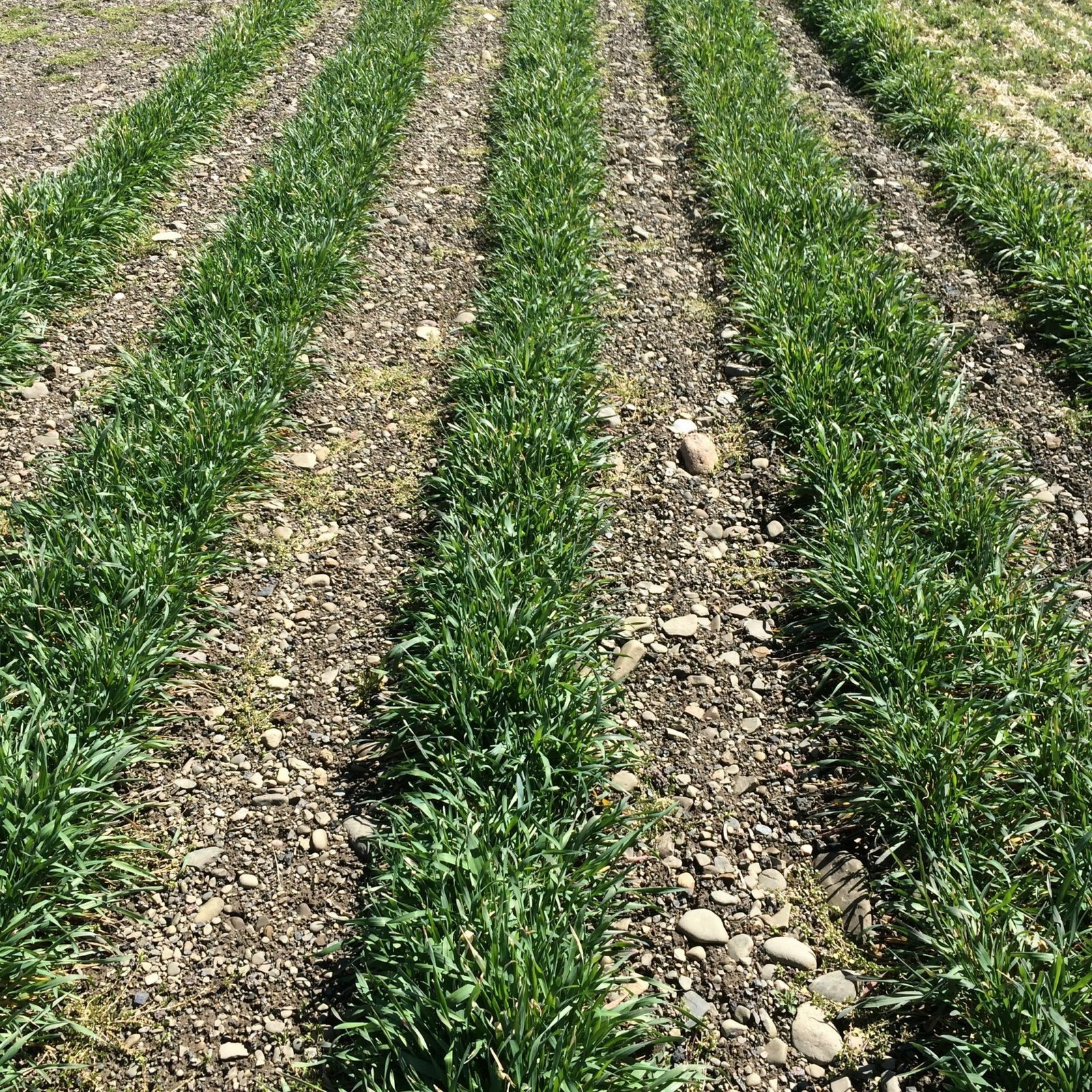
If you want your garden or lawn to look smooth and healthy, knowing how to roll bare soil is a key step you can’t skip. Rolling soil might sound simple, but doing it the right way makes a huge difference in how well your plants grow and how even your ground feels underfoot.
In this guide, you’ll discover easy tips and tricks that anyone can follow, no matter your experience level. Ready to transform your soil and boost your garden’s success? Keep reading, and you’ll learn exactly what to do.

Credit: smallfarms.cornell.edu
Benefits Of Rolling Soil
Rolling bare soil helps farmers and gardeners prepare the land better. It improves how the soil holds together and supports plants.
Using a roller can make planting easier and improve seed growth. It also helps create a smooth surface for working on the soil.
Improving Soil Firmness
Rolling soil presses the ground to make it firmer. This firmness helps prevent soil from blowing away in the wind.
Firm soil supports the roots of young plants better. It stops the soil from being too loose or crumbly.
Enhancing Seed-to-soil Contact
Rolling pushes seeds closer to the soil. This close contact helps seeds absorb water and nutrients faster.
Good seed-to-soil contact increases the chance that seeds will sprout. It also helps seeds stay in place during watering or rain.
Smoothing Uneven Surfaces
Rolling flattens bumps and holes in the soil. A smooth surface makes planting and other farm work easier.
Smooth soil also helps water spread evenly. This reduces puddles and dry spots in the field or garden.
Choosing The Right Equipment
Rolling bare soil helps create a smooth and firm surface. Picking the right equipment makes this task easier and more effective. This guide explains what types of lawn rollers are available and compares manual and powered options.
Understanding the equipment will help you prepare your soil properly for planting or laying sod. Choose tools that fit your soil condition and project size.
Types Of Lawn Rollers
Lawn rollers come in different styles and sizes. Each type serves a specific purpose and suits different soil types.
- Water-Filled Rollers:These rollers are hollow and can be filled with water to add weight. They are easy to move when empty and provide good pressure when full.
- Steel Rollers:Made from solid steel, these rollers are very heavy and best for large or compacted areas. They require more effort to move.
- Plastic Rollers:Lightweight and usually filled with water or sand, plastic rollers suit small gardens and light tasks.
Using Manual Vs. Powered Rollers
Choosing between manual and powered rollers depends on your project size and physical ability. Each type has its benefits and challenges.
| Feature | Manual Rollers | Powered Rollers |
| Ease of Use | Requires physical effort | Less physical effort needed |
| Cost | Lower cost | Higher cost |
| Best for | Small to medium areas | Large or tough areas |
| Maintenance | Minimal | Regular engine care needed |
| Weight Control | Limited to roller type | Can add extra weight or pressure |
Preparing Soil Before Rolling
Rolling bare soil helps create a smooth, firm surface. Proper preparation makes rolling easier and more effective. You must clear debris, check moisture, and loosen hard spots before rolling.
Good soil preparation improves soil contact and avoids damage. Follow these key steps for best results.
Clearing Debris And Rocks
Remove all debris and rocks from the soil surface. Stones can damage the roller and create uneven areas. Clear sticks, trash, and large clumps to make rolling smooth.
- Pick up rocks bigger than 1 inch
- Rake out sticks and roots
- Remove trash and old plant material
- Break large soil clods
Moisture Levels For Optimal Rolling
Soil moisture affects how well the roller works. Soil that is too dry or too wet will not roll properly. Check moisture before you start.
| Moisture Condition | Effect on Rolling | Action |
|---|---|---|
| Too Dry | Soil breaks and cracks | Water soil lightly a day before rolling |
| Optimal Moisture | Soil compacts evenly | Roll soil now |
| Too Wet | Soil sticks to roller and clumps | Wait for soil to dry |
Loosening Compacted Areas
Hard spots can cause uneven rolling and poor soil health. Loosen compacted areas before rolling to improve soil texture and root growth.
- Use a garden fork or tiller to break hard soil
- Focus on areas with heavy foot or machine traffic
- Work soil gently to avoid over-loosening
- Let soil settle slightly before rolling
Rolling Techniques For Bare Soil
Rolling bare soil helps create a smooth and firm seedbed. It improves seed-to-soil contact. This can boost germination and crop growth.
Using the right rolling methods prevents soil damage. It keeps the soil structure healthy and ready for planting.
When And How Often To Roll
Roll soil after tilling to break clods and firm the surface. Avoid rolling when the soil is too wet to prevent damage. Rolling too often can cause compaction.
- Roll once after tilling and before planting.
- Roll again lightly after seeding if needed.
- Do not roll repeatedly in the same season.
Proper Rolling Patterns
Use systematic rolling patterns for even soil firming. Overlapping passes avoid missed spots. Change directions to firm soil uniformly.
- Start rolling along the field edge.
- Make parallel passes with slight overlaps.
- Roll in one direction, then cross-roll at right angles.
- Keep a steady speed to avoid uneven compaction.
Avoiding Over-compaction
Too much rolling compacts soil and harms roots. Check soil moisture before rolling. Use lighter rollers on fragile soils.
| Tip | Reason |
| Roll only when soil is moist, not wet | Prevents soil structure damage |
| Use a roller with proper weight | Avoids excessive soil compaction |
| Limit rolling frequency | Keeps soil loose and healthy |
| Check soil firmness after rolling | Ensures optimal soil condition |
Aftercare Following Rolling
Rolling bare soil compacts the ground to create a smooth surface. After rolling, proper care helps keep the soil healthy. This care supports plant growth and soil structure.
Following a few simple steps will protect your soil and improve its condition after rolling. Pay attention to watering, planting, fertilizing, and soil monitoring.
Watering Tips
Water the rolled soil gently to avoid washing away the surface. Keep the soil moist but not soaked. Use a fine spray or light drip irrigation.
- Water early in the morning or late in the evening.
- Apply water evenly over the entire area.
- Check soil moisture daily during dry spells.
- Reduce watering if the soil feels soggy or puddles form.
Seed Planting And Fertilizing
Plant seeds soon after rolling to take advantage of the firm soil. Use seeds suited for your soil type and climate. Light fertilizing helps young plants grow strong roots.
| Activity | Best Practice |
| Seed Planting | Plant within 2 days of rolling |
| Seed Type | Choose local, hardy varieties |
| Fertilizer | Use balanced, slow-release fertilizer |
| Application | Apply lightly to avoid soil disruption |
Monitoring Soil Condition
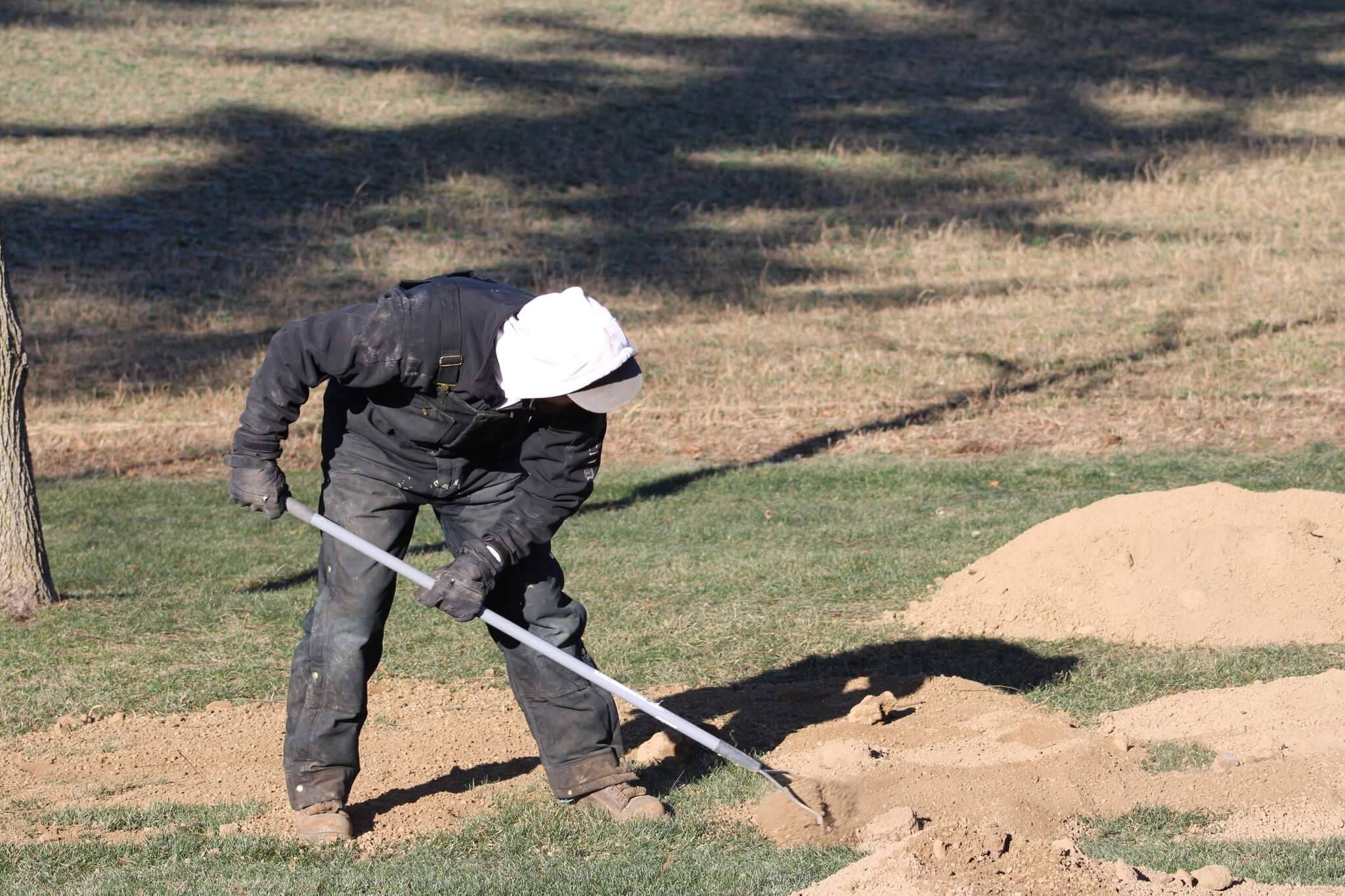
Check the soil regularly for signs of compaction or damage. Look for cracks, water pooling, or poor plant growth. Monitoring helps you act quickly to fix problems.
- Test soil moisture weekly with a simple probe or finger check.
- Note any hard or crusted areas that could block roots.
- Observe plant health for yellowing or stunted growth.
- Adjust watering and fertilizing based on your observations.
Credit: muthlerlandscaping.com
Common Mistakes To Avoid
Rolling soil helps prepare the ground for planting. Doing it wrong can harm soil structure and plant growth. Avoid these common errors to get better results.
This guide covers key mistakes about soil moisture, roller use, and soil types. Learn what to watch out for when rolling bare soil.
Rolling Dry Or Wet Soil
Rolling soil when it is too dry or too wet can cause problems. Dry soil may break apart, while wet soil can become compacted.
- Do not roll soil that is dusty and dry; it will crumble.
- Avoid rolling soil that is muddy or sticky; it will compact too much.
- Check soil moisture before rolling; it should be slightly damp but firm.
- Use a soil moisture meter if unsure about the wetness level.
Using Heavy Rollers Incorrectly
Heavy rollers can press the soil too hard. This limits air and water reaching plant roots. Using them wrongly causes poor soil health.
| Roller Weight | Soil Condition | Effect |
|---|---|---|
| Too heavy | Any moisture | Soil compaction and root damage |
| Appropriate weight | Ideal moisture | Firm seedbed without damage |
| Too light | Dry soil | Uneven surface, poor seed contact |
Ignoring Soil Type Differences
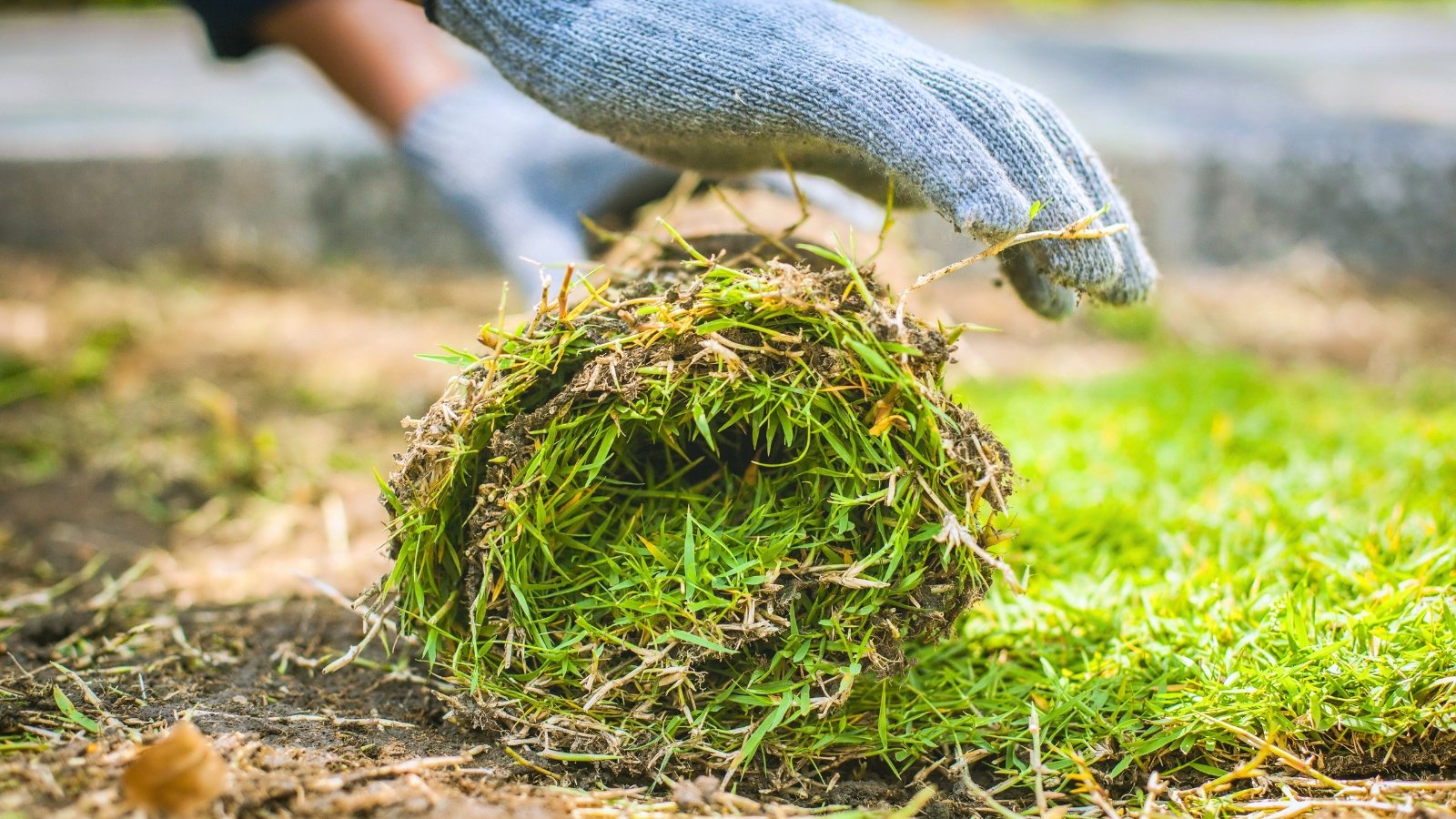
Different soils need different rolling methods. Clay, sand, and loam do not behave the same under pressure.
Soil Type Tips:
- Clay:Roll gently to avoid compaction.
- Sand:Roll firmly to create a smooth surface.
- Loam:Use moderate pressure for best results.
Credit: www.epicgardening.com
Frequently Asked Questions
What Is The Purpose Of Rolling Bare Soil?
Rolling bare soil compacts the surface, reduces air pockets, and improves seed-to-soil contact. This helps seeds germinate evenly and supports young plants. It also smooths the soil, making it easier to work with and preventing erosion by stabilizing loose soil particles.
When Is The Best Time To Roll Bare Soil?
The best time to roll bare soil is after tilling and before planting. Soil should be moist but not wet for effective rolling. Avoid rolling when soil is too dry or too wet, as this can cause compaction problems or clumping.
What Equipment Is Used To Roll Bare Soil?
Common equipment includes roller drums, cultipackers, or lawn rollers. These tools apply even pressure to the soil surface. Choice depends on soil type, field size, and desired compaction level. Proper equipment ensures effective rolling without damaging soil structure.
How Does Rolling Affect Soil Structure?
Rolling gently compacts soil surface but can reduce large air spaces. This improves seed contact but excessive rolling causes hardpan formation. Proper rolling balances compaction with maintaining soil porosity for root growth and water infiltration.
Conclusion
Rolling bare soil can transform your garden landscape. It helps create a smooth, even surface, ready for planting. By reducing soil compaction, it ensures better water absorption. This leads to healthier plants and a more vibrant garden. Keep your tools clean and well-maintained for best results.
Regular maintenance ensures your garden remains lush and beautiful. Remember, patience and care bring fruitful results. Enjoy the process and watch your garden thrive. Happy gardening!
