
Are you tired of spending hours raking leaves and clearing debris from your lawn? What if there was a simple tool that could save you time and effort while keeping your yard looking neat and tidy?
A lawn sweeper might be exactly what you need. You’ll discover what a lawn sweeper is, how it works, and why it could become your new best friend for lawn care. Keep reading to learn how this handy device can make your outdoor chores easier and more efficient.
Credit: www.vevor.com
Lawn Sweeper Basics
A lawn sweeper is a tool that cleans grass clippings, leaves, and debris from your yard. It helps keep your lawn neat and healthy.
You can use a lawn sweeper instead of raking or blowing leaves. It saves time and effort in lawn care.
How Lawn Sweepers Work
Lawn sweepers use rotating brushes to pick up debris from the grass. The brushes sweep the debris into a collection hopper.
When you push or tow the sweeper, the wheels turn the brushes. This action collects leaves and grass clippings efficiently.
Types Of Lawn Sweepers
There are push lawn sweepers and tow-behind lawn sweepers. Push sweepers are good for small yards and light debris.
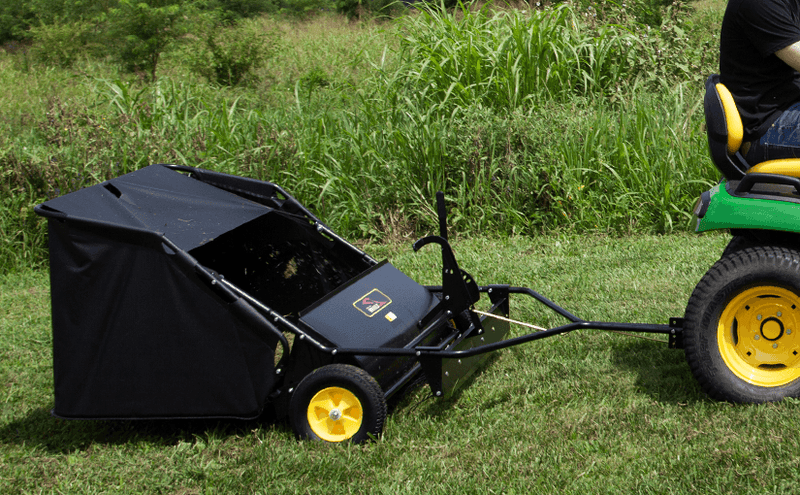
Tow-behind sweepers attach to a riding mower or garden tractor. They cover larger areas and handle heavier debris better.
- Push lawn sweepers: small yards, manual operation
- Tow-behind lawn sweepers: large yards, motorized towing
Key Features To Consider
Look at the hopper size to know how much debris it can hold. Bigger hoppers need less emptying.
Check the brush quality and adjustability. Good brushes sweep better and last longer.
- Hopper size for collecting capacity
- Brush type and durability
- Adjustable brush height for different grass lengths
- Ease of pushing or towing
- Weight and storage size
Benefits Of Using A Lawn Sweeper
A lawn sweeper is a tool designed to clean leaves, grass clippings, and other debris from your yard. It helps keep your lawn neat and healthy by removing unwanted materials quickly.
Using a lawn sweeper saves time and effort compared to raking by hand. It also works well on different types of yard debris, making lawn care easier.
Improved Lawn Appearance
A clean lawn looks fresh and inviting. A lawn sweeper removes leaves and debris that can make your grass look messy.
By clearing the yard regularly, the grass gets more sunlight and air. This helps the lawn stay green and healthy throughout the year.
Time And Effort Savings
Using a lawn sweeper is faster than using a rake. It covers more ground in less time, reducing the work needed to clean your yard.
The sweeper collects debris into a bag or container, so you don’t have to bend or gather piles by hand. This lowers physical strain.
Versatility For Different Debris
A lawn sweeper works on many types of debris. It picks up leaves, pine needles, grass clippings, and small twigs easily.
- Leaves from deciduous trees
- Grass cuttings after mowing
- Pine needles from conifer trees
- Light sticks and small branches
This tool helps keep your lawn clean in all seasons, no matter what kind of debris falls on your yard.
Choosing The Right Lawn Sweeper
A lawn sweeper helps keep your yard clean by picking up leaves, grass clippings, and debris. Choosing the right one depends on your lawn size and needs.
Understanding the key features of lawn sweepers helps you pick the best tool for your yard.
Size And Capacity
Choose a lawn sweeper size that fits your yard’s area. Large lawns need sweepers with big collection bags.
Small sweepers work well for small yards. Large sweepers reduce trips to empty the bag.
- Small capacity: best for yards under 5,000 sq ft
- Medium capacity: good for 5,000 to 15,000 sq ft
- Large capacity: ideal for lawns over 15,000 sq ft
Manual Vs. Powered Models
Manual lawn sweepers need you to push them. They work well for small yards and light debris.
Powered sweepers use a motor to spin brushes. They are easier to use on bigger lawns and heavy debris.
- Manual models are cheaper and lighter
- Powered models save effort and time
- Choose based on your yard size and strength
Budget Considerations
Lawn sweepers come in many price ranges. Set a budget before shopping to narrow your choices.
Manual sweepers usually cost less than powered ones. Think about how often you will use the sweeper.
- Manual sweepers: lower price, less maintenance
- Powered sweepers: higher price, more features
- Consider long-term use and durability
Using A Lawn Sweeper Effectively
A lawn sweeper helps you clean leaves, grass clippings, and debris. It saves time and effort compared to raking.
To get the best results, you need to prepare, use the right sweeping techniques, and care for your sweeper.
Preparation Tips
Before you start, check your lawn for large sticks or stones. Remove these to avoid damage to the sweeper.
Set the brush height correctly. It should touch the ground but not dig into the soil.
- Clear large debris from the lawn
- Adjust brush height for best contact
- Check the sweeper for loose parts
Sweeping Techniques
Push the sweeper at a steady speed. Moving too fast can leave debris behind.
Overlap each pass slightly to cover the whole lawn without missing spots.
- Keep a steady, moderate pace
- Overlap each pass for full coverage
- Empty the hopper regularly to maintain efficiency
Maintenance And Care
After use, clean the brushes and hopper to remove dirt and debris. This keeps the sweeper working well.
Check moving parts and tighten any loose bolts. Store the sweeper in a dry place to prevent rust.
- Clean brushes and hopper after each use
- Tighten bolts and check parts regularly
- Store in a dry, sheltered area
Common Lawn Sweeper Issues
Lawn sweepers help keep your yard clean by collecting leaves and debris. Sometimes, they stop working properly. Knowing common problems can save time and effort.
This guide covers common issues and how to fix them. It also explains when to repair or replace your lawn sweeper.
Troubleshooting Tips
Check these common problems first. Fixing small issues can keep your lawn sweeper running well.
- Brushes not spinning:Clear any stuck debris and check brush alignment.
- Wheels not turning smoothly:Clean wheel axles and add lubricant if needed.
- Debris not collecting:Adjust the height settings or empty the collection bag more often.
- Handle feels loose:Tighten all screws and bolts on the handle assembly.
- Uneven sweeping:Check tire pressure and make sure brushes wear evenly.
When To Repair Or Replace
Deciding to fix or replace depends on the problem’s size and cost. Use this table to help decide.
| Issue | Repair | Replace |
|---|---|---|
| Broken brush arms | Possible if parts are available | If damage is severe or parts unavailable |
| Worn wheels or tires | Replace wheels or tires individually | If frame is bent or wheels are not fixable |
| Rust on frame | Remove rust and repaint | If rust causes structural damage |
| Collection bag tears | Buy a new bag | Not applicable |
| Handle or frame cracks | Minor cracks can be welded or glued | Major cracks need full replacement |

Credit: www.familyhandyman.com

Credit: www.amazon.com
Frequently Asked Questions
What Is The Primary Purpose Of A Lawn Sweeper?
A lawn sweeper is designed to collect leaves, grass clippings, and debris efficiently. It helps maintain a clean and healthy lawn without manual raking.
How Does A Lawn Sweeper Work Effectively?
A lawn sweeper uses rotating brushes to sweep debris into a collection hopper. It can be pushed or towed, making yard cleanup faster and easier.
What Types Of Lawn Sweepers Are Available?
There are manual, push, and tow-behind lawn sweepers. Each type suits different lawn sizes and user preferences for convenience and power.
Can A Lawn Sweeper Replace Raking Entirely?
While a lawn sweeper reduces the need for raking, it may not remove all debris from tight spaces. It complements but doesn’t always fully replace raking.
Conclusion
A lawn sweeper is a handy tool for maintaining your garden. It saves time and effort by collecting leaves, grass, and debris. Unlike rakes, it works efficiently and quickly. Many models suit different yard sizes and needs. You can choose manual or powered sweepers.
Both offer great convenience. Regular use keeps your lawn neat and tidy. Easier than ever before. A perfect addition to any gardener’s toolkit. Investing in one can simplify your lawn care routine. It leaves more time for you to enjoy your outdoor space.
Clean, beautiful, and ready for relaxation.
