
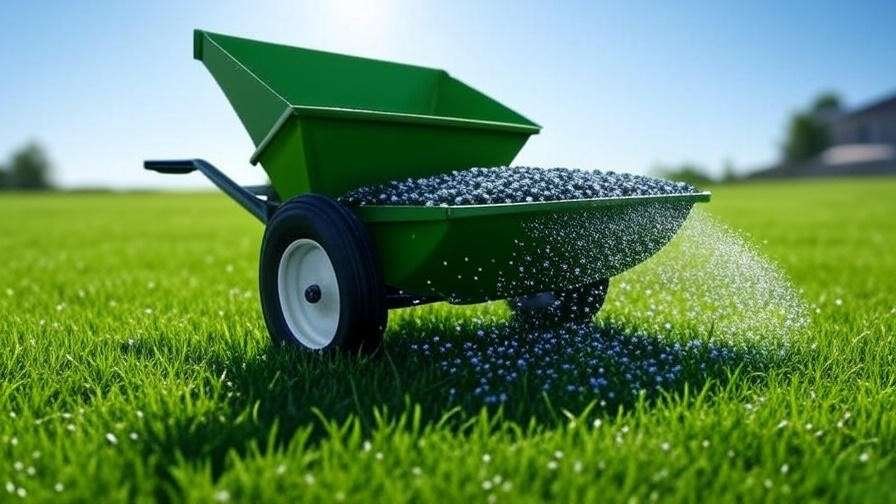
Ever found yourself standing in the garden aisle, staring at a spreader and wondering if it could be the game-changer for your lawn? You’re not alone.
The thought of achieving that lush, green carpet of grass is appealing to every homeowner. But the question lingers: Can you use a spreader for fertilizer? The short answer is yes, but there’s so much more to uncover. Imagine saving time and effort while ensuring every inch of your garden gets the nutrients it needs.
By the end of this article, you’ll not only know if a spreader is right for you but also how to make the most of it. Keep reading to transform your gardening routine and unlock the secret to a thriving lawn.
Types Of Fertilizer Spreaders
Fertilizer spreaders help distribute fertilizer evenly on your lawn or garden. Different spreaders suit different garden sizes and types of fertilizer.
Choosing the right spreader can save time and improve the health of your plants. Here are common types of fertilizer spreaders.
Broadcast Spreaders
Broadcast spreaders throw fertilizer in a wide area. They work well for large lawns and open spaces. The fertilizer scatters evenly as you push or pull the spreader.
- Cover large areas quickly
- Easy to use
- Best for granular fertilizer
- May cause some fertilizer loss due to wind
Drop Spreaders
Drop spreaders drop fertilizer straight down in a controlled path. They are good for smaller areas or places near flower beds. Drop spreaders reduce waste and keep fertilizer off sidewalks.
| Feature | Broadcast Spreader | Drop Spreader |
| Coverage Width | Wide | Narrow |
| Accuracy | Medium | High |
| Best Use | Large lawns | Small or detailed areas |
| Fertilizer Loss Risk | Higher (wind) | Lower |
Handheld Spreaders
Handheld spreaders are small and light. You hold them while walking and sprinkle fertilizer by hand. They are best for very small areas or spot treatments.
- Easy to control
- Good for garden beds and pots
- Portable and simple
- Works well with small fertilizer bags

Credit: www.agproud.com
Choosing The Right Spreader For Fertilizer
Using the right spreader makes applying fertilizer easier and more effective. It helps you cover the lawn evenly and saves time.
Different fertilizers and lawns need different types of spreaders. Choosing one that fits your needs is important for good results.
Match Spreader To Fertilizer Type
Not all spreaders work well with every fertilizer type. Granular and pellet fertilizers need different spreaders than powdered ones.
Broadcast spreaders work well with most granular fertilizers. Drop spreaders give more control for precise application.
- Use broadcast spreaders for large areas and coarse granules
- Use drop spreaders for small areas and fine granules
- Aerial spreaders suit very large lawns and commercial use
Consider Lawn Size And Terrain
Lawn size affects which spreader is best. Big lawns need spreaders with wide coverage to save time.
Terrain also matters. Uneven or sloped lawns may need spreaders that are easy to control and stable.
- Small lawns: Use handheld or push spreaders
- Medium lawns: Use push spreaders with larger hoppers
- Large lawns: Use tow-behind or motorized spreaders
- Hilly terrain: Choose spreaders with good wheel traction
Spreader Capacity And Features
Capacity means how much fertilizer the spreader holds. Larger capacity means fewer refills on big jobs.
Look for features like adjustable flow rate, easy cleaning, and durable wheels. These make spreading easier and more accurate.
| Feature | Benefit |
|---|---|
| Adjustable flow rate | Control how much fertilizer is spread |
| Large hopper | Less refilling on big lawns |
| Durable wheels | Better movement on rough terrain |
| Easy cleaning | Quick maintenance and longer use |
Preparing Fertilizer For Spreading
Using a spreader for fertilizer helps apply nutrients evenly. Proper preparation of the fertilizer ensures better results.
Check the fertilizer before spreading to avoid clumps and uneven coverage. This saves time and improves plant growth.
Check Fertilizer Moisture
Fertilizer should be dry for easy spreading. Wet fertilizer can clump and clog the spreader.
Store fertilizer in a dry place before use. If fertilizer feels damp, let it dry in a warm area.
Proper Granule Size
Fertilizer granules must be the right size for your spreader. Too large or too small granules cause uneven spreading.
Check the spreader’s manual to know the best granule size. Sift fertilizer if needed to remove large lumps.
Mixing Fertilizers If Needed
You may need to mix different fertilizers to get the right nutrient balance. Mix them well for uniform spreading.
- Use a clean container to mix fertilizers
- Mix dry fertilizers thoroughly
- Avoid mixing wet fertilizers together
- Label mixed fertilizers clearly
Calibrating Your Spreader
Using a spreader for fertilizer helps you apply nutrients evenly. Proper calibration ensures the right amount goes on your lawn or garden.
Calibration adjusts the spreader to match the fertilizer type and your application needs. This prevents waste and protects plants.
Adjusting Spread Settings
Check the fertilizer bag for recommended spreader settings. These settings control how much fertilizer the spreader releases.
Adjust the spreader dial or lever to the suggested number. If unsure, start with a lower setting and increase as needed.
- Match the spreader setting to fertilizer type
- Use lower settings for fine fertilizers
- Higher settings work for larger granules
Test Runs On Small Areas
Before full application, test your spreader on a small patch. This shows if the spreader applies the right amount.
Measure the fertilizer spread and check for even coverage. Adjust settings if fertilizer clumps or spreads too thin.
- Mark a small test area
- Run the spreader at chosen setting
- Check fertilizer distribution
- Adjust settings as needed
Avoiding Over-application
Applying too much fertilizer can harm plants and waste money. Calibrate carefully to avoid over-application.
Spread fertilizer evenly and avoid doubling over the same area. Use slow, steady walking speed for best results.
- Follow recommended spreader settings
- Keep a steady pace while spreading
- Overlap slightly to cover edges
- Do not rush or stop abruptly
Best Practices For Spreading Fertilizer
Using a spreader for fertilizer helps plants grow healthy. Proper spreading avoids waste and uneven growth.
Follow simple methods for walking, overlap, and timing. These improve results and save money.
Walking Speed And Pattern
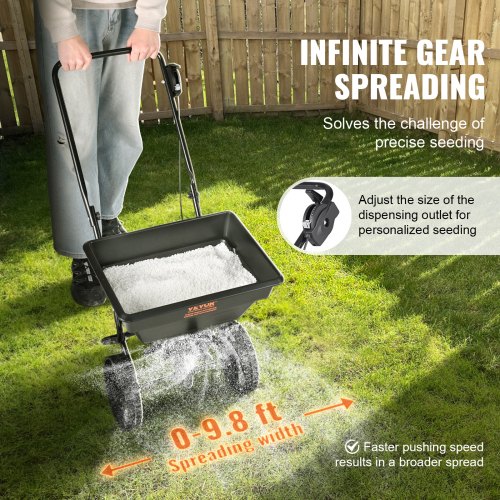
Walk at a steady pace to spread fertilizer evenly. Slow down if the spreader throws less material far.
- Keep a consistent speed throughout the area.
- Walk in straight lines to cover every part.
- Use a pattern like back and forth or a grid.
- Avoid rushing to prevent clumps and bare spots.
Overlap Techniques
Overlap spreads slightly to avoid gaps in fertilizer coverage. Too much overlap can waste fertilizer.
| Overlap Type | Description | Benefit |
| Edge-to-Edge | Lines just touch each other | Minimal waste, some gaps |
| 10-20% Overlap | Lines overlap slightly | Even coverage, fewer bare spots |
| More than 20% | Heavy overlap | Wasted fertilizer, risk of burning plants |
Timing And Weather Considerations
Choose the best time and weather for spreading fertilizer. Avoid windy or rainy days.
- Spread fertilizer in the early morning or late afternoon.
- Do not spread when rain is expected soon after.
- Wind can blow fertilizer away; spread when calm.
- Dry weather helps fertilizer absorb into the soil better.
Credit: www.vevor.ca
Maintaining Your Spreader
Keeping your spreader in good shape helps it last longer and work better. Regular care prevents problems during use.
Follow simple steps after each use to clean, lubricate, and store your spreader properly. This keeps it ready for the next job.
Cleaning After Use
Remove all fertilizer from the spreader to avoid damage. Fertilizer can cause rust and block moving parts if left inside.
- Empty the hopper completely
- Use a brush to clear fertilizer dust and residues
- Wash the spreader with water and mild soap
- Dry all parts thoroughly before storing
Lubrication And Repairs
Keep your spreader’s moving parts smooth by applying lubricant regularly. Check for any worn or broken parts.
| Part | Action | Frequency |
| Wheels | Apply grease | Monthly |
| Axles | Oil lightly | Monthly |
| Spreader plate | Inspect for damage | After each use |
| Hopper | Check for cracks | After each use |
Storage Tips
Store your spreader in a dry, covered place. Protect it from rain and direct sunlight to prevent rust and wear.
- Keep spreader indoors or under a shelter
- Cover with a tarp if stored outside
- Store off the ground to avoid moisture
- Remove batteries if the spreader is electric
Common Mistakes To Avoid
Using a spreader for fertilizer helps plants get nutrients evenly. Many people make simple mistakes that reduce its effect. Avoiding these errors saves fertilizer and keeps your lawn healthy.
This guide points out three common mistakes to avoid when using a fertilizer spreader. Fixing these problems will improve your spreading results.
Using Wrong Spreader Type
Not all spreaders work well with every fertilizer. Using the wrong type can cause uneven spreading or clogging. Choose a spreader that matches the fertilizer granule size and type.
Drop spreaders drop fertilizer in a narrow path. They work for small areas but can miss spots if not careful. Broadcast spreaders spread fertilizer over a wide area and cover quickly.
- Check fertilizer package for spreader type recommendations
- Use broadcast spreaders for large lawns
- Use drop spreaders for precise, small areas
Ignoring Calibration
Calibration sets how much fertilizer your spreader releases. Skipping calibration can lead to too little or too much fertilizer. This wastes product and can harm plants or the environment.
Calibrate the spreader before each use. Follow the instructions to match the fertilizer rate on the package. Test spread on a driveway or paper to see how much falls.
- Measure the area you will cover
- Adjust spreader settings to match fertilizer needs
- Test spread pattern and amount before starting
Spreading In Windy Conditions
Spreading fertilizer on windy days causes uneven coverage. Wind blows the fertilizer off target. This wastes fertilizer and can pollute nearby plants or water.
Choose calm days or early mornings to spread fertilizer. If wind is light, go slowly and overlap passes to improve coverage. Always check wind direction.
- Avoid spreading when wind speed is over 5 mph
- Work with the wind, not against it
- Wear protective gear if fertilizer dust blows around

Credit: www.agproud.com
Frequently Asked Questions
Can You Use A Spreader For All Types Of Fertilizer?
Yes, most spreaders work well with granular fertilizers. However, check the product label for compatibility. Some fertilizers may require specific spreaders.
How Does A Fertilizer Spreader Improve Application?
A spreader ensures even distribution of fertilizer. It reduces waste and prevents over-application, promoting healthier plant growth and saving money.
What Are The Different Types Of Fertilizer Spreaders?
Common types include broadcast, drop, and handheld spreaders. Each suits different lawn sizes and fertilizer types for efficient application.
Can A Spreader Cause Fertilizer Burn On Plants?
Over-application or uneven spreading can cause fertilizer burn. Using the correct settings and spreader type minimizes this risk and protects your plants.
Conclusion
Using a spreader for fertilizer saves time and effort. It helps spread fertilizer evenly over your lawn or garden. This even spread helps plants grow better and stay healthy. Choose the right spreader type for your fertilizer. Always follow the instructions for best results.
With careful use, your plants will get the nutrients they need. A spreader makes fertilizing easier and more effective. Give your garden the care it deserves.

