
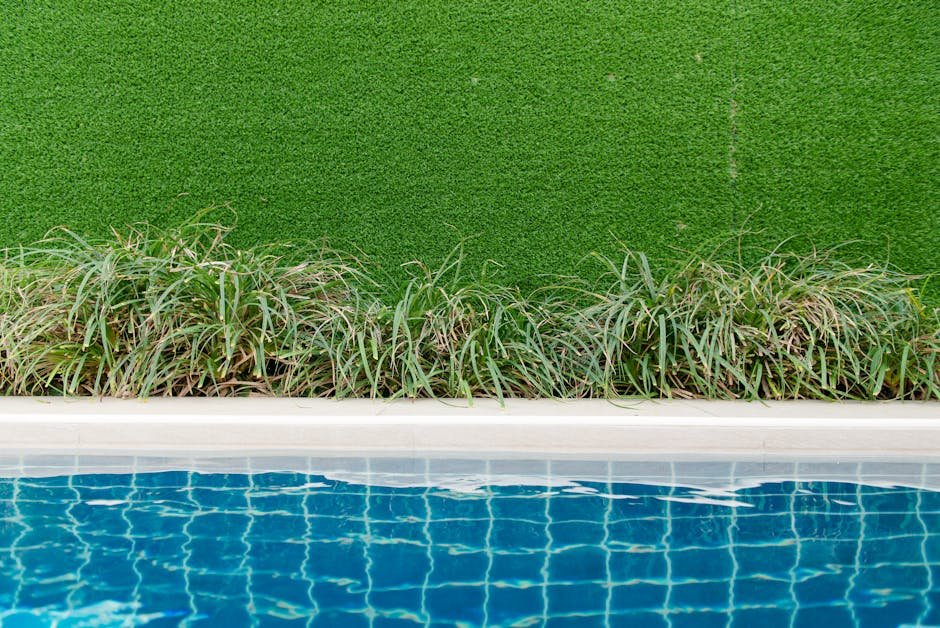
Transforming your garden into a stunning oasis starts with the right details, and garden border edging is the secret ingredient. Imagine perfectly defined flower beds and neat pathways that make your outdoor space look polished and inviting.
You might be wondering how to achieve this professional touch without breaking the bank or spending endless hours in the garden. The good news is, with a few simple tips, you can create beautiful borders that enhance your garden’s charm and keep it looking tidy year-round.
Ready to discover how to make your garden stand out? Dive into these essential garden border edging tips that will take your outdoor space to the next level.
Credit: www.hgtv.com
Choosing The Right Materials
Garden border edging defines space and keeps plants tidy. Picking the right material matters for look and durability.
Materials vary in style, cost, and how they hold up to weather. Let’s explore some common options.
Natural Stone Options
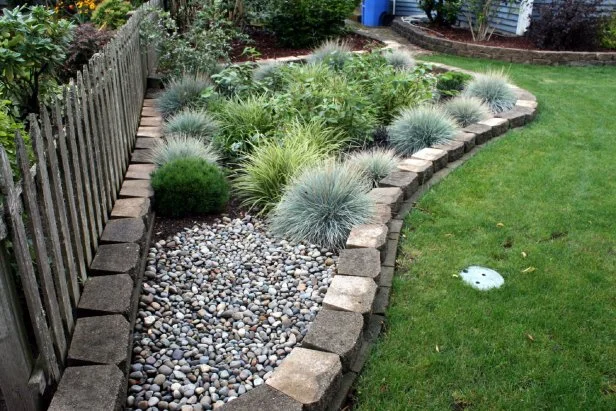
Natural stone offers a classic, sturdy border. Stones like granite, slate, and limestone suit different garden styles.
- Granite is very durable and resists weather well.
- Slate has a smooth finish and rich color tones.
- Limestone is softer but easy to shape for curved borders.
- Fieldstone gives a rustic, natural look.
Wood And Timber Choices
Wood is warm and blends well with plants. Choose treated wood to prevent rot and insect damage.
| Wood Type | Durability | Appearance |
| Cedar | High | Red-brown, fragrant |
| Pine (treated) | Medium | Light color, smooth |
| Redwood | High | Rich reddish color |
| Composite Timber | Very High | Varies, low maintenance |
Metal And Plastic Alternatives
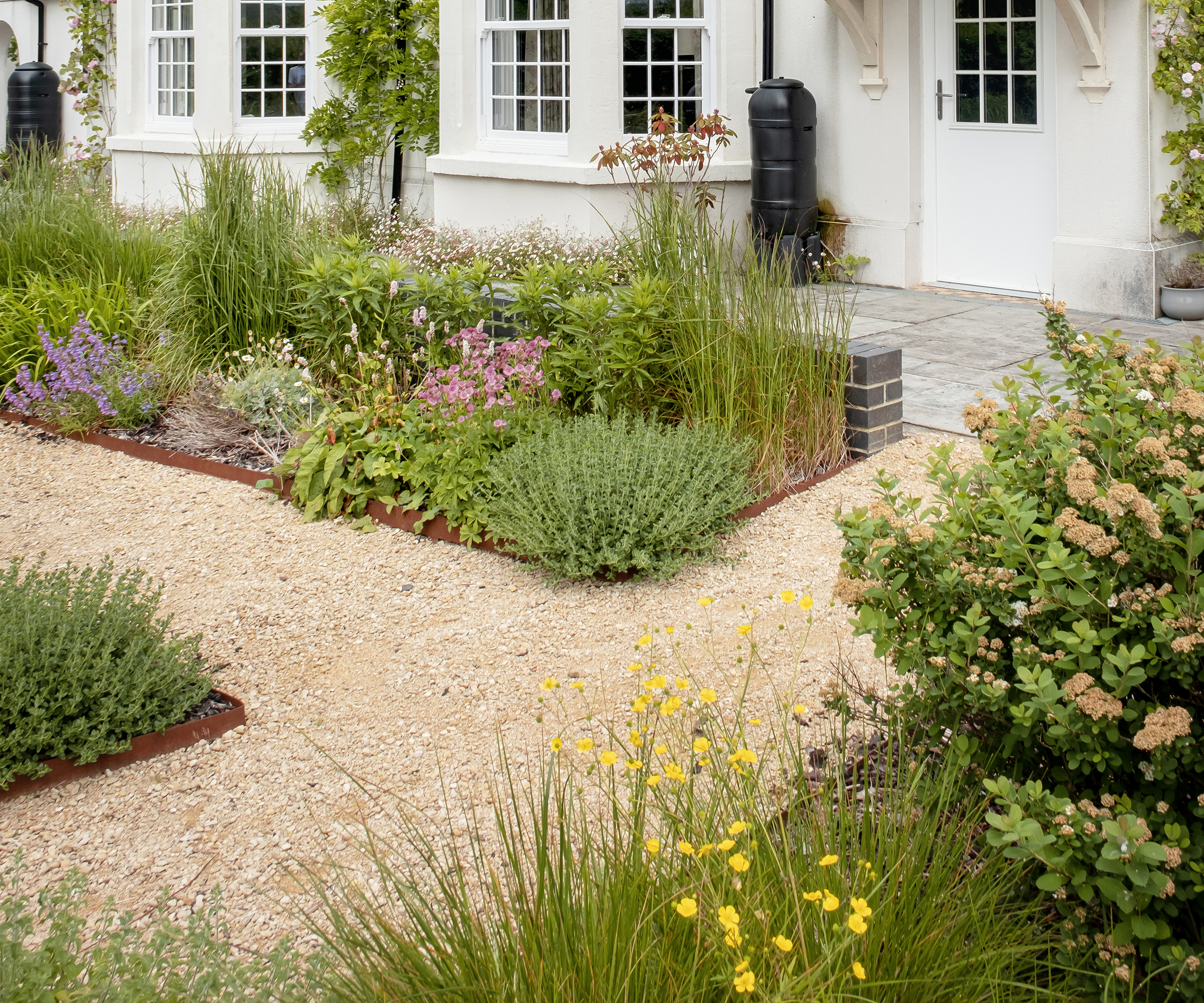
Metal and plastic edging are lightweight and easy to install. Metal lasts long but may rust without coating.
Benefits of metal and plastic edging:
- Flexible shapes for curves
- Low maintenance
- Resistant to insects and rot
- Plastic options are budget-friendly
- Metal options add a modern look
Design Ideas For Garden Borders
Garden borders help define spaces and add beauty to your yard. They guide the eye and organize plants neatly.
Choosing the right border style can change the look and feel of your garden. Here are ideas to inspire your design.
Curved Vs Straight Edges
Curved edges create a soft, natural look. They flow with the landscape and feel inviting.
Straight edges give a clean, modern feel. They work well in formal gardens and small spaces.
- Curved edges suit casual and cottage gardens
- Straight edges fit geometric or minimalist styles
- Mix both for variety and interest
Layered And Raised Borders
Layered borders use different heights of plants or materials. This adds depth and texture.
Raised borders lift plants above ground level. They improve drainage and make gardening easier.
- Use stones or bricks to build raised edges
- Plant tall plants in the back and short in front
- Mix colors and leaf shapes for layers
Incorporating Plants As Borders
Plants can form natural borders with soft lines. They bring color and life to edges.
Choose low-growing shrubs, grasses, or flowers for plant borders. They are easy to maintain and attractive.
- Boxwood and lavender work well for neat edges
- Ornamental grasses add texture and movement
- Seasonal flowers bring changing colors
Installation Techniques
Garden border edging gives your garden a neat, finished look. Installing it properly helps keep plants and soil in place.
Use the right steps to make sure your edging lasts and looks good over time.
Preparing The Ground
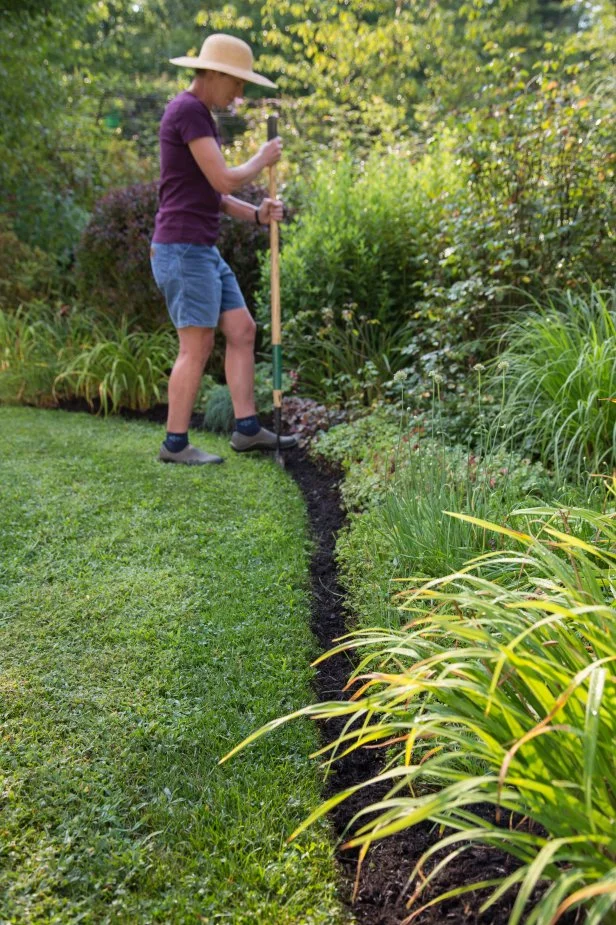
Clear the area where you want to place the edging. Remove grass, roots, and rocks.
Dig a shallow trench along the border line. The trench should be deep enough to hold the edging material firmly.
- Mark the border line with string or spray paint
- Dig a trench about 2-4 inches deep
- Keep the trench width slightly wider than the edging
Securing Edging Materials
Place the edging material into the trench. Make sure it stands straight and follows the border line.
Use stakes or spikes to hold the edging in place. Push them firmly into the soil behind the edging.
- Check that each piece fits tightly against the next
- Drive stakes every 12-18 inches for stability
- For flexible edging, bend gently to follow curves
Maintaining Clean Lines
Keep the border line tidy by trimming grass and weeds regularly. This stops plants from growing over the edging.
Reposition or replace edging pieces if they shift or get damaged. This keeps the border sharp and clear.
- Trim grass edges with a garden trimmer
- Remove weeds near the edging by hand
- Check edging after heavy rain or wind
Credit: www.hgtv.com
Creative Enhancements
Garden borders add charm and structure to your outdoor space. Enhancing them creatively can highlight your plants and paths.
Simple ideas can make your garden border stand out, giving it personality and style.
Adding Lighting Elements
Lighting can make your garden border shine at night. Soft lights create a warm and inviting feel.
- Use solar-powered stakes along the edge for easy installation.
- Place string lights on low bushes for a magical glow.
- Install small spotlights to highlight tall plants or sculptures.
Using Decorative Stones
Decorative stones add texture and color to your garden borders. They keep weeds down and improve drainage.
| Stone Type | Color | Best Use |
| River Rock | Mixed neutrals | Path edges and dry creek beds |
| Slate Chips | Gray to black | Modern borders and walkways |
| White Pebbles | Bright white | Contrast against green plants |
Integrating Garden Art
Garden art gives your border a unique personality. Use pieces that match your garden’s style.
Try these ideas:
- Place small sculptures or figurines along the edge.
- Use colorful ceramic pots as border accents.
- Hang wind chimes or decorative signs on nearby posts.
Maintenance Tips
Garden border edging helps keep your garden tidy and defined. Proper maintenance keeps it looking good year-round.
Regular care prevents damage and keeps plants healthy near the edges. Follow simple tips to maintain your garden borders.
Weed Control Strategies
Weeds can grow quickly along garden borders and make them look messy. Controlling weeds stops them from spreading to your plants.
Pull weeds by hand or use a hoe to remove them at the roots. Mulching helps prevent weed seeds from sprouting.
- Remove weeds regularly to stop spreading
- Apply mulch to block sunlight for weed seeds
- Use a weed barrier fabric under the edging
- Avoid chemical herbicides near delicate plants
Cleaning And Repairs
Keep edging clean to maintain its appearance. Dirt and debris can build up and hide damage.
Check for cracks, chips, or loose parts often. Fix small problems quickly to avoid bigger repairs later.
- Wash edging with water and a soft brush
- Clear away soil and plant debris regularly
- Tighten or replace loose edging pieces
- Fill cracks with appropriate filler or sealant
Seasonal Adjustments
Garden borders face different conditions each season. Adjust maintenance to protect them from weather changes.
In colder months, clear snow and ice carefully. In spring, inspect borders for winter damage and reset any shifted parts.
- Remove snow gently to avoid damage
- Check edging after frost or heavy rain
- Reset edging that has moved or sunk
- Add fresh mulch in spring for protection
Credit: www.homebuilding.co.uk
Frequently Asked Questions
What Materials Are Best For Garden Border Edging?
Popular materials include wood, stone, metal, and plastic. Choose based on durability, style, and budget. Wood offers a natural look but may need maintenance. Stone and metal are long-lasting and provide a clean finish. Plastic is affordable and easy to install.
How Do I Install Garden Border Edging Properly?
Start by marking the border line. Dig a shallow trench along the line. Place edging material firmly in the trench. Backfill with soil or mulch to secure it. Ensure the edging is level and straight for a neat appearance.
Can Garden Border Edging Prevent Weed Growth?
Yes, edging helps block grass and weeds from spreading into garden beds. It creates a physical barrier to contain mulch and soil. Combine edging with weed barrier fabric for better protection. Regular maintenance also reduces weed intrusion effectively.
How High Should Garden Border Edging Be?
Garden edging should be 3 to 6 inches above soil level. This height contains mulch and soil while preventing grass invasion. Taller edging may obstruct mowing, while shorter edging might not be effective. Adjust height based on plant size and garden style.
Conclusion
Garden border edging brings neatness and charm to any yard. It keeps plants tidy and paths clear. Choose materials that suit your style and budget. Simple steps make installation easy and quick. Regular care will keep edges looking sharp and fresh.
A well-defined border makes your garden inviting and organized. Try different edging ideas to find what fits best. Start small and enjoy the difference edging makes. Your garden will thank you with beauty and order.

