
Are you trying to decide between a manual tiller and a power tiller for your gardening needs? Choosing the right tool can make all the difference in transforming your soil into a lush, productive garden.
Both manual and power tillers have their own unique benefits and drawbacks. Understanding these differences can save you time, effort, and money. Imagine effortlessly breaking ground with the right tiller, making your gardening tasks easier and more enjoyable. Dive into the details and discover which tiller suits your specific needs, ensuring you make the best choice for your garden’s success.
Credit: www.vevor.ca
Manual Tiller Basics
Manual tillers are simple farming tools used to prepare soil for planting. They help break the ground by hand without using fuel or electricity.
These tillers are easy to use and suitable for small gardens or farms. They are a good choice for people who want an affordable and eco-friendly tool.
Types Of Manual Tillers
There are different types of manual tillers designed for various soil and garden sizes. Each type has a unique shape and function.
- Hand Fork Tillers: Small tools with prongs for loosening soil.
- Push Tillers: Tools with wheels and tines pushed by hand.
- Rotary Tillers: Manual versions with rotating blades for digging.
Key Features
Manual tillers have simple designs that make them easy to handle. They do not require fuel, making them quiet and clean to use.
- Lightweight for easy carrying and use
- Durable metal tines for breaking soil
- Simple handles for good grip and control
- No need for fuel or electricity
- Low maintenance and long-lasting
Ideal Uses
Manual tillers work best for small gardens, flower beds, and soft soil. They are great for light soil preparation and gardening tasks.
- Preparing soil in home gardens
- Mixing compost or fertilizer into soil
- Breaking up small clumps of dirt
- Tilling areas where power tools can’t reach
- Gardening in tight spaces or raised beds

Credit: www.made-in-china.com
Power Tiller Essentials
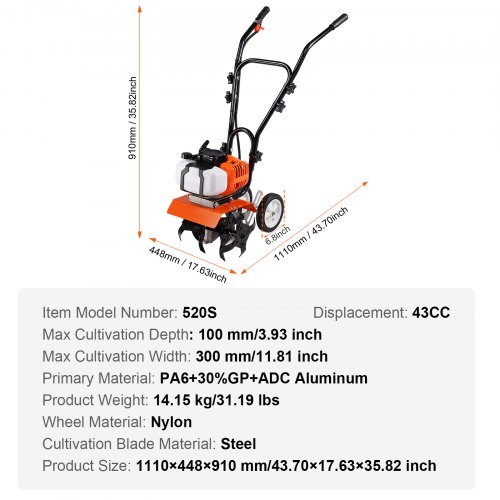
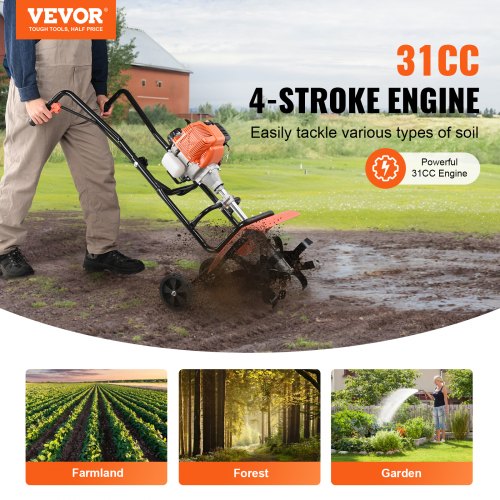
Power tillers are machines that help farmers prepare soil quickly. They save time and reduce hard work compared to manual tillers.
This guide explains different types of power tillers, their main parts, and best uses. It helps you understand power tillers better.
Types Of Power Tillers
Power tillers come in different types based on their size and power source. Each type suits different farm needs.
- Walk-behind tillers:Small and light, good for small farms and gardens.
- Two-wheel tractors:Medium size, can pull tools and do many tasks.
- Four-wheel tractors:Large and powerful, used for big farms.
- Rotary tillers:Attach to tractors, use rotating blades to till the soil.
Main Components
Power tillers have several key parts that work together to prepare the land.
| Component | Function |
| Engine | Provides power to move and till the soil. |
| Tilling Blades | Cut and turn the soil for planting. |
| Handlebars | Used by the operator to steer and control the tiller. |
| Transmission | Transfers power from engine to blades and wheels. |
| Wheels | Help move the tiller across the field. |
Best Applications
Power tillers work well in many farming tasks. They improve efficiency and reduce manual labor.
- Tilling soil for crops like wheat, rice, and maize.
- Land leveling to prepare flat fields for planting.
- Weed control by cutting unwanted plants between rows.
- Mixing fertilizers and compost into the soil.
- Transporting small loads with attached carts or trailers.
Performance Comparison
The choice between a manual tiller and a power tiller depends on how well they perform in key areas. This comparison looks at three main factors.
Understanding these factors helps choose the right tool for different farming needs.
Soil Preparation Efficiency
Manual tillers require more physical effort and time to prepare soil. Power tillers cover larger areas quickly and break soil more deeply.
| Feature | Manual Tiller | Power Tiller |
| Area Coverage | Small to medium | Large |
| Soil Depth | Shallow to moderate | Deep |
| Physical Effort | High | Low |
| Time Taken | Longer | Shorter |
Power And Speed
Power tillers use engines to operate, which lets them work faster and with more power. Manual tillers rely on human strength, which limits speed and power.
- Power tillers can till large fields quickly.
- Manual tillers suit small gardens and light tasks.
- Power tillers reduce physical strain.
- Manual tillers require constant effort.
Handling Different Terrains
Manual tillers are easier to control in tight spaces and uneven land. Power tillers perform well on flat and medium rough terrain but need more skill on very rough ground.
| Terrain Type | Manual Tiller | Power Tiller |
|---|---|---|
| Flat Land | Good control | High efficiency |
| Uneven Land | Easy to maneuver | Needs skill |
| Rocky Terrain | Limited use | Possible with caution |
| Hilly Areas | Better for small plots | Less stable |
Credit: www.vevor.ca
Cost And Maintenance
Choosing between a manual tiller and a power tiller depends on several cost and maintenance factors. Understanding these can help farmers make the best choice for their needs and budget.
This article compares manual and power tillers in terms of initial investment, running costs, and maintenance needs.
Initial Investment
Manual tillers usually cost less to buy than power tillers. They are simple tools without engines or complex parts. Power tillers have engines and more features, which increase their price.
| Tiller Type | Average Price Range |
|---|---|
| Manual Tiller | $50 – $200 |
| Power Tiller | $1,000 – $3,500 |
Running Costs
Manual tillers need no fuel or electricity. They only require human effort. Power tillers use fuel like petrol or diesel, which adds to their cost over time.
- Manual tillers have zero fuel costs.
- Power tillers need regular fuel purchase.
- Power tillers may need oil changes and parts replacement.
- Manual tillers do not have these extra running costs.
Maintenance Needs
Manual tillers are easy to maintain. They have fewer moving parts and no engine. Power tillers need regular checks to keep the engine and parts working well.
- Manual tillers require cleaning and occasional tightening.
- Power tillers need oil changes, filter cleaning, and engine servicing.
- Power tillers may need more repairs due to complex parts.
- Manual tillers last longer with simple care.
Environmental Impact
Choosing between a manual tiller and a power tiller affects the environment in many ways. This includes fuel use, noise pollution, and soil health.
Understanding these differences helps farmers make better choices for nature and their land.
Fuel Consumption
Manual tillers do not use fuel because they work by hand. This means they do not add to air pollution.
Power tillers run on petrol or diesel. They consume fuel and release greenhouse gases into the air.
- Manual tillers use zero fuel
- Power tillers consume petrol or diesel
- Fuel use increases carbon emissions
Noise Levels
Manual tillers are quiet because they do not have engines. This helps keep farm areas peaceful.
Power tillers produce loud noise from their engines. This noise can disturb wildlife and nearby people.
- Manual tillers operate silently
- Power tillers create engine noise
- Noise pollution affects animals and humans
Soil Health Effects
Manual tillers are gentle on the soil. They cause less soil compaction and maintain soil structure.
Power tillers can compact soil more due to their weight. This may reduce soil aeration and harm soil life.
- Manual tillers reduce soil compaction
- Power tillers may increase soil compaction
- Healthy soil supports better crop growth
User Experience
Choosing between a manual tiller and a power tiller affects how easy and safe your work will be. Both tools help prepare soil but feel different to use.
This guide compares their user experience by looking at ease of use, physical effort, and safety.
Ease Of Use
Manual tillers are simple machines. They need you to push and pull them across the soil. Power tillers use engines and controls that need some learning.
- Manual tillers have fewer parts and no fuel needed.
- Power tillers start with a switch or pull cord.
- Manual tillers work best on small gardens.
- Power tillers cover larger areas faster.
- Power tillers require some skill to steer and operate safely.
Physical Effort Required
| Type | Effort Level | Suitable For |
|---|---|---|
| Manual Tiller | High | Small plots and light soil |
| Power Tiller | Low to Moderate | Large fields and hard soil |
Manual tillers need more muscle power. Power tillers do most work with their engine but can be heavy to handle.
Safety Considerations
Safety is key with both tillers. Here are main points to keep in mind:
- Wear gloves and sturdy shoes.
- Keep hands and feet away from blades.
- Manual tillers have fewer risks but can strain your body.
- Power tillers can cause injuries if controls fail or if not handled properly.
- Always read the manual before use.
Choosing The Right Tiller
Choosing between a manual tiller and a power tiller depends on your needs. Each type has benefits for different farming situations.
Understanding your farm size, budget, and goals will help you decide which tiller fits best.
Farm Size And Type
Manual tillers work well on small farms or garden plots. They are easy to control and good for light soil.
Power tillers suit larger farms and tougher soil. They cover more ground faster and need less physical effort.
- Manual tillers: Small areas, soft soil
- Power tillers: Large areas, hard soil
- Manual tillers: Best for gardens and small farms
- Power tillers: Good for fields and bigger farms
Budget Constraints
Manual tillers cost less to buy and maintain. They require no fuel and have fewer parts to fix.
Power tillers are more expensive upfront and need fuel and regular service. They save money on labor over time.
- Manual tillers: Low purchase and maintenance costs
- Power tillers: Higher initial and running costs
- Manual tillers: No fuel needed
- Power tillers: Fuel and service required
Long-term Goals
Choose a manual tiller if you want simple tools and low upkeep. It fits small, low-intensity farms.
Pick a power tiller for faster work and bigger farms. It helps increase productivity and save time.
- Manual tillers: Good for small, simple farming goals
- Power tillers: Support larger scale and faster work
- Manual tillers: Less maintenance over time
- Power tillers: Invest in long-term farm growth
Tips For Maximizing Tiller Efficiency
Using a tiller properly helps you work faster and save energy. Both manual and power tillers need good care to perform well.
This guide shares simple tips to get the best results from your tiller, whether manual or powered.
Proper Operation Techniques
Handle your tiller with care to avoid damage and increase efficiency. Use smooth, steady movements for better soil turnover.
For manual tillers, apply consistent pressure and avoid pushing too hard. For power tillers, start slow and increase speed as needed.
- Check the soil type before tilling
- Use the right depth setting
- Keep your hands and feet clear of moving parts
- Work in straight lines for even tilling
Regular Maintenance
Keep your tiller clean and check parts often. Regular care prevents breakdowns and keeps the machine running well.
Manual tillers need rust prevention and blade sharpening. Power tillers require oil changes and engine checks.
- Clean soil and debris after each use
- Sharpen blades regularly
- Check fuel and oil levels (power tillers)
- Tighten loose bolts and nuts
- Inspect belts and replace if worn
Seasonal Adjustments
Adjust your tiller based on the season to improve performance. Soil and weather conditions change over the year.
Use different tilling depths for wet or dry soil. Store your tiller properly during off-season months.
- Reduce tilling depth in dry seasons
- Increase depth when soil is moist
- Drain fuel and oil before winter storage (power tillers)
- Cover tiller to protect from rain and dust
- Check blades for rust after storage
Frequently Asked Questions
What Are The Main Differences Between Manual And Power Tillers?
Manual tillers require human effort and are suitable for small gardens. Power tillers are engine-driven, ideal for larger fields, and save time and labor.
Which Tiller Is Better For Small-scale Farming?
Manual tillers are best for small-scale farming due to their simplicity and low cost. Power tillers are more suitable for medium to large farms.
How Does The Cost Compare Between Manual And Power Tillers?
Manual tillers are inexpensive and have minimal maintenance costs. Power tillers involve higher initial investment and fuel expenses but increase efficiency.
Can Power Tillers Reduce Farming Labor Significantly?
Yes, power tillers reduce labor by mechanizing soil preparation. They work faster and require less physical effort compared to manual tillers.
Conclusion
Choosing between a manual tiller and a power tiller depends on your needs. Manual tillers are light, cheap, and good for small gardens. Power tillers work faster and handle bigger fields. They save time and reduce hard work. Think about your budget, land size, and physical strength.
Both tools help prepare soil well. Pick the one that fits your farm and comfort best. This way, you can grow healthy crops with less trouble. Simple tools or machines—both can support your farming goals.

