
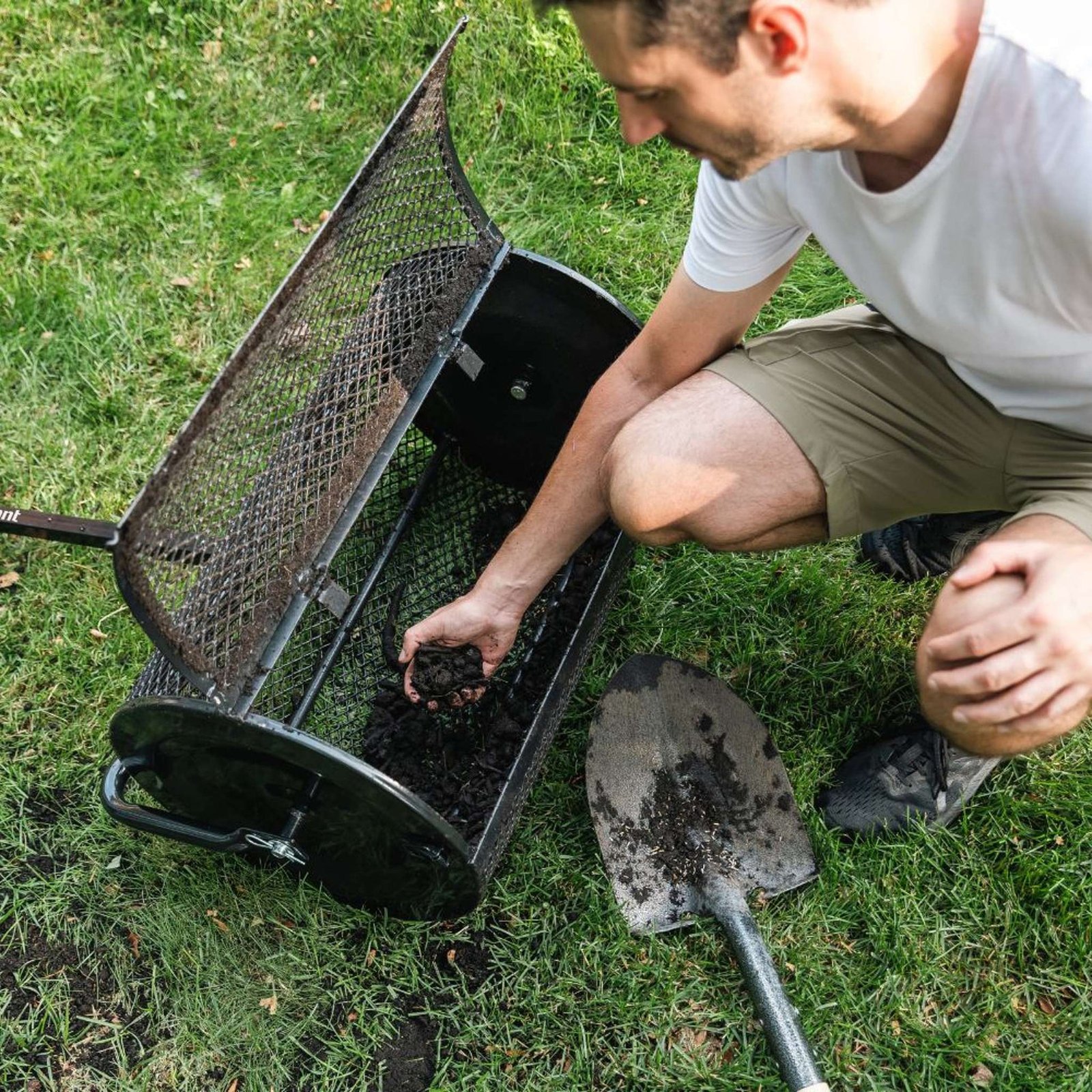
Imagine transforming your uneven lawn into a smooth, lush paradise that draws admiring glances from every passerby. As a homeowner or professional landscaper, you know the value of first impressions, and a perfectly manicured lawn speaks volumes about your dedication and attention to detail.
Enter the lawn roller, an essential tool that can elevate your landscaping game to the next level. But why is a lawn roller so crucial for professional landscaping, and how can it enhance your yard’s appeal? This article dives into the world of lawn rollers, uncovering how they can redefine your approach to lawn care and help you achieve that enviable, picture-perfect lawn.
Stick around to discover the secrets behind this simple yet powerful tool and how it can make your landscape the talk of the town.
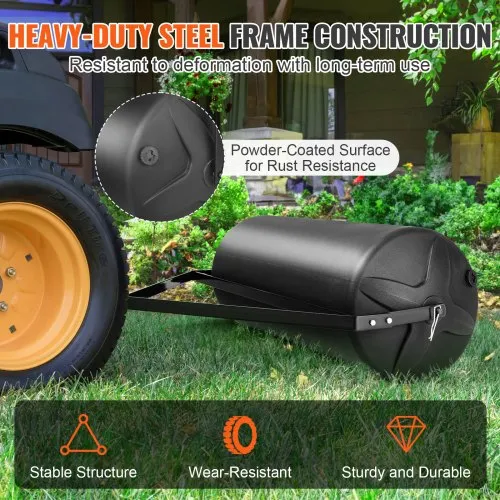
Credit: www.vevor.com
Benefits Of Lawn Rollers
Lawn rollers are tools used by professional landscapers. They help improve the quality of lawns and gardens.
Using a lawn roller makes the soil firm and smooth. This helps plants grow better and look nicer.
Enhancing Soil Compaction
Lawn rollers press down loose soil to make it firmer. This stops soil from moving or washing away.
Firm soil helps roots grow stronger. It also supports healthy grass and plants.
Smoothing Uneven Surfaces
Rollers flatten bumps and holes in the lawn. This creates a level surface that looks neat.
A smooth lawn is easier to mow and maintain. It also prevents water from pooling in low spots.
Improving Seed-to-soil Contact
Lawn rollers press seeds into the soil after planting. This helps seeds stay in place and start growing.
Good seed contact with soil increases germination rates. It leads to thicker and healthier grass.
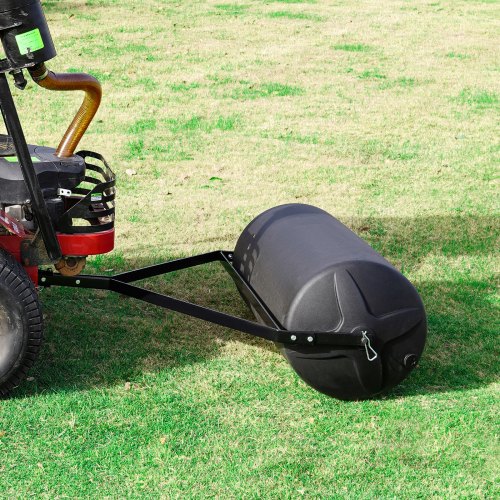
Credit: www.vevor.com
Types Of Lawn Rollers
Lawn rollers help make your lawn smooth and even. They press down soil and grass after seeding or digging.
There are many types of lawn rollers. Each type suits different needs and tasks in landscaping.
Manual Vs. Motorized
Manual rollers are pushed by hand. They work well for small yards and simple jobs.
Motorized rollers use engines to move. They save time and effort on large or rough areas.
- Manual rollers are lightweight and easy to control.
- Motorized rollers cover big spaces faster.
- Manual rollers cost less but need more effort.
- Motorized rollers need fuel and maintenance.
Water-filled Vs. Steel Rollers
Water-filled rollers can be filled or emptied to adjust weight. This makes them flexible for different jobs.
Steel rollers are heavy and strong. They work well for tough soil and large areas.
- Water-filled rollers are easy to transport when empty.
- Steel rollers provide heavy pressure for firm soil.
- Water-filled rollers suit medium lawns and gardens.
- Steel rollers are best for professional landscaping tasks.
Specialized Rollers For Different Terrains
Some rollers have special designs for uneven or soft ground. They help keep the soil steady without damage.
Examples include spiked rollers to aerate soil and padded rollers for delicate surfaces.
- Spiked rollers make small holes to improve air and water flow.
- Padded rollers protect young grass and new seedbeds.
- Heavy-duty rollers work well on rocky or rough terrain.
- Light rollers suit flat and smooth lawns.
Choosing The Right Roller
Lawn rollers help create smooth, even surfaces in landscaping. Picking the right roller makes your work easier and results better.
Consider your project needs before choosing. Different rollers suit different jobs and areas.
Factors To Consider
Think about the type of soil, the size of the area, and the roller’s weight. These affect how well the roller works.
- Soil type: soft, hard, or rocky
- Area size: small garden or large field
- Roller weight: heavier for firm compaction
- Ease of use: manual or tow-behind options
Matching Roller Size To Project
Choose a roller size that fits your project area. A larger roller covers more ground quickly. A smaller one is easier to control in tight spaces.
| Project Size | Recommended Roller Size |
| Small (under 1,000 sq ft) | 12 to 18 inches wide |
| Medium (1,000 to 5,000 sq ft) | 18 to 24 inches wide |
| Large (over 5,000 sq ft) | 24 inches or wider |
Budget And Durability
Set a budget before buying. Durable rollers cost more but last longer. Cheap rollers may break or need repairs.
Consider these points:
- Material quality: steel lasts longer than plastic
- Maintenance needs: simple designs need less care
- Warranty: longer warranty shows confidence in product
- Second-hand options: cheaper but check condition carefully
Techniques For Optimal Use
A lawn roller is a helpful tool for professional landscaping. It helps make the ground smooth and even. Using it the right way can improve your results.
This guide explains key techniques to use a lawn roller well. Learn about timing, rolling patterns, and safety tips.
Proper Timing And Frequency
Rolling should happen when the soil is moist but not too wet. Too much water makes the soil sticky and clumpy. Dry soil will not roll well.
Do not roll the lawn too often. Rolling once or twice a month is usually enough. Over-rolling can harm grass roots and soil structure.
- Roll after seeding or laying sod
- Avoid rolling during heavy rain or drought
- Check soil moisture before rolling
- Limit rolling frequency to prevent damage
Rolling Patterns For Uniformity
Use a consistent rolling pattern to get an even surface. Rolling in straight lines helps cover all areas without missing spots.
Overlap each pass slightly. This avoids gaps and uneven pressure. Change direction after each round to smooth the soil better.
- Start from one edge and roll straight across
- Overlap each pass by 6 to 12 inches
- Roll lengthwise and then crosswise
- Use slow and steady speed for best results
Safety Tips For Professionals
Wear protective gear such as gloves and boots when rolling. The roller can be heavy and hard to control. Keep hands and feet clear of the roller at all times.
Inspect the roller before use. Check for damage or loose parts. Use caution on slopes to avoid slipping or tipping over.
- Wear gloves, boots, and eye protection
- Keep clear of moving parts
- Check roller condition before work
- Avoid steep slopes and uneven ground
- Use proper lifting techniques when moving
Maintenance And Care
Proper maintenance keeps your lawn roller working well. Regular care helps avoid damage and costly repairs.
Follow simple steps to clean, store, and troubleshoot your roller. This will extend its life and improve performance.
Cleaning And Storage
Clean your lawn roller after every use. Remove dirt and grass to prevent rust and wear.
- Use a hose to wash off soil and debris.
- Wipe the roller dry with a cloth to stop rust.
- Store the roller in a dry, covered place.
- Keep it off the ground to avoid moisture damage.
Troubleshooting Common Issues
If your roller does not roll smoothly, check the wheels and bearings. Dirt or rust may cause problems.
| Issue | Cause | Solution |
| Roller sticks | Dirt buildup | Clean roller and wheels |
| Wheels wobble | Loose bearings | Tighten or replace bearings |
| Rust spots | Moisture exposure | Clean and apply rust protector |
Extending Roller Lifespan
Regular checks and basic care will keep your lawn roller in good shape for years.
- Inspect the roller before each use for damage.
- Lubricate moving parts every few months.
- Avoid rolling over hard objects like rocks.
- Store in a shaded area to prevent sun damage.
- Replace worn parts promptly to keep performance steady.
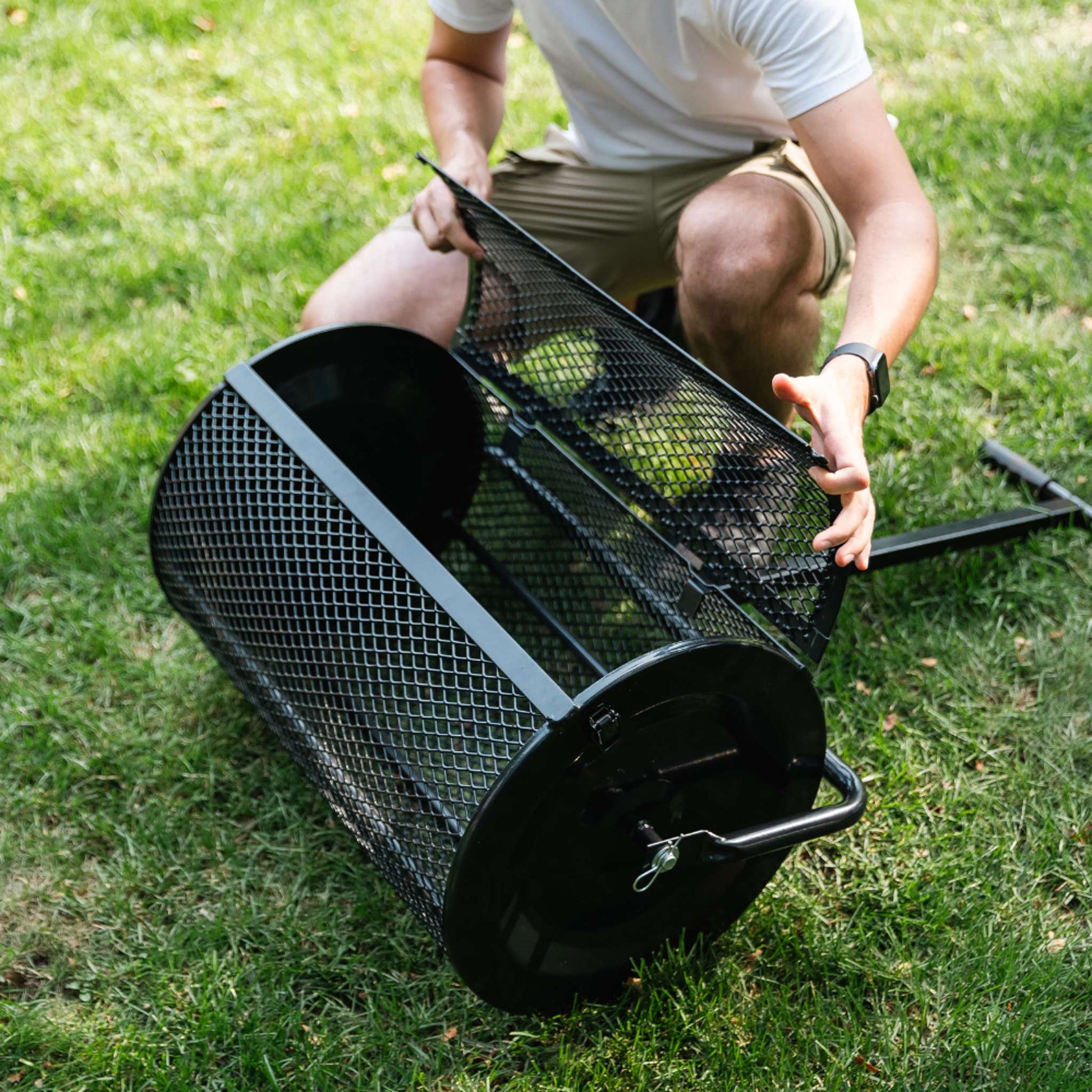
Credit: www.garant.com
Impact On Landscaping Efficiency
Lawn rollers are useful tools in professional landscaping. They help make the soil flat and firm.
Using a lawn roller can improve how fast and well landscaping work gets done.
Reducing Labor Time
Lawn rollers reduce the time workers spend on preparing the land. They make soil leveling faster and easier.
Less time is needed to fix bumps and holes after planting seeds or laying sod.
- Rolls soil evenly in fewer passes
- Minimizes manual raking and smoothing
- Speeds up seedbed preparation
Enhancing Project Precision
Lawn rollers help create a smooth and level surface. This ensures better seed contact with soil.
Precise soil compaction leads to uniform grass growth and less risk of erosion or patchy lawns.
- Improves soil firmness without over-compacting
- Helps maintain consistent grading
- Supports even water absorption
Case Studies From Landscaping Experts
Experts report that lawn rollers save hours on large projects. They reduce the need for rework.
One landscaping company cut labor costs by 20% using lawn rollers for new lawns.
| Project | Time Saved | Result |
|---|---|---|
| New park lawn | 15 hours | Smoother grass surface |
| Residential yard | 8 hours | Even sod installation |
| Sports field prep | 20 hours | Improved soil firmness |
Frequently Asked Questions
What Is A Lawn Roller Used For In Landscaping?
A lawn roller compacts soil and flattens uneven ground. It helps create a smooth, level surface for lawns and gardens. This tool is essential for professional landscapers to achieve uniform soil density and improve turf appearance.
How Does A Lawn Roller Improve Lawn Health?
By pressing soil, a lawn roller removes air pockets and improves seed-to-soil contact. This promotes better germination and root growth. It also helps control weeds and enhances water absorption in lawns, leading to healthier grass.
When Should I Use A Lawn Roller On My Lawn?
Use a lawn roller after seeding, fertilizing, or topdressing. It is best applied when soil is moist but not wet. Rolling after lawn repair or construction ensures even soil compaction and a professional finish.
What Types Of Lawn Rollers Are Best For Professionals?
Professional landscapers often choose heavy-duty steel or poly lawn rollers. Steel rollers provide strong compaction for large projects. Poly rollers are lighter and easier to maneuver, suitable for delicate turf and smaller areas.
Conclusion
A lawn roller helps create smooth, even ground for landscaping. It presses soil and grass firmly, improving lawn health. Professionals use it to prepare seedbeds and fix uneven areas. This tool saves time and effort on large projects. Choosing the right lawn roller makes a big difference.
It supports strong roots and neat lawns. A good lawn roller is a smart addition to any landscaping job. Simple, effective, and easy to use.

