
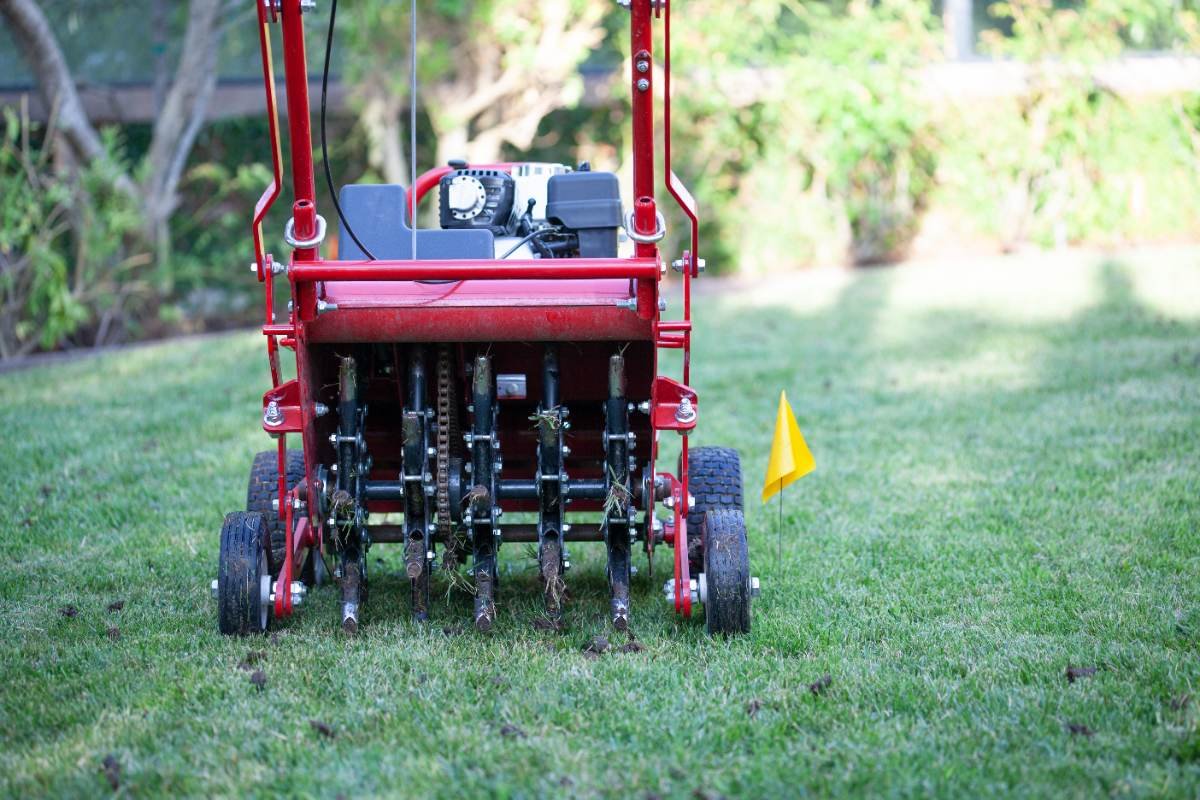
Is your yard looking a bit tired and worn out, despite your best efforts to keep it lush and green? You’re not alone.
Many homeowners face the same challenge. The secret to a vibrant, healthy lawn often lies beneath the surface. It’s all about aerating your yard. But why is this simple task so crucial? Imagine your lawn as a living, breathing entity that needs to absorb nutrients, water, and air.
Without proper aeration, your yard might be gasping for life. Understanding why and how to aerate can transform your lawn from dull to dazzling. Stay with us as we uncover the hidden magic of yard aeration and how it can revolutionize your outdoor space.
Credit: naturesseed.com
Benefits Of Yard Aeration
Aerating your yard helps keep your grass healthy. It improves the soil and makes your lawn stronger.
This process involves making small holes in the soil. These holes let air, water, and nutrients reach the roots better.
Improved Soil Oxygen Levels
Soil needs oxygen to support grass roots and soil life. Aeration increases oxygen flow in the soil.
This helps roots grow deeper and stronger. It also supports helpful bacteria and earthworms.
Enhanced Nutrient Absorption
Aeration helps nutrients reach the roots more easily. It breaks up compacted soil that blocks nutrients.
- Fertilizers work better after aeration
- Grass absorbs nutrients faster
- Healthier lawn with rich green color
Better Water Penetration
Water moves down through the holes made by aeration. This prevents water runoff and puddles on the surface.
| Benefit | Effect |
| Water reaches roots | Grass stays hydrated |
| Less water waste | Saves water and money |
| Reduces soil erosion | Protects lawn structure |

Credit: uk.style.yahoo.com
Signs Your Lawn Needs Aeration
Aerating your yard helps keep the soil healthy. It allows air, water, and nutrients to reach grass roots better.
Look for signs that show your lawn needs aeration. Acting early can improve your lawn’s health and appearance.
Compacted Soil Symptoms
Compacted soil is hard and dense. It stops water and air from reaching grass roots.
You may notice your soil feels tough when you dig or walk on it. Grass roots may be shallow and weak.
- Soil feels hard or crusty
- Grass roots are short and thin
- Water sits on top and doesn’t soak in
Poor Grass Growth
When soil is compacted, grass struggles to grow. The lawn may look thin or patchy in some areas.
Grass blades might be smaller than usual. You may see bare spots or weeds taking over.
- Thin or patchy grass coverage
- Smaller or weaker grass blades
- More weeds than usual
Water Pooling Issues
Water pooling happens when the soil can’t absorb water well. It may create puddles on your lawn.
Puddles can damage grass and lead to root rot. Aeration helps water soak into the soil better.
- Water stays on lawn surface too long
- Wet spots or puddles after rain
- Soil feels soggy in some areas
How Aeration Boosts Growth
Aeration helps your yard grow stronger and healthier. It makes the soil loose and full of air.
This process allows grass roots to get more water, nutrients, and oxygen. These things are needed for good growth.
Root Development
Aeration opens the soil so roots can grow deeper. Deep roots hold more water and nutrients.
Strong roots help grass stay green and healthy, even during dry times.
Microbial Activity
Aeration lets air reach the soil microbes. These tiny organisms help break down dead plants and waste.
Microbes make nutrients easier for grass to use, improving soil quality and plant health.
Stress Resistance
Aerated soil helps grass handle stress from heat, drought, and heavy use. Roots get enough air and water.
This reduces damage and helps the yard recover faster after hard weather or foot traffic.
Credit: www.lawnstarter.com
Types Of Aeration Methods
Aerating your yard helps grass grow strong and healthy. It lets air, water, and nutrients reach the roots better.
There are different ways to aerate your lawn. Each method works in a unique way to improve soil health.
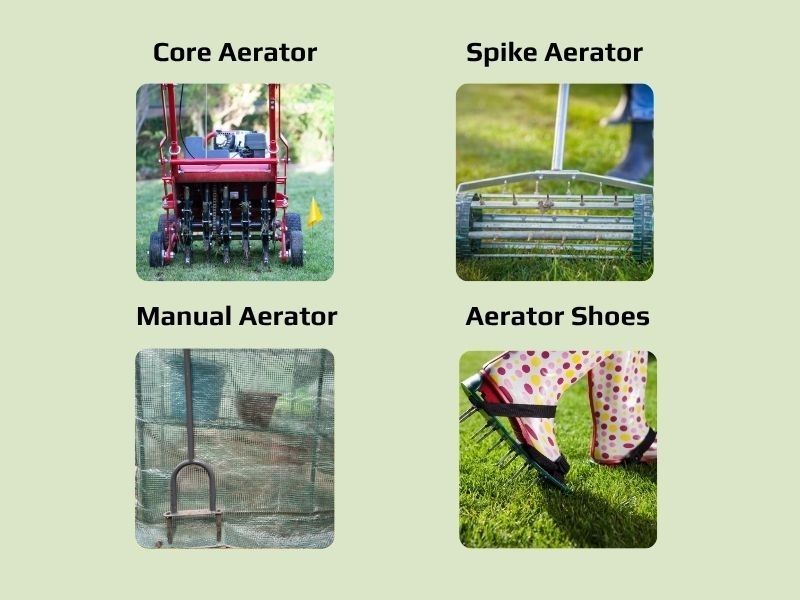
Core Aeration
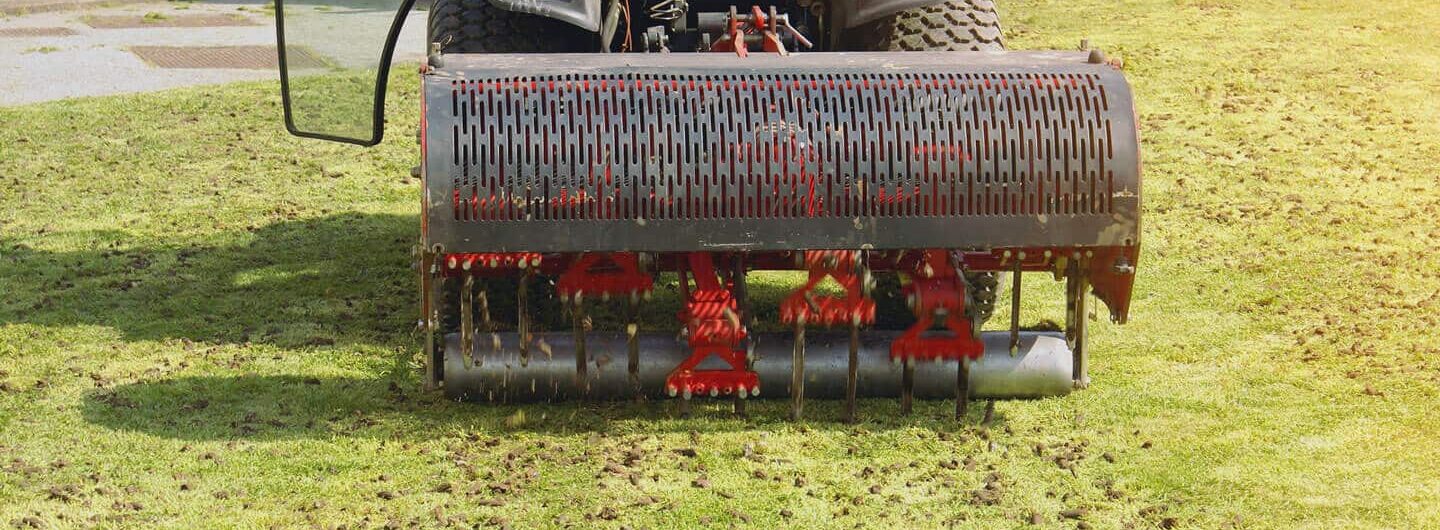
Core aeration removes small plugs of soil from your lawn. This creates space for air and water to enter the ground.
This method helps reduce soil compaction and improves root growth. It is good for lawns with heavy soil or thatch buildup.
Spike Aeration
Spike aeration uses a tool to poke holes into the soil. It does not remove soil but makes small openings.
This method is easier and faster than core aeration. It works well for lawns with light compaction and less thatch.
Liquid Aeration
Liquid aeration uses a special liquid to break down hard soil. It helps loosen the soil and improve water flow.
This method is simple and does not require heavy tools. It works best for lawns that need gentle aeration.
When To Aerate Your Yard
Aerating your yard helps grass grow strong and healthy. It lets water, air, and nutrients reach the roots better.
Knowing the right time to aerate is important. It depends on the season and the type of grass you have.
Best Seasons For Aeration
The best time to aerate is when your grass grows the most. This is the time it can heal fast after aeration.
- Spring is good for cool-season grasses like bluegrass and fescue.
- Fall works well for cool-season grasses too, helping them prepare for winter.
- Late spring to early summer is best for warm-season grasses like Bermuda and zoysia.
- Avoid aerating during dry or very hot summer months.
Timing Based On Grass Type
Different grasses grow at different times. Aerate when your grass is actively growing.
| Grass Type | Best Time to Aerate |
| Cool-Season Grasses | Early spring or fall |
| Warm-Season Grasses | Late spring to early summer |
Diy Vs Professional Aeration
Aerating your yard helps grass grow strong and healthy. It lets air, water, and nutrients reach the roots.
You can aerate your yard yourself or hire a professional. Each choice has its benefits and challenges.
Tools And Equipment Needed
DIY aeration needs tools you can buy or rent. Professionals use larger machines for big jobs.
- DIY: Manual aerator or rental machine
- Professional: Gas-powered aerator with hollow tines
- Both need gloves and a rake for cleanup
Cost Considerations
Doing it yourself can save money but takes time. Renting tools or buying them costs less than hiring pros.
Professional aeration costs more but saves effort. They offer quick and thorough service.
| Option | Estimated Cost | Time Required |
|---|---|---|
| DIY (Tool rental) | $40 – $60 per day | Several hours |
| DIY (Buy manual aerator) | $80 – $150 | Several hours |
| Professional Service | $75 – $200 | 1 to 2 hours |
Effectiveness Comparison
Professionals use machines that aerate deeply and cover large yards fast. DIY tools may not work as well.
DIY aeration is good for small yards and light aeration. Professionals handle tough soil and big spaces better.
- Professional aeration creates deeper holes
- DIY works well for small or soft soil areas
- Professionals remove plugs, improving soil better
Post-aeration Lawn Care
Aerating your yard helps air, water, and nutrients reach the grass roots. Proper care after aeration helps your lawn stay healthy and green.
Follow these simple tips to take care of your lawn after aeration and get the best results.
Watering Tips
After aeration, water your lawn deeply to help soil settle and roots absorb moisture. Watering too little or too much can hurt your grass.
Keep the soil moist but not soggy for the first two weeks. This helps new roots grow strong and healthy.
- Water early in the morning to reduce evaporation
- Use slow, deep watering instead of quick, shallow sprays
- Check soil moisture by touching the ground before watering again
Fertilizing Strategies
Fertilize your lawn soon after aerating to feed the grass roots directly. This helps the lawn recover faster and grow thicker.
Choose a fertilizer with the right balance of nitrogen, phosphorus, and potassium. Follow package directions to avoid over-fertilizing.
- Apply fertilizer evenly over the lawn
- Water lightly after fertilizing to help nutrients soak in
- Avoid fertilizing during very hot or dry weather
Overseeding Benefits
Overseeding after aeration fills in bare spots and strengthens your lawn. The holes made by aeration help seeds reach soil easily.
New grass grows thicker and helps crowd out weeds. Overseeding also improves your lawn’s color and texture.
- Choose grass seed that matches your existing lawn
- Spread seeds evenly over the aerated soil
- Keep the soil moist to help seeds sprout
Frequently Asked Questions
What Is Lawn Aeration And Why Is It Important?
Lawn aeration involves perforating soil to improve air, water, and nutrient flow. It reduces soil compaction, promotes root growth, and enhances grass health, leading to a greener, thicker lawn.
How Often Should You Aerate Your Yard?
Most yards benefit from aeration once a year, ideally during the growing season. Cool-season grasses aerate in fall; warm-season grasses in spring for best results and recovery.
What Are The Main Benefits Of Aerating Your Yard?
Aeration improves soil oxygen levels, enhances water absorption, reduces runoff, and relieves soil compaction. This results in stronger roots, healthier grass, and better resistance to drought and pests.
Can Aeration Help With Lawn Drainage Problems?
Yes, aeration breaks up compacted soil, allowing better water penetration. This reduces puddling and runoff, preventing waterlogging and promoting healthier lawn drainage.
Conclusion
Aerating your yard helps the soil breathe and absorb water better. It reduces soil compaction and supports strong grass roots. Your lawn will stay green, healthy, and lush all season. Regular aeration makes it easier for nutrients to reach plants.
It also helps prevent lawn diseases and pest problems. Taking care of your yard with aeration saves time and effort later. A healthy yard means a happy outdoor space for family and friends. Don’t wait—start aerating to enjoy a vibrant, beautiful lawn.
