
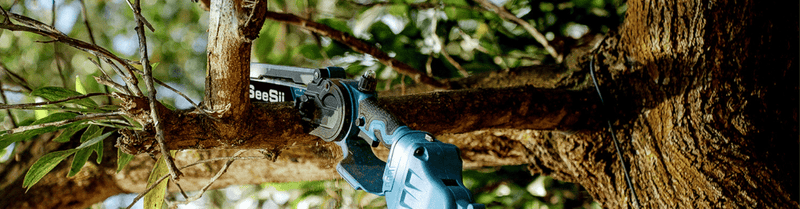
Are you ready to tackle those overgrown branches in your yard? A pole saw can be your best friend for this task, but only if you know how to use it safely.
Imagine trimming those hard-to-reach limbs effortlessly while staying safe and sound. Sounds great, right? In this guide, you’ll discover the key steps to using a pole saw without any mishaps. You’ll gain the confidence to handle this powerful tool and ensure your garden looks immaculate.
So, are you ready to become a pole saw pro? Keep reading to unlock the secrets to safe and efficient tree trimming!
Choosing The Right Pole Saw
Choosing the right pole saw helps you work safely and efficiently. Different types suit different jobs and users.
It is important to consider the saw’s type, power source, size, and weight before buying.
Types Of Pole Saws
Pole saws come in several types. Each type fits certain tasks and skill levels.
- Manual pole sawsuse a hand saw blade on a long pole. They need no fuel or electricity but require physical effort.
- Electric pole sawsrun on batteries or cords. They are quieter and easier to start than gas models.
- Gas pole sawshave powerful engines. They cut thick branches but are heavier and louder.
Power Sources
Power source affects saw performance and handling. Choose based on your needs and environment.
| Power Source | Advantages | Disadvantages |
| Manual | No fuel or charge needed, lightweight | Requires physical effort, slower cutting |
| Electric (Corded) | Continuous power, low noise | Limited by cord length, needs outlet |
| Electric (Battery) | Portable, quiet, low maintenance | Limited run time, battery charging needed |
| Gas | Powerful, good for heavy jobs | Heavy, noisy, needs fuel and maintenance |
Size And Weight Considerations
Choose a pole saw size and weight you can handle safely. A heavy saw tires you quickly.
- Shorter poles give more control but less reach.
- Longer poles reach high branches but are harder to balance.
- Lighter saws reduce arm fatigue.
- Test the saw’s weight before buying.
Essential Safety Gear
Using a pole saw can be risky without the right safety gear. Wearing proper equipment protects your body from cuts and debris.
Always prepare yourself with safety gear before starting any cutting work with a pole saw.
Protective Clothing
Wear sturdy, long-sleeved shirts and long pants to protect your skin from scratches and flying debris.
- Choose clothing made of thick material
- Wear bright colors for visibility
- Avoid loose clothing that can get caught
- Use a hard hat to protect your head
Eye And Ear Protection
Protect your eyes from sawdust and your ears from loud noise during operation.
| Protection Type | Recommended Gear | Purpose |
| Eye Protection | Safety goggles or face shield | Prevent debris from hitting eyes |
| Ear Protection | Earplugs or earmuffs | Reduce noise to prevent hearing damage |
Gloves And Footwear
Gloves improve your grip and protect your hands. Footwear keeps your feet safe and stable.
- Wear thick, cut-resistant gloves
- Use boots with steel toes
- Choose boots with non-slip soles
- Ensure boots cover your ankles
Preparing For The Job
Using a pole saw safely starts with good preparation. Before you begin cutting, take time to get ready.
Preparation helps prevent accidents and makes your work easier. Focus on the right tools and environment.
Inspecting The Pole Saw
Check your pole saw before use. Look for any damage or loose parts.
Make sure the blade is sharp and clean. A dull blade can cause accidents.
- Check the pole for cracks or splits
- Ensure the blade is tight and not bent
- Test the saw’s controls and safety features
- Make sure the power source is working well
Clearing The Work Area
Remove obstacles from your work area. Clear any branches, tools, or debris on the ground.
Keep other people and pets far from the cutting zone. This lowers the risk of injury.
- Pick up loose sticks and rocks
- Move vehicles and equipment away
- Mark the area if needed to warn others
- Wear bright clothes to stay visible
Planning The Cutting Path
Think about where the branches will fall. Plan a clear path to avoid danger.
Decide the order of cuts. Start with small branches before moving to bigger ones.
- Stand at a safe angle from falling branches
- Keep a clear exit route behind you
- Cut branches in sections for control
- Watch for power lines and other hazards
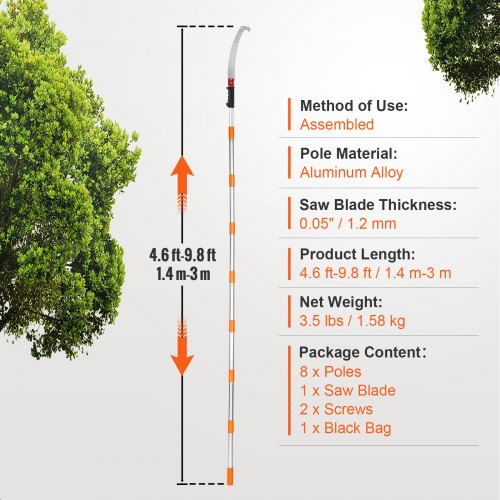
Credit: www.vevor.ca
Proper Cutting Techniques
Using a pole saw safely is important to avoid injury. Proper cutting techniques help you work efficiently and stay protected. This guide covers key methods to handle your pole saw correctly.
Focus on your grip, stance, cutting height, and how to avoid kickback. These tips keep your cutting controlled and safe.
Correct Grip And Stance
Hold the pole saw firmly with both hands. Place one hand near the base and the other closer to the saw head. Keep your feet shoulder-width apart for balance.
- Keep your body relaxed but steady.
- Stand on flat, stable ground.
- Face the branch you want to cut directly.
- Do not overreach or lean too far.
Cutting At Safe Heights
Only cut branches within your safe reach. Avoid cutting above your head to reduce risk. Use the pole’s length to reach higher branches without stretching.
| Cutting Height | Safety Tip |
| Below Shoulder Level | Most stable and safe cutting position |
| At Head Height | Use extra caution and firm grip |
| Above Head | Avoid or use professional help |
Avoiding Kickback
Kickback happens when the saw blade hits something hard and jerks back. It can cause serious injury. Stay alert and control the saw at all times.
- Do not cut with the tip of the saw blade.
- Avoid hitting knots, nails, or dirt on branches.
- Keep the saw chain sharp and well-tensioned.
- Stand to the side, not directly behind the saw.
Maintaining Control And Balance
Using a pole saw safely means keeping good control and balance. This helps you avoid accidents and work better.
Focus on steady movements and stable footing. This reduces the risk of losing balance or dropping the saw.
Handling Pole Extensions
Pole extensions make the saw longer but harder to control. Hold the pole with both hands firmly.
Keep your arms close to your body to reduce strain. Move the pole slowly to stay balanced.
- Grip the pole firmly with both hands
- Keep your arms close to your body
- Extend the pole only as much as needed
- Move the pole slowly and steadily
Working On Uneven Ground
Uneven ground can make you lose balance. Check the area and clear loose debris before starting.
Stand with feet shoulder-width apart. Bend your knees slightly to keep a steady stance.
- Inspect ground for rocks or holes
- Wear sturdy shoes with good grip
- Stand with feet apart for stability
- Bend knees to absorb movement
Taking Breaks To Prevent Fatigue
Fatigue reduces your control and focus. Take regular breaks to rest your arms and legs.
Drink water and stretch during breaks. This keeps your body ready and helps avoid accidents.
- Stop every 20 to 30 minutes
- Drink water to stay hydrated
- Stretch arms, shoulders, and legs
- Rest until you feel alert again
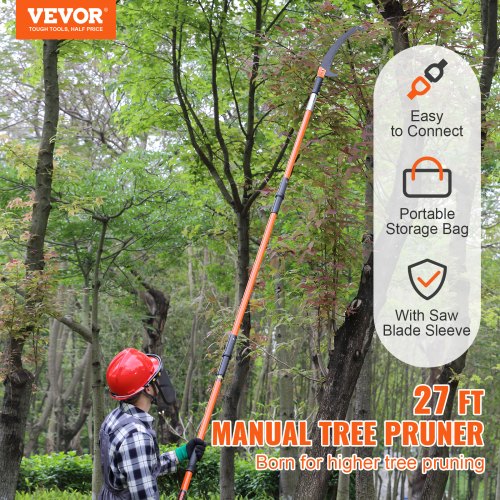
Credit: www.vevor.ca
Post-cutting Safety
Using a pole saw safely does not end with the cut. Proper steps after cutting keep you and your tools safe. Take time to finish tasks carefully.
Post-cutting safety includes turning off the saw, inspecting it, and cleaning it. Follow these steps every time you finish using your pole saw.
Turning Off And Storing The Saw
Always turn off the pole saw before moving or storing it. This prevents accidents and damage. Wait for the blade to stop completely.
- Switch off the engine or power source.
- Disconnect the battery if it is cordless.
- Store the saw in a dry, secure place out of children’s reach.
- Keep the blade covered with a protective sheath.
Inspecting For Damage
Check the pole saw for any damage after use. Look for cracks, loose parts, or dull blades. Early detection helps avoid bigger problems.
| Part | Check for |
| Blade | Dullness, chips, or bends |
| Pole | Cracks or bends |
| Handle | Loose or damaged grip |
| Engine or Motor | Leaks or strange noises |
Cleaning And Maintenance Tips
Cleaning the pole saw keeps it working well and safe. Remove dirt, sap, and dust after every use. Keep the chain sharp and lubricated.
- Wipe the saw with a clean cloth.
- Use a brush to remove sawdust from tight areas.
- Oil the chain to reduce wear and heat.
- Sharpen the blade as needed for efficient cutting.
- Check the fuel or battery levels for the next use.
Emergency Preparedness
Using a pole saw can be dangerous without proper safety measures. Being ready for emergencies helps reduce risks. Know what to do if injuries happen.
This guide covers first aid for common injuries, when to get medical help, and how to plan emergency contacts.
First Aid For Common Injuries
Minor cuts, scrapes, and bruises may occur while using a pole saw. Acting quickly can prevent infection and reduce pain.
- Stop the bleeding by applying pressure with a clean cloth.
- Clean the wound gently with water and mild soap.
- Apply an antibiotic ointment to prevent infection.
- Cover the injury with a sterile bandage.
- Rest and avoid using the injured area until it heals.
When To Seek Medical Help
Some injuries need professional care. Know the signs that require medical attention.
| Injury Type | Signs to See a Doctor |
| Deep cuts | Bleeding that does not stop after 10 minutes |
| Broken bones | Severe pain, swelling, or deformity |
| Eye injuries | Blurred vision, pain, or foreign objects in the eye |
| Head injuries | Dizziness, confusion, or loss of consciousness |
Emergency Contact Plan
Have a clear plan for contacting help. This keeps everyone safe during an accident.
- Keep emergency phone numbers nearby and saved on your mobile device.
- Inform someone about your work location and expected finish time.
- Carry a charged phone or communication device with you.
- Know the nearest hospital or urgent care center address.
- Learn how to give clear information about the injury and your location.
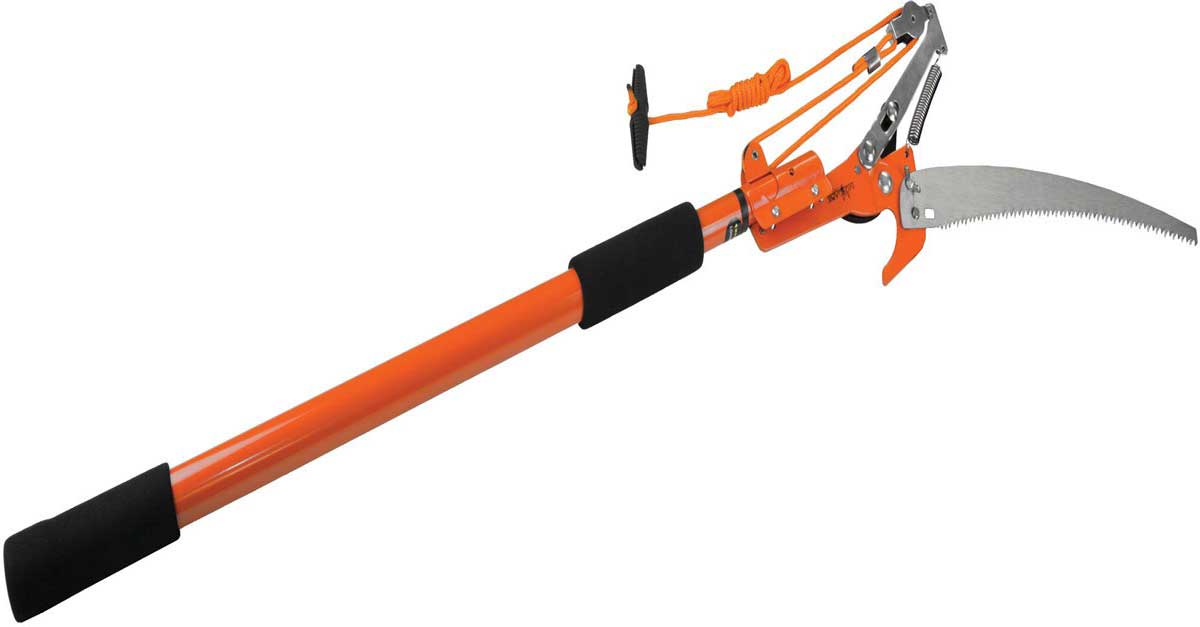
Credit: community.thriveglobal.com
Frequently Asked Questions
What Safety Gear Is Essential When Using A Pole Saw?
Always wear safety goggles, gloves, a hard hat, and sturdy boots. Protective clothing prevents injuries from falling branches and debris during use. Proper gear ensures better control and reduces accident risks.
How Do I Properly Hold And Operate A Pole Saw?
Grip the pole saw firmly with both hands, keeping a stable stance. Maintain control by operating the saw slowly and steadily. Avoid overreaching to prevent loss of balance or control.
What Maintenance Keeps A Pole Saw Safe And Efficient?
Regularly check the chain tension and sharpness. Clean debris from the saw after use. Lubricate moving parts and inspect for damage before each use to ensure safety and performance.
When Should I Avoid Using A Pole Saw?
Avoid using a pole saw during strong winds, rain, or poor visibility. Never operate near power lines or on unstable ground. These conditions increase the risk of accidents and injuries.
Conclusion
Using a pole saw safely protects you and others around. Always wear protective gear like gloves and goggles. Check the saw before starting work. Keep your balance and avoid overreaching. Cut branches in small sections to control the saw better.
Stay aware of your surroundings at all times. Following these steps helps prevent accidents and injuries. Safety makes yard work easier and more efficient. Keep these tips in mind every time you use a pole saw. Your safety is the top priority.
