
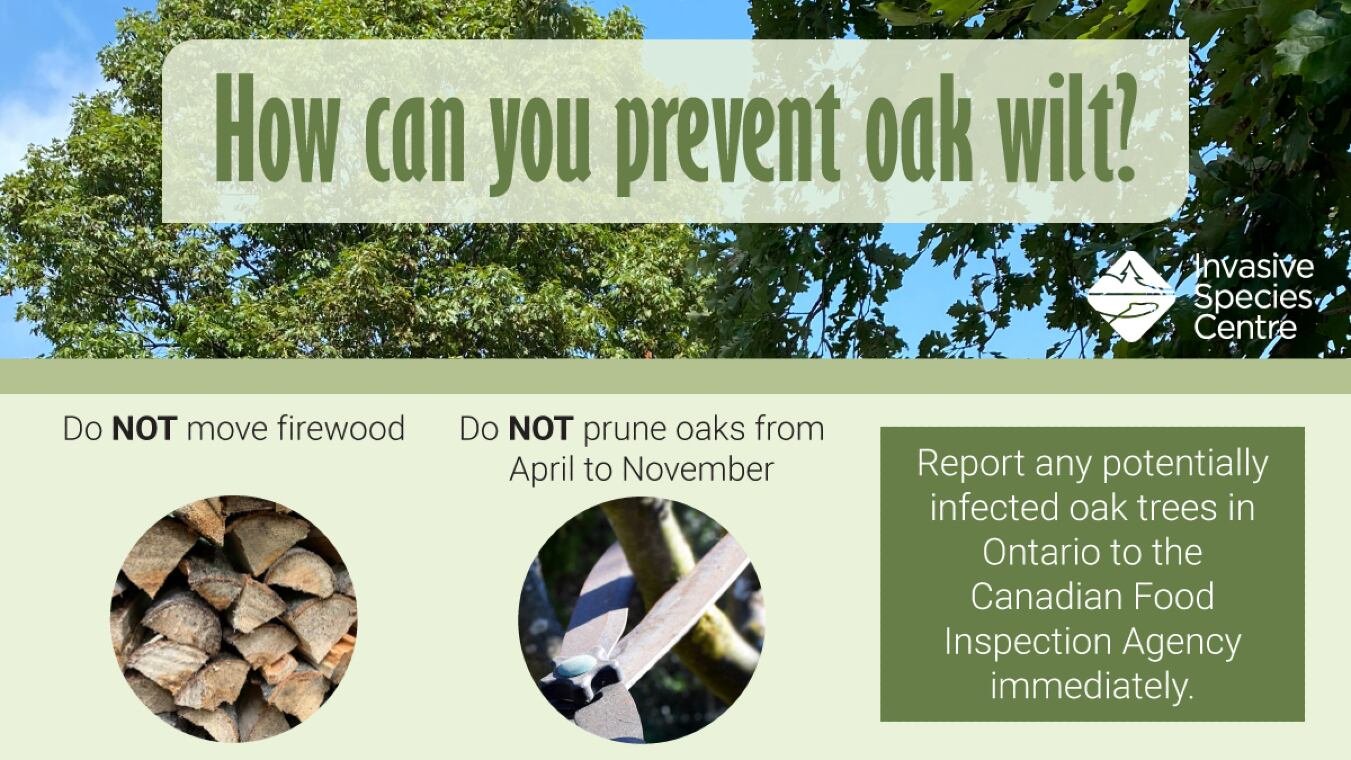
If you’ve ever glanced at your oak tree and wondered, “Is now the right time to prune?” You’re not alone.
Pruning oak trees at the right time is crucial not only for the tree’s health but also for enhancing the beauty of your landscape. You might think that pruning is just about cutting branches, but timing can be everything. Understanding when to prune can prevent disease, encourage robust growth, and even make your oak the envy of the neighborhood.
So, how do you know when to get those pruning shears out? Stick around, and you’ll discover the secrets to mastering the art of pruning oak trees. Your majestic oaks will thank you for it!
Best Time To Prune
Pruning oak trees at the right time helps keep them healthy and strong. Choosing the best season reduces damage and supports growth.
This guide explains when to prune oak trees with a focus on seasonal changes, sap bleeding, and the benefits of pruning during dormancy.
Seasonal Considerations
Each season affects oak tree pruning differently. Knowing the seasonal effects helps you pick the best time.
- Spring: Avoid pruning to prevent sap loss and stress.
- Summer: Prune lightly to remove dead branches only.
- Fall: Good time to prune before winter dormancy.
- Winter: Best season for heavy pruning during dormancy.
Avoiding Sap Bleeding
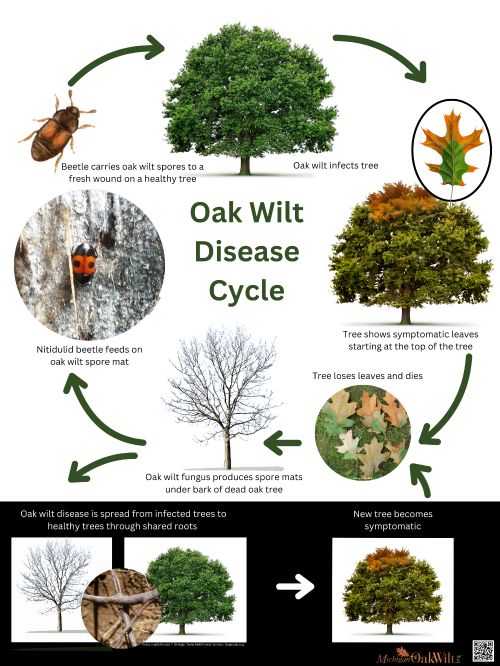
Sap bleeding occurs when pruning in early spring. It can weaken the tree and invite pests.
| Pruning Time | Risk of Sap Bleeding |
| Late Winter | Low |
| Early Spring | High |
| Summer | Moderate |
| Fall | Low |
Dormant Period Benefits
Pruning during dormancy helps the tree heal faster and grow stronger in spring. It also reduces sap loss and disease risk.
Benefits of dormant pruning include:
- Less sap bleeding
- Better wound healing
- Lower pest and disease chances
- Clearer view of tree structure
Credit: www.canr.msu.edu
Tools For Oak Pruning
Pruning oak trees needs the right tools to keep them healthy. Using good tools makes cutting easier and safer. This guide covers the main tools for oak pruning.
Proper tools help you remove dead or overgrown branches. They also protect the tree from damage during pruning.
Essential Pruning Tools
These tools are necessary for cutting oak branches cleanly and safely. Each tool fits different branch sizes and cuts.
- Hand pruners for small twigs and thin branches
- Loppers for medium branches up to 2 inches thick
- Pruning saws for larger branches
- Pole pruners to reach high branches safely
- Sharp blades to make clean cuts without tearing
Sanitizing Equipment
Cleaning tools prevents the spread of disease between trees. Always sanitize pruning tools before and after use.
| Sanitizing Method | Details |
| Rubbing Alcohol | Use 70% isopropyl alcohol on blades |
| Bleach Solution | Mix one part bleach with nine parts water |
| Hot Water | Soak tools in hot water for a few minutes |
| Commercial Disinfectants | Use products made for gardening tools |
Safety Gear
Wear safety gear to protect yourself during pruning. Oak trees can have sharp branches and rough bark.
- Gloves to guard hands from cuts and splinters
- Safety glasses to protect eyes from debris
- Helmet if working with tall branches or using ladders
- Long sleeves and pants to prevent scratches
- Sturdy shoes with good grip for stable footing
Pruning Techniques
Pruning oak trees helps keep them healthy and strong. Good pruning improves their shape and safety.
Use the right techniques to avoid harming the tree. This guide covers key pruning methods.
Removing Deadwood
Deadwood can cause diseases and attract pests. Remove dry and broken branches carefully.
Cut branches at the base or where they meet healthy wood. Use sharp tools for clean cuts.
- Look for gray or brittle branches
- Cut away dead branches close to the trunk
- Dispose of removed wood to prevent pests
Shaping The Tree
Shaping helps maintain a balanced look and strong structure. Trim new growth to guide shape.
Focus on main branches and remove small, crowded shoots. Shape the tree to allow light inside.
- Cut branches growing inward or crossing others
- Maintain a central leader branch for strength
- Keep the tree’s natural form in mind
Thinning Crowns
Thinning reduces branch density in the tree’s crown. This helps air and light reach inner branches.
Remove some smaller branches evenly. Avoid cutting too many at once to protect the tree.
- Remove weak or crowded branches
- Space cuts evenly around the crown
- Keep thick, healthy branches intact
Common Mistakes To Avoid
Pruning oak trees needs care and attention. Doing it wrong can harm the tree’s health.
Knowing what mistakes to avoid helps keep your oak tree strong and beautiful for years.
Overpruning Risks
Cutting too many branches weakens oak trees. Overpruning can cause stress and disease.
Removing too much leaf area stops the tree from making enough food through photosynthesis.
- Leaves make food for the tree
- Too many cuts reduce energy
- Weakened trees get sick easily
- Overpruned branches can die back
Improper Cuts
Making wrong cuts can damage the oak tree’s bark and wood. This invites pests and diseases.
Always cut just outside the branch collar to help the tree heal faster.
- Avoid cutting too close to the trunk
- Do not leave large stubs
- Use sharp, clean tools
- Make smooth cuts, not jagged
Timing Errors
Pruning at the wrong time can harm oak trees. It may cause sap loss or attract insects.
The best time to prune is in late winter or early spring, before new growth starts.
- Avoid pruning in spring and summer
- Do not prune during heavy sap flow
- Late winter pruning reduces disease risk
- Prune dead or damaged branches anytime
Signs Oak Trees Need Pruning
Oak trees need pruning to stay healthy and strong. You can tell when pruning is needed by looking for certain signs.
Pruning at the right time helps the tree grow better. Watch for damaged branches, crowded growth, and disease indicators.
Damaged Branches
Branches that are broken, cracked, or dead need pruning. Damaged branches can hurt the tree and cause safety risks.
Removing these branches helps prevent pests and disease from spreading.
- Look for broken limbs after storms
- Check for cracks or splits in branches
- Remove dead branches that do not have leaves
Crowded Growth
Crowded branches block sunlight and air flow inside the tree. This can make the tree weak and sick.
Pruning crowded areas helps light reach leaves and improves air circulation.
- Look for branches that cross or rub against each other
- Thin out thick clusters of small branches
- Remove branches that grow inward toward the tree’s center
Disease Indicators
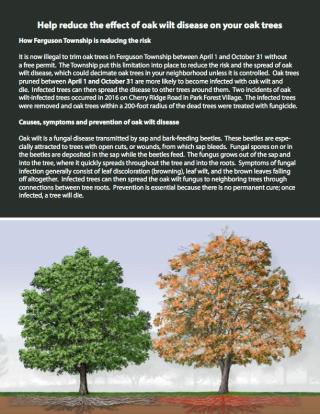
Diseased branches show signs like spots, holes, or unusual growths. These need pruning to stop the spread.
Early pruning helps keep the tree healthy and protects other plants nearby.
- Look for discolored or spotted leaves
- Check for fungal growth or cankers on branches
- Remove branches with dead or wilted leaves

Credit: texastreesurgeons.com
Promoting Healthy Growth
Pruning oak trees at the right time helps them grow strong and healthy. It removes dead or weak branches that can harm the tree.
Knowing when to prune supports the tree’s natural growth cycle and protects it from damage.
Encouraging New Shoots
Pruning encourages oak trees to produce new shoots. Removing old branches opens space for fresh growth and sunlight.
- Prune in late winter or early spring before new growth starts.
- Cut just above a bud or branch to guide new shoots.
- Remove weak or crossing branches to boost healthy shoots.
Maintaining Tree Structure
Regular pruning keeps oak trees well-shaped and balanced. It helps the tree support its own weight and withstand wind.
| Pruning Goal | Benefit |
| Remove Dead Wood | Prevents branch breakage |
| Thin Dense Areas | Improves air flow |
| Shape Canopy | Supports even growth |
Preventing Pest Infestations
Pruning helps stop pests from harming oak trees. Removing damaged branches cuts down hiding places for insects.
- Cut away branches with signs of disease or insects.
- Clear fallen leaves and debris around the tree base.
- Keep pruning tools clean to avoid spreading pests.
Credit: www.twp.ferguson.pa.us
Frequently Asked Questions
When Is The Best Time To Prune Oak Trees?
The best time to prune oak trees is in late winter or early spring. This timing reduces the risk of oak wilt disease. Avoid pruning during the growing season to protect the tree’s health and structure.
How Often Should Oak Trees Be Pruned?
Oak trees should be pruned every 3 to 5 years. Regular pruning promotes healthy growth and removes dead or damaged branches. Avoid excessive pruning to prevent stressing the tree.
Can I Prune Oak Trees In Summer?
Pruning oak trees in summer is generally not recommended. Summer pruning can increase the risk of oak wilt disease. It’s safer to prune during dormant seasons like late winter or early spring.
What Tools Are Best For Pruning Oak Trees?
Use sharp, clean tools like pruning shears, loppers, or a pruning saw. Clean tools help make precise cuts and prevent spreading diseases. Disinfect tools between cuts for added safety.
Conclusion
Pruning oak trees at the right time keeps them healthy and strong. Late winter or early spring works best before new leaves grow. Avoid pruning in spring or summer to stop disease spread. Use clean tools and cut carefully to help trees heal fast.
Regular pruning also improves tree shape and safety around your home. Remember, good care today means a longer life for your oak. Keep an eye on your tree’s needs each year. Healthy oaks bring beauty and shade for many years.
