
Are you tired of struggling with dull and inefficient garden tools? Imagine effortlessly trimming your plants with precision and ease.
Anvil pruners could be the solution you’ve been searching for. These garden tools are designed to make pruning not just a task but a satisfying experience. By choosing anvil pruners, you can transform your gardening routine into something much more enjoyable.
But why exactly are they the right choice for you? Let’s delve into the unique benefits and see how they can elevate your gardening game. Stick around to discover how these pruners can revolutionize the way you care for your plants.
Durability Of Anvil Pruners
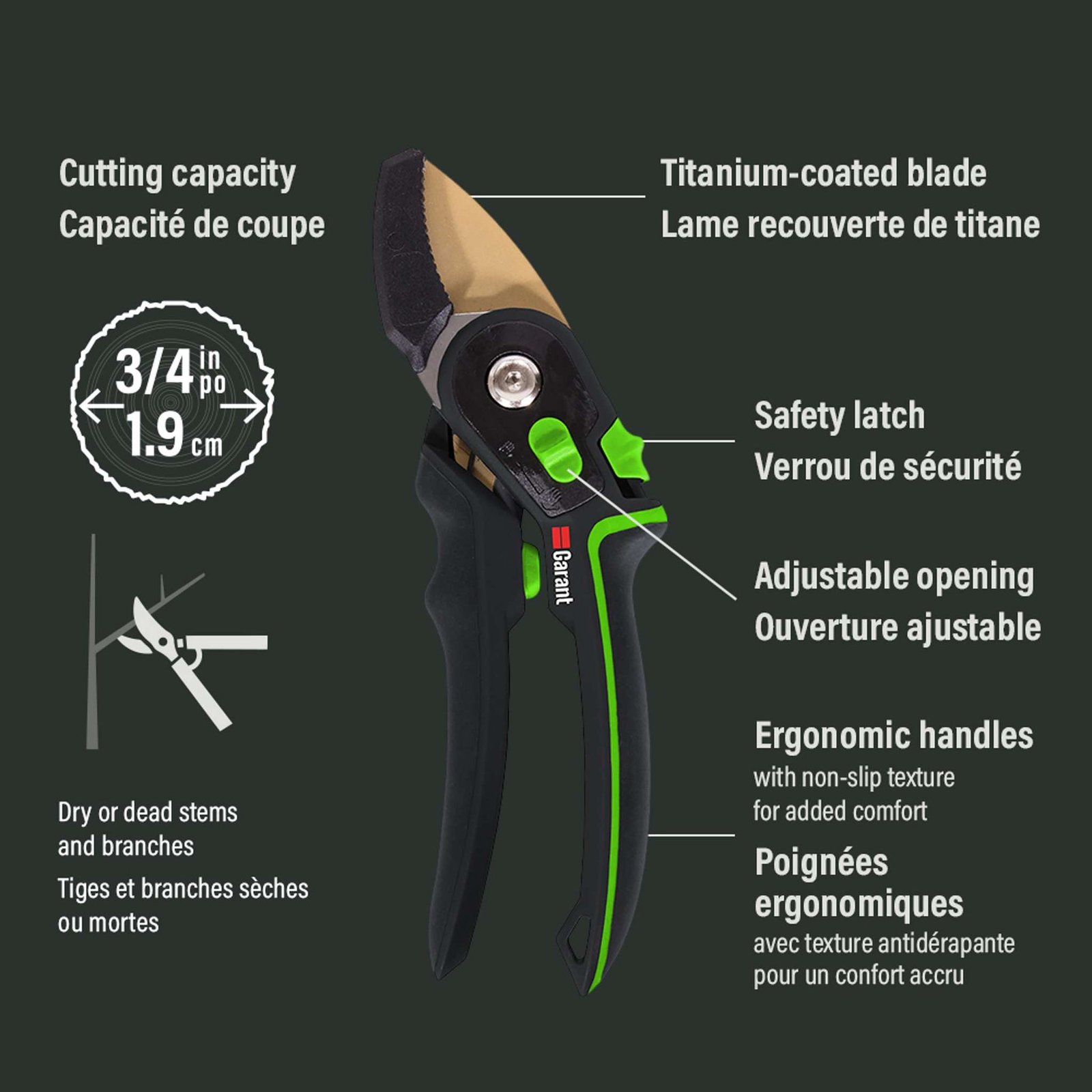
Anvil pruners are designed to handle tough cutting tasks. Their durability is a key factor for gardeners and professionals.
Strong materials and smart design help these tools last longer. This makes them reliable for regular use.
Robust Materials And Build
Anvil pruners use high-quality metals like steel for blades. The handles often have tough grips for better control.
The solid build keeps the pruners from bending or breaking during use. This strength supports heavy pruning jobs.
- Steel blades resist rust and stay sharp
- Ergonomic handles reduce hand fatigue
- Strong joints hold blades tightly
Long-lasting Performance
Durability means these pruners work well over time. They keep cutting cleanly without losing power.
Good maintenance like cleaning and sharpening helps them last even longer. This keeps your tool ready for use.
- Sharp blades make precise cuts
- Strong springs keep blades moving smoothly
- Durable parts reduce need for repairs
Resistance To Wear And Tear
Anvil pruners resist damage from regular use. Their materials handle pressure and rough handling well.
This resistance helps keep the pruners in good shape for years. It lowers the chance of blade chips or handle cracks.
- Rust-resistant coatings protect metal parts
- Impact-resistant handles prevent breaks
- Strong blade edges avoid chips

Credit: www.garant.com
Precision Cutting Features
Anvil pruners are designed for precise cutting. They help you trim plants cleanly and easily.
These pruners offer features that make cutting smooth and accurate. This helps maintain plant health.
Sharp Blades For Clean Cuts
Anvil pruners have sharp blades that cut through branches smoothly. Sharp blades reduce damage to plants.
Clean cuts heal faster and prevent disease. This keeps your garden healthy and strong.
Accurate Cutting Mechanism
The cutting mechanism in anvil pruners ensures precise cuts every time. It holds branches firmly while cutting.
This accuracy allows you to cut exactly where you want. It helps in shaping plants neatly and safely.
Ideal For Tough Branches
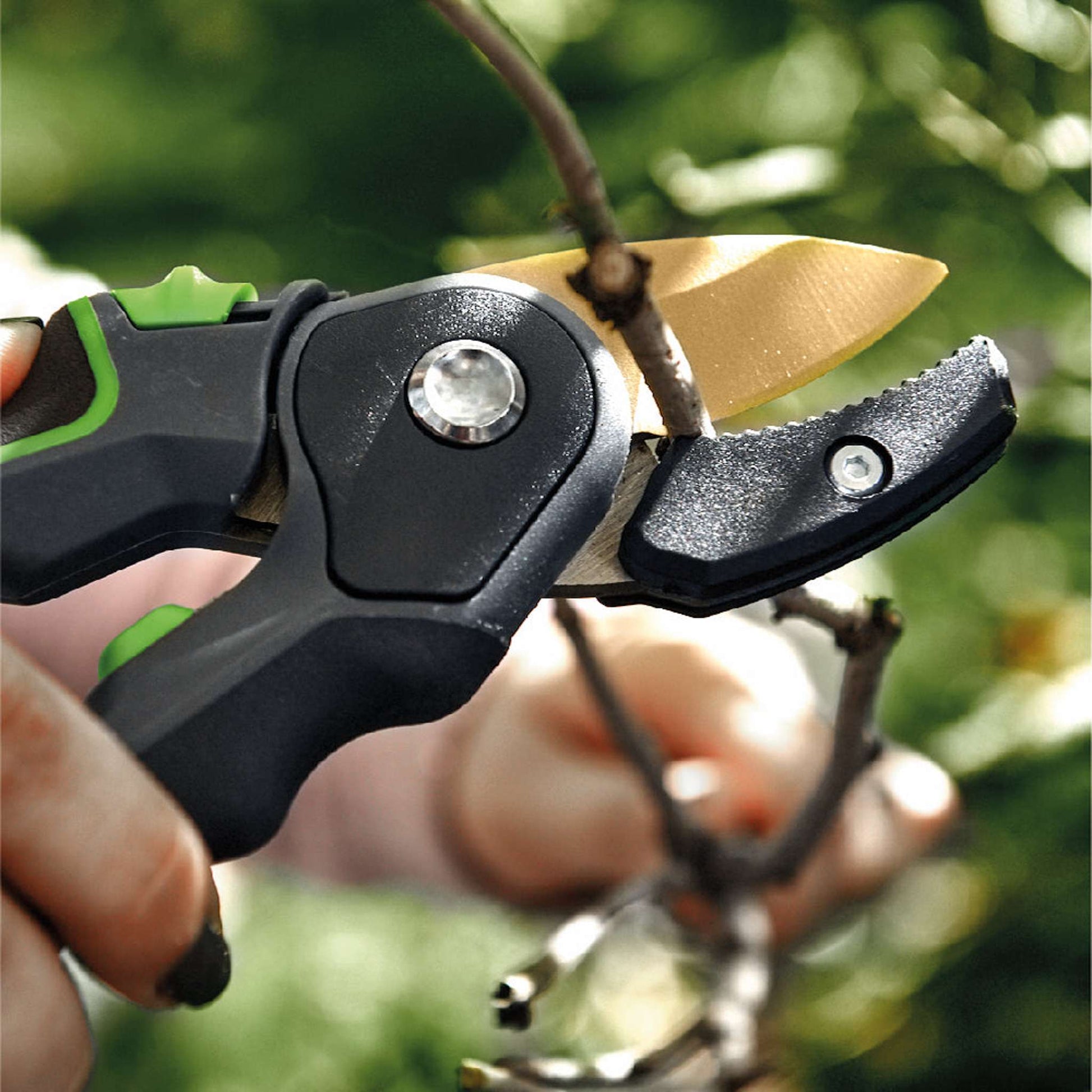
Anvil pruners are strong and can cut through tough branches easily. They use one sharp blade that presses against a flat surface.
This design gives extra power for hard cuts. It is perfect for thicker or older branches that need more force.
Efficiency Benefits
Anvil pruners offer many efficiency benefits for gardeners. They make cutting easier and faster.
Using the right pruner helps save energy and improve overall gardening work.
Reduced Effort And Fatigue
Anvil pruners need less hand strength to cut branches. The single blade presses against a flat surface.
This design lowers strain on your hands. You can prune longer without feeling tired.
Time-saving Design
The strong cutting action of anvil pruners allows quick cuts through thick branches. This speeds up your work.
You spend less time adjusting or re-cutting. The simple mechanism helps finish tasks faster.
Versatility In Gardening Tasks
Anvil pruners work well on many plant types. They cut dry, dead wood and soft branches easily.
This makes them useful for different jobs like trimming shrubs and small trees.
Comparing Anvil Pruners With Other Types
Choosing the right pruners helps you cut plants well. Anvil pruners have a unique design. They differ from other pruner types in many ways.
This guide looks at how anvil pruners compare with other kinds. We focus on three key areas to help you decide.
Anvil Vs. Bypass Pruners
Anvil pruners have one sharp blade that cuts into a flat surface. Bypass pruners use two sharp blades that slide past each other. This difference changes how they cut.
Anvil pruners crush stems to cut, which can cause some damage. Bypass pruners make clean cuts without crushing. This makes bypass better for live plants.
- Anvil pruners are good for dry or dead wood
- Bypass pruners work best on live, green stems
- Anvil pruners may be easier to use for thick branches
- Bypass pruners give cleaner cuts for healthy plants
Suitability For Different Plants
Anvil pruners suit tough plants with thick, hard stems. They cut well through dry or dead branches. They can handle woody plants without much effort.
For soft, green plants, bypass pruners are often better. They make cleaner cuts that heal faster. This helps keep plants healthy and strong.
- Anvil pruners fit well for shrubs and dead branches
- Bypass pruners fit well for flowers and fresh growth
- Use anvil pruners for pruning thick, tough wood
- Use bypass pruners for precise, healthy cuts on soft stems
Cost-effectiveness
Anvil pruners usually cost less than bypass pruners. Their simple design lowers the price. This makes them a budget-friendly choice.
Bypass pruners often cost more due to sharper blades and complex design. They may need more care to stay sharp. Anvil pruners may last longer with less maintenance.
- Anvil pruners are often cheaper upfront
- They need less sharpening and maintenance
- Bypass pruners cost more but give cleaner cuts
- Choose based on how often you prune and plant type
Maintenance Tips
Keeping your anvil pruners in good shape makes your work easier. Proper care helps the tool last longer and work better.
Follow simple steps to clean, store, and maintain your pruners for best results every time.
Cleaning And Sharpening
After each use, wipe the blades with a clean cloth. Remove sap and dirt to prevent rust and damage.
- Use a wire brush or steel wool to clean the blade edges.
- Sharpen the blade using a sharpening stone or file in one direction.
- Apply a light coat of oil to keep the blades smooth and rust-free.
Proper Storage
Store pruners in a dry place to avoid moisture buildup. Keep blades closed to protect edges and prevent accidents.
| Storage Tip | Reason |
|---|---|
| Hang on a hook or pegboard | Keeps tool dry and easy to find |
| Use a blade cover or sheath | Protects blade edges and user safety |
| Keep away from children | Prevents accidents and damage |
Extending Tool Lifespan
Regular checks help find problems early. Tighten screws and oil moving parts to keep the pruners working smoothly.
Extra tips to extend life:
- Do not use pruners on thick branches beyond their limit.
- Clean and dry after rain or heavy use.
- Replace worn parts promptly.

Credit: www.tomahawk.tools
Credit: www.garant.com
Frequently Asked Questions
What Are The Benefits Of Using Anvil Pruners?
Anvil pruners offer strong cutting power for tough branches. Their single blade presses against a flat surface, reducing effort. They are ideal for dry or dead wood, providing clean cuts without crushing plant tissue.
How Do Anvil Pruners Differ From Bypass Pruners?
Anvil pruners have one sharp blade cutting against a flat surface. Bypass pruners use two blades that pass each other like scissors. Anvil pruners are better for hard, dead branches, while bypass pruners suit live, green stems.
Are Anvil Pruners Easy To Maintain?
Yes, Anvil pruners require simple maintenance. Regular cleaning prevents sap buildup. Sharpening the single blade keeps cuts clean. Lubricating the pivot ensures smooth operation and prolongs tool life.
Can Anvil Pruners Damage Live Plants?
Anvil pruners may crush live stems if not used carefully. They work best on dry or dead wood. For live plants, bypass pruners usually provide cleaner, healthier cuts.
Conclusion
Anvil pruners offer strong cuts with less effort. They work well on hard, dry branches. The simple design makes them easy to use. They last long and need little maintenance. Choosing anvil pruners helps keep your garden neat. They save time and protect your hands.
A reliable tool for every gardener’s collection. Try them to see the difference yourself.
