
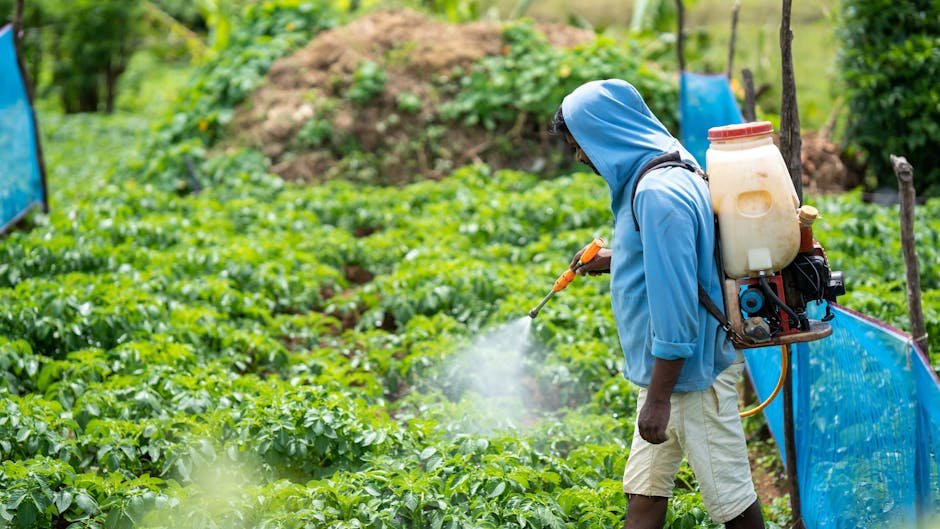
Ever wondered how a backpack sprayer could make your gardening tasks easier? Imagine effortlessly covering large areas with just a few steps.
If you’re looking to maintain a lush garden or tackle pesky weeds, understanding how a backpack sprayer works can be a game-changer. You’ll discover how this handy tool can save you time, effort, and even money. By the end of this article, you’ll be ready to elevate your gardening game and achieve the results you’ve always wanted.
Curious about what makes these sprayers so efficient? Let’s dive in and find out!
Backpack Sprayer Basics
A backpack sprayer is a tool used to apply liquids like pesticides or fertilizers. It helps spread these liquids evenly over plants or soil.
People wear it on their backs, which makes it easy to carry and use for a long time. It saves time and effort in gardening or farming.
Main Components
A backpack sprayer has several parts that work together to spray liquids. Each part has a specific role to make spraying simple and effective.
- Tank:Holds the liquid to be sprayed.
- Pump:Creates pressure to push the liquid out.
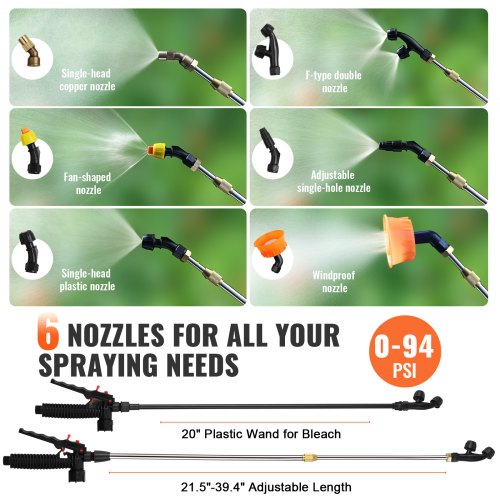
- Hose and Wand:Directs the spray to the target area.
- Nozzle:Controls the spray pattern and flow.
- Straps:Help carry the sprayer comfortably on the back.
Types Of Backpack Sprayers
Backpack sprayers come in different types based on how they create pressure to spray the liquid. Each type fits different needs and uses.
- Manual Sprayers:Use a hand pump to build pressure. They are simple and do not need batteries or fuel.
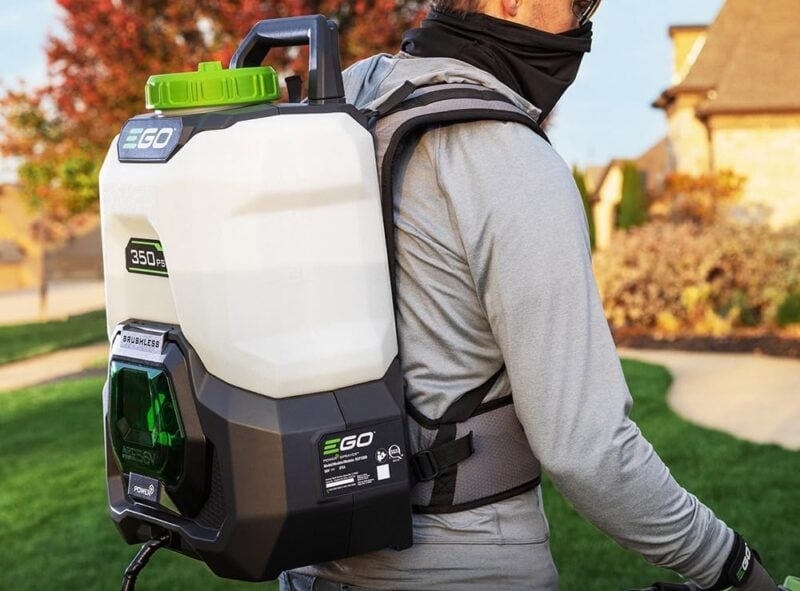
- Battery-Powered Sprayers:Use a battery to pump liquid automatically. They save effort and are easy to use for large areas.
- Gas-Powered Sprayers:Use a small engine to create pressure. They are strong and good for heavy-duty jobs but need fuel.
Credit: www.vevor.ca
How Pressure Is Generated
Backpack sprayers use pressure to push liquid through a nozzle. This pressure helps spread the liquid evenly over plants or surfaces. There are two main ways these sprayers create pressure.
One way uses a manual pump that you operate by hand. The other way uses a small battery-powered pump to create pressure automatically.
Manual Pump Mechanism
The manual pump works by pushing a handle or lever up and down. This action forces air into the tank. The air pressure then pushes the liquid out when you spray.
- You move the pump handle to build air pressure.
- Air fills the space above the liquid inside the tank.
- Pressure pushes the liquid into the hose and out the nozzle.
- You must keep pumping to maintain pressure.
Battery-powered Pumps
Battery-powered pumps use an electric motor to create pressure. The motor runs a small pump inside the tank. This pump moves liquid out without needing manual pumping.
| Feature | Manual Pump | Battery-Powered Pump |
| Pressure Source | Hand-pumped air | Electric motor pump |
| Effort Required | High (manual pumping needed) | Low (automatic operation) |
| Pressure Consistency | Varies with pumping speed | Steady and consistent |
| Battery Needed | No | Yes |
Liquid Delivery System
A backpack sprayer uses a liquid delivery system to spread liquids evenly. It helps apply fertilizers, pesticides, and herbicides with ease.
The system includes parts that hold, move, and spray the liquid. Each part works together to deliver a steady spray.
Tank Design And Capacity
The tank holds the liquid to be sprayed. It is usually made from strong plastic to resist chemicals.
Tank sizes vary but most hold between 3 to 5 gallons. A larger tank means fewer refills but more weight to carry.
- Wide opening for easy filling and cleaning
- Clear or translucent material to see liquid level
- Ergonomic shape for comfortable carrying
- Secure lid to prevent leaks and spills
Hose And Nozzle Function
The hose carries the liquid from the tank to the nozzle. It is flexible and strong to handle pressure and movement.
The nozzle controls how the liquid sprays out. It can adjust spray patterns like mist, stream, or cone.
- Flexible hose ensures smooth liquid flow
- Nozzle types change spray width and distance
- Adjustable nozzles help control liquid use
- Some nozzles have filters to stop clogs

Credit: www.petratools.com
Spray Patterns And Control
A backpack sprayer lets you apply liquids to plants or surfaces. Controlling spray patterns is key for good coverage and less waste.
You can change spray patterns and flow rates to fit different jobs. This helps you spray evenly and avoid overuse.
Adjusting Spray Nozzles
The spray nozzle controls how the liquid spreads from the sprayer. You can adjust the nozzle to change the spray shape and size.
- Wide-angle nozzles cover large areas with fine mist.
- Fan nozzles create a flat, wide spray for even coverage.
- Cone nozzles give a circular spray for focused spots.
- Adjusting the nozzle tip changes the droplet size and spray distance.
Flow Rate Management
The flow rate is the amount of liquid sprayed per minute. You control it by adjusting the pump speed and nozzle size.
| Factor | Effect on Flow Rate |
| Pump Speed | Higher speed increases flow |
| Nozzle Size | Bigger size increases flow |
| Pressure | More pressure pushes more liquid |
Safety Features And Maintenance
Backpack sprayers are useful tools for spraying liquids safely and efficiently. Knowing their safety features helps prevent accidents.
Maintaining your sprayer ensures it works well and lasts longer. Regular care keeps it safe to use every time.
Pressure Relief Valves
Pressure relief valves stop the sprayer from building too much pressure. This keeps the sprayer safe and prevents damage.
If pressure gets too high, the valve opens to release it. This stops the tank from bursting or leaking.
- Protects user from sudden sprays
- Prevents hose or tank damage
- Keeps sprayer working smoothly
Cleaning And Storage Tips
Cleaning the sprayer after use stops chemicals from building up inside. This keeps the parts from clogging.
Store the sprayer in a dry, cool place. This prevents rust and damage to plastic parts.
- Empty the tank completely
- Rinse the tank and hose with clean water
- Use mild soap if needed to remove residue
- Dry all parts before storage
- Keep away from direct sunlight and freezing temperatures
Common Uses And Benefits
A backpack sprayer is a tool used to spread liquids over areas. It helps apply water, fertilizers, pesticides, and herbicides easily. This tool is light and easy to carry on the back.
Many people use backpack sprayers for farming and gardening. They save time and make work easier by reaching difficult spots.
Agricultural Applications
Farmers use backpack sprayers to protect crops and improve growth. It spreads chemicals evenly over large fields. This helps kill pests and weeds while feeding plants.
- Apply pesticides to control insects and diseases
- Spray herbicides to remove unwanted plants
- Distribute liquid fertilizers for better plant nutrition
- Cover crops with fungicides to prevent mold and fungus
Gardening And Pest Control
Backpack sprayers are helpful in gardens and yards. They allow people to water plants and fight pests without using heavy equipment. The sprayer can reach tight spaces and tall plants easily.
| Use | Benefit |
| Watering plants | Reaches all areas, saves water |
| Applying insecticides | Protects plants from bugs |
| Spreading herbicides | Keeps garden free of weeds |
| Fertilizing | Supports healthy plant growth |
Credit: www.protoolreviews.com
Frequently Asked Questions
How Does A Backpack Sprayer Operate?
A backpack sprayer uses a pump to build pressure inside the tank. This forces liquid through a nozzle for even spraying over plants or surfaces.
What Are The Main Parts Of A Backpack Sprayer?
Key parts include the tank, pump, hose, nozzle, and straps. The pump creates pressure, while the nozzle controls spray pattern and flow.
Can Backpack Sprayers Be Used For Different Liquids?
Yes, they work with water, pesticides, herbicides, and fertilizers. Always clean the tank thoroughly when switching between chemicals to avoid contamination.
How Do You Maintain A Backpack Sprayer?
Regularly clean the tank, nozzle, and filters. Check seals and hoses for leaks. Proper maintenance ensures efficient spraying and extends equipment life.
Conclusion
A backpack sprayer moves liquid through a pump into a nozzle. You carry it on your back for easy use. Pressing the handle sprays the liquid evenly. It helps spread water, pesticides, or fertilizers quickly. This tool saves time and effort in gardens or farms.
Understanding how it works makes using it safer and better. Choose the right sprayer for your needs. Practice using it to get the best results. Simple, efficient, and helpful for many tasks.
