
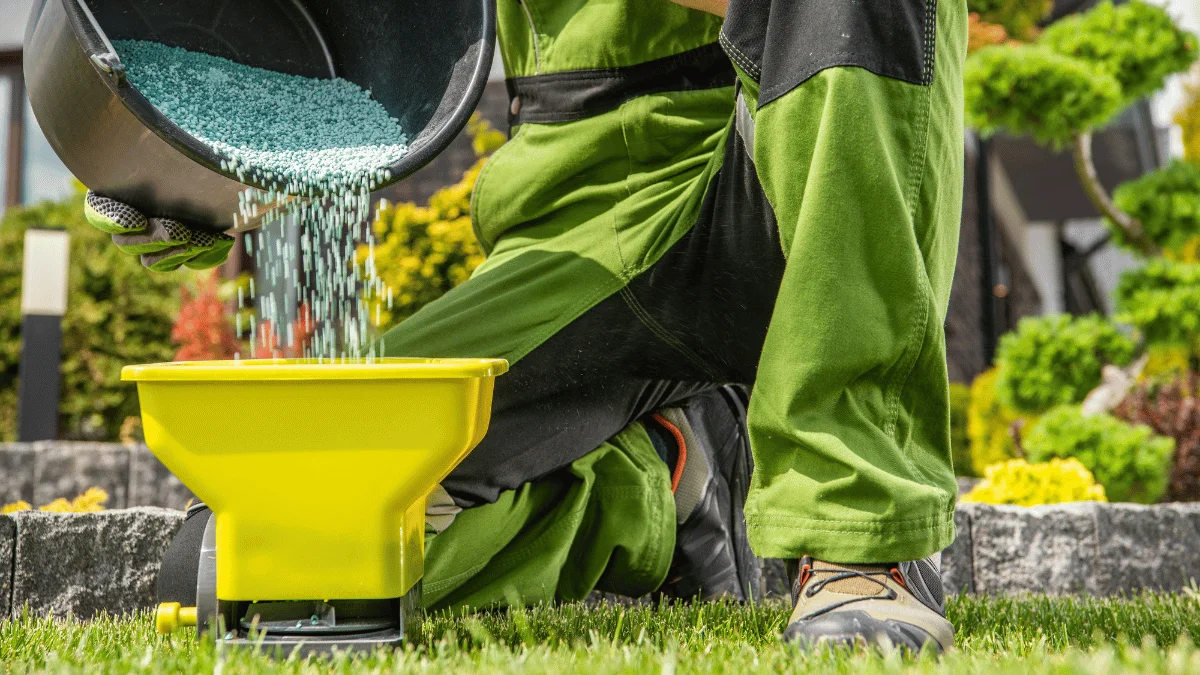
Have you ever found yourself staring at your lawn after a rain shower, spreader in hand, wondering if it’s the right time to fertilize? You’re not alone.
Deciding when to use a spreader on wet grass can feel like a delicate dance between timing and weather conditions. If you’re eager to achieve that lush, green carpet look in your yard, understanding the nuances of spreading on damp turf is crucial.
We’ll unravel the mystery and provide clear insights to help you make the best decision for your lawn’s health. Stay with us to discover whether spreading on wet grass is a gardening faux pas or a savvy move for your green oasis.
Credit: www.hunker.com
Why Wet Grass Matters
Using a spreader on wet grass can affect how well it works. Wet grass changes how materials spread across your lawn.
Understanding these effects helps you keep your lawn healthy and avoid problems.
Effects On Spreader Performance
Wet grass can cause the spreader to clog or deliver uneven amounts of fertilizer. This reduces the spreader’s efficiency.
- Spreader wheels may slip on wet surfaces.
- Fertilizer pellets can stick together and block the spreader.
- Materials may not fall evenly, causing patchy coverage.
- Wet grass slows down the spreader’s movement.
Common Problems With Wet Grass
Wet grass brings challenges that affect lawn care and spreader use. Knowing these issues helps you avoid damage.
| Problem | Cause | Effect |
| Clogged Spreader | Fertilizer sticks together | Stops fertilizer flow |
| Uneven Coverage | Slipping wheels and clumping | Patchy lawn growth |
| Damage to Grass | Heavy equipment on wet lawn | Leaves marks and ruts |
| Wasted Fertilizer | Uneven spreading | Extra cost and poor lawn health |
Types Of Spreaders And Wet Conditions
Using a spreader on wet grass can be tricky. Wet grass affects how spreaders work and how well the materials spread. Different types of spreaders react differently in wet conditions.
Knowing the right spreader to use on wet grass helps you avoid clumps and uneven coverage. Let’s look at three common spreader types and how they handle wet conditions.
Drop Spreaders
Drop spreaders drop material straight down in a narrow path. They give precise control over where the material lands. On wet grass, drop spreaders may cause clumping because the wet surface holds the material in one spot.
- Good for small or narrow areas
- Less coverage area per pass
- Can clog if material sticks to wet grass
- Works best with dry or slightly damp conditions
Broadcast Spreaders
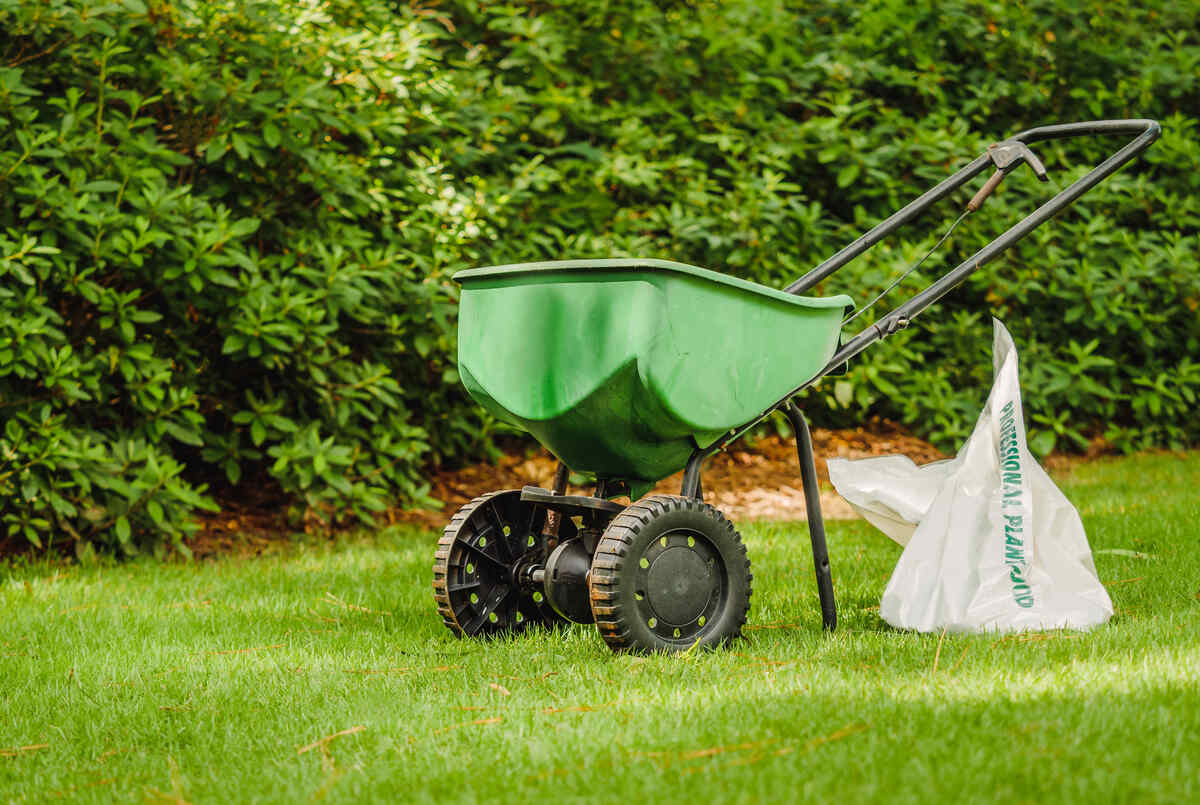
Broadcast spreaders fling material over a wide area. They cover more ground quickly. On wet grass, they can still work but might throw clumps if the material is damp or sticky.
| Feature | Effect on Wet Grass |
| Wide coverage | Good but watch for clumps |
| Material flow | May stick if wet |
| Speed | Fast coverage |
| Best use | Light moisture, not heavy wetness |
Handheld Spreaders
Handheld spreaders are small and easy to control. They work well on wet grass because you can adjust the speed and direction. They help reduce clumping by applying material carefully.
Tips for using handheld spreaders on wet grass:
- Walk slowly to avoid clumps
- Shake the spreader if material sticks
- Use smaller amounts per pass
- Clean spreader after use to prevent clogging
Best Practices For Using Spreaders On Wet Grass
Using a spreader on wet grass can be tricky. Wet grass affects how evenly the material spreads.
You need to adjust your technique to avoid clumping and uneven coverage. These tips will help you get better results.
Adjusting Spreader Settings
Wet grass slows the spreader material from falling freely. Lower the spreader setting to reduce the flow rate.
Check the spreader’s manual for recommended settings on wet surfaces. Start with a smaller opening and test on a small area.
- Reduce spreader opening to prevent clumps
- Walk slower to allow material to settle evenly
- Test settings on a small patch before full application
Timing Your Application
Apply fertilizer or seed when the grass is wet but not soaked. Avoid spreading right after heavy rain or irrigation.
Early morning dew is usually fine because the grass is only lightly wet. This helps the material stick without clumping too much.
- Wait until heavy water has dried off
- Apply during early morning dew or light moisture
- Avoid spreading during or just after rainfall
Handling Moisture Levels
Check the grass moisture before you start. Too much water makes fertilizer or seed clump and run off.
If the grass is very wet, wait a few hours or spread in smaller sections. This helps keep the material in place.
- Test moisture by touching the grass blades
- Wait for grass to dry if it feels soggy
- Apply in smaller areas to control material better
Alternatives To Spreading On Wet Grass
Spreading fertilizer or seed on wet grass can cause uneven coverage. Wet grass makes it hard for spreaders to work well. It also clogs the spreader and wastes materials.
There are better ways to apply materials without using a spreader on wet grass. These alternatives help protect your lawn and give good results.
Waiting For Dry Conditions
Waiting for dry grass is the safest choice. Dry grass allows spreaders to work smoothly. It also helps materials reach the soil properly.
Check the weather and wait until the grass is dry before spreading. This avoids clumps and wasted fertilizer or seed.
Manual Application Methods
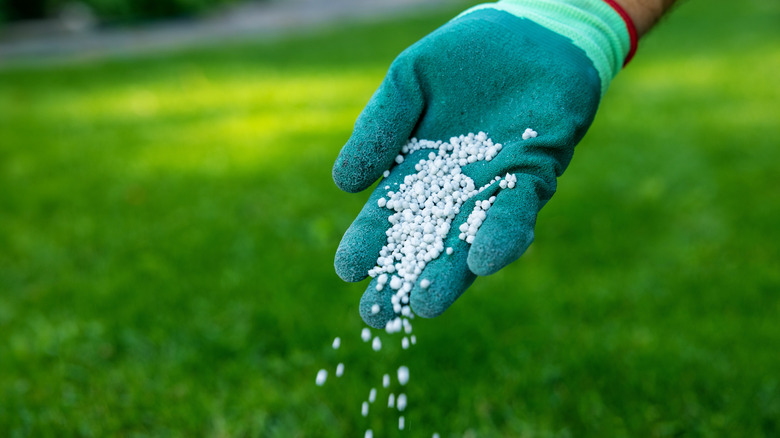
You can apply fertilizer or seed by hand on wet grass. This method helps you place materials evenly in small areas. Use gloves to protect your hands.
Manual spreading works well for spot treatments or small lawns. It reduces waste and avoids problems with spreaders clogging.
- Wear gloves to keep hands clean
- Scatter materials evenly with your fingers
- Focus on problem spots or small patches
- Use a watering can for liquid fertilizers
Maintaining Your Spreader After Wet Use
Using a spreader on wet grass can leave it dirty and wet. Proper care after use keeps it working well.
Cleaning and protecting your spreader help it last longer and avoid damage from moisture.
Cleaning Tips
After using your spreader on wet grass, clean it right away. Remove any grass, mud, or fertilizer stuck on it.
- Use a brush to scrub off dirt and debris.
- Rinse the spreader with water to wash away residue.
- Dry all parts with a cloth to stop rust.
- Check the hopper and spreader plate for clogs.
- Apply a light oil to moving parts to keep them smooth.
Preventing Rust And Damage
Wet conditions can cause rust and damage metal parts. Protect your spreader by following simple steps.
| Action | Reason |
| Store spreader in a dry place | Keeps moisture away to prevent rust |
| Apply rust-resistant spray | Protects metal from corrosion |
| Check bolts and nuts regularly | Prevents loose parts that cause wear |
| Lubricate moving parts | Reduces friction and damage |
Credit: www.lawnstarter.com
Common Mistakes To Avoid
Using a spreader on wet grass can be tricky. Many people make errors that reduce the spreader’s effectiveness. Avoiding these mistakes helps keep your lawn healthy.
Here are some common mistakes to watch for when spreading fertilizer or seed on wet grass.
Overloading The Spreader
Putting too much material in the spreader causes uneven application. The spreader may clog or dump too much in one spot. This can harm your lawn and waste product.
- Fill the spreader only to the recommended level.
- Use smaller loads for better control.
- Check the spreader settings to match the product.
- Empty and refill if the spreader is too full.
Ignoring Grass Conditions
Wet grass affects how fertilizer or seed spreads. Slippery grass can cause uneven distribution. Wet material may clump or stick to the spreader.
| Grass Condition | Effect on Spreading | Tip |
| Wet | Clumps and sticks | Spread slowly and check settings |
| Damp | Better spread, less clumping | Use normal speed |
| Dry | Best for even spread | Ideal for spreading |
Skipping Maintenance
Not cleaning or checking your spreader can cause problems. Dirt and rust can block openings. Worn parts reduce accuracy and cause leaks.
Simple maintenance steps to keep your spreader working well:
- Clean after each use to remove residue.
- Lubricate moving parts regularly.
- Inspect for damage or rust.
- Replace worn or broken parts quickly.

Credit: treecarezone.com
Frequently Asked Questions
Can You Use A Spreader On Wet Grass?
Using a spreader on wet grass is not recommended. Wet grass causes uneven distribution and clumping of fertilizer or seeds. It can also damage the turf by creating ruts or compacting soil. For best results, wait until the grass is dry before spreading.
What Happens If You Spread Fertilizer On Wet Grass?
Spreading fertilizer on wet grass leads to poor absorption and runoff. The nutrients may wash away before reaching roots, reducing effectiveness. Additionally, wet grass increases the risk of fertilizer burn and uneven application. Always apply fertilizer to dry grass for optimal lawn health.
Is It Better To Spread Seeds On Wet Or Dry Grass?
It’s better to spread seeds on dry grass. Wet grass causes seeds to clump and reduces soil contact. This can hinder germination and growth. Dry grass allows even seed distribution and better soil contact, promoting healthy lawn establishment.
How Does Wet Grass Affect Spreader Performance?
Wet grass can clog spreader mechanisms and cause uneven spreading. It leads to inconsistent application rates and wasted materials. Wet conditions also increase the chance of damage to your lawn and equipment. Dry grass ensures smoother, more efficient spreader operation.
Conclusion
Spreading on wet grass can cause uneven coverage and clumping. Wet grass makes the spreader slip and materials stick together. It’s best to wait until the grass is dry. Dry grass helps spread fertilizer or seeds evenly. This ensures better lawn growth and less waste.
Patience pays off when caring for your lawn. Take your time for the best results. Remember, a healthy lawn starts with proper spreading habits.
