
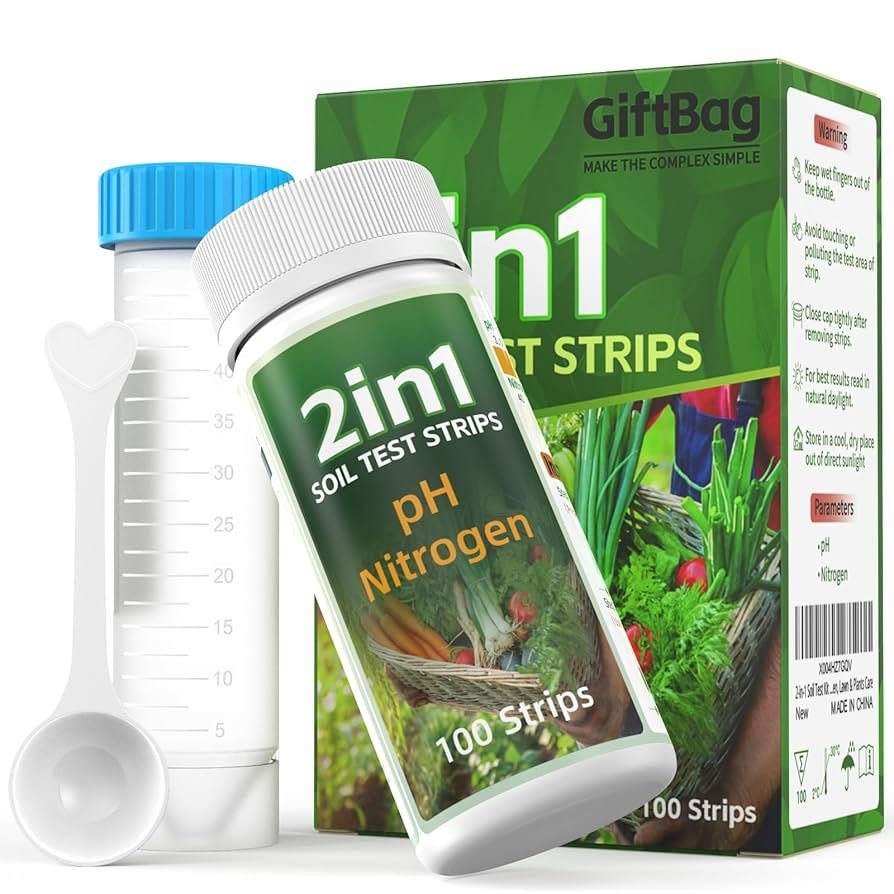
Are you wondering how to get the most accurate reading of your soil’s health? Choosing between a soil test kit and soil strips can feel confusing.
You want reliable results to help your plants grow strong and healthy, but which tool gives you the best information? You’ll discover the key differences between soil test kits and soil strips, so you can make the smartest choice for your garden or farm.
Keep reading, because the right decision could transform your soil—and your harvest.
Credit: gardeningproductsreview.com
Soil Testing Basics
Soil testing helps us understand what is in the soil. It shows the nutrients and properties of the soil. This information guides farmers and gardeners to grow healthy plants.
Two common tools for soil testing are soil test kits and soil strips. Both help check soil but differ in detail and use.
Purpose Of Soil Testing
Soil testing aims to find the condition of the soil. It checks nutrient levels and soil health. This helps decide what fertilizers or treatments are needed.
- Measure nutrient levels like nitrogen, phosphorus, and potassium
- Check soil pH to know acidity or alkalinity
- Detect harmful substances or pollutants
- Guide fertilizer and lime application
- Improve crop yield and plant health
Common Soil Parameters
Soil tests often measure many parameters. These help understand soil quality and needs. The main ones include pH, nutrients, and texture.
| Parameter | What It Means | Why It Matters |
| pH | Acidity or alkalinity level | Affects nutrient availability to plants |
| Nitrogen (N) | Essential nutrient for growth | Supports leaf and stem development |
| Phosphorus (P) | Helps root and flower growth | Important for energy transfer in plants |
| Potassium (K) | Controls water regulation and disease resistance | Strengthens plant health |
| Soil Texture | Sand, silt, and clay content | Influences water retention and drainage |

Credit: gardentutor.com
Soil Test Kits Explained
Soil test kits help gardeners and farmers check soil health. They show nutrient levels and pH balance.
Two popular tools are soil test kits and soil strips. Each has different ways to test soil.
How Test Kits Work
Soil test kits need soil samples. You mix soil with water and chemicals in the kit.
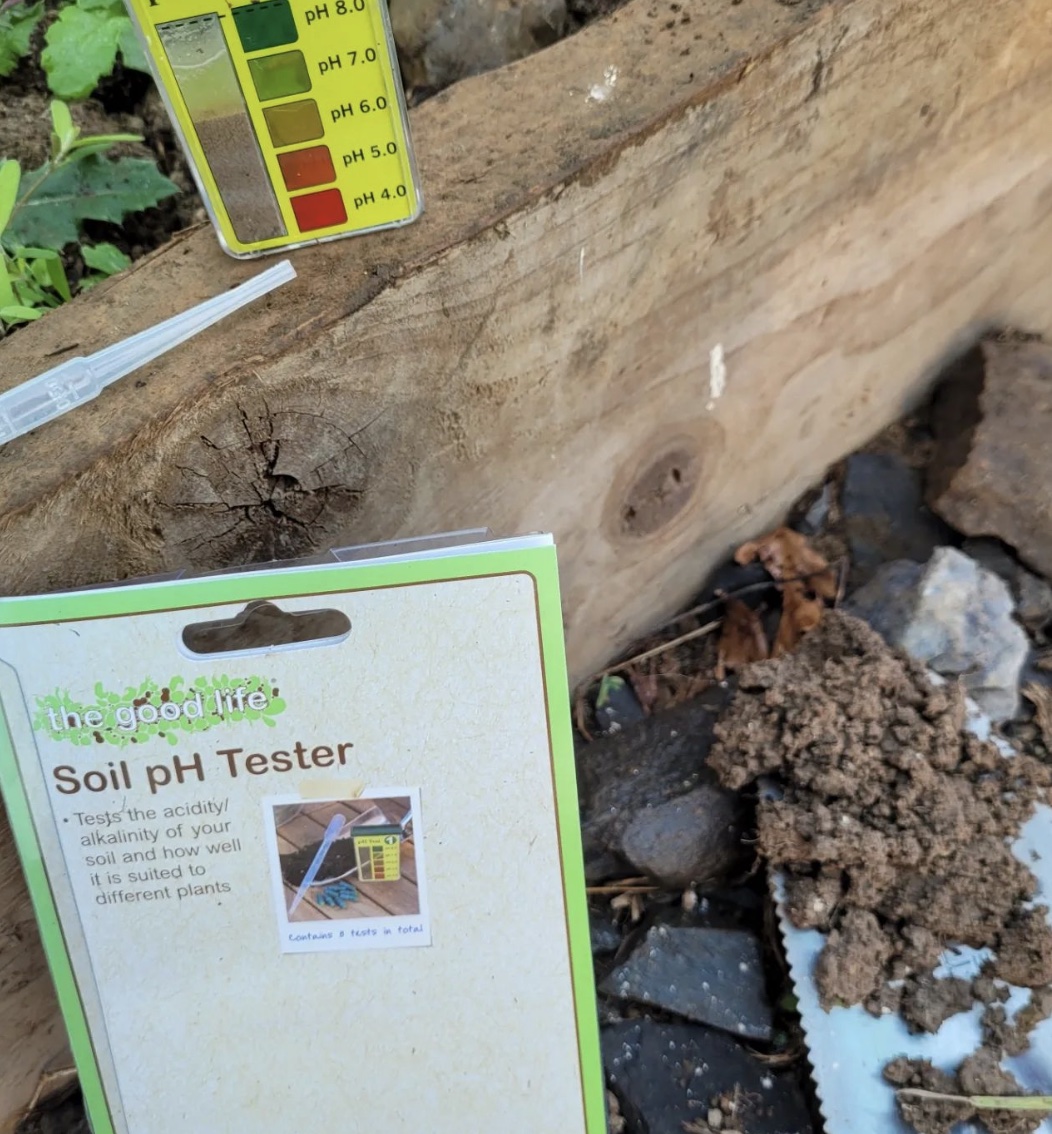
The kit changes color to show nutrient amounts. You compare colors with a chart to read results.
Types Of Soil Test Kits
There are different soil test kits for various needs. Some test many nutrients, others test few.
- Basic kits test pH, nitrogen, phosphorus, and potassium
- Advanced kits test micronutrients like iron and zinc
- Digital kits use meters for more precise results
Pros And Cons
Soil test kits and soil strips both have benefits and drawbacks. Choose based on your needs.
| Type | Pros | Cons |
|---|---|---|
| Soil Test Kits | More accurate than strips Test many nutrients Easy to use | Take longer to get results More expensive than strips |
| Soil Strips | Very quick results Simple to use Low cost | Less accurate Test fewer nutrients Color match can be hard |
Soil Strips Demystified
Soil strips are a common tool used to check the health of soil. They help gardeners and farmers know what nutrients the soil has.
This content explains how soil strips work, the types available, and their pros and cons.
Functionality Of Soil Strips
Soil strips change color when dipped in soil mixed with water. The color shows the level of nutrients like nitrogen, phosphorus, and potassium.
Users compare the strip color to a chart to read the soil condition quickly.
Varieties Available
Different soil strips test for different nutrients. Some strips check one nutrient, others check several at once.
- Nitrogen test strips
- Phosphorus test strips
- Potassium test strips
- Multi-nutrient test strips
Advantages And Limitations
Soil strips are easy and fast to use. They do not need special skills or tools.
They give rough estimates but may not be very precise. Some factors can affect the color results.
- Advantages:
- Quick results
- Simple to use
- Portable and affordable
- Limitations:
- Less accurate than lab tests
- Color reading can be subjective
- Limited to certain nutrients
Accuracy Comparison
Choosing between soil test kits and soil strips depends on their accuracy. Knowing which tool gives precise results helps gardeners and farmers make better decisions.
This comparison focuses on how accurate each method is in measuring soil nutrients and conditions.
Precision Of Results
Soil test kits usually offer more precise results than soil strips. Kits analyze multiple soil components, giving detailed nutrient levels. Soil strips provide quick estimates but with less detail.
- Test kits measure nutrients like nitrogen, phosphorus, and potassium separately.
- Soil strips often show general pH or nutrient presence without exact amounts.
- Kits use chemical reactions or digital meters for accuracy.
- Strips rely on color changes that can be hard to read.
Factors Affecting Accuracy
| Factor | Effect on Soil Test Kits | Effect on Soil Strips |
| Sample Quality | High impact; poor samples reduce accuracy | High impact; inconsistent samples affect color results |
| User Skill | Moderate; following instructions improves results | High; misreading colors causes errors |
| Environmental Conditions | Low; kits have controls for temperature | High; humidity and light can change strip colors |
| Test Range | Wide range of detectable nutrients | Limited to basic nutrient levels and pH |
Ease Of Use
Choosing between a soil test kit and soil strips depends on how easy each is to use. Both tools help check soil health, but they differ in handling.
Understanding ease of use can help gardeners and farmers pick the best option for their needs.
User Friendliness
Soil test kits often come with clear instructions and tools. They require mixing soil with chemicals and waiting for color changes. Soil strips are simpler. You just dip a strip in wet soil and read the color.
- Test kits need more steps but give detailed results.
- Soil strips are quick and easy to use.
- Both need careful reading of color charts.
Time And Effort Required
| Method | Approximate Time | Effort Level |
| Soil Test Kit | 15-30 minutes | Moderate |
| Soil Strips | 5 minutes | Low |
Soil test kits take more time because of mixing and waiting. Soil strips are faster but may give less detailed data. Effort is higher with kits due to multiple steps.
Cost Considerations
Understanding the costs of soil testing is important. People often choose between soil test kits and soil strips. Each has different cost factors to consider.
Let’s explore the initial investment and long-term expenses for both options. This can help you make a better decision.
Initial Investment
Soil test kits often require a higher initial cost. They usually come with multiple components for testing.
Soil strips are generally cheaper at the beginning. They are simple and need fewer materials.
- Soil test kits: $30 to $100
- Soil strips: $10 to $30
Long-term Expenses
Soil test kits can last longer, saving you money over time. You may only need to buy refills for specific tests.
Soil strips may need frequent replacements. They are used up quickly and can lead to higher long-term costs.
- Kit refills: $10 to $20 annually
- Strip replacements: $15 to $40 annually
Suitability For Different Needs
Soil test kits and soil strips help check soil health. Each one fits different needs. Let’s explore which is better for you.
Home Gardeners
Home gardeners need simple tools. Soil strips are easy to use. They give quick results for basic soil information.
Soil test kits provide more details. They are suitable for those who want deeper insights into their soil’s nutrients.
- Soil strips are fast and easy
- Test kits offer detailed results
- Both are affordable for small gardens
Professional Use
Professionals need accurate data. Soil test kits provide comprehensive analysis. They are ideal for large scale farms.
Soil strips are less detailed. They are not recommended for complex soil assessment needed by professionals.
| Soil Test Kits | Detailed analysis |
| Soil Strips | Basic information |
Educational Purposes
Students benefit from hands-on learning. Soil strips are perfect for classroom experiments. They are easy and quick to use.
Soil test kits are great for advanced studies. They help students understand complex soil chemistry.
- Soil strips are ideal for simple experiments
- Test kits are better for detailed projects
- Both enhance learning experiences
Environmental Impact
Choosing between soil test kits and soil strips involves thinking about their effects on the environment. Both tools help measure soil health but differ in how they impact nature.
We will look at sustainability factors and waste generation to understand which option causes less harm to the environment.
Sustainability Factors
Soil test kits often use reusable parts, reducing the need to buy many kits over time. They provide more detailed results, which can help avoid unnecessary soil treatments.
Soil strips are usually single-use and made of paper or plastic. They are simple to use but offer less detailed information. This can lead to repeated testing and more resource use.
Waste Generation
Waste from soil testing tools matters for the environment. Below is a comparison of waste types created by soil test kits and soil strips.
| Type of Waste | Soil Test Kits | Soil Strips |
| Plastic parts | Reusable, low waste | Single-use, more waste |
| Paper materials | Minimal | High, disposable strips |
| Chemical waste | Contained in kit | May be less controlled |
| Packaging | Durable, less frequent | Often disposable |
Real User Experiences
Many gardeners and farmers try soil test kits and soil strips to check soil quality. Both tools give quick results. Users share their opinions about which tool is more reliable.
This article looks at real feedback to help understand how each tool works in real life.
Common Feedback
Users say soil test kits often give more detailed information. They measure nutrients like nitrogen, phosphorus, and potassium. Soil strips usually show fewer details.
Some users find soil strips easy to use. They like the simple color changes that show pH levels. But some say strips can be less accurate if not read quickly.
- Soil test kits take more time but give more data.
- Soil strips are faster and simpler to use.
- Test kits need careful handling for best results.
- Strips can be affected by moisture and light.
- Users trust test kits for long-term soil care.
Case Studies
A community garden used both tools to test soil before planting. The soil test kit showed low potassium levels. The soil strips only indicated normal pH.
Gardeners added potassium fertilizer after the test kit results. Later, plants grew stronger and healthier. This case shows test kits may find issues strips miss.
| Tool Used | Result | Action Taken | Outcome |
|---|---|---|---|
| Soil Test Kit | Low Potassium | Added Potassium Fertilizer | Strong Plant Growth |
| Soil Strips | Normal pH | No Action | Average Growth |
Another case involved a home gardener using soil strips for quick checks. The strips showed acidic soil. The gardener used lime and retested with a soil kit later. The soil kit confirmed the pH change accurately.
Making The Right Choice
Testing soil is important for healthy plants. You can use soil test kits or soil strips. Each tool gives different information.
Choosing the right tool depends on your needs and budget. This guide helps you decide which is more reliable.
Key Decision Factors
Soil test kits and soil strips differ in accuracy and ease of use. Think about what matters most for your garden.
- Accuracy:Soil test kits usually provide more detailed results.
- Speed:Soil strips give quick, simple answers.
- Cost:Soil strips are often cheaper than kits.
- Ease of Use:Strips are easy to use but less precise.
- Test Range:Kits can test more nutrients and soil properties.
Recommendations
Pick soil test kits if you want detailed and reliable results. They suit gardeners who need exact soil data.
Choose soil strips for fast checks or if you have a small budget. They work well for basic soil needs.
- Use test kits for nutrient levels like nitrogen, phosphorus, and potassium.
- Use strips to check pH or moisture quickly.
- Test kits are better for large gardens or farming.
- Soil strips fit small gardens or casual users.

Credit: www.familyhandyman.com
Frequently Asked Questions
Which Is More Accurate: Soil Test Kits Or Soil Strips?
Soil test kits offer more accurate and detailed nutrient analysis than soil strips. Kits measure multiple soil properties, while strips mostly detect pH. For precise gardening or farming, test kits are preferred due to their reliability and comprehensive results.
How Do Soil Test Kits Work Compared To Soil Strips?
Soil test kits use chemical reagents to analyze soil nutrients and pH levels. Soil strips rely on color changes to estimate pH only. Kits provide broader soil health information, making them more versatile and dependable for soil testing.
Are Soil Strips Suitable For Quick Soil Ph Checks?
Yes, soil strips are ideal for quick, simple pH testing. They are easy to use and provide instant results. However, they lack detailed nutrient analysis, so they are best for basic pH monitoring, not comprehensive soil testing.
Can Soil Test Kits Detect Multiple Soil Nutrients?
Yes, soil test kits can detect nitrogen, phosphorus, potassium, and pH levels. This helps gardeners understand soil fertility better. Soil strips usually only test pH, making kits more reliable for overall soil nutrient assessment.
Conclusion
Soil test kits and soil strips both help check soil health. Test kits give detailed and accurate results. Soil strips show quick, simple answers but less detail. Choose based on your needs and budget. For precise gardening, test kits work best.
For fast checks, soil strips do fine. Understanding your soil helps plants grow strong. Use tools that fit your gardening style. Good soil means better plants and bigger harvests. Keep testing regularly to keep soil healthy.
