
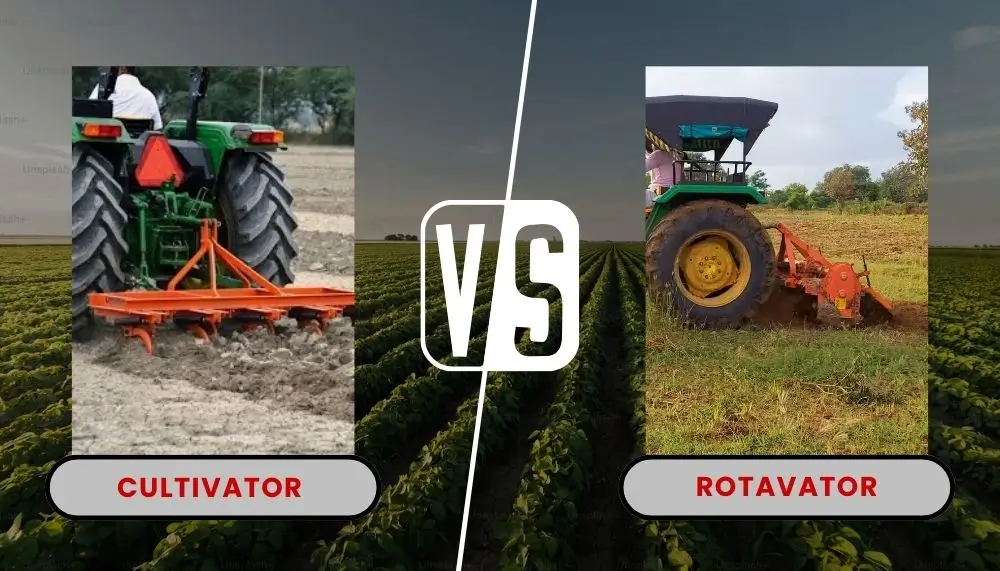
Are you struggling to decide between a garden tiller and a cultivator for your outdoor space? Choosing the right tool can save you time, effort, and frustration while preparing your soil.
But which one fits your needs best? Understanding the key differences will help you work smarter, not harder. Keep reading to discover which tool is perfect for your garden and how it can transform your planting experience. Your garden will thank you!
Credit: www.familyhandyman.com
Garden Tiller Basics
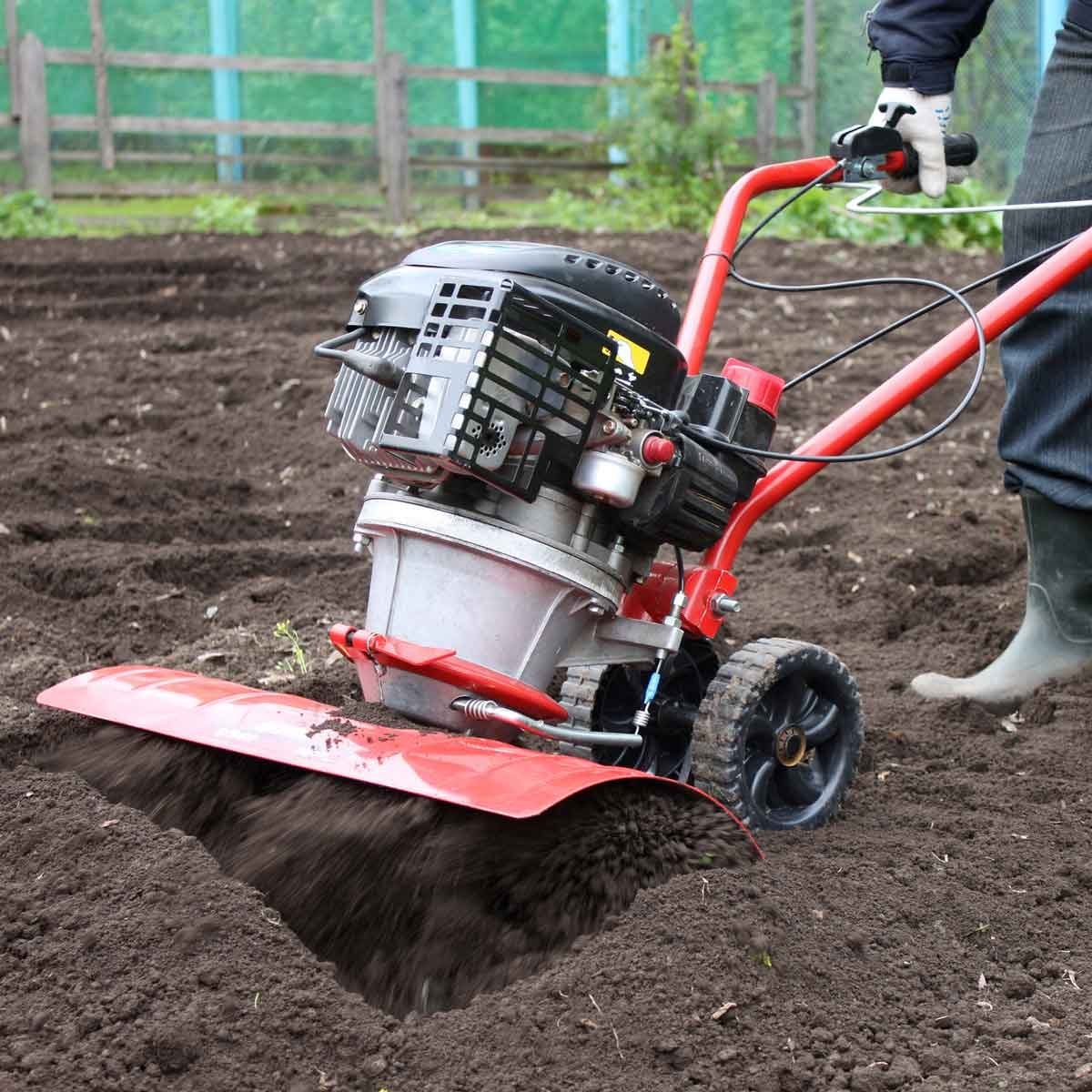
Garden tillers help prepare soil for planting. They break up hard ground and mix soil layers. This makes planting easier and helps plants grow better.
Tillers come in different types and sizes. Some are small for home gardens. Others are large for bigger farms. Knowing how they work helps you pick the right one.
Main Features
Tillers have sharp blades called tines. These blades dig into the soil to loosen it. Most tillers have adjustable depth settings. This lets you control how deep the blades go. Some tillers have wheels for easy movement. Others are lightweight for better handling.
Types Of Tillers
- Front-tine tillers:Blades are in front of the wheels. Good for light soil and small gardens.
- Rear-tine tillers:Blades are behind the wheels. Better for heavy soil and large areas.
- Cultivators:Smaller tools for loosening soil and removing weeds around plants.
When To Use A Tiller
| Use Case | Description |
| New garden beds | Break up hard soil for planting |
| Mixing compost | Blend organic matter into soil |
| Weed control | Loosen soil to remove weeds |
| Preparing soil in spring | Make soil ready for seeds and plants |
Cultivator Essentials
Cultivators are tools designed to break up soil and remove weeds. They help prepare garden beds for planting.
This guide explains core features, types of cultivators, and their best uses in the garden.
Core Characteristics
Cultivators usually have rotating tines or blades that dig into the soil. They come in manual or powered versions. The size and power depend on the garden size and soil type.
- Designed to loosen soil without turning it over completely
- Equipped with sharp tines to break up clumps and weeds
- Can be hand-held or tractor-mounted
- Often lighter and less powerful than tillers
- Easy to maneuver in tight garden spaces
Different Cultivator Models
Cultivators vary by power source and size. Each model suits a different gardening need.
| Model Type | Power Source | Best For |
| Manual Cultivator | Human Power | Small gardens, flower beds |
| Electric Cultivator | Electricity | Small to medium gardens |
| Gas-powered Cultivator | Gas Engine | Large gardens, tougher soil |
Ideal Uses For Cultivators
Cultivators are best for soil aeration and weed control in garden beds. They do not dig deeply like tillers.
- Loosening soil around plants without damage
- Removing light weeds between rows
- Mixing compost or fertilizer into topsoil
- Preparing seedbeds in small to medium areas
- Maintaining garden soil between planting seasons
Performance Comparison
Garden tillers and cultivators help prepare soil for planting. Choosing the right tool depends on your garden size and soil type.
This comparison focuses on their performance in key areas like soil preparation, power, and handling tough soil.
Soil Preparation Efficiency
Tillers dig deep into the soil to break it up completely. Cultivators work the top layer to mix and aerate soil.
| Feature | Garden Tiller | Cultivator |
|---|---|---|
| Depth of Soil Worked | 6 to 12 inches | 2 to 4 inches |
| Area Coverage | Large areas efficiently | Small to medium beds |
| Best Use | Breaking hard soil | Mixing soil and weeds |
Power And Maneuverability
Tillers have strong engines and heavy build. This makes them powerful but harder to move.
- Cultivators are lighter and easier to steer.
- Tillers require more strength to control.
- Cultivators suit smaller gardens and tight spaces.
- Tillers cover large areas faster but need more effort.
Handling Tough Soil
Tough soil needs strong machines. Tillers break through hard, compacted earth better than cultivators.
The main differences in tough soil handling include:
- Tillers:Use heavy tines and strong engines to loosen packed soil deeply.
- Cultivators:Are less effective on hard soil but good for light weed control.

Credit: gardens.theownerbuildernetwork.co
Size And Weight Differences
Garden tillers and cultivators come in different sizes and weights. These differences affect how you use and store them.
Understanding these differences helps you pick the right tool for your garden needs.
Compact Vs Heavy Duty
Compact garden tillers are smaller and lighter. They are good for small gardens and light soil work. Heavy duty tillers are larger and heavier. They handle tough soil and big jobs better.
| Type | Size | Weight | Best Use |
| Compact Tiller | Small | 20-40 lbs | Light soil, small gardens |
| Heavy Duty Tiller | Large | 50-100+ lbs | Hard soil, large areas |
Storage And Transport
Compact tillers are easier to store and move. Heavy duty tillers need more space and effort to transport.
- Compact tillers fit in small sheds and car trunks
- They are lighter to carry and load
- Heavy duty tillers need a trailer or truck for transport
- They require more storage space in a garage or shed
Fuel And Power Options
Choosing the right power source is key for garden tillers and cultivators. It affects their performance and ease of use.
This guide compares gas and electric models and explains battery life and charging details.
Gas Vs Electric Models
Gas models offer strong power and longer runtime. They work well on large or tough soil areas.
Electric models are quieter and need less maintenance. They suit small gardens and lighter soil work.
| Feature | Gas Models | Electric Models |
|---|---|---|
| Power | High power for tough soil | Moderate power for light to medium soil |
| Noise | Loud operation | Quiet operation |
| Maintenance | Requires fuel and oil checks | Minimal maintenance |
| Weight | Heavier | Lighter |
| Mobility | Free to move without cords | Cord or battery limited |
Battery Life And Charging
Battery-powered tillers and cultivators offer cordless convenience. Battery life varies by model and usage.
- Typical battery life ranges from 30 minutes to 1 hour.
- Charging time can take from 1 to 3 hours.
- Some models include fast chargers for quick power-ups.
- Extra batteries help extend work time without breaks.
- Battery indicators show remaining charge during use.
Maintenance Needs
Garden tillers and cultivators are essential tools for soil preparation. They both require regular maintenance to function efficiently.
Understanding the maintenance needs of each can save you time and extend their lifespan.
Routine Care
Routine care ensures your garden tiller or cultivator runs smoothly. Proper care involves cleaning, lubrication, and storage.
- Clean the blades after each use
- Check and refill engine oil regularly
- Store in a dry, covered area
Common Repairs
Despite routine care, repairs may still be needed. Knowing common issues helps in timely fixes.
| Problem | Solution |
| Engine won’t start | Check spark plug and fuel level |
| Blades not rotating | Inspect drive belt and adjust tension |
| Excessive vibration | Tighten loose bolts and nuts |
Cost And Budget Factors
When choosing between a garden tiller and a cultivator, understanding cost is key. Each tool has different price ranges and offers varying value for money.
Let’s explore these aspects to help you make an informed choice for your gardening needs.
Price Ranges
Garden tillers and cultivators come in a range of prices. This can impact your decision significantly.
| Tool Type | Price Range |
| Garden Tiller | $300 – $1200 |
| Cultivator | $100 – $500 |
Value For Money
Evaluating value for money is essential in choosing the right tool. Both tillers and cultivators offer unique benefits at different costs.
- Garden tillers are powerful and suitable for large areas.
- Cultivators are more affordable and ideal for small gardens.
- Consider durability and maintenance costs for long-term savings.
Choosing Based On Garden Size
Picking the right tool for your garden helps make work easier. Garden tillers and cultivators serve different needs.
Size matters when choosing between a tiller and a cultivator. Let’s look at options for small and larger gardens.
Small Gardens
In small gardens, space is tight and soil preparation needs care. Cultivators usually fit better here.
- Cultivators are smaller and easier to handle.
- They disturb the soil lightly without uprooting plants.
- Perfect for flower beds and vegetable patches under 500 square feet.
- Use a cultivator to mix soil and remove weeds gently.
Medium And Large Gardens
Medium and large gardens need stronger tools. Tillers prepare bigger areas faster and deeper.
| Garden Size | Recommended Tool | Reason |
|---|---|---|
| 500 – 2,000 sq ft | Cultivator or Small Tiller | Balance of power and control for medium spaces |
| 2,000+ sq ft | Heavy-Duty Tiller | Quickly breaks hard soil for large plots |
User Safety Tips
Using garden tillers and cultivators can make soil work easier. Safety is very important when handling these machines.
Following safety tips helps prevent injuries and keeps your gardening experience safe and smooth.
Proper Handling
Always hold the tiller or cultivator with both hands. Keep a firm grip to control the machine well.
- Read the user manual before use to understand how the tool works.
- Check the machine for damage or loose parts before starting.
- Keep bystanders and pets away from the working area.
- Do not operate the machine on wet or slippery ground.
- Turn off and unplug the tool before cleaning or adjusting it.
Protective Gear
Wearing the right protective gear lowers the risk of injury while using garden equipment.
| Gear | Purpose |
| Safety goggles | Protect eyes from dust and debris |
| Gloves | Shield hands from cuts and blisters |
| Sturdy boots | Guard feet against sharp objects and provide grip |
| Hearing protection | Reduce noise from loud machines |
| Long pants | Protect legs from scratches and dirt |

Credit: www.youtube.com
Popular Brands And Models
Choosing the right garden tiller or cultivator can make your soil work easier. Many brands offer various models to fit different garden sizes and needs.
This guide looks at top brands and models for tillers and cultivators. It helps you compare features and find the best tool for your garden.
Top Tillers
Tillers break up hard soil and prepare large areas for planting. Popular brands focus on power and durability. Here are some top models you can consider.
- Troy-Bilt TB154E: A gas-powered tiller with a 208cc engine. It has forward and reverse gears for easy control.
- Husqvarna TF 230: Known for its strong 208cc engine and adjustable tilling width. It works well on tough soil.
- Sun Joe TJ603E: An electric tiller perfect for small gardens. It is lightweight and easy to handle.
Top Cultivators
Cultivators mix soil and remove weeds in smaller garden areas. They are lighter and easier to maneuver. The table below compares popular cultivator models.
| Brand & Model | Power Type | Tilling Width | Weight |
|---|---|---|---|
| Black+Decker LGC120 | Electric | 12 inches | 15 lbs |
| Earthwise TC70001 | Electric | 8 inches | 20 lbs |
| Mantis 7940 | Gas | 7 inches | 20 lbs |
Frequently Asked Questions
What Is The Main Difference Between A Tiller And Cultivator?
A tiller breaks and loosens soil deeply, preparing large areas. A cultivator works shallowly, mixing soil and removing weeds near plants. Both tools improve soil, but tillers handle heavy-duty jobs, while cultivators focus on surface care.
Which Tool Is Better For New Garden Beds?
A garden tiller is better for new beds. It breaks hard ground and mixes organic matter well. Cultivators are ideal for maintaining established beds by aerating and controlling weeds without disturbing roots.
Can A Cultivator Replace A Tiller In Gardening?
No, a cultivator cannot fully replace a tiller. Tillers penetrate deeper and handle tougher soil. Cultivators are for light soil work and weed control. Each tool serves specific gardening needs for best results.
How Do Tillers And Cultivators Differ In Soil Depth?
Tillers work at soil depths of 6 to 12 inches or more. Cultivators usually work within 2 to 4 inches of soil surface. This difference affects their suitability for soil preparation versus maintenance tasks.
Conclusion
Choosing between a garden tiller and a cultivator depends on your needs. Tillers break hard soil and prepare large areas quickly. Cultivators work well for mixing soil and removing weeds in smaller spaces. Both tools help keep your garden healthy and ready for planting.
Think about the size of your garden and the type of work you want. This will guide you to the right tool for your yard. Happy gardening starts with the right equipment.
