
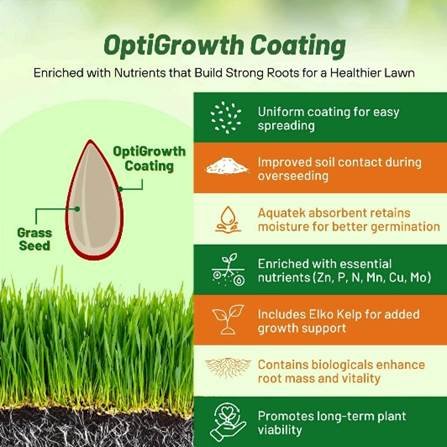
If you want a lawn that looks green, healthy, and full of life, understanding what nutrients your soil needs is key. You might be surprised to learn that the secret to a perfect lawn isn’t just watering or mowing—it’s what’s happening beneath the surface.
Your soil needs the right balance of nutrients to help grass grow strong and resist weeds, pests, and diseases. You’ll discover exactly which nutrients are essential for your lawn soil and how to make sure your grass gets everything it needs.
Keep reading, and you’ll soon be on your way to a lawn that stands out for all the right reasons.
Key Nutrients For Lawn Soil
Lawn soil needs nutrients to help grass grow strong and healthy. These nutrients come from the soil and help the grass get energy and build roots.
The three main nutrients that lawns need are nitrogen, phosphorus, and potassium. Each one helps the grass in a different way.
Nitrogen’s Role In Growth
Nitrogen helps grass grow fast and stay green. It is part of the grass leaves and helps make chlorophyll. Chlorophyll is what makes plants green and helps them use sunlight.
Without enough nitrogen, grass can look yellow and thin. Adding nitrogen helps the lawn look thick and healthy.
Importance Of Phosphorus
Phosphorus helps grass develop strong roots. It also helps the grass grow quickly after you plant new seeds. Strong roots help the grass get water and nutrients from the soil.
Phosphorus is important for young grass and helps the lawn recover from damage.
Potassium Benefits
Potassium helps grass stay healthy and resist disease. It also helps the lawn handle stress from heat, cold, and drought. This nutrient makes grass stronger and more durable.
Potassium improves the overall health of your lawn, helping it survive tough weather.
Secondary Nutrients And Micronutrients
Lawn soil needs more than just nitrogen, phosphorus, and potassium. Secondary nutrients and micronutrients help grass grow strong and healthy. These nutrients support many important processes in the soil and plants.
Understanding these nutrients helps you care for your lawn better. Let’s explore calcium, magnesium, and trace elements that your lawn needs.
Calcium And Magnesium Effects
Calcium helps build strong cell walls in grass plants. It also improves soil structure by helping clay particles stick together. This makes it easier for roots to grow and absorb water.
Magnesium is a key part of chlorophyll. Chlorophyll gives grass its green color and helps it make food from sunlight. Without enough magnesium, grass may turn yellow and grow slowly.
| Element | Main Role | Signs of Deficiency |
| Calcium | Strengthens cell walls, improves soil texture | Weak grass, poor root growth |
| Magnesium | Key part of chlorophyll, aids photosynthesis | Yellow leaves, slow growth |
Trace Elements For Healthy Grass
Trace elements, also called micronutrients, are needed in tiny amounts. They help grass resist disease and stress. Common trace elements in lawn soil include iron, manganese, zinc, copper, and boron.
- Iron:Needed for green color and leaf growth.
- Manganese:Helps with photosynthesis and enzyme function.
- Zinc:Supports growth and seed production.
- Copper:Helps resist disease and supports metabolism.
- Boron:Aids cell division and root development.
Soil Testing For Nutrient Levels
Knowing the nutrient content of your lawn soil helps you keep grass healthy. Soil tests show what nutrients your soil has or lacks.
Testing soil prevents using too much fertilizer or missing key nutrients. It is a simple process anyone can do.
How To Conduct A Soil Test
Collect soil samples from different spots in your lawn. Use a clean trowel or soil probe to dig 4 to 6 inches deep.
Mix the samples in a clean bucket. Take about one cup of the mixed soil for testing. Dry the soil before sending it to a lab or using a test kit.
- Choose several areas in your lawn to sample.
- Dig soil from 4 to 6 inches deep.
- Mix all samples in a clean container.
- Take one cup of the mixed soil.
- Dry the soil if needed before testing.
Interpreting Soil Test Results
Soil test reports list nutrient levels like nitrogen, phosphorus, potassium, and pH. Each nutrient has a range showing low, medium, or high levels.
| Nutrient | Low | Medium | High |
|---|---|---|---|
| Nitrogen (N) | Below 10 ppm | 10-30 ppm | Above 30 ppm |
| Phosphorus (P) | Below 15 ppm | 15-40 ppm | Above 40 ppm |
| Potassium (K) | Below 50 ppm | 50-150 ppm | Above 150 ppm |
| pH Level | Below 6.0 (acidic) | 6.0-7.0 (neutral) | Above 7.0 (alkaline) |
Use the report to add needed nutrients. Avoid adding nutrients already high. Adjust soil pH for best nutrient absorption by lawn grass.

Credit: yarafert.com
Improving Soil Nutrient Content
Healthy lawn soil needs the right nutrients to grow strong grass. Adding nutrients helps soil hold water and air better. This supports roots and plants.
To improve soil nutrients, you can use fertilizers or natural methods. Both help restore what grass and weather take away.
Choosing The Right Fertilizer
Fertilizers add essential nutrients like nitrogen, phosphorus, and potassium. These help grass grow green and thick.
| Element | Purpose |
| Nitrogen (N) | Promotes leaf growth and green color |
| Phosphorus (P) | Supports root development and flower growth |
| Potassium (K) | Improves drought and disease resistance |
| Calcium | Strengthens cell walls |
| Magnesium | Aids photosynthesis |
Choose a fertilizer based on a soil test. This test tells you which nutrients are low. Follow the package instructions to avoid overuse.
Organic Amendments For Soil Health
Organic amendments improve soil by adding nutrients and helping microbes. They keep soil loose and moist.
- Compost adds nutrients and improves soil texture.
- Manure increases nitrogen and organic matter.
- Peat moss helps retain moisture.
- Worm castings boost beneficial microbes.
Apply organic amendments in early spring or fall. Mix them well into the top layer of soil for best results.
Maintaining Nutrient Balance Year-round
Lawn soil needs the right nutrients for healthy grass. These nutrients help grass grow strong and green.
Keeping a balance of nutrients all year helps your lawn stay healthy through all seasons.
Seasonal Fertilizing Tips
Fertilizing your lawn changes with the seasons. Different times of the year need different nutrients.
Spring needs nitrogen for growth. Fall needs potassium for root strength and winter survival.
- Apply a high-nitrogen fertilizer in early spring.
- Use balanced fertilizer in summer to maintain growth.
- Apply potassium-rich fertilizer in fall to prepare for winter.
- Avoid heavy fertilizing in winter to prevent damage.
Watering Practices And Nutrient Uptake
Water helps nutrients move from the soil into grass roots. Proper watering improves nutrient uptake.
Too much water can wash nutrients away. Too little water stops nutrients from reaching roots.
- Water deeply but less often to encourage strong roots.
- Water early in the morning to reduce evaporation.
- Avoid watering right after fertilizing to keep nutrients in the soil.
- Adjust watering based on weather and soil type.
Credit: yarafert.com

Credit: yarafert.com
Frequently Asked Questions
What Are The Essential Nutrients For Lawn Soil?
Lawn soil needs nitrogen, phosphorus, and potassium as primary nutrients. These elements promote healthy grass growth, strong roots, and vibrant color. Secondary nutrients like calcium, magnesium, and sulfur also support soil health and turf resilience.
How Does Nitrogen Benefit Lawn Soil?
Nitrogen is crucial for lawn soil as it boosts leaf growth and greening. It helps grass grow thick and lush by enhancing chlorophyll production. Without enough nitrogen, lawns can become thin and yellowish.
Why Is Phosphorus Important In Lawn Soil?
Phosphorus supports root development and energy transfer in grass plants. It strengthens the lawn’s foundation, improving drought resistance and nutrient uptake. Phosphorus also aids seed germination and early growth stages.
Can Potassium Improve Lawn Soil Health?
Potassium enhances lawn soil by increasing disease resistance and stress tolerance. It regulates water absorption and strengthens cell walls in grass blades. Proper potassium levels ensure a resilient and healthy lawn.
Conclusion
Healthy lawn soil needs key nutrients like nitrogen, phosphorus, and potassium. These help grass grow strong and green. Also, calcium, magnesium, and sulfur support soil health. Testing soil shows which nutrients it lacks. Adding the right nutrients improves lawn growth and appearance.
Good soil feeds grass roots deeply. Regular care keeps soil balanced and fertile. Strong soil means a beautiful, lasting lawn. Simple steps make a big difference in lawn health. Keep your soil rich, and your lawn will thrive.
