
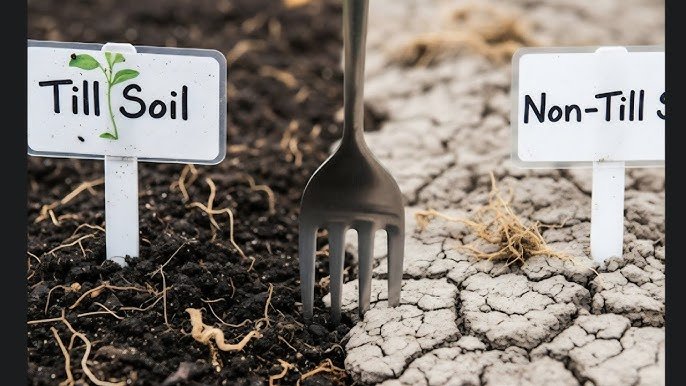
Are you wondering whether you should till your soil or leave it untouched? This simple decision can make a big difference in the health of your garden and the success of your plants.
Tilling might seem like the easy way to prepare your soil, but skipping it could actually bring surprising benefits. By understanding the true impact of tilling, you can choose the best method for your soil, save time, and grow stronger plants.
Keep reading to discover which option suits your garden and how it can boost your results.
Benefits Of Tilling Soil
Tilling soil means turning it over before planting. It helps prepare the ground for seeds and plants.
Tilling can improve soil health and make gardening easier. It has some clear benefits for farmers and gardeners.
Improved Soil Aeration
Tilling breaks up compacted soil. This allows air to reach plant roots more easily.
Good air flow helps roots grow strong. It also supports helpful microorganisms in the soil.
Enhanced Nutrient Mixing
Tilling mixes nutrients evenly throughout the soil. This helps plants access food they need to grow.
It also spreads organic matter like compost or manure. This improves soil fertility and plant health.
Weed Control Advantages
Tilling helps remove weeds by pulling them out of the soil. It can also bury weed seeds deep below.
Less weed growth means plants get more water and nutrients. This can improve crop yields and garden health.

Credit: www.no-tillfarmer.com
Drawbacks Of Tilling
Tilling is a common farming practice that breaks up soil. It can prepare the land for planting crops.
Still, tilling has some drawbacks that affect soil health and farming success. It can harm the land in many ways.
Soil Structure Damage
Tilling breaks apart soil clumps and weakens its natural structure. This can make soil less stable and healthy.
Good soil structure helps roots grow and holds nutrients. Tilling can destroy this structure and lower soil quality.
Increased Erosion Risks
When soil is tilled, it becomes loose and more likely to wash away. Rain and wind can remove the topsoil easily.
Topsoil loss reduces land fertility and can cause problems for nearby water bodies. It harms the environment.
Loss Of Soil Moisture
Tilling exposes soil to air and sunlight. This can dry out the soil faster than no-till farming.
Dry soil makes it harder for plants to get water. This can reduce crop growth and yield.
Advantages Of No-till Farming
No-till farming helps keep soil healthy by avoiding deep digging. It saves time and money on work and fuel. This method also helps the soil hold water better.
Farmers use no-till to grow crops while protecting the land. It supports nature and reduces harm to the soil’s structure.
Soil Health Preservation
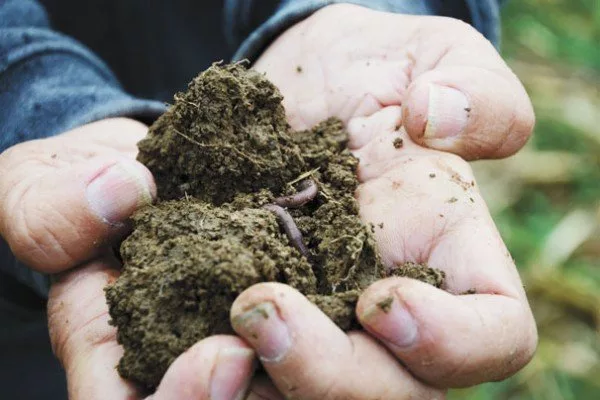
No-till farming keeps soil covered with plant remains. This cover stops erosion and protects tiny soil animals. It helps keep the soil soft and full of nutrients.
Not turning the soil keeps important fungi and bacteria alive. These organisms help plants get food and grow strong.
Reduced Labor And Fuel Costs
No-till needs fewer trips with heavy machines. This means less fuel is used and fewer hours are spent working the land.
- Less plowing and tilling saves time
- Lower fuel use cuts expenses
- Machines last longer with less wear
- Less soil compaction from fewer passes
Better Water Retention
No-till farming improves the soil’s ability to keep water. Crop residues on the surface slow water loss. This helps plants get enough moisture during dry times.
| Benefit | Effect on Water |
| Soil Cover | Reduces evaporation |
| Soil Structure | Increases water infiltration |
| Organic Matter | Improves water holding capacity |
Challenges Of No-till Methods
No-till farming avoids turning the soil. It can save time and reduce erosion. Still, it brings some challenges farmers should know.
These challenges include managing weeds, using special equipment, and handling the change period from tilling to no-till.
Weed Management Issues
No-till fields often have more weeds because the soil is not disturbed. This makes weed seeds stay near the surface and grow easily.
- Weeds may grow faster and crowd crops.
- Herbicide use might increase to control weeds.
- Mechanical weed control is harder without tillage.
- Weeds can develop resistance to herbicides over time.
Equipment Requirements
No-till farming needs special tools that plant seeds without turning soil. This gear is often more expensive and requires care.
| Equipment Type | Purpose | Notes |
| No-till Drill | Plant seeds directly | Needs sharp discs to cut residue |
| Strip-till Tool | Loosen narrow strips of soil | Helps with seed placement |
| Herbicide Sprayer | Control weeds chemically | Must be precise to avoid damage |
Transition Period Considerations
Changing from till to no-till takes time. Farmers may see lower yields at first and must learn new practices.
Key points during transition:
- Soil structure improves slowly over years.
- Weeds and pests may increase initially.
- Patience is needed to see benefits.
- Crop rotation helps reduce problems.
Factors Influencing The Choice
Deciding whether to till or not till soil depends on many factors. Each factor affects soil health and crop growth differently.
Understanding these factors helps farmers choose the best method for their land and plants.
Soil Type And Condition
Soil texture and structure affect how well tilling works. Sandy soils drain water fast and may lose nutrients if tilled too much. Clay soils hold water and nutrients but can become compacted without tilling.
- Loamy soil usually benefits from light tilling to mix nutrients.
- Heavy clay soil may need tilling to break hard layers.
- Sandy soil may do better with no-till to keep moisture.
Crop Selection
Different crops react differently to tilling. Root crops like carrots and potatoes grow well in tilled soil. Grains and grasses often do well without tilling.
| Crop Type | Preferred Soil Method | Reason |
| Root Crops | Tilled | Looser soil helps root growth |
| Grains | No-till | Protects soil and retains moisture |
| Legumes | Either | Adapt well to both methods |
Climate And Weather Patterns
Climate plays a big role in tilling decisions. In wet areas, tilling can cause soil erosion. Dry areas may need tilling to break crusts and hold rainwater.
- Avoid tilling before heavy rains to reduce erosion.
- Use no-till in dry regions to keep soil moisture.
- Adjust tilling depth based on seasonal weather.
Credit: www.covercropstrategies.com
Expert Tips For Effective Soil Management
Soil management is key for healthy plants. Understanding when to till or not can help your garden thrive.
Both tilling and no-till methods have their benefits. Knowing how to combine them improves soil health.
Combining Tilling And No-till Approaches
Tilling breaks up compacted soil, making planting easier. However, no-till methods preserve soil structure and moisture.
Using both methods gives balance. You can till occasionally to prepare for new crops, then switch to no-till to maintain soil health.
- Till soil in spring for new planting
- Use no-till during summer to prevent erosion
- Alternate methods to suit crop needs
Incorporating Cover Crops
Cover crops protect soil from erosion. They also improve soil nutrients and structure.
Plant cover crops like clover or rye during the off-season. These plants add organic matter and prevent weeds.
- Choose cover crops suited to your climate
- Plant after harvesting main crops
- Turn cover crops into the soil for added nutrients
Monitoring Soil Health Regularly
Check soil health often to ensure it meets plant needs. Testing helps you know if nutrients are lacking.
Use simple soil tests from gardening stores. These tests show pH levels and nutrient content.
| Soil Component | Ideal Range |
| pH Level | 6.0 to 7.5 |
| Nitrogen | 20 to 40 ppm |
| Phosphorus | 30 to 50 ppm |

Credit: www.no-tillfarmer.com
Frequently Asked Questions
What Are The Benefits Of Tilling Soil?
Tilling loosens soil, improves aeration, and helps mix nutrients. It also controls weeds and prepares a smooth seedbed for planting.
Does Tilling Harm Soil Health?
Excessive tilling can harm soil structure, reduce organic matter, and disrupt beneficial organisms. Minimal or no-till methods preserve soil health better.
When Is The Best Time To Till Soil?
Tilling is best done when soil is moist but not wet. This prevents compaction and allows easier root growth for plants.
How Does No-till Farming Affect Crop Yield?
No-till farming can increase soil moisture retention and reduce erosion. It may improve yields over time by enhancing soil quality.
Conclusion
Choosing whether to till soil depends on your garden’s needs. Tilling can help mix nutrients and prepare the ground. Not tilling protects soil life and reduces erosion. Think about your plants, soil type, and weather. Small gardens may benefit from no-till methods.
Big farms might need tilling for better growth. Try both ways on a small patch first. Watch how your soil and plants react. The best choice supports healthy soil and good harvests. Keep learning and adapting to find what works best.
