
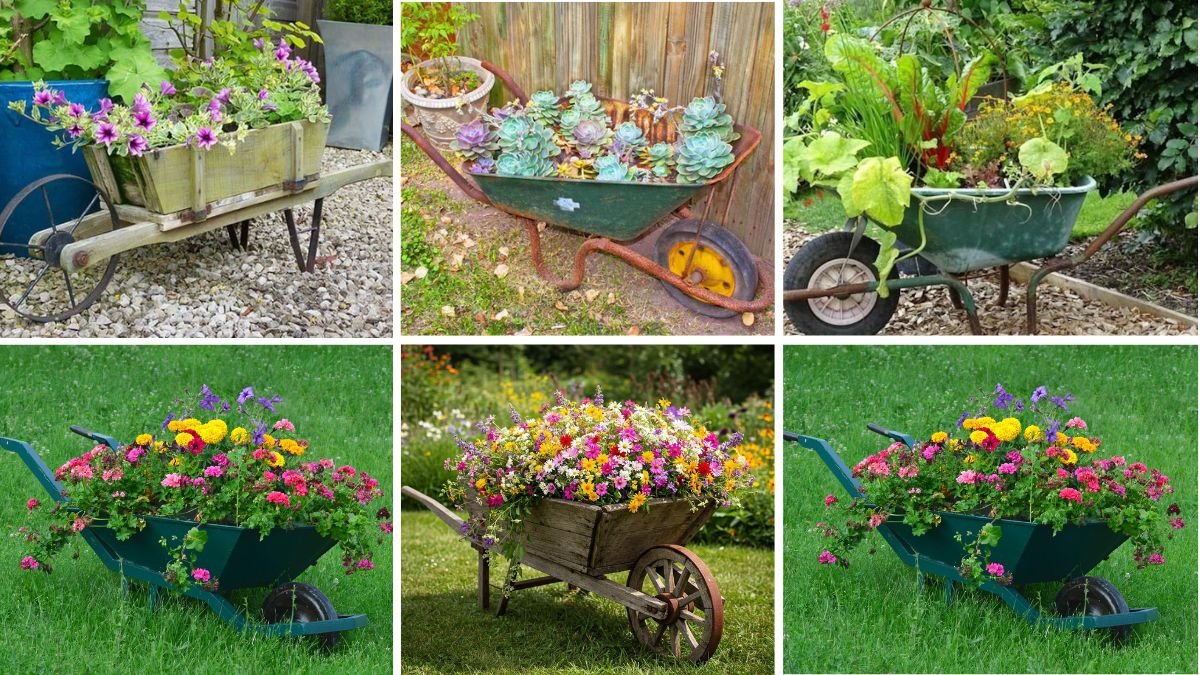
Are you tired of struggling to carry heavy soil, plants, and tools around your garden? Using a wheelbarrow can make your gardening tasks easier, faster, and even more enjoyable.
But if you’re not sure how to use it properly, you might end up frustrated or injured. You’ll discover simple tips and tricks to handle your wheelbarrow like a pro. Keep reading, and you’ll learn how to save time, protect your back, and get more done in your garden with less effort.
Your gardening experience is about to get a whole lot better!

Credit: www.shutterstock.com
Choosing The Right Wheelbarrow
A wheelbarrow is a helpful tool for gardening. It makes moving soil, plants, and tools easier.
Choosing the right wheelbarrow depends on your gardening needs. Think about the types, material, and size.
Types Of Wheelbarrows
There are several types of wheelbarrows. Each type suits different gardening tasks.
- Standard wheelbarrows:Have one wheel and are easy to steer.
- Two-wheel wheelbarrows:Offer more balance but less maneuverability.
- Electric wheelbarrows:Use battery power to reduce effort.
Material And Durability
Wheelbarrows come in different materials. The material affects weight and strength.
| Material | Advantages | Disadvantages |
| Steel | Strong and durable | Heavy and can rust |
| Plastic | Lightweight and rustproof | Less durable under heavy loads |
| Aluminum | Light and rust-resistant | Can bend under heavy weight |
Size And Capacity
Choose a size that fits your garden tasks. Consider the capacity and weight you can handle.
- Small wheelbarrows hold less but are easier to push.
- Large wheelbarrows carry more but need more strength.
- Balance capacity with your physical ability.
Preparing Your Wheelbarrow
Using a wheelbarrow makes gardening tasks easier. It helps carry soil, plants, and tools around your garden.
Before you start, prepare your wheelbarrow. This ensures it works well and lasts longer.
Inspecting For Damage
Check your wheelbarrow for any damage before use. Look for cracks, rust, or loose parts.
Inspect the tray, frame, and wheel carefully. Fix small problems to avoid bigger issues later.
- Look for holes or dents in the tray
- Check the frame for rust or bends
- Make sure bolts and screws are tight
- Examine the wheel for cracks or flat spots
Adjusting Handles And Tires
Adjust the handles to fit your height and strength. This makes pushing easier and safer.
Check the tire pressure if your wheelbarrow has an inflatable tire. Proper pressure helps smooth movement.
- Loosen handle bolts to change handle position
- Inflate tires to the recommended pressure
- Replace worn or damaged tires
- Grease wheel bearings for smooth rotation
Adding Accessories
Adding accessories can make your wheelbarrow more useful. Choose items that fit your gardening needs.
Some common accessories include tool holders and liners. These help organize and protect your wheelbarrow.
- Tool holders keep shovels and rakes handy
- Plastic liners protect the tray from dirt
- Rain covers keep your tools dry
- Reflectors improve visibility in low light
Loading Techniques
Using a wheelbarrow properly helps make gardening tasks easier and safer. Loading it the right way improves balance and control. This guide covers key loading techniques to keep your wheelbarrow steady and efficient.
Focus on how to balance the load, avoid overloading, and secure loose items. These steps protect you and your tools while moving soil, plants, and other garden materials.
Balancing The Load
Place heavy items close to the wheelbarrow’s center, near the wheel. This keeps the wheelbarrow stable and easy to push. Spread the load evenly from side to side to avoid tipping.
- Put heavy soil or rocks near the front
- Distribute lighter items like plants evenly
- Keep the weight balanced on both sides
- Check the load before moving
Avoiding Overloading
Do not fill the wheelbarrow beyond its capacity. Overloading makes it hard to control and may cause strain or injury. Keep loads manageable for your strength and the wheelbarrow’s limits.
| Load Type | Recommended Max Weight |
|---|---|
| Soil or Compost | 100 lbs (45 kg) |
| Plants or Seedlings | 50 lbs (23 kg) |
| Tools and Supplies | 60 lbs (27 kg) |
Securing Loose Items
Loose items can fall out while moving. Tie or cover them to keep everything in place. Use ropes, nets, or tarps to secure loads safely.
Tips to secure items:
- Use bungee cords to hold tools tightly.
- Cover soil or mulch with a tarp to prevent spills.
- Place small items in a container before loading.
- Check and tighten all ties before moving.
Safe Maneuvering Tips
Using a wheelbarrow makes gardening easier by carrying heavy loads. Safety is important to avoid injury and damage. Good technique helps you control the wheelbarrow well.
These tips focus on how to hold, move, and handle the wheelbarrow safely on different ground types and slopes.
Proper Grip And Posture
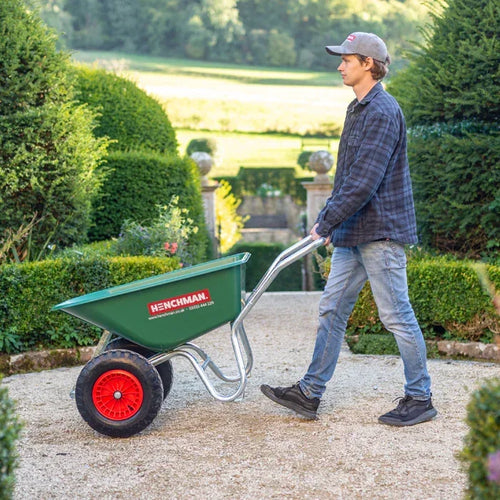
Hold the wheelbarrow handles firmly with both hands. Keep your back straight and bend your knees when lifting. Stand with feet shoulder-width apart for balance.
- Grip handles near the ends for better control
- Keep arms slightly bent, not locked
- Lift with your legs, not your back
- Keep your head up and look forward
Navigating Different Terrains
Gardens have many ground types like soil, grass, or gravel. Each surface needs careful handling to keep balance and avoid slipping.
| Terrain | Tip |
|---|---|
| Soil | Move slowly to avoid sinking |
| Grass | Watch for wet or slippery spots |
| Gravel | Push gently to keep control |
| Concrete | Use steady speed to prevent bouncing |
Handling Slopes And Obstacles
Slopes and obstacles require extra care. Balance the load and move slowly. Use your body weight to help control the wheelbarrow.
- Push uphill, keeping the load close
- Walk beside the wheelbarrow going downhill
- Stop and adjust the load if it shifts
- Lift handles slightly to clear obstacles
- Check the path before moving
Maintaining Your Wheelbarrow
Taking care of your wheelbarrow helps it last longer. Regular maintenance keeps it working well in your garden.
Simple steps like cleaning, checking tires, and storing it properly can prevent damage and rust.
Cleaning After Use
Remove dirt and debris from your wheelbarrow after each use. This stops rust and keeps it looking good.
Use a garden hose or a brush to clean the tray and handles. Dry it well to avoid water damage.
- Rinse off soil and plant material
- Scrub tough spots with a brush
- Wipe dry with a clean cloth
Tire Maintenance
Check the tire pressure regularly if your wheelbarrow has a pneumatic tire. Proper pressure helps it roll smoothly.
Look for signs of wear or damage. Replace the tire if it is cracked or flat beyond repair.
- Use a tire gauge to check air pressure
- Inflate tires to the recommended level
- Inspect tires for punctures or cracks
- Replace tires if they are worn out
Storage Best Practices
Store your wheelbarrow in a dry, covered place to protect it from weather. This prevents rust and damage.
Keep it off the ground and tip it on its side to avoid water collecting inside the tray.
- Place wheelbarrow under a shelter or in a shed
- Keep it upright or tipped on its side
- Avoid leaving it outside in rain or snow
- Cover it with a tarp if no shelter is available

Credit: www.amazon.in
Maximizing Efficiency
Using a wheelbarrow in gardening can save time and effort. It helps carry tools, soil, and plants quickly across your garden.
Learn how to make the most of your wheelbarrow by planning routes and using it for multiple tasks.
Planning Your Garden Routes
Plan your garden routes to reduce time and energy spent moving around. This helps in covering more ground with less effort.
| Task | Optimal Route |
| Watering | Start from the far end and work towards the exit |
| Planting | Work in sections, completing one before moving on |
| Weeding | Follow a grid pattern to ensure thorough coverage |
Using Wheelbarrow For Multiple Tasks
A wheelbarrow can be your best friend for various tasks in the garden. It allows you to carry heavy loads with ease.
- Transporting soil and compost
- Carrying gardening tools
- Moving plants and pots
- Collecting weeds and debris
Time-saving Tips
Make your gardening more efficient by using these time-saving tips. These strategies ensure that you spend less time on each task.
Consider marking your wheelbarrow with custom compartments for different tools. This keeps everything organized and within reach.
Credit: www.henchman.co.uk
Frequently Asked Questions
What Is The Best Way To Load A Wheelbarrow?
Load heavier items first to balance weight evenly. Avoid overloading to maintain control and reduce strain while pushing.
How Do I Maintain My Gardening Wheelbarrow?
Clean after each use to prevent rust. Check tire pressure regularly and lubricate moving parts for smooth operation.
Can A Wheelbarrow Carry Wet Soil Effectively?
Yes, a wheelbarrow can transport wet soil. Avoid overfilling to prevent spills and ensure easy maneuvering in the garden.
How Do I Choose The Right Wheelbarrow For Gardening?
Select a wheelbarrow with a sturdy frame and a comfortable grip. Choose a single wheel for maneuverability or dual wheels for stability.
Conclusion
Using a wheelbarrow makes gardening easier and faster. You can carry soil, plants, and tools with less effort. It saves your back from heavy lifting. Keep the wheelbarrow balanced to avoid spills. Clean it after use to keep it working well.
With practice, you will move materials smoothly. A wheelbarrow is a helpful tool for any gardener. Try these tips and enjoy your gardening tasks more.
