
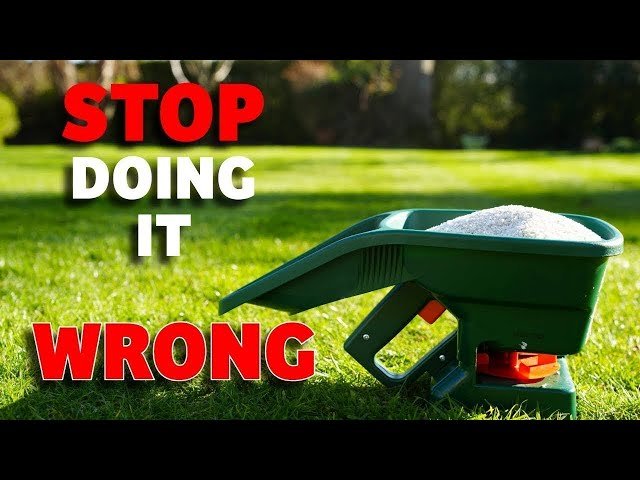
Are you wondering if a spreader is the right tool for planting your grass seed? You’re not alone.
Getting your lawn to grow thick and green starts with how you spread the seed. Using the wrong method can lead to patchy growth and wasted seed. But what if there’s a simple way to make sure your grass seed lands evenly and grows strong?
Keep reading, because understanding how and when to use a spreader could change the way your lawn looks forever.
Types Of Spreaders
Using the right spreader helps you plant grass seed evenly. There are different types of spreaders for various needs.
Each spreader type works best in certain situations. Knowing the difference can improve your lawn care.
Broadcast Spreaders
Broadcast spreaders throw seeds in a wide pattern. They cover large areas quickly. These spreaders are good for big lawns.
They spin a disk to scatter seed far and wide. You can adjust the width and seed amount. This helps to avoid clumps.
Drop Spreaders
Drop spreaders drop seeds straight down in a narrow path. They give more control over seed placement. This helps in small or precise areas.
- Work well near sidewalks and flower beds
- Reduce seed waste by limiting spread
- Allow uniform seed coverage
Handheld Spreaders
Handheld spreaders are small and light. You hold them and walk to spread seed. They are best for very small patches.
| Type | Best Use | Coverage Area |
| Broadcast Spreader | Large lawns | Wide area |
| Drop Spreader | Precise areas | Narrow path |
| Handheld Spreader | Small patches | Limited area |
Credit: www.grassseedonline.co.uk
Choosing The Right Spreader For Grass Seed
Using a spreader helps you plant grass seed evenly. Picking the right spreader makes the job easier and better.
There are different spreaders for different seeds and lawn sizes. It is important to match the spreader to your needs.
Seed Size And Spreader Compatibility
Grass seeds come in many sizes. Some spreaders work better with small seeds, others with bigger ones.
Drop spreaders release seeds directly below, good for large seeds. Broadcast spreaders scatter seeds widely, better for small seeds.
- Small seeds need spreaders with fine adjustment
- Large seeds require spreaders with bigger openings
- Check seed package for spreader recommendations
Lawn Size Considerations
Think about how big your lawn is before choosing a spreader. Larger lawns need spreaders that cover more ground fast.
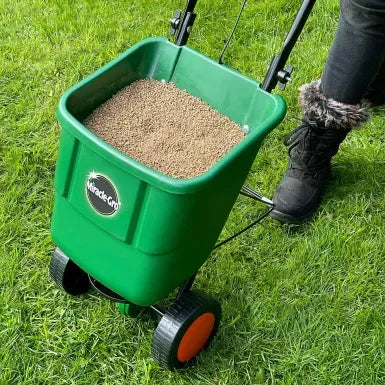
Handheld spreaders work well for small lawns. Walk-behind spreaders are better for medium to large lawns.
- Small lawns: handheld spreaders
- Medium lawns: walk-behind push spreaders
- Large lawns: tow-behind or motorized spreaders
Budget And Durability
Spreader prices vary a lot. Think about how often you will use it before buying.
Cheaper spreaders may wear out fast. Durable spreaders cost more but last longer and work better.
- Low budget: basic handheld spreaders
- Mid budget: sturdy walk-behind spreaders
- High budget: heavy-duty or motorized spreaders
- Look for rust-proof parts for longer life
Preparing Your Lawn For Seeding
Planting grass seed starts with good preparation. A healthy lawn needs a strong foundation. Preparing the soil and ground helps seeds grow well.
Use a spreader to spread grass seed evenly. Before seeding, prepare the lawn in three main ways. Each step makes sure seeds can root and grow.
Soil Testing And Preparation
Test your soil to check its nutrients and pH level. This helps you know what to add to make the soil good for grass. Add lime if the soil is too acidic. Add fertilizer if nutrients are low.
- Collect soil samples from different spots
- Send samples to a lab or use a home test kit
- Check pH and nutrient levels
- Add lime or fertilizer based on results
- Mix amendments into the soil
Clearing Debris And Thatching
Remove leaves, sticks, and old grass from your lawn. Thatch is dead grass that blocks water and nutrients. Use a rake or dethatcher tool to clear it. This opens the soil for seed to contact the ground.
| Tool | Use |
| Rake | Remove leaves and small debris |
| Dethatcher | Pull out thick thatch layer |
| Lawn Mower | Cut tall grass before clearing |
Leveling The Ground
Make the ground smooth and flat. Uneven areas cause water to pool or run off. Use a rake or lawn roller to level the soil. This helps seeds stay in place and grow evenly.
- Fill low spots with soil
- Remove large rocks and clumps
- Rake the soil to smooth it
- Press the soil lightly with a roller
- Check for evenness by eye or with a board
Spreader Settings For Grass Seed
Using a spreader helps you plant grass seed evenly. Setting it right is important for good growth.
This guide explains how to set your spreader for the best results with grass seed.
Calibrating Spread Rate
Calibrate your spreader before planting. This helps you know how much seed you use per area.
- Fill the spreader with a small amount of seed.
- Measure a test patch of lawn.
- Spread seed over the test patch.
- Weigh how much seed you used.
- Adjust the spreader settings based on your results.
Adjusting For Seed Type
Different grass seeds need different spreader settings. Seed size and weight change how they spread.
| Seed Type | Recommended Setting |
| Fine Grass Seed | Lower spread rate |
| Coarse Grass Seed | Higher spread rate |
| Mixed Seed | Medium spread rate |
Avoiding Overseeding And Underseeding
Too much or too little seed can hurt your lawn. Set your spreader to avoid these problems.
- Check the seed bag for the right amount per square foot.
- Use the spreader calibration to match that amount.
- Walk at a steady pace to spread seed evenly.
- Overlap your passes slightly to cover all areas.
Techniques For Using A Spreader
Using a spreader can make planting grass seed easier and more efficient. It helps to evenly distribute the seeds over your lawn.
Proper techniques ensure that your lawn grows lush and green. Below are tips on how to use a spreader effectively.
Walking Patterns For Even Coverage
Walking in a systematic pattern helps to cover your lawn evenly. This prevents areas from being too sparse or dense.
- Start by walking around the perimeter of the area.
- Move in straight lines back and forth across the lawn.
- Overlap each pass slightly to ensure full coverage.
Avoiding Overlap And Missed Spots
To avoid overlap and missed spots, keep a steady pace and consistent spreader settings. Adjust the spreader settings as needed for different areas.
| Problem | Solution |
| Overlap | Use markers like flags to guide your path. |
| Missed Spots | Check your work and reseed if necessary. |
Weather Conditions To Consider
Weather plays a big role in the success of seeding. Choose a calm day to prevent seeds from blowing away.

Credit: www.lowes.com
After Seeding Care
After spreading grass seed, proper care helps your lawn grow strong. You need to water, fertilize, and protect new grass carefully.
Good after seeding care improves seed germination and root development. Each step plays a key role in healthy grass.
Watering Schedules
Keep the soil moist but not soaked to help seeds sprout. Water lightly several times a day at first.
- Water 2-3 times daily for the first two weeks
- Reduce to once daily after sprouts appear
- Water deeply a few times per week as grass grows
- Avoid overwatering to prevent seed washout
Fertilizing Tips
Fertilizer gives new grass the nutrients it needs. Use a starter fertilizer that is high in phosphorus.
| Type of Fertilizer | When to Apply | Benefit |
| Starter Fertilizer | At seeding | Boosts root growth |
| Balanced Fertilizer | 3-4 weeks after germination | Supports leaf growth |
| Slow-Release Fertilizer | 6-8 weeks after germination | Maintains steady nutrition |
Protecting New Grass
New grass is fragile and needs protection from damage. Avoid heavy foot traffic and pets on the area.
- Keep children and pets off the seeded area
- Use light mulch to retain moisture and heat
- Remove weeds carefully to avoid disturbing grass
- Mark the area with flags or stakes if needed
Common Mistakes To Avoid
Using a spreader for grass seed is common in lawn care. Mistakes can lead to uneven growth or wasted seed.
Here are some errors to watch out for when using a spreader.
Using The Wrong Spreader
Choosing the right spreader is important for even distribution. Different spreaders are made for different needs.
Using a drop spreader on a large lawn can be time-consuming. A broadcast spreader is better for bigger areas.
- Broadcast spreaders cover large areas quickly
- Drop spreaders offer precise control for small spaces
- Handheld spreaders are great for small patches
Incorrect Spreader Settings
Spreader settings must match the seed type and lawn size. Incorrect settings lead to waste or patchy areas.
Check the seed bag for recommended settings. Test your spreader on a small patch first.
- Set the spreader according to seed type
- Test settings on a small area
- Adjust as needed for even coverage
Seeding At The Wrong Time
Timing is crucial for planting grass seed. Seasons affect germination and growth rates.
Cool-season grasses should be planted in early fall or spring. Warm-season grasses do best in late spring or early summer.
| Cool-season grasses | Early fall or spring |
| Warm-season grasses | Late spring or early summer |

Credit: lawnlove.com
Frequently Asked Questions
Can You Use A Spreader For Grass Seed?
Yes, a spreader is ideal for evenly distributing grass seed. It ensures consistent coverage and promotes uniform growth.
What Type Of Spreader Works Best For Grass Seed?
A broadcast or drop spreader works best. They offer precise seed control and prevent clumping or waste.
How Do You Set A Spreader For Grass Seed?
Check seed packaging for recommended settings. Adjust spreader speed and opening size for even seed distribution.
Can A Spreader Damage Grass Seed?
No, using a spreader properly won’t damage seeds. Avoid overloading to prevent seed crushing or uneven spreading.
Conclusion
Using a spreader for grass seed helps you cover your lawn evenly. It saves time and effort compared to hand spreading. Choose the right spreader type for your seed and lawn size. Adjust the settings to avoid putting too much seed in one spot.
Water the seeded area gently after spreading to help seeds grow. With care, your lawn will grow green and thick. Spreading grass seed this way makes lawn care easier and more effective. Give your grass the best chance to grow strong and healthy.
