
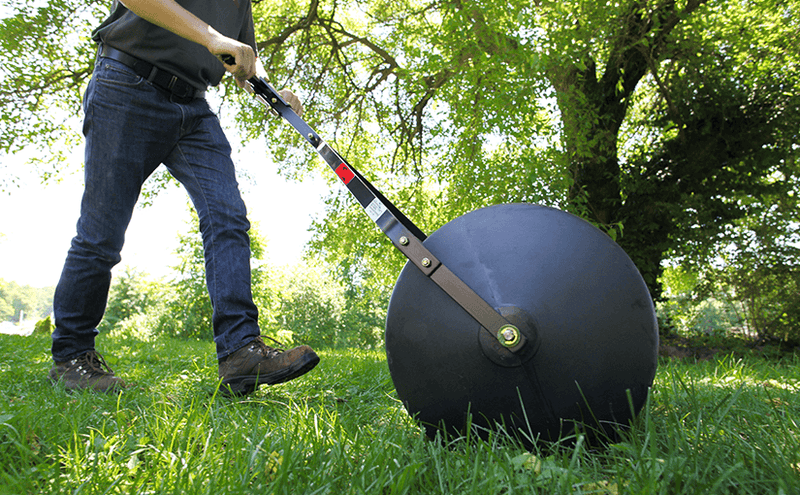
Are you looking to give your lawn that smooth, polished look but don’t know where to start? Using a lawn roller can make a big difference, but if you’re new to it, you might feel unsure about how to get the best results.
Don’t worry—this guide will walk you through simple, effective tips to help your lawn look its best. By the end, you’ll feel confident and ready to roll your way to a healthier, more even yard. Keep reading to discover the secrets that will save you time and effort while making your lawn stand out.

Credit: www.youtube.com
Choosing The Right Lawn Roller
Using a lawn roller helps flatten your yard and improve soil contact. Picking the right roller makes the job easier and protects your lawn.
Think about the size, weight, and type of roller that fits your lawn and tools. This guide helps beginners choose well.
Types Of Lawn Rollers
Lawn rollers come in different types for various jobs. Some are filled with water or sand for weight. Others are solid metal or plastic.
- Water-filled rollers are lighter when empty and easy to move.
- Sand-filled rollers are heavier but harder to refill.
- Solid rollers are heavy and good for large areas.
- Manual rollers need you to push, while tractor rollers attach to machines.
Size And Weight Considerations
Pick a roller size that matches your lawn area. Small rollers fit yards under 1,000 square feet. Larger rollers work well on bigger lawns.
The weight affects how well the roller flattens the soil. Light rollers are easy to push but less effective. Heavy rollers press the soil better but can damage soft lawns.
- Small and light rollers for small lawns and delicate grass
- Medium weight rollers for general lawn use
- Heavy rollers for large areas and uneven soil
Material Options
Lawn rollers come in different materials. Each material affects durability, weight, and cost.
Steel rollers are strong and last long but can rust. Plastic rollers resist rust and are lighter but may break easier.
- Steel: durable, heavy, may rust without care
- Plastic: rust-free, lightweight, less durable
- Aluminum: light and rust-resistant but more expensive
Preparing Your Lawn
Preparing your lawn before rolling helps get the best results. A smooth lawn looks better and grows well.
Rolling your lawn at the right time and in the right way improves soil contact and seed growth.
Clearing Debris
Remove sticks, stones, and leaves from the lawn. Debris can block the roller and damage the grass.
Clearing debris also helps the roller press the soil evenly for a flat surface.
- Rake the lawn to gather leaves and small branches
- Pick up large stones by hand
- Check for hidden objects like toys or garden tools
Mowing Before Rolling
Mow your lawn before rolling to make the grass short and even. This helps the roller work better.
Cutting the grass too short can hurt it. Leave about 2 to 3 inches tall for best results.
- Use a sharp mower blade for clean cuts
- Avoid mowing wet grass to prevent damage
- Remove clippings or spread them evenly
Moisture Levels To Check
Check the soil moisture before rolling. The soil should be damp but not wet or dry.
Rolling on dry soil can cause poor contact. Too much water can lead to soil compaction.
- Test soil by squeezing a handful: it should hold shape but not drip water
- Water the lawn a day before rolling if the soil is dry
- Avoid rolling right after heavy rain
Using The Lawn Roller Effectively
Using a lawn roller can help create a smooth, even lawn surface. It presses down bumps and helps new seed settle well in the soil.
Knowing when and how to roll your lawn is important. Rolling at the right time and with the right technique keeps grass healthy.
When To Roll Your Lawn
Roll your lawn after planting new grass seed or laying sod. This helps the seed or sod stay in contact with the soil. Avoid rolling wet or very dry lawns. The best time is when the soil is moist but not soggy.
Rolling Techniques
Use smooth, slow passes over the lawn. Roll in different directions to press the soil evenly. Avoid rolling over the same area many times.
- Start at one edge of the lawn.
- Roll straight across to the other side.
- Turn 90 degrees and roll back the other way.
- Make sure the roller is not too heavy for your soil type.
- Empty water from the roller if it is adjustable.
Avoiding Common Mistakes
| Mistake | Effect | How to Avoid |
|---|---|---|
| Rolling on wet soil | Soil compaction and damage | Roll only when soil is dry or slightly moist |
| Overusing the roller | Crushing grass roots | Limit rolling to a few passes per area |
| Using too heavy roller | Soil damage and poor grass growth | Choose roller weight based on soil type |
| Rolling on uneven ground | Uneven soil compaction | Fill holes and level ground before rolling |

Credit: www.reddit.com
Maintaining Your Lawn Roller
Keeping your lawn roller in good shape helps it last longer. Regular care makes rolling easier and protects your grass.
This guide covers cleaning, storage, and fixing common problems with your lawn roller.
Cleaning Tips
Clean your lawn roller after each use. Dirt and grass can build up and cause damage.
- Rinse the roller with water to remove mud.
- Use a brush to scrub off stuck grass.
- Dry the roller fully to stop rust.
- Check for dents or cracks while cleaning.
Storage Best Practices
Store your lawn roller in a dry place to keep it safe from weather damage. Cover it if you can.
| Storage Tip | Reason |
| Keep off the ground | Prevents moisture damage |
| Cover with a tarp | Keeps dust and rain away |
| Store upright | Saves space and avoids dents |
| Check regularly | Spot problems early |
Troubleshooting Issues
If your roller does not roll smoothly or leaks, fix it quickly to avoid more damage.
- Roller sticks:Clean debris and lubricate moving parts.
- Air leaks (for inflatable rollers):Patch holes using a repair kit.
- Handle loose:Tighten bolts or replace worn parts.
Benefits Of Lawn Rolling
Lawn rolling is a helpful task for many gardeners. It uses a heavy roller to press the soil and grass. This simple step makes your lawn look better and grow healthier.
Using a lawn roller can fix small bumps and help seeds grow strong. It also helps the soil stay firm and even. Let’s explore some key benefits of lawn rolling for beginners.
Improved Soil Contact
Lawn rolling pushes the soil and grass closer together. This tight contact helps the roots get more nutrients and water. It also stops air pockets from forming under the grass.
Good soil contact is important for a healthy lawn. It helps the grass grow thicker and stronger over time.
Leveling Uneven Areas
Many lawns have bumps or low spots that make mowing hard and look uneven. Lawn rolling smooths these areas. It presses down high spots and raises low spots.
- Improves lawn appearance
- Makes mowing easier and safer
- Prevents water from pooling in low spots
- Reduces soil erosion
Regular rolling after heavy rains or construction can keep your lawn flat and neat.
Enhancing Seed Germination
After planting grass seeds, rolling helps press them into the soil. This keeps seeds from drying out or blowing away. Good seed contact with soil helps more seeds sprout.
| Benefit | Effect on Seeds |
| Pressed firmly into soil | Better moisture retention |
| Even soil surface | Uniform seed growth |
| Reduced seed displacement | Higher germination rate |
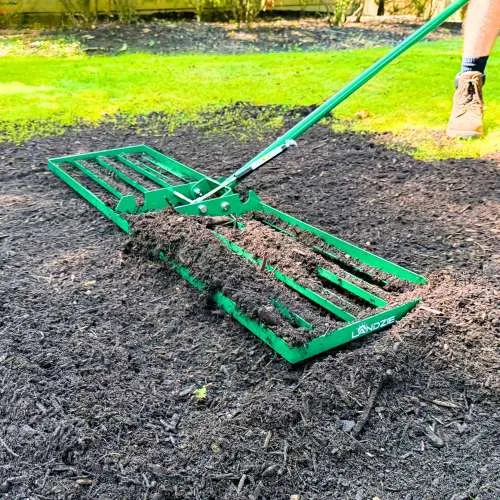
Credit: landzie.com
Safety Tips For Beginners
Using a lawn roller can help you maintain a smooth lawn. Beginners must follow safety tips for a safe experience.
Understanding how to handle equipment is crucial. Let’s explore some important safety measures.
Handling Heavy Equipment
Lawn rollers are heavy and can be hard to manage. Proper handling can prevent accidents.
- Ensure the roller is in good condition before use.
- Always push the roller; do not pull it.
- Keep your hands and feet away from the roller.
Protecting Your Back
Back injuries can occur if you do not use the right techniques. Protecting your back is vital.
Use proper lifting techniques:
- Bend your knees, not your back.
- Keep the roller close to your body.
- Lift slowly and steadily.
Using Protective Gear
Wearing protective gear reduces the risk of injury. It keeps you safe while working.
| Gear | Purpose |
| Gloves | Protect hands |
| Sturdy Shoes | Prevent slips |
| Protective Eyewear | Shield eyes from debris |
Frequently Asked Questions
What Is The Purpose Of A Lawn Roller?
A lawn roller helps to flatten uneven soil and seedbeds. It improves soil contact for seeds and enhances lawn appearance by smoothing bumps.
When Is The Best Time To Use A Lawn Roller?
Use a lawn roller after seeding or aeration, preferably in spring or fall. Avoid rolling wet or frozen soil to prevent damage.
How Often Should Beginners Use A Lawn Roller?
Beginners should roll their lawn once or twice per season. Frequent rolling can compact soil and harm grass roots.
Can A Lawn Roller Fix Bumpy Lawns?
Yes, a lawn roller can reduce bumps and uneven areas. Roll gently and gradually for effective smoothing without damaging grass.
Conclusion
Using a lawn roller helps create a smooth, even yard. Start slowly and roll in one direction for best results. Avoid rolling too often to keep your grass healthy. Check the soil moisture before you begin. Keep safety in mind while handling the roller.
With practice, your lawn will look neat and tidy. Simple steps lead to great lawn care. Try these tips to enjoy a better lawn soon.
