
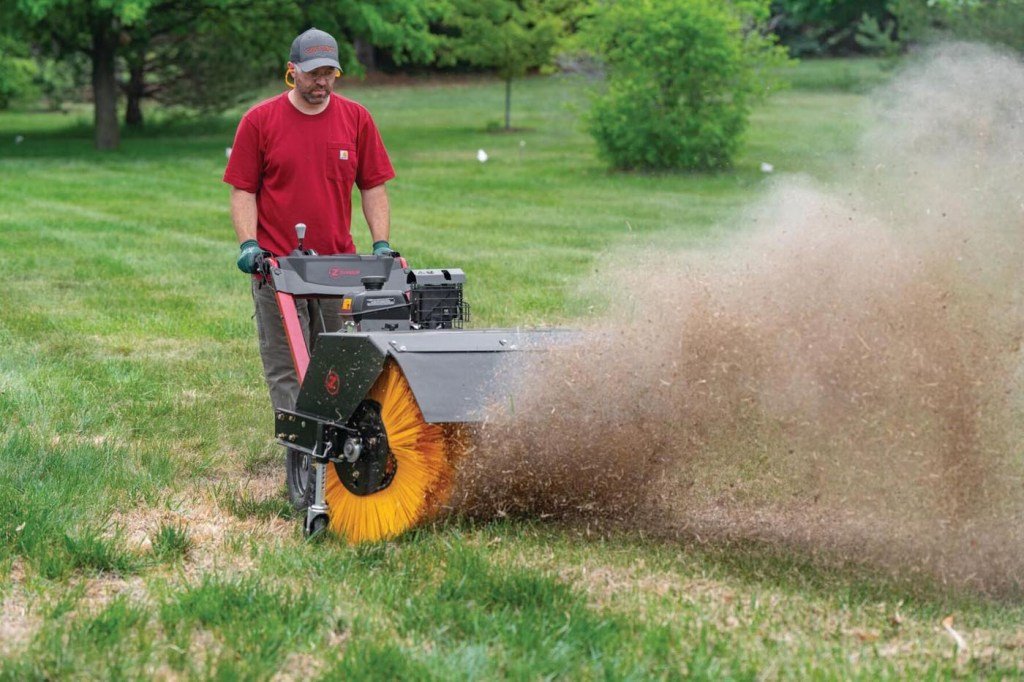
Have you ever noticed a thick layer of dead grass and debris on your lawn that just won’t seem to go away? This buildup, called thatch, can seriously harm your yard’s health without you even realizing it.
If you want your grass to grow strong, stay green, and resist pests and diseases, you need to understand why dethatching is essential. Keep reading to discover how dethatching can transform your yard and make your lawn the envy of the neighborhood.
Credit: www.yourgreenpal.com
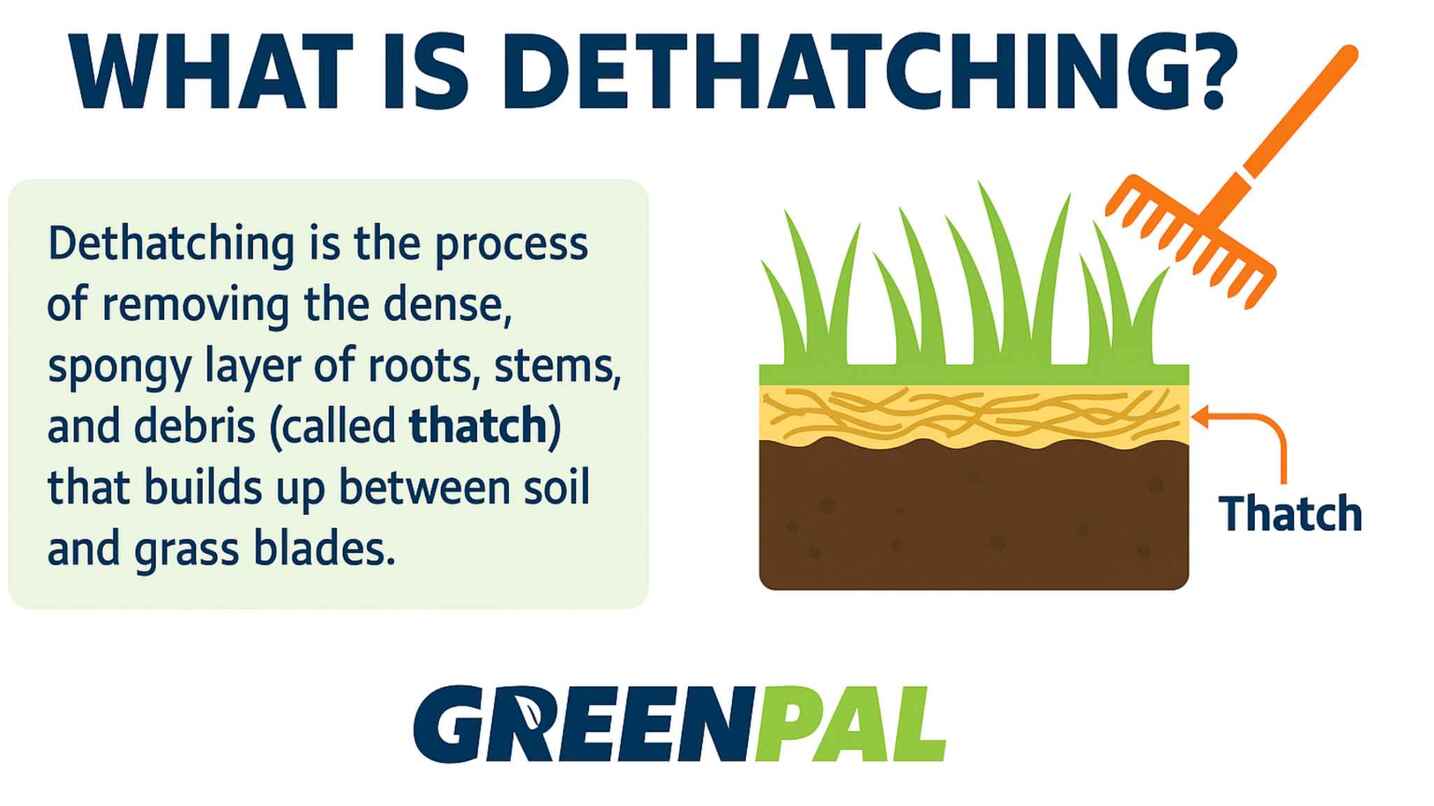
What Is Thatch In Lawns
Thatch is a layer of dead grass and roots that build up on your lawn. It forms between the green grass and the soil.
This layer can stop water and nutrients from reaching the soil. It can make your grass weak and unhealthy.
Components Of Thatch
Thatch is made up of several parts from the grass plant. These parts do not break down quickly in the soil.
- Dead grass stems
- Roots
- Rhizomes (underground stems)
- Stolons (above ground runners)
- Leaves and other organic matter
These materials pile up and form a dense layer. This layer blocks air, water, and nutrients.
How Thatch Develops
Thatch forms when the grass grows faster than it can decay. Grass clippings alone usually do not cause thatch.
Poor soil, overwatering, and too much fertilizer can speed up thatch buildup. Some grass types also create more thatch.
- Fast grass growth adds more dead material
- Soil without enough microbes slows decay
- Excess water reduces soil oxygen
- Heavy fertilizer use causes dense grass
- Warm-season grasses tend to build more thatch
Problems Caused By Excessive Thatch
Thatch is a layer of dead grass and roots on your lawn. Too much thatch can harm your yard.
It stops water, nutrients, and air from reaching the soil. This makes your grass weak.
Restricted Water Penetration
Thatch acts like a thick sponge. It holds water on top and stops it from reaching the roots.
Your lawn may look wet but the roots stay dry. This causes dry spots and brown grass.
Reduced Nutrient Absorption
Thick thatch blocks nutrients from getting to the soil. Grass roots cannot absorb what they need.
- Grass becomes weak and thin
- Growth slows down
- Lawns get patchy and dull
- Fertilizers waste money as they do not reach the roots
Increased Pest And Disease Risk
Thatch creates a warm, moist place for pests and diseases to hide and grow.
| Problem | Effect |
|---|---|
| Insects | Feed on grass and damage roots |
| Fungal Diseases | Spread quickly in thick thatch |
| Weeds | Find shelter and crowd out grass |
Benefits Of Dethatching Your Lawn
Dethatching removes the thick layer of dead grass and roots on your lawn. This layer, called thatch, blocks important things from reaching your grass.
By dethatching, your lawn can breathe better and grow stronger. This helps keep your yard green and healthy all year long.
Improved Air Circulation
Thatch stops air from reaching the soil and grass roots. When you dethatch, air moves freely to the roots.
Better air circulation helps the grass stay healthy and prevents diseases caused by poor airflow.
Enhanced Root Growth
Thick thatch layers make it hard for roots to grow deep. Removing thatch gives roots room to spread and grow stronger.
Strong roots help grass resist drought and stay green longer during dry times.
Better Water And Nutrient Uptake
Thatch can block water and nutrients from reaching the soil. Dethatching lets water soak in and nutrients reach the roots.
This helps your grass get the food and moisture it needs to grow thick and healthy.

Credit: www.familyhandyman.com
Signs Your Lawn Needs Dethatching
Dethatching is important to keep your lawn healthy. Thatch is a layer of dead grass and roots on the soil surface. Too much thatch can harm your grass.
Knowing when to dethatch helps your lawn get air, water, and nutrients. Look for signs that show your yard needs dethatching.
Spongy Or Bumpy Turf
If your lawn feels soft or bumpy underfoot, thatch may be the cause. A thick layer traps moisture and makes the soil surface uneven. This can hurt grass roots and cause weak spots.
Poor Drainage
Water that sits on your lawn for a long time means poor drainage. Thatch can block water from soaking into the soil. This leads to puddles or muddy patches that damage grass.
- Water pools on the surface after rain
- Grass looks wilted despite wet soil
- Soil feels soggy or compacted
Visible Thatch Layer Thickness
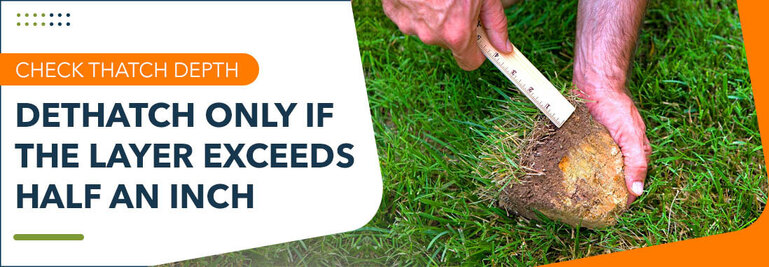
Check the thatch thickness by pulling up a small patch of grass. If the layer is thicker than half an inch, dethatching is needed. Thick thatch stops air and nutrients from reaching roots.
| Thatch Thickness | Action Needed |
| Less than 0.5 inch | Normal lawn care |
| More than 0.5 inch | Dethatch your lawn |
Methods For Dethatching
Dethatching removes thick layers of dead grass and roots from your lawn. It helps air, water, and nutrients reach the soil better.
There are several ways to dethatch your yard. Each method suits different lawn sizes and conditions.
Manual Dethatching Tools
Manual tools work well for small lawns or spots. They require physical effort but cost less than machines.
- Use a dethatching rake with sharp blades to pull up thatch.
- Rake the lawn in several directions to loosen the thatch fully.
- Collect the debris and dispose of it properly.
Power Dethatchers
Power dethatchers are machines that make the job faster and easier. They have spinning blades or tines that cut and lift the thatch.
| Type | Best For | Notes |
| Electric dethatcher | Small to medium lawns | Lightweight and easy to use |
| Gas dethatcher | Large lawns | More powerful but heavier |
| Tow-behind dethatcher | Very large lawns | Needs a tractor or lawn mower |
Using Core Aerators
Core aerators pull small plugs of soil from the lawn. This reduces thatch and helps roots get oxygen.
- Use a spike or plug aerator for your lawn size.
- Go over the lawn at least twice for good coverage.
- Leave the soil plugs on the lawn to break down naturally.
Credit: www.yourgreenpal.com
Best Time To Dethatch Your Lawn
Dethatching your lawn helps remove dead grass and roots. It makes your grass healthier and greener.
Choosing the right time to dethatch is important. The grass needs to recover quickly after dethatching.
Seasonal Considerations
Spring and early fall are the best times. The weather is cool, and grass grows fast.
In spring, dethatch when the grass starts to grow. In fall, do it before the first frost.
- Spring: March to April
- Fall: September to October
Grass Type Factors
Different grass types need different care. Cool-season grasses and warm-season grasses have unique needs.
Cool-season grasses, like fescue, do best in spring or fall. Warm-season grasses, like Bermuda, prefer late spring or early summer.
| Cool-season Grasses | Best in Spring/Fall |
| Warm-season Grasses | Best in Late Spring/Early Summer |
Aftercare Tips Post-dethatching
Dethatching your yard helps promote healthy grass by removing the layer of dead grass and debris. Proper aftercare ensures your lawn recovers quickly and stays healthy.
Follow these essential steps to nurture your lawn after dethatching. Pay attention to watering, fertilizing, and repairing any damaged areas.
Watering Strategies
Watering is crucial after dethatching. It helps the grass recover and grow strong roots. Proper watering ensures the lawn remains healthy and lush.
- Water early in the morning to reduce evaporation.
- Ensure the soil receives about 1 inch of water weekly.
- Adjust watering based on rainfall and temperature.
Fertilizing Approaches
Fertilizing provides essential nutrients that help grass recover and grow. Choose the right fertilizer and apply it correctly for best results.
| Fertilizer Type | Purpose |
| Nitrogen-rich | Promotes green growth |
| Phosphorus | Strengthens root development |
| Potassium | Improves overall health |
Seeding And Repairing
After dethatching, some areas may need reseeding. This step is essential to fill in bare patches and ensure even lawn coverage.
Common Dethatching Mistakes To Avoid
Dethatching your yard can help grass grow better by removing dead material. Yet, many make mistakes that harm the lawn instead. Avoiding these errors saves your grass and time.
Two common mistakes are over-dethatching and ignoring lawn health. Both can cause more problems than benefits if not handled well.
Over-dethatching Risks
Removing too much thatch can damage grass roots and soil. This weakens the lawn and makes it hard for grass to grow back.
- Damages the grass roots deeply
- Exposes soil to erosion and weeds
- Reduces grass growth and thickness
- Increases lawn stress during hot or dry weather
Ignoring Lawn Health Conditions
Not checking your lawn’s health before dethatching can cause damage. Some lawns need special care or should avoid dethatching at certain times.
| Condition | Effect on Dethatching | Advice |
| Wet soil | Compacts soil and harms roots | Wait for dry weather |
| Diseased grass | Spreads disease during dethatching | Treat disease before dethatching |
| New lawn | Roots are weak and shallow | Delay dethatching until grass matures |
| Thin or patchy grass | May get worse with dethatching | Focus on lawn care first |
Frequently Asked Questions
What Is Dethatching And Why Is It Important?
Dethatching removes the thick layer of dead grass and roots from your lawn. It helps air, water, and nutrients reach the soil, promoting healthy grass growth and preventing lawn diseases.
How Often Should I Dethatch My Yard?
Most lawns benefit from dethatching once every 1 to 3 years. The frequency depends on grass type, soil, and thatch thickness. Regular checks help determine if dethatching is needed.
What Are The Signs That My Lawn Needs Dethatching?
If your lawn feels spongy, has patchy growth, or water pools on the surface, it likely needs dethatching. Excessive thatch blocks essential nutrients and moisture from reaching roots.
Can Dethatching Improve Lawn Health And Growth?
Yes, dethatching improves lawn health by enhancing air and water flow to roots. It also reduces pests and diseases, resulting in a greener, thicker, and more resilient lawn.
Conclusion
Dethatching keeps your lawn healthy and green. It removes dead grass and lets air reach roots. This helps water soak in better. Grass grows stronger and looks fresh. Without dethatching, your yard can get weak and patchy. Regular care means fewer weeds and less disease.
A neat lawn makes your home look nice. Take time to dethatch and enjoy a lively yard. Simple steps lead to great results. Your grass will thank you with vibrant growth.
