
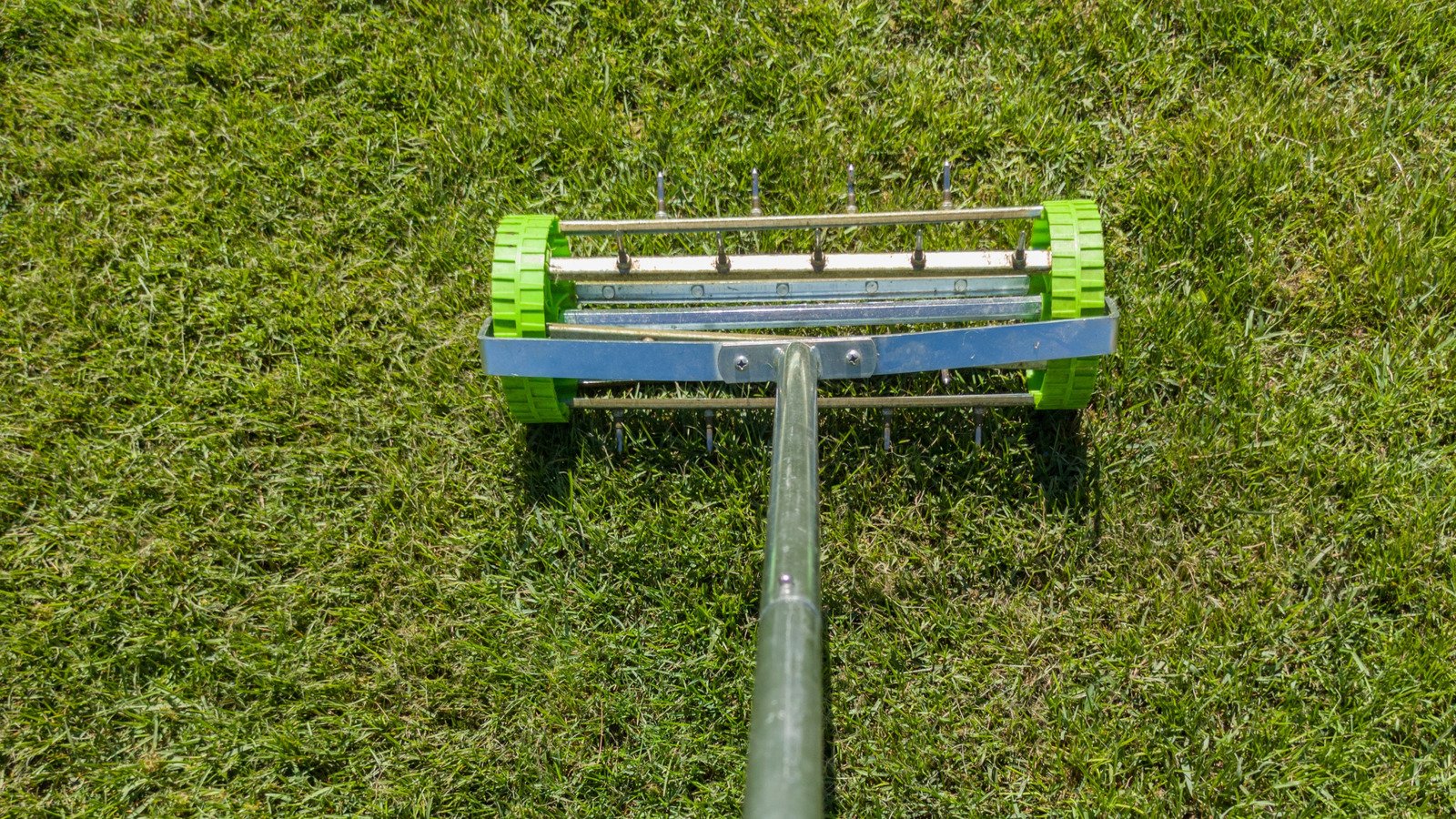
Are you wondering if you can use a roller after aerating your soil? It’s a common question for anyone who wants a healthy, lush lawn.
You want your grass to grow strong, but you also don’t want to damage the soil or undo your hard work. Understanding what happens when you roll your lawn after aeration can make a big difference in your garden’s health.
Keep reading, and you’ll discover the simple answer and the best steps to take for a vibrant lawn you’ll be proud of.

Credit: www.diy.com
Benefits Of Soil Aeration
Soil aeration helps improve the health of your lawn and plants. It creates small holes in the soil to let air, water, and nutrients reach the roots.
This process makes the soil less hard and allows roots to grow stronger. It also helps water soak in better after rain or watering.
Improved Root Growth
Aeration gives roots more space to spread out underground. Roots can take in more oxygen, which they need to grow well.
Stronger roots help plants stay healthy and survive dry times better. They also support taller grass and bigger plants.
Enhanced Water Absorption
When soil is aerated, water moves into the ground more easily. This stops water from pooling on the surface and wasting.
Good water absorption keeps plants hydrated and helps reduce runoff that can cause erosion.
- Water reaches deeper layers
- Plants use water more efficiently
- Less surface water waste
Reduced Soil Compaction
Aeration breaks up hard soil and makes it softer. This lets roots grow without being blocked by tight soil.
Soft soil allows air and nutrients to move freely. This creates a better environment for plants to thrive.
Purpose Of Using A Roller
After aerating soil, using a roller can help improve the lawn’s condition. A roller presses the soil to make it firm and even.
This process supports healthy grass growth by fixing uneven spots and loose soil areas.
Leveling The Lawn Surface
Rollers smooth the lawn surface after aeration. They push down small bumps and fill low spots. This makes mowing easier and the lawn looks neat.
Firming Loose Soil
Aeration leaves the soil loose and fluffy. A roller presses the soil to remove air pockets. This helps roots get better contact with the soil.
- Improves seed-to-soil contact
- Reduces soil erosion
- Helps retain moisture
- Supports stronger root growth
Preventing Uneven Growth
| Cause of Uneven Growth | How Rolling Helps |
|---|---|
| Soil lumps | Roller flattens lumps for even grass height |
| Loose patches | Firm soil supports uniform root growth |
| Seed displacement | Roller presses seeds into soil to prevent movement |
Timing For Rolling After Aeration
Rolling your lawn after aeration can help smooth the surface. It also helps press soil plugs back into the ground.
Knowing the right time to roll is important. Rolling too soon or too late can affect lawn health.
Immediate Rolling Risks
Rolling right after aeration can cause soil compaction. This reduces air and water flow to roots.
It can also damage the soil plugs. These plugs help improve soil health if left undisturbed.
- Compacts soil too much
- Stops water and air from reaching roots
- Breaks down beneficial soil plugs
Optimal Waiting Period
Wait at least a few days before rolling your lawn. This lets the soil plugs break down naturally.
Three to seven days is a good waiting period. It helps soil recover and stay loose.
- Wait 3 to 7 days after aeration
- Let soil plugs decompose on their own
- Roll only if lawn surface is uneven
Seasonal Considerations
Timing for rolling also depends on the season. Soil moisture and grass growth matter.
In wet seasons, wait longer to avoid soil compaction. In dry seasons, rolling can help firm soil.
- Wet season: wait longer to roll
- Dry season: rolling can help firm soil
- Roll during active grass growth for best results

Credit: www.amazon.co.uk
How To Roll After Aeration
Rolling the soil after aeration helps smooth the surface. It also improves seed-to-soil contact for better grass growth.
Using the right roller and technique will protect the soil structure. It prevents damage and helps your lawn recover faster.
Choosing The Right Roller
Select a roller that is not too heavy. A light or medium-weight roller works best after aerating.
A water-filled roller can add weight but still stay gentle on the soil. Avoid using heavy metal rollers that cause compaction.
- Light or medium weight rollers
- Water-filled rollers for adjustable weight
- Avoid heavy metal rollers
Proper Rolling Techniques
Roll the lawn slowly and evenly. Use overlapping passes to cover all areas without missing spots.
Roll in one direction first, then cross-roll at a right angle. This method helps level the soil surface well.
- Roll slowly and evenly
- Make overlapping passes
- Roll in one direction, then cross-roll
Avoiding Over-compaction
Do not roll too many times over the same spot. Too much rolling compacts the soil and blocks air and water.
Check the soil after rolling. It should be firm but still loose enough for roots to grow and water to drain.
- Limit the number of rolling passes
- Use a lightweight roller
- Check soil firmness after rolling
Alternatives To Rolling
After aerating soil, using a roller is not the only option. There are other methods to settle the soil and maintain your lawn.
These alternatives can help improve soil health and are easy to implement at home.
Using Lawn Rakes
Lawn rakes are useful for leveling the soil. They help distribute any loose material evenly across the lawn.
- Use a lightweight rake for easy handling
- Gently rake the soil in different directions
- Avoid pressing too hard to prevent soil compaction
Natural Soil Settling
Let nature take its course for soil settling. Rain and time will gradually compact the soil.
| Time Period | Effect |
| 1 Week | Initial settling |
| 1 Month | Further compaction |
| 3 Months | Full natural settling |
Topdressing Benefits
Topdressing involves adding a thin layer of soil or compost. It improves soil quality and helps with leveling.

Credit: www.diy.com
Expert Tips For Best Results
After aerating your soil, you might wonder if using a roller is a good idea. Rolling can help smooth the lawn but must be done carefully. This guide shares expert tips to get the best results with rolling after aeration.
Proper timing and care are important. Understanding soil moisture, combining lawn care tasks, and watching your lawn recover will help you maintain a healthy yard.
Soil Moisture Levels
Check soil moisture before rolling your lawn. The soil should be moist but not too wet. Rolling on dry soil can damage roots, and wet soil can compact too much.
Moist soil helps the roller smooth the surface without harming soil structure. Test soil by squeezing a small amount in your hand. It should hold shape but not drip water.
Combining Aeration With Other Lawn Care
Rolling works well with other lawn care tasks after aeration. You can overseed, fertilize, or add topsoil before rolling. This helps seeds and nutrients settle into the soil.
- Apply grass seed to aerated holes
- Spread fertilizer evenly
- Add a thin layer of compost or topsoil
- Use a roller gently to press materials in place
Do not roll too hard. Light rolling supports seed contact but keeps soil loose for root growth.
Monitoring Lawn Recovery
After rolling, watch your lawn closely. Look for signs of stress like wilting or soil crusting. Water the lawn lightly to help roots grow and prevent soil drying.
- Check soil moisture daily
- Water early in the morning
- Avoid heavy traffic on the lawn
- Watch for new grass shoots in aerated areas
Rolling can improve lawn appearance if done right. Careful monitoring ensures your lawn recovers well after aeration.
Frequently Asked Questions
Can I Use A Roller Immediately After Aerating Soil?
Yes, you can use a roller after aerating to press soil plugs back. It helps improve seed-to-soil contact and lawn smoothness. Avoid heavy rolling that compacts the soil too much, as it may reduce aeration benefits.
Does Rolling Soil After Aeration Harm Grass Roots?
Rolling lightly after aeration generally does not harm grass roots. It simply firms the soil surface and helps grass blades stand upright. Avoid excessive pressure to prevent damaging the root system or undoing the aeration holes.
When Is The Best Time To Roll Soil After Aeration?
The best time to roll soil after aeration is right after aerating while soil plugs are still moist. This timing ensures better soil settling and seed contact, promoting faster lawn recovery and healthier grass growth.
Will Using A Roller After Aeration Improve Lawn Health?
Using a roller after aeration can improve lawn health by enhancing seed contact and leveling the surface. It helps soil settle evenly without compacting it. Proper rolling supports nutrient absorption and root growth for a greener lawn.
Conclusion
Using a roller after aerating soil can help smooth the surface. It presses soil and seeds gently into place. Avoid rolling too hard to keep soil loose. Light rolling supports better grass growth and root health. Always wait until the soil dries a bit before rolling.
This simple step improves lawn appearance and aids recovery. Remember, balance is key for a healthy lawn. Try rolling carefully and watch your grass thrive.
