
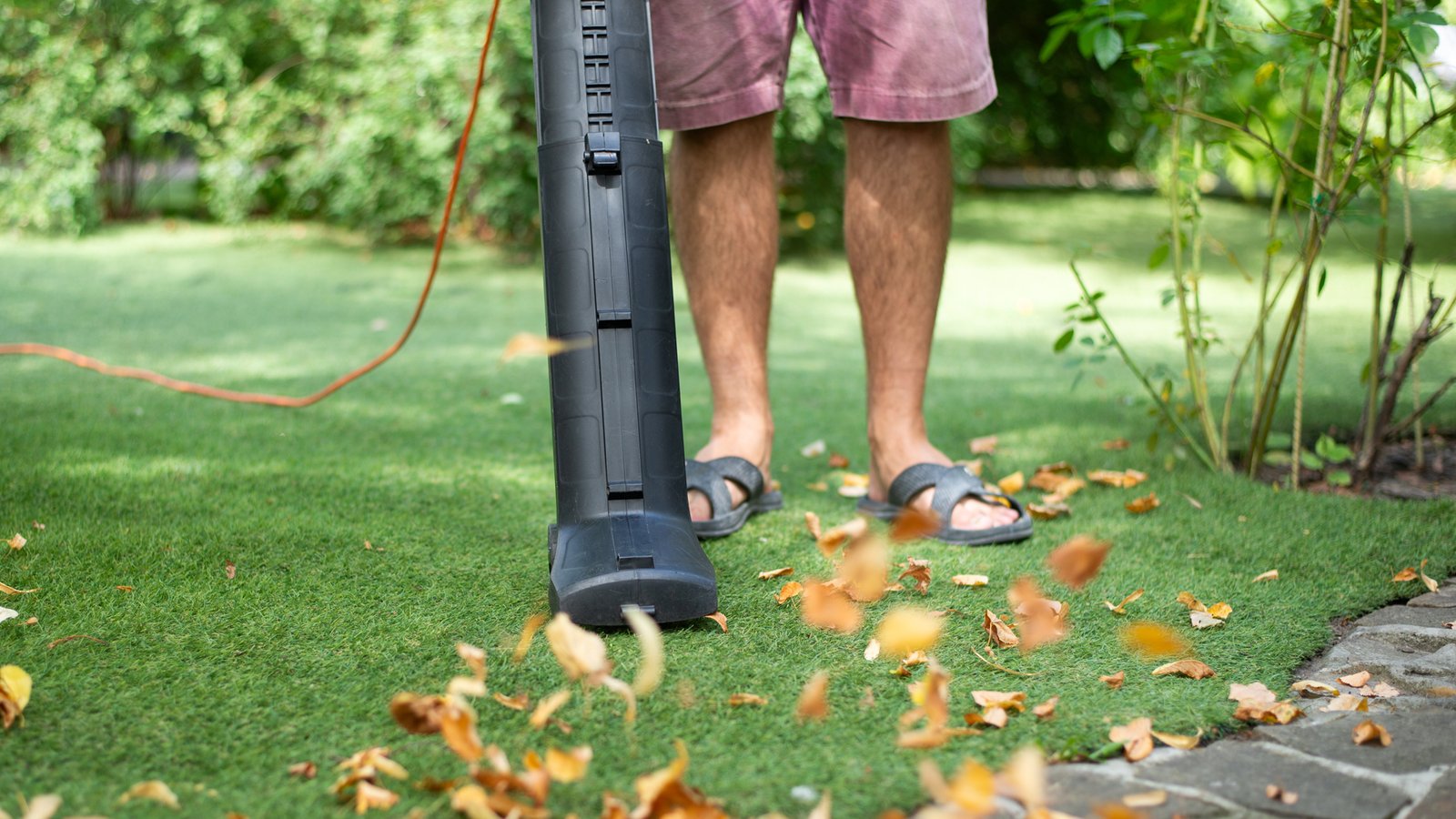
Are you tired of struggling with your leaf vacuum only to find your plants looking worse for wear? Using a leaf vacuum can save you time and effort, but if you’re not careful, it can also harm the very plants you’re trying to protect.
You’ll discover simple tips and tricks to keep your garden safe while cleaning up leaves. By learning how to avoid damaging plants with your leaf vacuum, you’ll keep your garden healthy and looking its best all season long. Keep reading to find out how to protect your plants effortlessly!

Credit: www.yourgreenpal.com
Choosing The Right Leaf Vacuum
Leaf vacuums help clean up fallen leaves and garden debris. Choosing the right one protects your plants from damage.
Picking a leaf vacuum that fits your garden size and needs makes your work easier and safer for plants.
Types Of Leaf Vacuums
Leaf vacuums come in different types. Each type works best for certain garden sizes and tasks.
- Handheld leaf vacuums are light and easy to use on small areas.
- Backpack leaf vacuums let you move freely and carry more debris.
- Walk-behind leaf vacuums handle large yards and collect big piles of leaves.
- Electric leaf vacuums are quiet and good for small to medium gardens.
- Gas-powered leaf vacuums are strong and work well for big yards.
Features To Look For
Good leaf vacuums have features that protect plants and make cleaning easy. Look for adjustable suction power to avoid pulling small plants.
A vacuum with a mulching feature reduces leaf volume and helps composting. Also, check if the vacuum has easy controls and comfortable handles.
- Adjustable suction power
- Mulching capability
- Comfortable grip and handles
- Easy-to-empty collection bag
- Safety features to avoid injury
Power And Size Considerations
Choose a vacuum with the right power for your garden. Too strong suction can harm plants. Too weak suction may not clean well.
The size of the vacuum matters. Small vacuums suit small gardens. Large vacuums save time in big yards but can be heavy.
- Match vacuum power to garden size
- Use lighter models for small areas
- Choose larger models for big gardens
- Check weight for easy handling
- Consider battery life if cordless

Credit: gappower.com
Preparing Your Garden
Using a leaf vacuum can make garden cleanup easy. But it can also hurt your plants if you are not careful.
Preparing your garden helps protect fragile plants from damage. Taking some simple steps before you start will keep your plants safe.
Clearing Fragile Plants
Look around your garden and find plants with thin stems or delicate leaves. These plants can break or get sucked into the vacuum.
Move these fragile plants to a safe place or cover them before you start using the leaf vacuum.
Trimming Before Vacuuming
Trim large or loose leaves that are close to the ground. This helps stop the vacuum from pulling on them and causing damage.
Cut back dead or dry parts of plants to make vacuuming easier and safer for healthy growth.
- Use sharp scissors or garden shears.
- Trim leaves that block the path of the vacuum.
- Remove any weak or broken branches.
Marking Sensitive Areas
Mark areas with plants that need extra care. Use small flags, sticks, or stones to show where the vacuum should avoid.
This helps you see where to be careful and keeps you from accidentally damaging sensitive plants.
- Place markers around low-growing plants.
- Mark spots with young or new plants.
- Keep markers visible while vacuuming.
Vacuuming Techniques
Using a leaf vacuum can make cleaning easier in your garden. It helps collect leaves fast and keeps the area tidy.
You must use the vacuum carefully to avoid hurting your plants. Correct vacuuming methods protect leaves and stems.
Adjusting Suction Power
Set the suction power based on the type of leaves and plants. Strong suction can damage soft leaves and small plants.
Lower suction works well on delicate plants. Use higher power only for thick, dry leaves on the ground.
- Start with low suction to test
- Increase power slowly if needed
- Avoid maximum suction near fragile plants
Proper Handling And Movement
Hold the vacuum steady and move it smoothly. Quick or jerky motions can break leaves or stems.
Keep the nozzle close but not touching the plants. Move the vacuum in one direction to gather leaves efficiently.
- Use slow, steady movements
- Keep nozzle near the ground
- Work in small sections for control
Avoiding Direct Contact With Leaves
Do not let the vacuum nozzle touch leaves or stems. Direct contact can bruise or tear plant parts.
Keep a small gap between the nozzle and plants. This reduces damage while still pulling leaves into the vacuum.
- Hold nozzle slightly above leaves
- Watch for plants that bend toward the vacuum
- Stop vacuuming if plants get caught
Protecting Delicate Plants
Leaf vacuums help keep gardens clean by removing debris. Still, they can hurt delicate plants if used carelessly.
It is important to protect fragile plants while using leaf vacuums. This guide explains how to do it safely.
Using Protective Barriers
Place barriers around delicate plants to shield them from strong vacuum suction. Barriers stop leaves from blowing onto plants.
Materials like mesh screens, old fences, or cardboard work well as protective barriers. They keep plants safe without blocking airflow.
- Use mesh screens to let air pass but block leaves
- Set up cardboard panels for larger plants
- Keep barriers stable to avoid falling on plants
- Remove barriers carefully after vacuuming
Timing Vacuuming Sessions
Vacuum plants when they are dry to avoid damage. Wet leaves stick to plants and get pulled by the vacuum.
Choose a time when wind is low. Strong wind can blow leaves and debris into delicate plants.
- Vacuum in the morning after dew dries
- Avoid vacuuming during or after rain
- Pick calm days with little wind
- Vacuum slowly near fragile plants
Alternative Cleaning Methods
Use gentle tools like hand rakes or brooms near delicate plants. These tools avoid suction damage.
Remove leaves by hand if plants are very fragile. This careful method protects plants well.
- Use hand rakes for light leaf removal
- Sweep leaves away with soft brooms
- Pick up leaves by hand near flowers
- Combine vacuuming with manual cleaning
Maintenance Tips For Leaf Vacuums
Leaf vacuums help keep your garden clean. Regular maintenance keeps them working well.
Proper care prevents damage to plants and extends the life of your machine.
Cleaning And Inspection
Cleaning your leaf vacuum after each use stops dirt build-up. Check for any broken parts or loose screws.
- Remove leaves and debris from the intake and discharge areas
- Inspect the housing for cracks or damage
- Check all fasteners and tighten if needed
- Look for wear on hoses and replace if cracked
Blade And Filter Care
Sharp blades cut leaves cleanly and protect plants. Clean or replace filters to keep airflow strong.
- Sharpen blades regularly to avoid tearing leaves
- Remove debris from blades before each use
- Clean filters with water or air to remove dust
- Replace filters if they are torn or very dirty
Storage Best Practices
Store your leaf vacuum in a dry place to prevent rust and damage. Keep it away from direct sunlight.
- Empty the vacuum bag before storage
- Cover the machine to protect it from dust
- Keep it on a flat surface to avoid tipping
- Store in a cool, dry area away from moisture
Credit: www.angi.com
Common Mistakes To Avoid
Using a leaf vacuum can help in maintaining a clean garden. But, improper use may harm your plants.
Let’s explore common mistakes to avoid to keep your plants safe.
Overusing The Vacuum
Using the vacuum too often can stress plants. It may damage their leaves and roots.
- Limit vacuum use to once a week.
- Observe plant response after each use.
- Always check for new growth before vacuuming.
Ignoring Plant Health Signs
Plants often show signs of distress when affected. These signs should not be ignored.
Look for these signs:
- Wilting leaves
- Discoloration
- Broken stems
These indicate that the vacuum might be too strong.
Neglecting Vacuum Settings
Vacuum settings are crucial for safe use. Incorrect settings can harm delicate plants.
| Setting | Recommended Use |
| Low | Small leaves, delicate plants |
| Medium | Average debris, moderate strength |
| High | Heavy debris, sturdy plants |
Frequently Asked Questions
How Can I Protect Plants When Using A Leaf Vacuum?
Always adjust the vacuum’s suction to the lowest setting. Keep the nozzle away from delicate leaves. Use a wide nozzle attachment to reduce damage.
What Types Of Plants Are Sensitive To Leaf Vacuums?
Plants with thin, soft, or young leaves are most vulnerable. Examples include ferns, hostas, and seedlings. Avoid direct contact to prevent tearing or bruising.
Is It Better To Hand-pick Leaves Around Plants?
Yes, hand-picking is gentler and safer for fragile plants. It minimizes the risk of accidental damage. Use leaf vacuums only on sturdier plants or open areas.
Can Leaf Vacuums Harm Plant Roots?
Leaf vacuums don’t directly affect roots if used properly. Avoid vacuuming too close to the soil surface. Excessive force near roots can disturb them.
Conclusion
Using a leaf vacuum carefully protects your plants and garden. Choose the right settings for your vacuum to avoid harm. Always check plants before and after using the tool. Take your time and work gently around delicate leaves. Clean the vacuum regularly to keep it working well.
Small steps make a big difference in plant health. Enjoy a tidy yard without hurting your plants. Stay patient, and your garden will stay healthy and green.
