
Are you struggling to get your lawn to grow thick and healthy? You might have heard about aeration but wonder if it really makes a difference.
Imagine your grass roots breathing easier, soaking up water and nutrients better than ever before. Aeration could be the simple step your lawn needs to transform from patchy to plush. Keep reading to discover how this easy lawn care trick can help your grass thrive and why skipping it might be holding your yard back.
Benefits Of Lawn Aeration
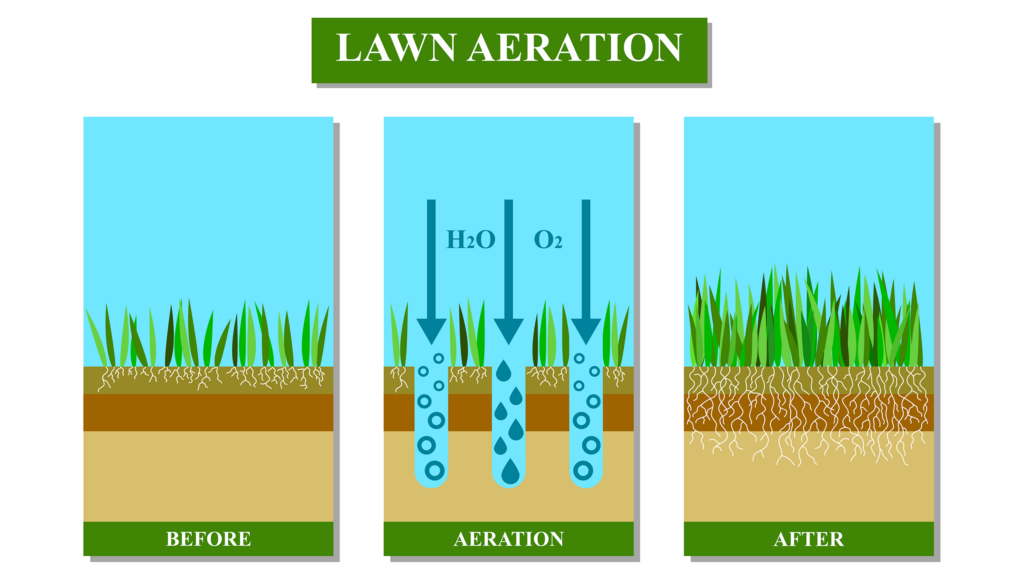
Lawn aeration helps grass grow by improving the soil environment. It involves making small holes in the soil.
This process lets air, water, and nutrients reach the grass roots better. Aeration keeps your lawn healthy and strong.
Improved Soil Oxygen Levels
Aeration increases the amount of oxygen in the soil. Grass roots need oxygen to grow well.
Better oxygen levels help roots breathe and absorb nutrients. This leads to a greener and thicker lawn.
Enhanced Nutrient Absorption
When the soil is aerated, nutrients can reach the roots more easily. This helps the grass get the food it needs.
Good nutrient absorption makes the lawn grow faster and recover from damage quicker.
Better Water Penetration
Aeration lets water soak deeper into the soil. This stops water from just running off the surface.
Deep water helps roots grow stronger and keeps the lawn green during dry times.
Reduced Soil Compaction
Soil can get hard and packed, which stops roots from growing. Aeration breaks up this hard soil.
Looser soil lets roots spread out and get more air, water, and nutrients. This makes the lawn healthier.
Credit: kochkuts.com
Signs Your Lawn Needs Aeration
Aeration helps lawns grow by improving soil health. It allows air, water, and nutrients to reach grass roots.
Knowing when to aerate your lawn can save it from damage. Look for signs that show your lawn needs aeration soon.
Water Pooling On Surface
Water that stays on the lawn surface after rain means poor drainage. This happens when soil is compacted.
Aeration creates small holes in the soil. This lets water soak in and prevents puddles from forming.
Thick Thatched Layers
Thatched layers are a buildup of dead grass and roots on the soil surface. Too much thatch blocks water and nutrients.
Aeration helps break down thatch. It improves the flow of air and nutrients to the grass roots.
Slow Grass Growth
Grass that grows slowly or looks weak may need aeration. Compacted soil stops roots from growing well.
Aeration loosens the soil and encourages stronger root growth. This helps grass grow thicker and greener.
Hard Or Compact Soil
Hard soil is tough to dig or poke with a finger. This means it is compacted and lacks air pockets.
Aeration breaks up hard soil. It improves soil structure and lets roots spread out easily.
Types Of Aeration Methods
Aeration helps lawns grow by improving soil air, water, and nutrient flow. Different methods work in different ways. Choosing the right method depends on your lawn’s needs and soil type.
Here are the main types of lawn aeration methods to consider for healthier grass growth.
Core Aeration
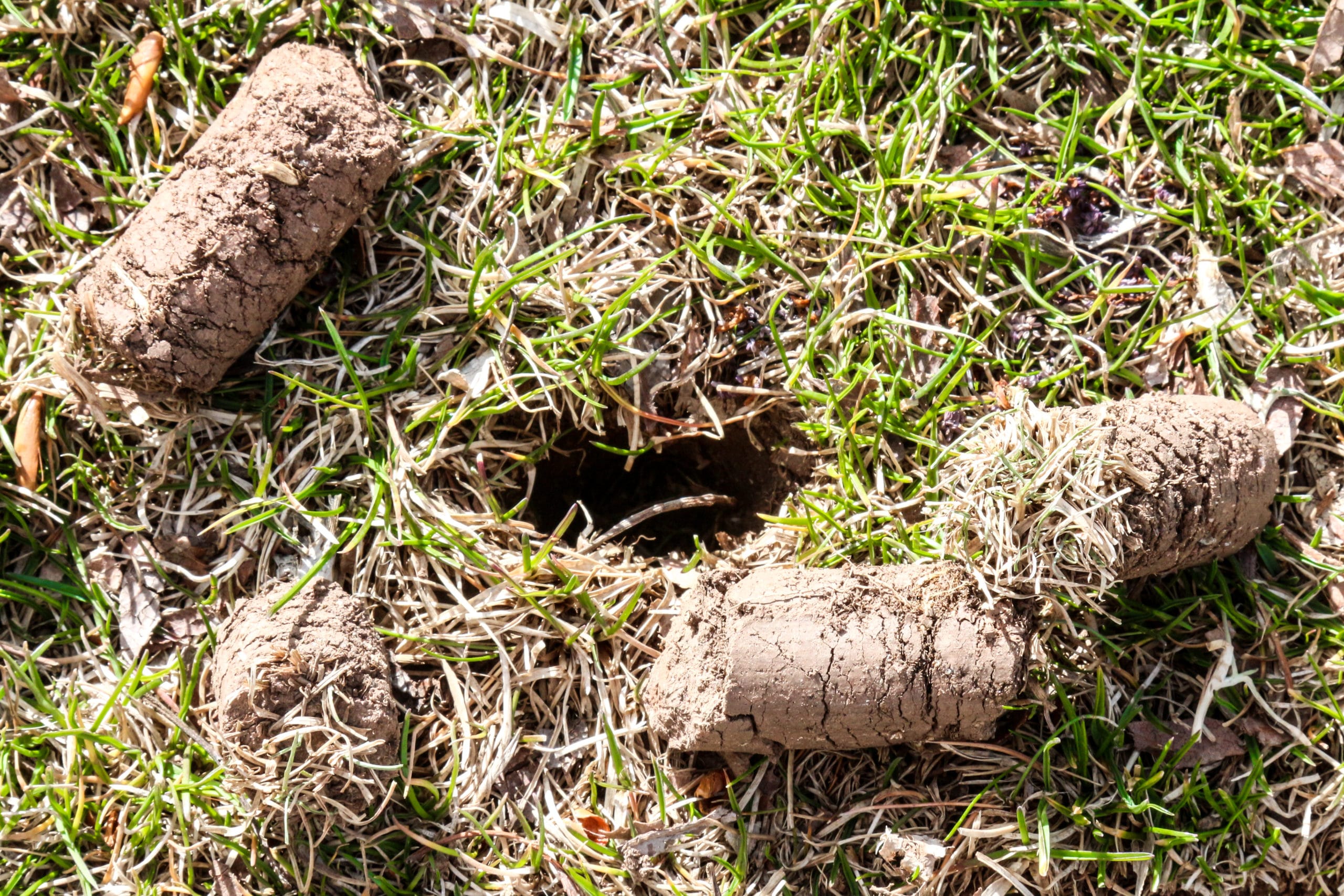
Core aeration removes small plugs of soil from the lawn. This creates space for air, water, and nutrients to reach the roots. It also helps reduce soil compaction and thatch build-up.
- Uses hollow tines or spoons to pull soil plugs
- Improves root growth and lawn thickness
- Best for heavy clay or compacted soils
- Usually done with a machine for large areas
Spike Aeration
Spike aeration pokes holes in the soil using solid tines or spikes. It loosens soil but does not remove plugs. This method is easier but less effective for deep soil compaction.
| Spike Aeration Features | Details |
| Tool Type | Solid spikes or rods |
| Soil Disturbance | Creates holes without removing soil |
| Best For | Light compaction, sandy soils |
| Frequency | Can be done more often than core aeration |
Liquid Aeration
Liquid aeration uses special solutions to loosen soil and improve nutrient absorption. It does not create holes but helps break down compacted soil molecules.
Liquid aeration benefits include:
- No damage to the lawn surface
- Easy to apply with a sprayer
- Can be combined with fertilization
- Works well for lawns with mild compaction
Credit: scottslawncare.net
Best Time To Aerate Your Lawn
Aeration helps your lawn grow by letting air, water, and nutrients reach the roots. It reduces soil compaction and improves grass health.
Knowing the best time to aerate depends on your grass type. Aerating at the right time gives your lawn the best chance to recover and grow strong.
Cool-season Grasses
Cool-season grasses grow best in the early spring and fall. Aerate your lawn during these times to help roots grow deeply.
Fall is usually the best time to aerate cool-season grasses. The soil is warm, and the grass can recover before winter.
- Best months: September to November
- Avoid aerating in summer heat
- Spring aeration can be done if needed
Warm-season Grasses
Warm-season grasses grow mostly in late spring and summer. Aerate these lawns in late spring or early summer for best results.
This timing helps the grass recover during its active growing season. Avoid aerating in fall or winter when the grass is dormant.
- Best months: April to June
- Do not aerate in cold months
- Early summer aeration boosts growth
Step-by-step Aeration Process
Lawn aeration helps grass grow by letting air, water, and nutrients reach the roots. This process reduces soil compaction and improves lawn health.
Follow these steps to aerate your lawn properly and see better growth results.
Preparing The Lawn
Start by mowing your lawn a little shorter than usual. This makes it easier for the aerator to reach the soil. Remove any leaves, sticks, or debris from the surface.
Choosing Equipment
Select the right tool based on your lawn size and soil type. Manual aerators work for small lawns. Gas or electric aerators suit larger areas.
- Spike aerators poke holes in the soil
- Core aerators remove small plugs of soil
- Choose core aerators for better results on compacted soil
Aerating Techniques
Use slow, even passes across the lawn. Overlap slightly to cover all areas. Avoid aerating when soil is too wet or dry for best results.
| Condition | Action |
| Soil too wet | Wait until it dries slightly |
| Soil too dry | Water lawn a day before aeration |
| Normal soil moisture | Start aerating immediately |
Post-aeration Care
After aeration, leave the soil plugs on the lawn. They will break down and return nutrients. Water your lawn well and avoid heavy use for a few days.
Consider these tips for post-aeration care:
- Apply fertilizer to boost growth
- Overseed thin areas for thicker grass
- Keep foot traffic low to prevent soil compaction
- Water deeply but less often to encourage deep roots
Common Mistakes To Avoid
Aeration is important for a healthy lawn. Mistakes can hinder growth instead of helping. Be aware of common errors to maintain a lush green lawn.
Understanding what to avoid will save time and effort. Here are some mistakes to watch out for when aerating your lawn.
Aerating Too Frequently
Too much aeration can harm your lawn. It disrupts the soil structure and leads to stress in grass roots.
- Aerate once a year for most lawns.
- Consider soil type and grass condition.
- Over-aerating can lead to bare patches.
Ignoring Lawn Conditions
Understanding your lawn’s specific needs is crucial. Soil type, grass species, and climate play a role in aeration needs.
Check these conditions:
- Soil compaction level
- Grass health and type
- Weather patterns
Neglecting Aftercare
Aeration is just the beginning. Without proper aftercare, efforts can go to waste. Watering and fertilizing are essential steps following aeration.
| Aftercare Step | Importance |
| Watering | Helps grass recover |
| Fertilizing | Provides nutrients for growth |
| Seeding | Fills in bare spots |
Combining Aeration With Other Lawn Care Tips
Aeration helps your lawn breathe and absorb nutrients. Combining it with other lawn care practices can enhance your lawn’s growth. Let’s explore how overseeding, fertilizing, and proper watering work with aeration.
Overseeding
Overseeding involves planting grass seeds on existing turf. This process thickens your lawn. After aeration, the soil is loose, making it an ideal time for overseeding. The seeds can reach deeper into the soil for better growth.
- Aerate the lawn to loosen soil.
- Spread grass seeds evenly across the lawn.
- Water the area lightly to help seeds settle.
Fertilizing
Fertilizing provides essential nutrients to your lawn. After aeration, nutrients can penetrate the soil more effectively. Use a balanced fertilizer for best results.
| Type | Benefit |
| Nitrogen | Promotes green growth |
| Phosphorus | Strengthens roots |
| Potassium | Improves stress tolerance |
Proper Watering
Watering is crucial for lawn health. Aeration allows water to reach the roots more efficiently. Ensure you water deeply but infrequently to encourage deep root growth.

Credit: www.countryliving.com
Expected Results And Timeline
Aeration helps your lawn by improving soil and root growth. It opens up the soil to let air, water, and nutrients reach the roots.
You can see changes in your lawn soon after aeration, but full benefits take time. The results depend on your lawn type and care.
Short-term Changes
Right after aeration, your lawn may look a bit rough. You will notice small holes in the soil where plugs were removed.
These holes let water and nutrients soak deeper. Grass roots start to grow better with more air and moisture.
- Small soil plugs on the surface
- Improved water absorption
- Grass may green up within a few weeks
- Less soil compaction near the surface
Long-term Lawn Health
Over months, aeration helps grass grow stronger and thicker. Roots grow deeper and soil stays loose.
This creates a healthy lawn that resists drought, weeds, and pests better than before.
- Stronger, deeper root systems
- Thicker and fuller grass coverage
- Less soil compaction over time
- Improved resistance to drought and stress
Frequently Asked Questions
Does Aeration Improve Lawn Growth?
Aeration helps lawns grow by relieving soil compaction. It allows air, water, and nutrients to reach roots. This promotes healthier, stronger grass growth and reduces patchy areas.
How Often Should I Aerate My Lawn?
Most lawns benefit from aeration once a year, preferably in spring or fall. Lawns with heavy foot traffic or clay soils may need aeration twice yearly.
Can Aeration Reduce Lawn Thatch Buildup?
Yes, aeration helps break down thatch by improving soil airflow and moisture absorption. This speeds decomposition and prevents thick thatch layers that harm grass.
What Lawn Types Benefit Most From Aeration?
Cool-season grasses like fescue and bluegrass benefit greatly. Warm-season grasses such as Bermuda also improve with aeration, especially in compacted soils.
Conclusion
Aeration helps the lawn by letting air, water, and nutrients reach roots. It reduces soil compaction and improves grass growth. Lawns become thicker and greener with regular aeration. This simple step supports a healthy yard all year. Try aerating your lawn to see the difference.
A strong lawn starts with good soil care. Give your grass the chance to grow well and stay vibrant. Aeration is an easy way to boost lawn health naturally.
