
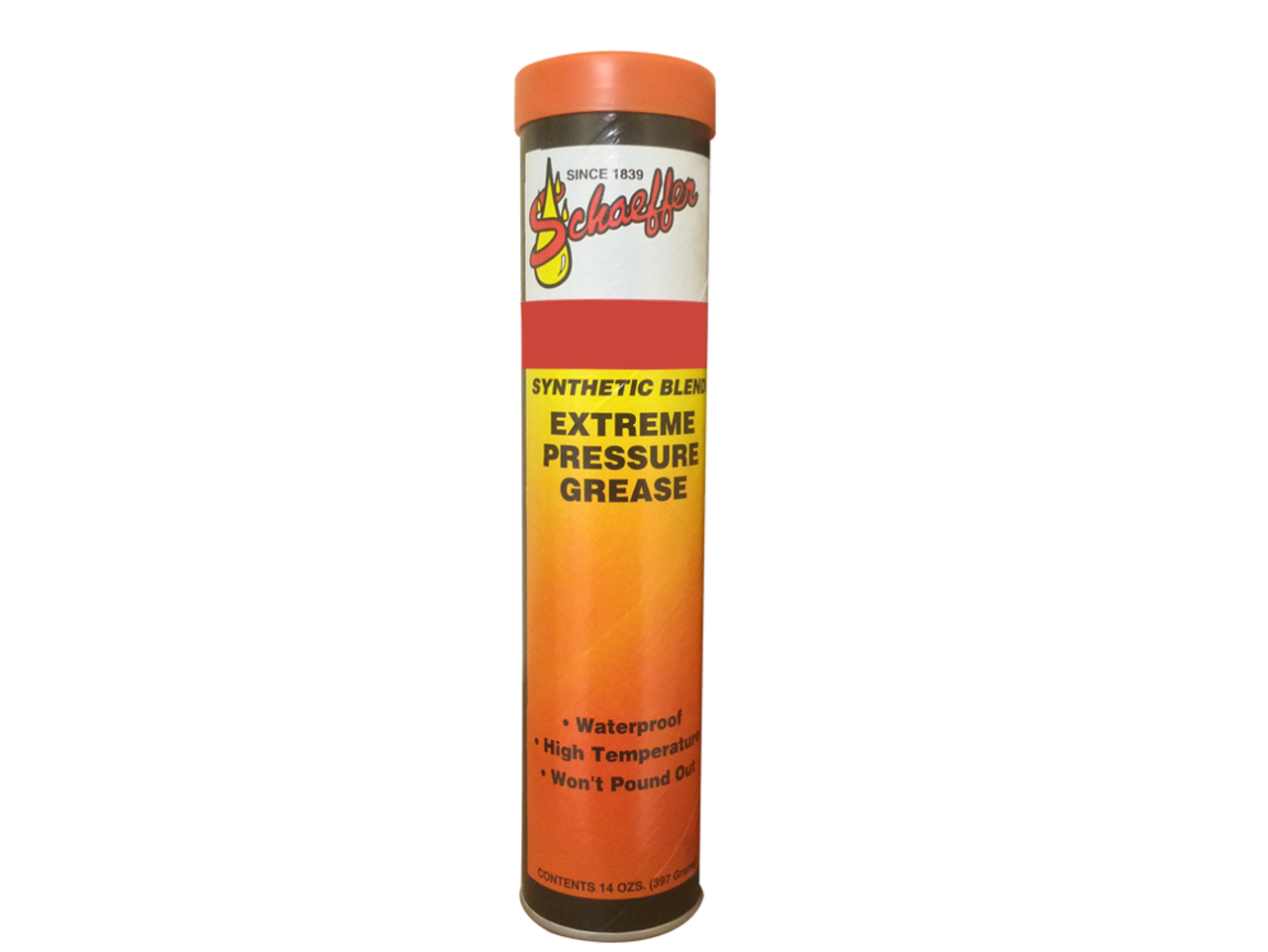
Are your garden cart wheels squeaky, stiff, or hard to push? If so, you’re not alone.
Over time, dirt and rust can make your wheels slow and frustrating to use. But here’s the good news: with just a little simple maintenance, you can make your garden cart roll smoothly again. You’ll learn exactly how to lubricate your garden cart wheels quickly and easily.
Keep reading to discover the simple steps that will save you time and effort every time you use your cart.

Credit: www.youtube.com
Tools And Materials Needed
Keeping your garden cart wheels moving smoothly needs the right tools and materials. Proper lubrication makes your cart easier to push and lasts longer.
This guide lists everything you need to lubricate garden cart wheels safely and effectively.
Lubricant Types
Choose a lubricant that protects metal parts and resists dirt. Common options include grease and oil sprays.
- Silicone spray
- White lithium grease
- Multi-purpose oil (like WD-40)
Cleaning Supplies
Cleaning the wheels first removes dirt and old grease. This helps the new lubricant work better.
| Item | Purpose |
| Rag or cloth | Wiping dirt and grease |
| Wire brush | Scrubbing tough grime |
| Soap and water | Cleaning surfaces |
Tools For Access And Application
You need tools to remove wheels and apply lubricant carefully.
- Wrench or socket set to remove wheel nuts
- Small brush or applicator for grease
- Protective gloves to keep hands clean
Preparing The Cart For Lubrication
Lubricating your garden cart wheels keeps them rolling smoothly. Proper preparation helps the lubricant work better.
Start by cleaning and removing the wheels. This clears dirt and old grease before you apply new lubricant.
Cleaning The Wheels
Clean wheels allow lubricant to reach moving parts without dirt blocking it. Use a brush and water to remove mud and grime.
- Use a stiff brush to scrub the wheels.
- Rinse wheels with water to wash away loosened dirt.
- Dry the wheels completely with a clean cloth.
- Check for debris stuck in the wheel bearings.
Removing The Wheels
Removing wheels makes lubrication easier and more effective. It also helps inspect wheels for damage.
| Tool Needed | Purpose |
| Wrench or socket | Loosen axle nuts |
| Flathead screwdriver | Remove cotter pins or clips |
| Gloves | Protect your hands |
Follow these steps to remove the wheels:
- Place the cart on a flat surface and tilt it to access the wheels.
- Use a wrench to loosen the axle nuts securing the wheels.
- Remove any cotter pins or clips with a screwdriver.
- Slide the wheels off the axle carefully.
- Inspect wheels for damage or wear before lubricating.
Choosing The Right Lubricant
Lubricating garden cart wheels keeps them turning smoothly. Picking the right lubricant helps protect the wheels and extend their life.
Different lubricants work better on certain parts. Knowing their types makes it easier to choose the best one for your garden cart.
Types Of Lubricants
You can find many types of lubricants. Each type has its own use and benefits for garden cart wheels.
- Oil-based lubricants:Thin and easy to apply. They reduce friction but can attract dirt.
- Grease:Thicker and stays longer. It protects well but may be harder to clean.
- Silicone spray:Water-resistant and good for plastic parts. It does not attract much dirt.
- Dry lubricants:Made from powders like graphite. They do not attract dust or dirt.
Best Options For Garden Cart Wheels
| Lubricant Type | Best Use | Pros | Cons |
| Multi-purpose oil | General wheel bearings | Easy to apply, low cost | Attracts dust and dirt |
| Grease | Heavy-duty wheels | Long-lasting, good protection | Can be messy, hard to clean |
| Silicone spray | Plastic or rubber wheels | Water-resistant, clean | Less effective on metal parts |
| Dry lubricant | Dusty environments | No dirt attraction, clean | Needs frequent reapplication |
Credit: true-routes.com
Applying Lubricant To Wheel Bearings
Lubricating the wheel bearings of your garden cart keeps the wheels turning smoothly. Proper lubrication reduces friction and prevents wear.
Knowing how to access and apply lubricant correctly helps extend the life of your cart wheels.
Accessing The Bearings
First, remove the wheel from the cart axle. This usually means loosening the nuts or bolts that hold it in place.
Next, take off the dust cap or cover on the wheel hub to reach the bearings inside. Use a flathead screwdriver if needed.
- Use a wrench to loosen axle nuts
- Pull the wheel off the axle carefully
- Remove dust caps or hub covers
- Inspect bearings for dirt or damage
Proper Application Techniques
Apply grease or lubricant directly to the bearings for best results. Make sure the lubricant reaches all bearing surfaces.
Do not use too much lubricant. Excess grease can attract dirt, causing damage later.
- Use a grease gun or brush for even application
- Coat all bearing surfaces lightly but fully
- Replace dust caps to keep dirt out
- Tighten the wheel back onto the axle securely
Reassembling And Testing
After lubricating the wheels of your garden cart, it is time to put everything back together. Proper reassembly ensures smooth wheel movement and a long-lasting repair.
Testing the wheels after reassembly helps confirm the lubrication worked correctly and the cart is ready for use.
Reattaching The Wheels
Follow these steps carefully to reattach the wheels securely to your garden cart.
- Align the wheel with the axle to fit properly.
- Slide the wheel onto the axle shaft gently.
- Secure the wheel with the retaining clip or nut.
- Ensure the wheel is tight but can still spin freely.
- Repeat the process for all wheels if needed.
Checking Wheel Movement
Check your garden cart wheels carefully to make sure they turn smoothly after lubrication and reassembly.
| Test Action | What to Look For |
| Spin each wheel by hand | Wheels should rotate easily with no grinding noises |
| Push the cart forward | Wheels roll smoothly and quietly on flat ground |
| Check for wobbling | Wheels remain steady without side-to-side movement |
| Inspect wheel axle | No looseness or gaps where the wheel attaches |

Credit: www.reddit.com
Maintenance Tips For Longevity
Keeping your garden cart wheels in good condition is important. Regular maintenance can make them last longer.
Lubricating your garden cart wheels helps them move smoothly. It also prevents wear and tear.
Regular Lubrication Schedule
Lubricate the wheels every few months. This keeps them rolling easily and reduces friction.
Use the right type of lubricant for your wheels. Check the manual or ask at a hardware store.
- Oil-based lubricants work well for metal wheels
- Silicone sprays are good for plastic wheels
- Clean wheels before applying lubricant
Preventing Rust And Dirt Build-up
Rust and dirt can damage your wheels. Keep them clean and dry to prevent this.
After using the cart, wipe the wheels with a dry cloth. This removes any moisture or dirt.
- Store your cart in a dry place
- Use a cover to protect from rain
- Regularly inspect for rust spots
Frequently Asked Questions
How Often Should I Lubricate Garden Cart Wheels?
Lubricate garden cart wheels every 3 to 6 months. Regular lubrication ensures smooth movement and prevents rust or wear. Check wheels more often if used heavily or stored outdoors.
What Type Of Lubricant Is Best For Garden Cart Wheels?
Use a high-quality grease or silicone spray lubricant. These lubricants reduce friction, repel dirt, and prevent rust. Avoid using WD-40 as a long-term lubricant.
How Do I Clean Garden Cart Wheels Before Lubrication?
Remove dirt and debris with a brush or cloth. Use soapy water if needed, then dry wheels thoroughly. Clean wheels ensure better lubricant adhesion and performance.
Can I Lubricate Garden Cart Wheels Without Removing Them?
Yes, you can apply lubricant directly to the wheel axles. However, removing wheels allows better cleaning and thorough lubrication. Choose the method based on your cart design.
Conclusion
Keeping your garden cart wheels well-lubricated helps them roll smoothly. Regular oiling prevents rust and reduces wear and tear. It makes moving heavy loads easier and saves effort. Clean the wheels first to remove dirt and debris. Use a good lubricant and apply it carefully to the axles.
Check your wheels often and repeat the process when needed. A little care goes a long way in extending your cart’s life. Simple steps like these keep your garden work running without trouble. Easy maintenance means more time enjoying your garden.
