
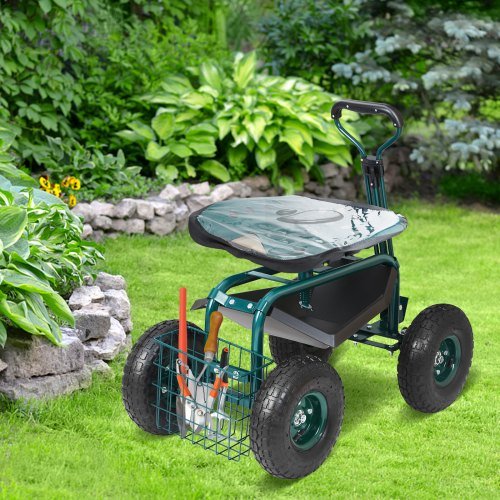
Tackling garden work on slopes can be tough, especially when you need to move heavy loads. You might have struggled with carts that tip over or get stuck halfway.
Finding the best garden cart for slopes means less effort, more safety, and better results for your outdoor projects. You’ll discover what makes a garden cart perfect for uneven ground and how to pick one that fits your needs. Keep reading to make your gardening easier and more enjoyable.
Benefits Of Garden Carts On Slopes
Using a garden cart on slopes makes yard work easier and safer. It helps you move tools, plants, and soil without much effort.
Garden carts designed for slopes have features that improve balance and control. They reduce the chance of accidents and make hauling faster.
Improved Stability And Control
Garden carts built for slopes usually have wide wheels and low centers of gravity. This design helps keep the cart steady on uneven ground.
Better stability means you can control the cart easily. You avoid tipping over or losing your load while moving up or down a hill.
- Wide, rugged wheels grip slopes well
- Low center of gravity prevents tipping
- Handle designs offer better grip and control
Reduced Physical Strain
Using a slope-friendly garden cart lowers the effort needed to move heavy items uphill or downhill. It helps protect your back and arms.
The cart carries heavy loads for you. This reduces muscle strain and fatigue during long gardening tasks on hills.
- Less pushing and pulling force required
- Ergonomic handles reduce hand stress
- Supports heavier loads to avoid multiple trips
Enhanced Efficiency In Hauling
Garden carts designed for slopes help you move materials faster. You spend less time and effort hauling soil, plants, or tools.
These carts allow you to carry more in one trip. This improves productivity and helps finish your gardening tasks quickly.
- Large capacity holds more items
- Stable movement keeps loads secure
- Faster transport saves time on slopes

Credit: www.amazon.ca
Key Features For Slope-friendly Garden Carts
Choosing the right garden cart for slopes makes yard work safer and easier. Not all carts work well on uneven ground.
Look for carts with special features designed to handle hills and rough terrain. These features help keep the cart stable and easy to push.
Wheel Design And Traction
Good wheels help a garden cart move smoothly on slopes. Larger wheels roll over bumps better than small ones.
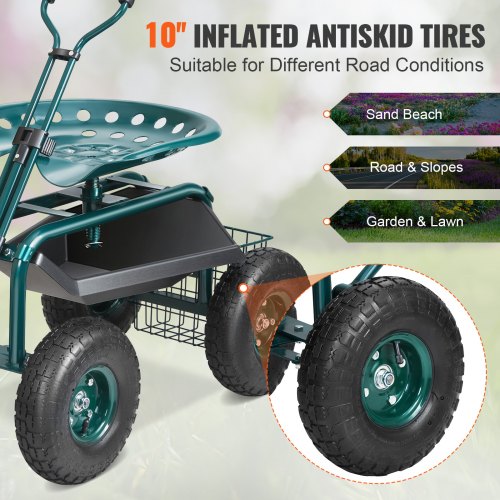
Wheels with deep treads give better grip on loose or wet soil. Pneumatic tires, filled with air, absorb shocks well.
- Large diameter wheels for easy rolling
- Deep tread for better traction
- Pneumatic tires for shock absorption
- Wide wheels to prevent sinking
Frame Durability And Weight
A strong frame supports heavy loads and handles rough terrain without bending or breaking. Steel frames are very durable.
Lightweight frames make the cart easier to push uphill. Aluminum frames offer good strength and low weight.
- Steel frames for high durability
- Aluminum frames for light weight
- Rust-resistant coatings for long life
- Compact design for balance
Ergonomic Handles
Comfortable handles reduce strain when pushing or pulling a cart on a slope. Look for padded grips or adjustable handles.
Handles that adjust to your height improve control and posture. Some carts have handles that lock in place for safety.
- Padded grips for comfort
- Adjustable height handles
- Locking mechanism for safety
- Wide handle spacing for better control
Load Capacity
Check the cart’s load capacity to match the weight you plan to carry on slopes. Overloading can make the cart hard to control.
Choose a cart with a load limit that fits your gardening needs. A higher capacity means fewer trips but requires more strength.
- Match capacity to typical garden loads
- Do not exceed the maximum weight
- High capacity carts may need stronger wheels
- Balance load to keep cart stable
Top Garden Cart Types For Slopes
Working on a sloped garden needs the right cart. Some carts handle hills better than others. Picking the right type helps move tools and plants easily.
Here are the main garden cart types that work well on slopes. Each has features that make it easier to use on uneven ground.
Wheelbarrows
Wheelbarrows have one or two wheels and a deep tray. They are easy to tip and dump soil or plants. Their narrow shape fits through tight garden paths on slopes.
Dump Carts
Dump carts have larger beds and two or more wheels. They carry heavy loads and can dump materials easily. Their wide base gives good balance on hills.
- Strong frames for heavy loads
- Wide wheels for stability
- Easy dumping mechanism
- Handles designed for uphill pulling
Utility Wagons
Utility wagons are flat and have four wheels. They hold many items and have good balance. Their handle helps pull the wagon up or down slopes.
| Feature | Benefit on Slopes |
| Four wheels | Better balance on uneven ground |
| Wide bed | Can carry many tools or plants |
| Long handle | Easy to pull uphill |
| Sturdy frame | Supports heavy loads safely |
Motorized Carts
Motorized carts use small engines to move loads. They reduce the effort needed on slopes. These carts often have strong tires and controls to manage steep hills safely.
- Easy transport of heavy materials uphill
- Less strain on the body
- Some models have adjustable speed
- Good for large garden areas with slopes

Credit: www.amazon.ca
Best Garden Carts For Easy Hauling On Slopes
Hauling garden supplies on slopes can be tough. The right garden cart helps you move tools, soil, and plants with less effort.
Choosing a cart designed for slopes makes your work safer and easier. Here are some top features to look for.
Lightweight And Maneuverable Models
Light carts are easier to push and pull uphill. They let you change direction quickly on uneven ground.
Materials like aluminum or plastic keep weight low. Small size helps you move through tight spaces on slopes.
- Aluminum frames reduce overall weight
- Compact size improves steering control
- Easy to lift and store when not in use
Heavy-duty And High Capacity Options
Heavy-duty carts carry larger loads up slopes without breaking. They have strong frames and big beds.
Look for carts with steel parts and reinforced joints. High capacity carts save time by holding more material at once.
- Steel frames offer extra strength
- Large beds fit bulky items
- Reinforced handles improve durability
All-terrain Wheel Designs
Wide, rugged wheels provide better grip on slopes. They help prevent slipping on dirt or grass.
Look for pneumatic or large plastic wheels. These roll smoothly over rocks and uneven ground.
- Wide wheels improve balance and stability
- Air-filled tires absorb shocks
- Treaded tires offer extra traction
User-friendly Features
Comfortable handles reduce strain when pulling uphill. Some carts have brakes for safety on steep slopes.
Look for carts with easy steering and secure grips. Folding or collapsible designs help with storage.
- Ergonomic handles lessen hand fatigue
- Brakes improve control on declines
- Foldable frames save space
Maintenance Tips For Garden Carts On Uneven Terrain
Using a garden cart on slopes and rough ground can be tough on its parts. Regular care helps your cart last longer.
Simple checks and cleaning keep your cart working well on uneven terrain. Follow these tips to maintain it.
Regular Wheel And Tire Checks
Wheels and tires take the most impact on slopes. Check them often for damage or wear.
Look for cracks, flat spots, or loose parts. Make sure tires are properly inflated if they are air-filled.
- Remove debris stuck in wheels
- Check tire pressure regularly
- Replace worn or cracked tires
- Tighten any loose wheel bolts
Frame Inspection And Cleaning
The frame supports the whole cart. Look for bends, cracks, or rust spots after using on rough ground.
Clean dirt and mud from the frame to stop rust. Use a brush and mild soap with water.
- Check welds and joints for cracks
- Remove mud and dirt after use
- Dry the frame well before storage
- Touch up paint on rust spots
Lubrication And Storage
Lubricate moving parts like wheel axles to keep them turning smoothly on slopes.
Store the cart in a dry place. Cover it if possible to protect from rain and sun.
- Use light oil on wheel bearings and axles
- Wipe off excess oil to avoid dirt build-up
- Store cart indoors or under cover
- Keep cart off the ground to prevent rust
Credit: www.vevor.ca
Safety Tips For Using Garden Carts On Slopes
Using garden carts on slopes can be tricky. Safety is the most important thing to consider. Here are some tips to keep in mind when working on sloped areas.
Make sure to follow these guidelines to avoid accidents. A little caution can go a long way.
Proper Loading Techniques
Loading your garden cart properly is key. Place heavier items at the bottom. This helps to keep the cart stable.
Balance the load evenly. Uneven loads can cause the cart to tip over. Secure items if needed to prevent shifting.
- Heavier items at the bottom
- Balance the load evenly
- Secure items to prevent shifts
Safe Handling And Maneuvering
Keep a firm grip on the cart handles. Walk slowly and steadily. Quick movements can lead to loss of control.
Use both hands to steer the cart. This provides better control, especially on slopes. Be aware of your surroundings.
- Firm grip on handles
- Walk slowly and steadily
- Use both hands to steer
Avoiding Overloading
Do not overload the garden cart. Overloading can make it hard to control. Check the cart’s weight limit before loading.
Divide heavy loads into smaller trips. It may take longer, but it is safer. Always think safety first.
- Check weight limits
- Divide heavy loads
- Think safety first
Frequently Asked Questions
What Features Make A Garden Cart Best For Slopes?
A garden cart for slopes should have large, rugged tires for stability. It must offer a low center of gravity to prevent tipping. A sturdy frame and easy steering help navigate uneven terrain safely and efficiently.
How To Choose The Right Wheel Type For Slopes?
Choose pneumatic or air-filled tires for better shock absorption on slopes. These wheels provide good traction and handle rough surfaces well. Avoid hard plastic wheels, as they slip easily on inclined or uneven ground.
Are Garden Carts With Brakes Necessary On Slopes?
Yes, brakes are essential for safety on slopes. They prevent the cart from rolling uncontrollably downhill. Look for carts with reliable hand or foot brakes for secure stops on steep inclines.
What Weight Capacity Is Ideal For Slope Garden Carts?
Opt for a garden cart with a weight capacity of at least 300 pounds. This ensures it can carry heavy loads without compromising stability on slopes. Heavier carts typically offer better balance and durability.
Conclusion
Choosing the right garden cart for slopes makes your work easier and safer. A good cart stays steady and moves smoothly uphill and downhill. Consider weight, wheel type, and handle comfort before buying. The best cart fits your garden size and your strength.
Take time to pick one that suits your needs well. This way, gardening on slopes becomes less tiring and more enjoyable.
