
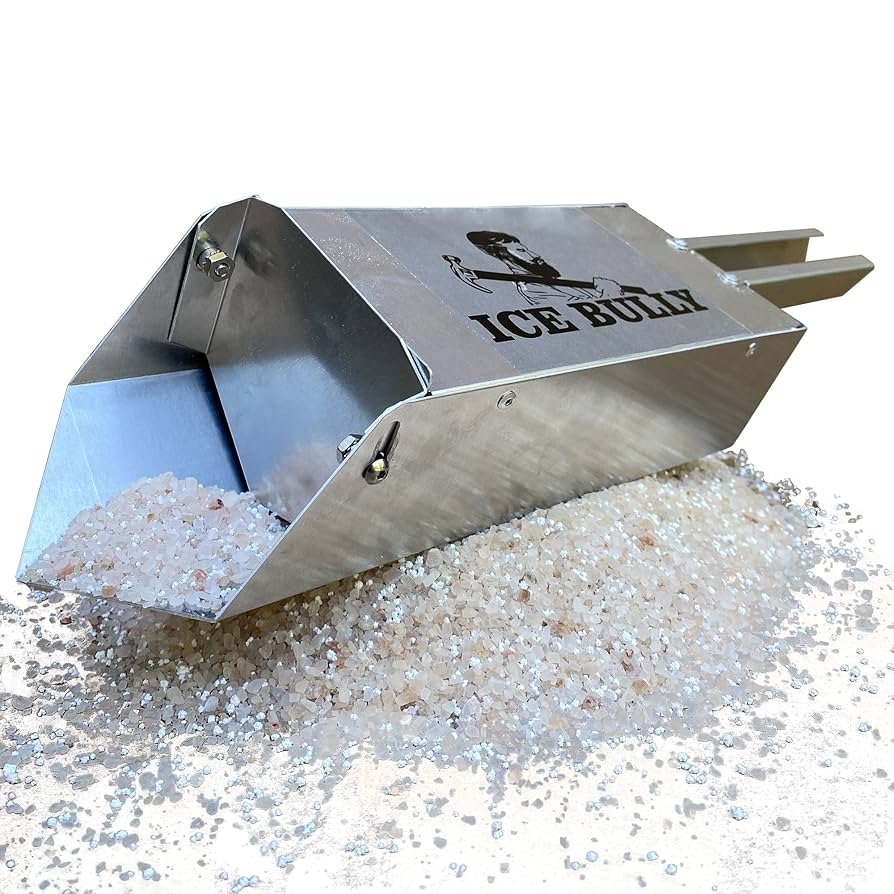
Are you tired of slippery, icy walkways and wondering if there’s a better way to spread your ice melt? You might have asked yourself, “Can I use a spreader for ice melt?” Using the right tool can save you time, reduce mess, and make your home safer faster.
You’ll discover how a spreader can change the way you handle ice melt, what types work best, and tips to get the job done right. Keep reading to find out how to make your winter cleanup easier and more effective.
Credit: www.homehardware.ca
Types Of Ice Melt Products
Ice melt products help clear ice from sidewalks and driveways. They come in different types based on ingredients and use.
Choosing the right ice melt depends on the surface and weather conditions. Some work better in cold weather while others protect surfaces more.
Common Ingredients
Ice melt products use several main ingredients. Each ingredient has different melting power and effects on surfaces.
- Sodium Chloride: The most common and inexpensive. Works best above 20°F (-6°C).
- Calcium Chloride: Works quickly and at very low temperatures, down to -25°F (-32°C).
- Magnesium Chloride: Less harmful to plants and concrete, works below 0°F (-18°C).
- Potassium Chloride: Safer for plants but less effective in very cold weather.
- Urea: Used mainly for fertilizer but melts ice slowly and can harm plants if overused.
Effectiveness In Different Conditions
Ice melts work differently based on temperature and surface type. Knowing these helps pick the right product.
| Ingredient | Effective Temperature Range | Surface Safety |
| Sodium Chloride | Above 20°F (-6°C) | Can damage concrete and plants |
| Calcium Chloride | Down to -25°F (-32°C) | Safe for most surfaces but may cause corrosion |
| Magnesium Chloride | Down to 0°F (-18°C) | Gentler on concrete and plants |
| Potassium Chloride | Above 15°F (-9°C) | Safe for plants, less effective in cold |
| Urea | Above 20°F (-6°C) | May harm plants with heavy use |
Choosing The Right Spreader
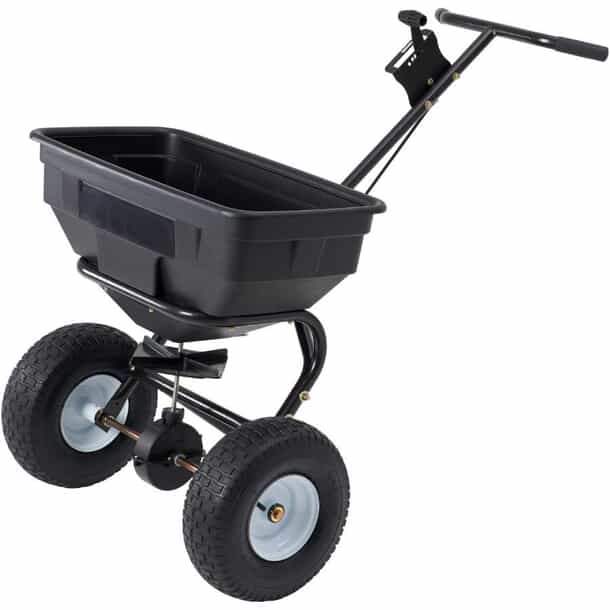
Using a spreader makes applying ice melt easier and safer. Picking the right type helps you spread the right amount evenly. This guide explains how to choose between manual and automatic spreaders.
The material of your spreader also matters. Some spreaders work better with certain ice melt types. Knowing this helps protect your tools and surfaces.
Manual Vs. Automatic Spreaders
Manual spreaders require you to walk and control the flow by hand. Automatic spreaders use a motor to spread ice melt evenly without much effort. Both have pros and cons.
- Manual Spreaders: Lightweight and affordable. Good for small areas and precise control.
- Automatic Spreaders: Save time on large surfaces. Provide consistent spreading but cost more.
- Ease of Use: Manual models need more effort. Automatic ones work with less physical strain.
- Maintenance: Manual spreaders are simpler to clean. Automatic spreaders have moving parts that may need repair.
Material Compatibility
| Spreader Material | Compatible Ice Melt Types | Notes |
|---|---|---|
| Plastic | Most ice melts except highly corrosive types | Lightweight but may crack in cold |
| Metal (Steel or Aluminum) | All ice melts including salt-based | Durable but may rust without coating |
| Rubber Components | Works well with all types | Protects from wear and tear |
Choosing the right spreader means matching it with your ice melt type. This prevents damage and keeps spreading efficient.
Using Spreaders With Ice Melt
Spreading ice melt evenly helps clear icy surfaces faster. Using a spreader makes the job easier and safer.
Spreaders help control the amount of ice melt applied. This reduces waste and prevents damage to plants or concrete.
Proper Calibration
Calibrating your spreader ensures the right amount of ice melt comes out. Too much can harm surfaces, too little won’t melt ice.
Check the spreader settings before use. Test it on a small area to see how much ice melt is applied.
- Set the spreader opening according to product instructions
- Measure the ice melt output on a test surface
- Adjust settings to match the recommended application rate
- Recalibrate if changing ice melt type or spreader speed
Application Techniques
Apply ice melt evenly to avoid slippery spots. Walk at a steady pace and keep the spreader level.
Use overlapping passes to cover all areas. Avoid spreading ice melt on dry surfaces to save product.
- Walk slowly and steadily for even coverage
- Overlap passes slightly to avoid gaps
- Avoid spilling ice melt on plants or grass
- Store leftover ice melt in a dry place

Credit: www.canadiantire.ca
Safety Tips For Ice Melt Application
Using ice melt can help clear slippery surfaces in winter. It is important to apply it safely.
Careful use protects your plants, pets, and surfaces from damage.
Protecting Plants And Pets
Ice melt can harm plants and pets if used carelessly. Keep these tips in mind to reduce risks.
- Use pet-safe ice melt products if possible.
- Apply ice melt away from garden beds and grass.
- Rinse paws and plants with water after ice melt contact.
- Store ice melt products out of reach of pets and children.
- Use only the amount needed to melt ice.
Avoiding Surface Damage
Some ice melts can damage concrete, wood, or metal. Use the right type and spread carefully.
| Surface Type | Recommended Ice Melt | What to Avoid |
| Concrete | Calcium magnesium acetate | Rock salt, high chlorine content |
| Wood Decks | Sand or pet-safe melts | Rock salt, calcium chloride |
| Metal Surfaces | Non-corrosive melts | Chloride salts |
Environmental Considerations
Using a spreader for ice melt helps apply the product evenly. This reduces waste and keeps the environment safer.
It is important to think about how ice melt affects soil, plants, and water. Choosing the right product can lower harm.
Eco-friendly Ice Melt Options
Eco-friendly ice melt products use natural ingredients. They cause less damage to plants and animals.
Some options include calcium magnesium acetate and potassium chloride. These melt ice without adding harmful salts.
- Calcium magnesium acetate breaks down quickly in the environment.
- Potassium chloride is less toxic to plants and pets.
- Sugar beet juice mixes are safer and biodegradable.
Minimizing Runoff Impact
Runoff from ice melt can pollute nearby water and soil. Using a spreader helps control the amount applied.
Applying ice melt only where needed lowers runoff risks. Cleaning tools and surfaces after melting also reduces harm.
- Spread ice melt evenly to avoid excess use.
- Avoid applying near plants and water sources.
- Use barriers to block runoff into drains or ponds.
- Rinse areas after ice melts to remove residue.
Credit: www.whitecapsupply.com
Maintenance Of Spreaders
Maintaining your spreader is important for effective ice melt application. Proper care extends its life and ensures reliable performance.
Regular maintenance prevents damage from harsh ice melt chemicals. Keep your spreader in good shape for the winter season.
Cleaning After Use
Cleaning your spreader after each use is crucial. It removes salt and chemical residues that can cause corrosion.
Use water to rinse the spreader thoroughly. Make sure all parts are clean and free from ice melt buildup.
- Rinse with water to remove salt
- Check for clogged parts
- Dry completely to prevent rust
Storage Tips
Proper storage of your spreader helps maintain its condition. It prevents damage during off-seasons.
Store your spreader in a dry place. Cover it to protect from dust and moisture.
- Keep in a dry area
- Cover to avoid dust
- Store away from chemicals
Frequently Asked Questions
Can You Use A Spreader For Ice Melt?
Yes, you can use a spreader to apply ice melt evenly. It helps distribute the product efficiently and prevents overuse. Using a spreader saves time and ensures better coverage on sidewalks and driveways.
What Type Of Spreader Is Best For Ice Melt?
A broadcast or drop spreader with adjustable settings works best for ice melt. Choose one with corrosion-resistant parts to handle salt-based melts. This ensures even application and durability during winter use.
How Much Ice Melt Should You Spread Per Application?
Apply ice melt according to the product’s instructions, usually 1 to 2 pounds per 100 square feet. Avoid over-application to prevent damage to surfaces and vegetation. Proper dosage ensures effective melting and safety.
Can Spreaders Prevent Ice Melt Waste?
Yes, spreaders help prevent ice melt waste by controlling the amount applied. They distribute the product uniformly, reducing excess use and environmental impact. This makes ice melting more cost-effective and eco-friendly.
Conclusion
Using a spreader for ice melt works well for even coverage. It helps save time and effort on large areas. Choose the right spreader type for your ice melt product. Always follow the instructions on the ice melt packaging. Avoid overusing to protect plants and surfaces.
A spreader makes ice melt application easier and safer. Keep your walkways clear and reduce slipping risks quickly. Simple tools can make winter tasks less stressful and more effective.
