
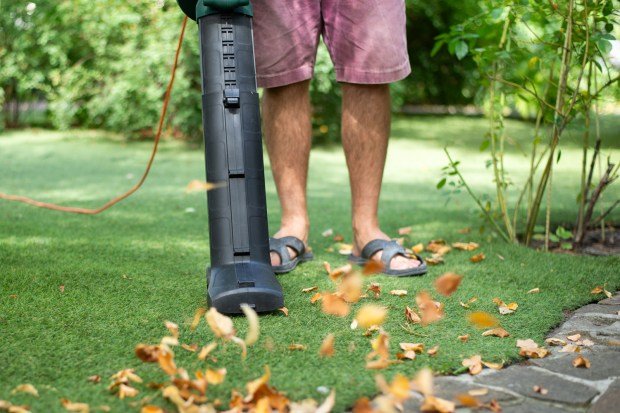
Are you tired of piles of fallen leaves cluttering your yard every autumn? What if you could turn those leaves into something useful instead of just tossing them away?
Mulching leaves with a yard vacuum is a simple and smart way to keep your yard clean while creating nutrient-rich mulch for your garden. You’ll discover easy steps to mulch leaves quickly and effectively using your yard vacuum. By the end, you’ll have the tools and confidence to transform your leaf mess into garden gold.
Keep reading to learn how!

Credit: www.vevor.com
Benefits Of Mulching Leaves
Mulching leaves with a yard vacuum helps recycle yard waste. It turns leaves into useful mulch for your garden.
This process saves time and supports a healthy garden. Mulching leaves has many benefits for soil and plants.
Improving Soil Health
Mulched leaves break down quickly and add nutrients to the soil. This improves soil quality and helps plants grow.
The mulch also keeps soil moist and prevents erosion. Healthy soil supports stronger roots and better plants.
Reducing Waste
Using a yard vacuum to mulch leaves reduces the amount of yard waste. This lowers the need for bags and trips to the dump.
Mulching helps the environment by recycling leaves on site. It cuts down on trash and saves space in landfills.
Enhancing Garden Appearance
Mulched leaves create a natural, neat look around plants. The mulch helps control weeds and keeps the garden tidy.
Using leaf mulch adds color and texture to garden beds. It gives your garden a cared-for and healthy look.
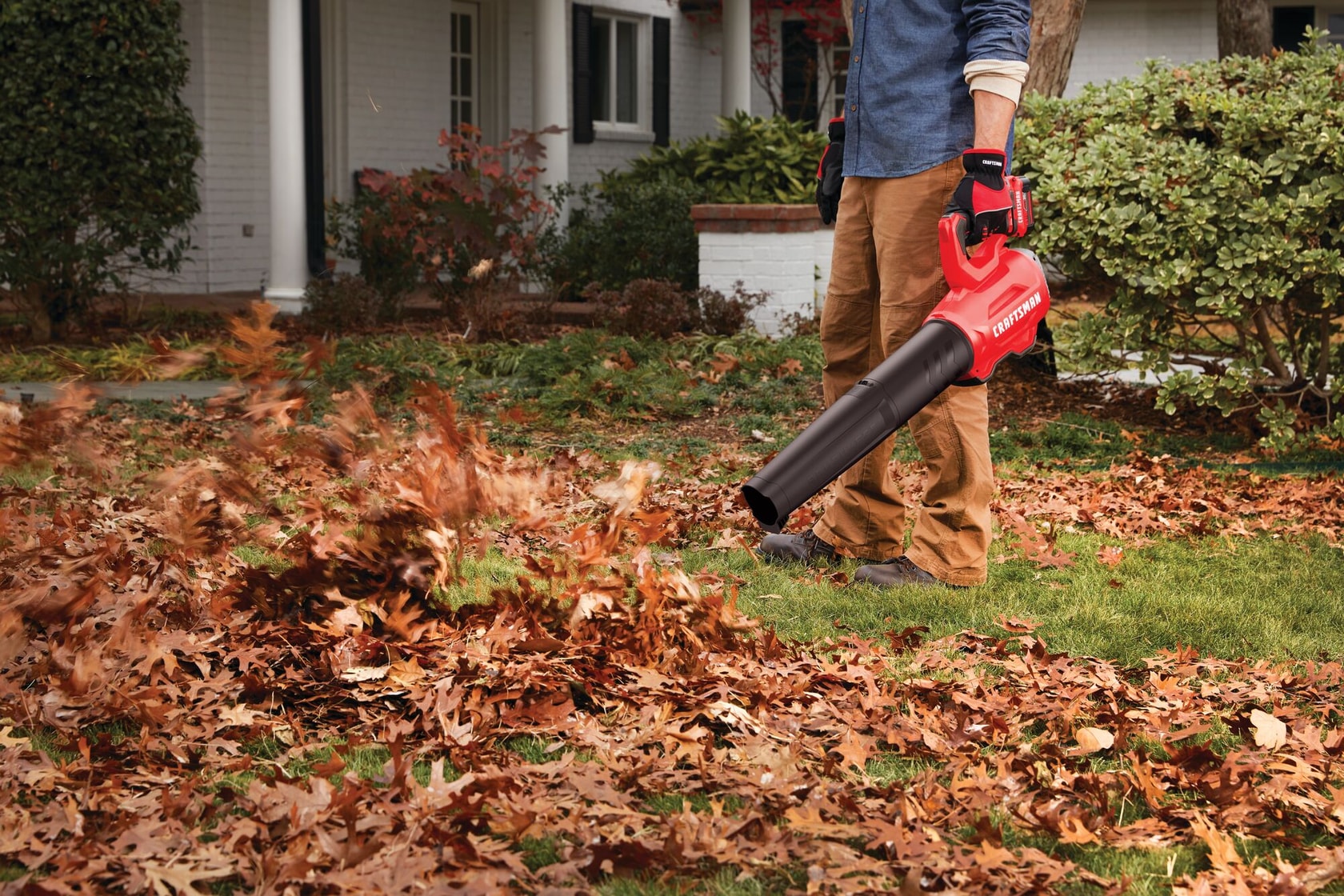
Credit: www.craftsman.com
Choosing The Right Yard Vacuum
Mulching leaves with a yard vacuum makes yard cleanup easier. Picking the right yard vacuum is important for good results.
Different yard vacuums work best for different needs. Learn about types, features, and safety to choose well.
Types Of Yard Vacuums
Yard vacuums come in several types. Each type fits different yard sizes and leaf amounts.
- Walk-behind vacuums are good for medium to large yards.
- Handheld vacuums suit small yards and light leaf loads.
- Tow-behind vacuums attach to tractors for very large areas.
- Battery-powered vacuums offer easy use without cords.
Key Features To Look For
Look for features that make vacuuming easier and safer. These features improve your work and comfort.
- Strong suction and mulching ability to shred leaves well.
- Large collection bags to hold more leaves.
- Adjustable speed settings for different leaf types.
- Easy-to-move design with good wheels and handles.
- Noise level that suits your neighborhood rules.
Safety Considerations
Using a yard vacuum safely protects you and others. Know important safety tips before starting.
- Wear protective gear like gloves, eye protection, and earplugs.
- Keep children and pets away while you work.
- Follow the manufacturer’s instructions for use and maintenance.
- Never vacuum wet leaves or debris that can cause clogs.
- Turn off the vacuum before clearing jams or emptying the bag.
Preparing Leaves For Mulching
Mulching leaves with a yard vacuum helps make rich compost or mulch for your garden. Proper preparation of leaves makes the process easier and improves mulch quality.
Getting leaves ready means collecting, sorting, and removing unwanted materials. This step saves time and protects your equipment.
Collecting And Sorting Leaves
Gather leaves from your yard using a rake or leaf blower. Try to collect leaves from flat areas for easier vacuum use.
Sort leaves by type if possible. Some leaves break down faster than others and mix better in mulch.
- Separate large leaves from small ones
- Collect leaves from grassy areas separately
- Keep piles manageable for the vacuum
Removing Debris
Clear sticks, stones, and trash from your leaf piles. These items can damage your yard vacuum or clog it.
Use gloves to pick out debris. This step makes mulching smoother and safer for your machine.
- Look for twigs and branches
- Remove plastic, paper, or metal objects
- Check for large clumps of soil
Dry Vs. Wet Leaves
Dry leaves are lighter and easier to mulch. Wet leaves can clump and may clog your vacuum.
If leaves are wet, spread them out to dry in the sun before mulching. Dry leaves give better results.
- Dry leaves shred more evenly
- Wet leaves may cause machine jams
- Check weather before collecting leaves
Step-by-step Mulching Process
Mulching leaves with a yard vacuum saves time and creates useful mulch. This process turns fallen leaves into fine material for your garden.
Follow these steps to set up your yard vacuum, vacuum leaves well, and adjust the mulch size for best results.
Setting Up The Yard Vacuum
Before starting, make sure your yard vacuum is clean and ready to use. Check the collection bag and empty it if needed.
- Read the user manual for specific setup tips.
- Attach the collection bag securely.
- Check the vacuum blades for sharpness.
- Ensure the power source is safe and working.
- Wear gloves and eye protection for safety.
Vacuuming Leaves Efficiently
Use smooth, even strokes to vacuum leaves. Avoid pushing too hard to prevent clogging the vacuum.
- Start at one corner of your yard.
- Move the vacuum slowly over leaf piles.
- Keep the nozzle close to the ground.
- Empty the collection bag when full.
- Repeat until all leaves are collected.
Adjusting Mulch Size
You can control how fine or coarse the mulch is by changing settings on your yard vacuum. Adjusting the blade or screen size helps.
| Setting | Effect on Mulch |
| Fine Screen | Produces small, fine mulch pieces |
| Coarse Screen | Creates larger mulch pieces |
| Blade Speed | Higher speed cuts leaves more finely |
Using Mulched Leaves In Your Garden
Mulched leaves make great natural mulch for your garden. They help keep soil moist and add nutrients as they break down. Using a yard vacuum to mulch leaves saves time and creates fine mulch.
Applying mulched leaves correctly supports healthy plant growth. Learn how to spread mulch, which plants benefit most, and the best time to mulch.
Spreading Mulch Properly
Spread mulched leaves evenly over the soil. Avoid piles that block air and water. Mulch should be about 2 to 3 inches thick. Leave space around plant stems to prevent rot.
- Clear weeds before applying mulch
- Use a rake to spread mulch evenly
- Keep mulch a few inches away from tree trunks
- Water mulch after spreading to help it settle
Best Plants For Leaf Mulch
Leaf mulch works well for many garden plants. It improves soil for vegetables, flowers, and shrubs. Some plants especially benefit from leaf mulch.
| Plant Type | Benefit from Leaf Mulch |
| Tomatoes | Retains moisture and prevents weeds |
| Roses | Improves soil nutrients and moisture |
| Perennials | Protects roots in winter |
| Vegetables | Reduces soil erosion and adds organic matter |
| Shrubs | Keeps soil cool and moist |
Timing And Frequency
Apply leaf mulch in the fall after leaves drop. This timing helps protect plants during winter. You can add mulch again in spring to keep soil healthy.
- Mulch in late fall after leaf fall
- Check mulch thickness in winter
- Add fresh mulch in early spring if needed
- Remove old mulch if it becomes compacted or moldy
Maintaining Your Yard Vacuum
Keeping your yard vacuum in good shape is important. It helps mulch leaves effectively and extends the tool’s life.
Proper maintenance involves regular cleaning, troubleshooting, and care. Let’s explore how to do this.
Cleaning And Storage
Cleaning your yard vacuum keeps it running smoothly. After each use, remove any debris from the machine.
Store the vacuum in a dry place. Keep it away from moisture to prevent rust.
- Empty the bag or container after use
- Wipe down surfaces with a damp cloth
- Check for trapped leaves or twigs
Troubleshooting Common Issues
Sometimes the vacuum may not work right. Check the power source first if it does not start.
If suction is weak, inspect the hose for blockages. Clean it to restore full function.
- Ensure the power cable is not damaged
- Clear any clogs in the intake or hose
- Inspect the filter for dirt build-up
Extending Equipment Life
Regular maintenance helps your yard vacuum last longer. Lubricate moving parts to keep them in good condition.
Replace worn-out parts promptly. A well-maintained vacuum will mulch leaves better and more efficiently.
- Keep blades sharp for effective mulching
- Check belts for wear and replace if needed
- Schedule annual professional servicing
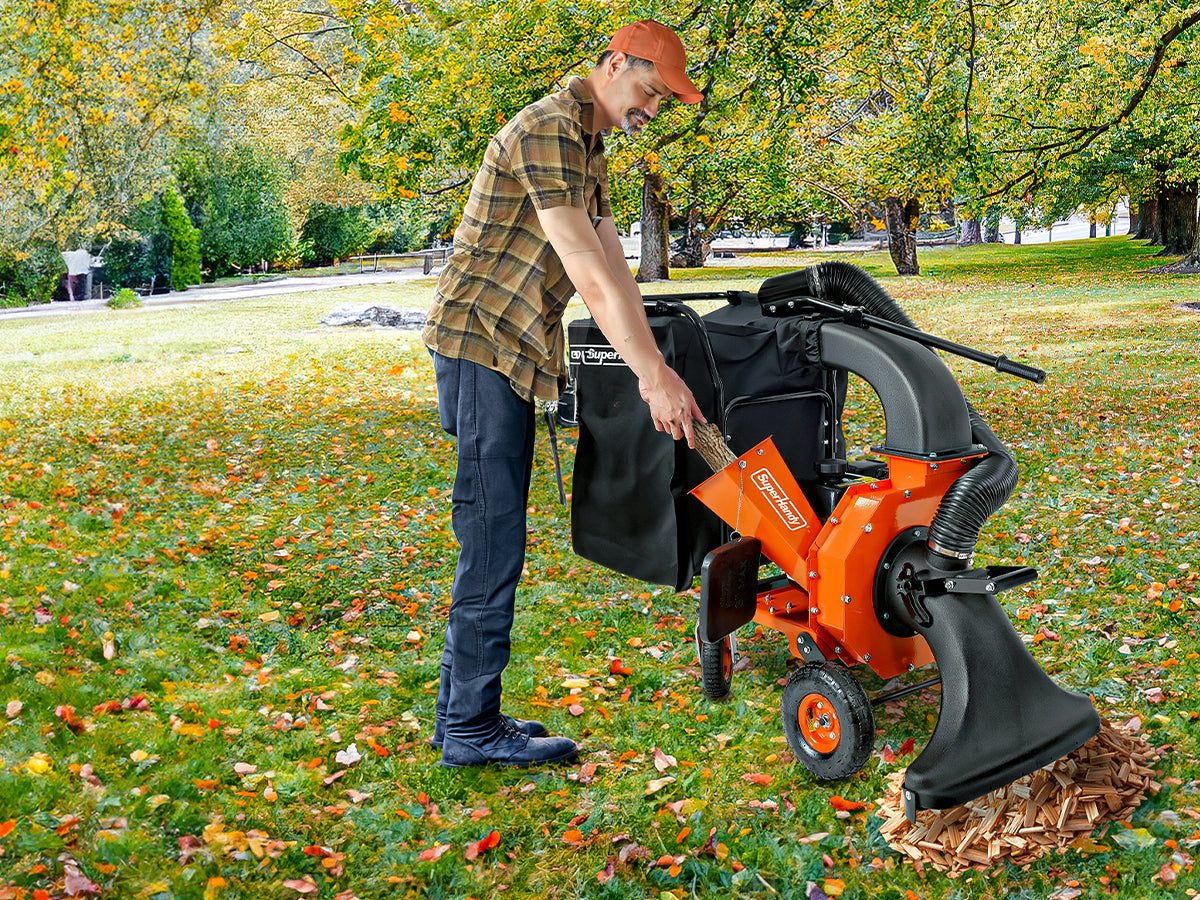
Credit: superhandyus.com
Frequently Asked Questions
What Is The Best Way To Mulch Leaves With A Yard Vacuum?
Use the yard vacuum to collect dry leaves. Empty the bag into a shredder or compost bin. Mulching reduces leaf volume and enriches soil.
Can All Yard Vacuums Mulch Leaves Effectively?
Most yard vacuums can mulch leaves, but check the model specifications. Some have built-in shredders that finely mulch leaves for easy disposal or composting.
How Do I Maintain My Yard Vacuum For Mulching?
Clean the vacuum after each use. Empty leaf bags regularly. Sharpen or replace blades to keep mulching efficient and prolong the vacuum’s lifespan.
Is Mulching Leaves With A Yard Vacuum Eco-friendly?
Yes, mulching leaves reduces waste and improves soil health. It recycles nutrients back into your garden, lowering landfill use and chemical fertilizer needs.
Conclusion
Mulching leaves with a yard vacuum saves time and effort. It keeps your yard tidy and healthy. Shredded leaves break down faster, feeding your soil. Regular mulching prevents leaf buildup and pests. Use the vacuum safely and follow instructions. Try mulching this fall for a cleaner lawn.
Enjoy a neat yard without hard work. Mulching leaves helps your garden grow strong. Simple steps make yard care easier every season.
