
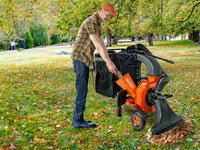
When you grab your leaf vacuum, you want the job done quickly and safely. But have you ever stopped to think about the risks involved?
Using a leaf vacuum without the right precautions can lead to accidents or damage—something no one wants. You’ll discover simple, effective safety tips that protect you and your equipment. Keep reading to learn how to make your leaf cleaning easy, efficient, and most importantly, safe.
Your hands and your home will thank you.
Choosing The Right Leaf Vacuum
Picking the right leaf vacuum helps you clean leaves safely. The right tool fits your yard size and leaf amount.
Knowing the types of leaf vacuums and safety features helps you make a smart choice. This keeps you safe while working.
Types Of Leaf Vacuums
Leaf vacuums come in different types for various jobs. Each type works best in certain situations.
- Handheld Leaf Vacuums:Light and easy to use. Good for small yards and quick cleanups.
- Backpack Leaf Vacuums:Worn on the back for more power. Best for medium to large yards.
- Walk-Behind Leaf Vacuums:Push models with strong suction. Ideal for large areas and heavy leaf loads.
- Gas-Powered Leaf Vacuums:Offer strong power but need more care and maintenance.
- Electric Leaf Vacuums:Quieter and lighter but need a power source nearby.
Safety Features To Look For
Good safety features reduce the risk of injury while using a leaf vacuum. Look for these when choosing your tool.
- Safety Switch:Prevents accidental starts. The vacuum only works when you want it to.
- Adjustable Speed Control:Lets you change the suction power to match the job safely.
- Debris Guard:Stops large objects from entering the vacuum and causing damage.
- Sturdy Handles:Provide a firm grip to avoid slipping while working.
- Noise Reduction:Protects your hearing with quieter operation.
- Proper Ventilation:Keeps the motor cool and prevents overheating.

Credit: manuals.plus
Preparing For Safe Operation
Before using a leaf vacuum, safety is very important. Proper preparation helps avoid accidents and injuries.
Take time to check your equipment and wear the right clothing. This keeps you safe while working.
Inspecting The Equipment
Check the leaf vacuum carefully before use. Look for damage or loose parts that can cause problems.
- Examine the vacuum hose for cracks or holes.
- Make sure the engine or motor runs smoothly.
- Check that all nuts and bolts are tight.
- Test the safety switches and controls.
- Look for fuel or oil leaks in gas-powered models.
Wearing Protective Gear
Wear protective gear to guard your body from dust, debris, and noise.
| Protective Gear | Purpose |
| Safety Glasses | Protect eyes from flying debris |
| Hearing Protection | Reduce noise damage |
| Gloves | Protect hands from sharp objects |
| Long Pants and Sleeves | Shield skin from scratches and irritants |
| Sturdy Shoes | Prevent foot injuries and slips |
Safe Operating Practices
Using a leaf vacuum can make yard work easier. It is important to follow safety rules to avoid accidents.
Always pay attention to how you handle the machine. This helps protect you and others nearby.
Proper Handling Techniques
Hold the leaf vacuum firmly with both hands. Keep a good balance while walking to avoid falls.
Do not overreach or use the vacuum on a ladder. Keep the machine close to your body for better control.
- Wear gloves to protect your hands
- Use ear protection to guard your hearing
- Keep the vacuum away from your face
- Turn off the machine before cleaning or fixing it
Avoiding Common Hazards
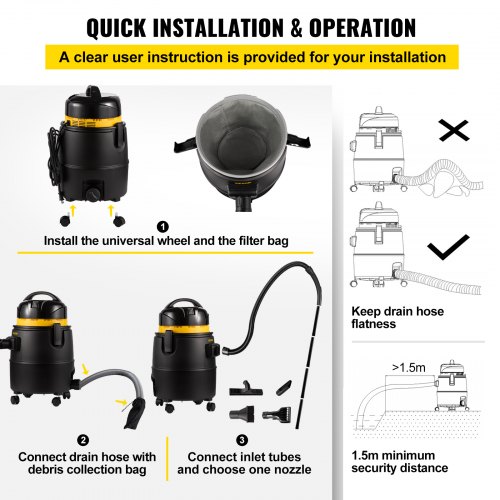
Check the area before you start. Remove sticks, stones, and other objects that can get caught in the vacuum.
Do not use the leaf vacuum in wet conditions. Wet leaves and wet ground increase the risk of slipping and electric shock.
- Keep children and pets away while operating
- Do not vacuum near open flames or sparks
- Avoid using the vacuum on steep slopes
- Stay alert to avoid tripping over cords or hoses
Credit: www.vevor.ca
Maintenance And Storage
Proper maintenance and storage keep your leaf vacuum safe and working well. Clean the machine after each use to avoid damage. Store it in a dry, secure place to prevent rust and accidents.
Following safety steps helps the leaf vacuum last longer and protects users from harm. Pay attention to cleaning and storage details for the best results.
Cleaning After Use
Remove leaves, dirt, and debris from the vacuum after every job. This prevents clogging and keeps the motor cool. Check all parts for damage or wear before storing.
- Turn off and unplug the vacuum before cleaning.
- Empty the collection bag or container completely.
- Use a brush or cloth to clean the intake and fan areas.
- Inspect the vacuum for cracks or loose screws.
- Wipe down the exterior with a damp cloth.
Safe Storage Tips
Store the leaf vacuum in a dry place away from children and pets. Keep it off the ground to avoid moisture damage. Organize cords neatly to prevent trips and tangles.
| Storage Tip | Reason |
| Keep in a dry, cool area | Prevents rust and electrical problems |
| Store away from children | Ensures safety and avoids accidents |
| Hang or place off the floor | Protects from moisture damage |
| Wrap cord securely | Stops tangles and wear |
| Cover with a cloth or plastic | Keeps dust off the vacuum |
Emergency Procedures
Leaf vacuums can cause accidents if not handled carefully. Knowing what to do in emergencies helps keep you safe.
This guide covers how to act during jams and how to give first aid for injuries from leaf vacuum use.
Dealing With Jams
Turn off the leaf vacuum immediately if it jams. Do not try to clear jams while the machine is running.
- Switch off the engine and disconnect the spark plug wire.
- Wear gloves to protect your hands before clearing debris.
- Use a stick or tool to remove leaves or objects blocking the vacuum.
- Check for damage before restarting the machine.
First Aid For Injuries
Leaf vacuums can cause cuts or bruises. Give first aid quickly to reduce harm.
| Injury Type | First Aid Steps |
| Minor cuts | Clean wound, apply antiseptic, and cover with a bandage. |
| Deep cuts | Apply pressure to stop bleeding and seek medical help immediately. |
| Bruises | Use a cold pack to reduce swelling and rest the injured area. |

Credit: superhandyus.com
Frequently Asked Questions
What Safety Gear Is Essential For Leaf Vacuum Use?
Wearing gloves, safety goggles, ear protection, and sturdy shoes is essential. This gear protects against debris, noise, and accidents during operation.
How To Prevent Leaf Vacuum Injuries?
Always read the user manual, keep children away, and inspect the machine before use. Avoid loose clothing and never vacuum wet leaves.
Can Leaf Vacuums Cause Hearing Damage?
Yes, leaf vacuums produce loud noise that may harm hearing. Use ear protection like earmuffs or earplugs to prevent damage.
What Maintenance Ensures Leaf Vacuum Safety?
Regularly clean filters, check for loose parts, and sharpen blades. Proper maintenance reduces malfunctions and keeps the vacuum safe to operate.
Conclusion
Leaf vacuum safety matters for every user. Always wear protective gear like gloves and goggles. Keep children and pets away while operating the machine. Check the vacuum for damage before use. Avoid loose clothing that can get caught. Use the vacuum only in dry conditions to prevent accidents.
Follow the manufacturer’s instructions carefully. Regular maintenance keeps the vacuum working well. Safe habits protect you and others from harm. Stay alert and work with care for best results. Safety makes yard work easier and worry-free.
