
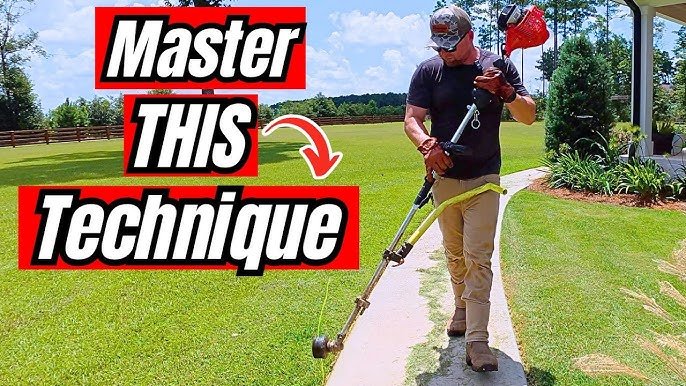
Are you tired of uneven, messy edges ruining the look of your lawn? Learning how to edge your lawn with a string trimmer is easier than you think—and it can instantly boost your yard’s curb appeal.
In this guide, you’ll discover simple steps to create clean, sharp edges that make your grass look professionally manicured. Whether you’re a beginner or just want to improve your technique, this article will show you how to get perfect edges every time.
Keep reading, and you’ll have your lawn looking neat and polished in no time!

Credit: www.youtube.com
Choosing The Right String Trimmer
Edging your lawn with a string trimmer keeps it neat and tidy. Picking the right trimmer helps you work faster and safer.
Consider the trimmer type, the line you use, and safety gear to get the best results.
Types Of String Trimmers
There are three main types of string trimmers: electric, gas, and battery-powered. Each has its own benefits.
- Electric trimmersare light and quiet, good for small yards.
- Gas trimmersare powerful and best for large areas.
- Battery trimmersoffer freedom from cords and less noise, with moderate power.
Selecting The Proper Trimmer Line
Trimmer lines come in different shapes and sizes. Choose the one that fits your trimmer and lawn needs.
| Line Type | Use | Durability |
| Round | General trimming | Good |
| Square | Thicker weeds and tougher grass | Better |
| Twisted | Light trimming and edging | Moderate |
| Bladed | Heavy-duty cutting | Best |
Safety Gear Essentials
Wearing safety gear protects you from flying debris and noise. Always use the right equipment.
- Eye protection like safety glasses or goggles
- Ear protection such as earplugs or earmuffs
- Gloves for hand protection
- Long pants and closed shoes to protect legs and feet
Preparing The Lawn For Edging
Edging your lawn with a string trimmer helps create clean and sharp borders. Before you start, it is important to prepare your lawn well. This preparation makes the edging process safer and more effective.
Preparing the lawn involves clearing debris, marking the edging path, and checking your string trimmer. Each step helps you work smoothly without interruptions.
Clearing Debris And Obstacles
Remove leaves, sticks, stones, and other debris from the lawn edge. These items can block the trimmer or cause injury. Clearing the area helps the trimmer cut evenly and protects the equipment.
Check for hidden objects like garden tools or sprinkler heads. Avoid damaging these by clearing the area carefully before edging.
Marking The Edging Path
Mark the lawn edge where you want to trim. Use a garden hose, string, or spray chalk to create a clear line. This guide helps you keep a straight and neat edge.
Marking the path prevents mistakes and saves time. It also helps you see the areas that need trimming more clearly.
- Use a garden hose for curved edges
- Use string or stakes for straight lines
- Spray chalk for temporary visible lines
Checking Trimmer Condition
Inspect your string trimmer before use. Check the string length and replace it if needed. Make sure the trimmer’s guard is in place to protect you from flying debris.
Look at the fuel or battery levels. A well-maintained trimmer works better and keeps you safe during edging.
- Check string trimmer line thickness and length
- Inspect the guard and handle for damage
- Confirm fuel or battery is full
- Test start the trimmer to ensure it runs smoothly
Techniques For Perfect Edges
Edging a lawn with a string trimmer can give your yard a neat and clean look. Using the right techniques helps you create sharp, even edges.
Focus on how you hold the tool, keep the correct angle, and trim along borders and walkways for the best results.
Holding And Positioning The Trimmer
Hold the trimmer firmly with both hands. One hand should grip the handle near the motor, and the other on the front handle for control.
Stand straight and keep your arms relaxed. Position the trimmer so the cutting line is just outside the edge of the lawn.
- Keep a steady grip to avoid uneven cuts.
- Move slowly to maintain control.
- Wear safety glasses and gloves for protection.
Maintaining The Correct Angle
Hold the trimmer shaft at about a 45-degree angle to the ground. This angle cuts grass cleanly without digging into the soil.
| Angle | Effect on Edging |
|---|---|
| 30 degrees | May miss some grass edges |
| 45 degrees | Ideal for clean, sharp edges |
| 60 degrees | Can cut too deep into soil |
Adjust the angle slightly as needed for different grass types or soil conditions.
Trimming Along Borders And Walkways
Move the trimmer slowly along the lawn edges next to sidewalks, driveways, or flower beds.
- Keep the cutting line close to the border without hitting hard surfaces.
- Use smooth side-to-side motions for even trimming.
- Check often to avoid cutting into garden plants or mulch.

Credit: fencearmor.com
Common Mistakes To Avoid
Edging a lawn with a string trimmer can make your yard look neat. But some mistakes can cause problems. Avoid these common errors to get better results.
Using the right technique and tools keeps your lawn healthy and your trimmer working well. Read on to learn what to watch out for.
Cutting Too Deep
Cutting too deep can hurt your grass roots. It may cause brown spots and damage the lawn’s health. Keep the trimmer line just above the soil.
Try to trim only the edges of the grass blades. This keeps the lawn clean without cutting into the dirt.
- Set the trimmer height to just trim grass edges
- Move the trimmer slowly to avoid deep cuts
- Check the lawn for damage after edging
Ignoring Safety Precautions
String trimmers can be dangerous if you are not careful. Always wear safety glasses to protect your eyes from flying debris.
Wear closed shoes and long pants to protect your legs. Keep bystanders away while trimming to avoid accidents.
- Wear safety glasses and gloves
- Use ear protection if the trimmer is loud
- Keep children and pets at a safe distance
- Check for rocks or sticks before trimming
Using Worn Out Trimmer Line
Old or worn trimmer lines break easily and cut poorly. This makes edging uneven and slows your work.
Replace the line regularly to keep your trimmer working well. Use the right size line for your machine.
- Check the trimmer line before each use
- Replace the line if it is brittle or thin
- Use the correct line thickness for your trimmer
- Keep extra line handy for quick changes
Aftercare For A Neat Lawn Edge
Keeping your lawn edges tidy takes more than just trimming. Proper aftercare helps your lawn look clean and healthy. It also protects your work and extends the life of your tools.
Follow these tips to maintain a neat lawn edge after using a string trimmer. They help prevent damage and keep your yard looking its best.
Cleaning Up Grass Clippings
After edging, grass clippings often scatter along the edges and walkways. Removing them stops clumps from drying and keeps the area neat. Clean edges also reduce the chance of mold or pests.
- Use a broom or leaf blower to clear clippings from paths and driveways.
- Rake up clumps of grass near flower beds or garden borders carefully.
- Collect clippings for compost or dispose of them properly to avoid buildup.
- Water the edges lightly to help any small clippings break down into the soil.
Trimming Frequency Tips
Regular trimming keeps edges sharp and prevents grass from growing wild. The right frequency depends on your grass type and weather. Avoid cutting too short or too often to protect grass health.
| Grass Type | Recommended Trimming Frequency |
| Cool-season grasses | Every 1-2 weeks during growing season |
| Warm-season grasses | Every 2-3 weeks during peak growth |
| Dormant periods | Less frequent or none |
Maintaining Your String Trimmer
Keep your string trimmer working well by doing regular maintenance. Clean the head and replace the line when needed. Proper care makes trimming easier and safer.
- Check the trimmer line before each use and replace if worn or broken.
- Clean grass and dirt from the cutting head after every session.
- Inspect the guard and handle for damage and tighten loose parts.
- Follow the manufacturer’s instructions for motor or battery care.

Credit: www.youtube.com
Frequently Asked Questions
How Do You Edge A Lawn With A String Trimmer?
To edge a lawn, hold the string trimmer vertically along the lawn edge. Move steadily to trim grass and create a clean border.
What Is The Best Technique For String Trimmer Edging?
Use a slow, steady motion and keep the trimmer head vertical. This ensures precise edging and avoids cutting too deep.
Can You Use Any String Trimmer For Lawn Edging?
Most string trimmers work for edging, but lightweight models with adjustable heads offer better control and accuracy.
How Often Should I Edge My Lawn With A String Trimmer?
Edge your lawn every 2-3 weeks during the growing season to keep borders neat and prevent overgrowth.
Conclusion
Edging a lawn with a string trimmer keeps your yard neat and tidy. It helps create clean lines along walkways and flower beds. Using the right technique makes the job easier and faster. Always wear safety gear to protect yourself while working.
Regular edging improves your lawn’s overall appearance and health. Try these tips on your next lawn care day. You’ll see the difference in your yard’s look. Simple steps bring great results. Keep practicing, and your edging skills will improve quickly.

